Discover the Power of Plants

The Herbal Library

Search the full collection

Browse every herb in the database by name, category, or the body system it's traditionally associated with.

Results

227 herbs
No. 001Medicinal
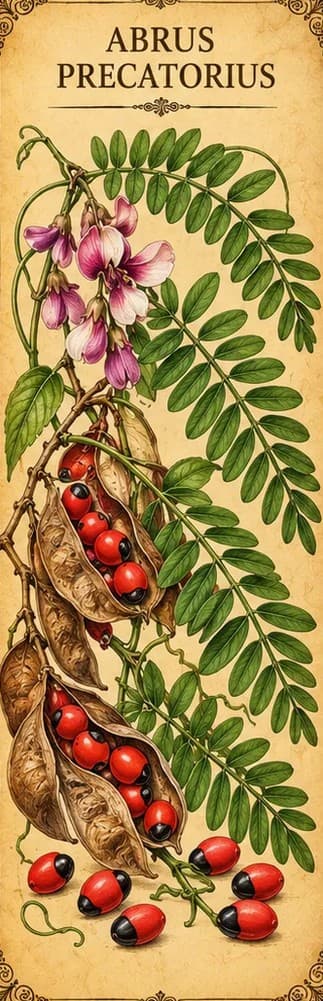
Botanical illustration of Abrus Precatorius

Abrus Precatorius

Abrus precatorius

Rosary pea or jumbee bead, a vine whose leaves are used in traditional medicine. Its bright red-and-black seeds contain abrin, one of the deadliest poisons known.

No. 002Medicinal
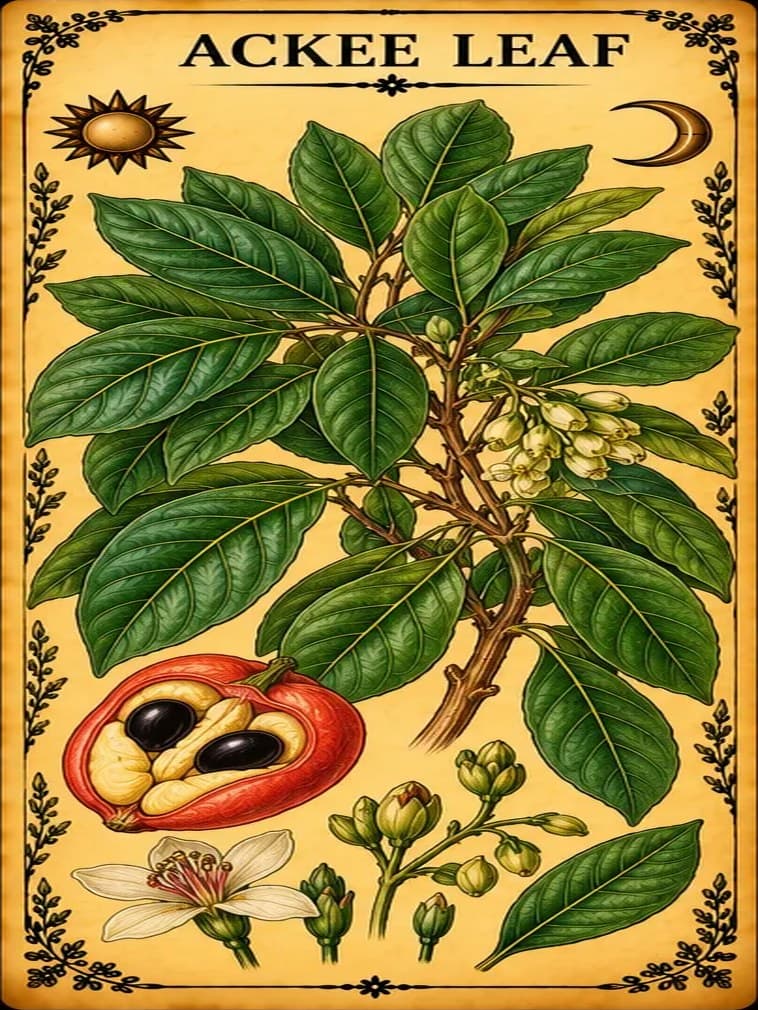
Botanical illustration of Ackee Leaf

Ackee Leaf

Blighia sapida

Leaves of the ackee tree, whose fruit is Jamaica's national dish. The leaves are used in folk medicine for pain, fever and stomach problems. Unripe ackee fruit is poisonous.

No. 003Medicinal
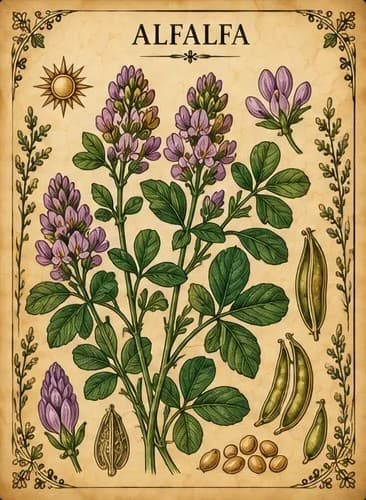
Botanical illustration of Alfalfa

Alfalfa

Medicago sativa

A widely used food and animal-feed crop, promoted as a supplement for many uses, including lowering cholesterol. Extracts have been studied on skin cells in the lab, but not on skin in people.

No. 004Medicinal
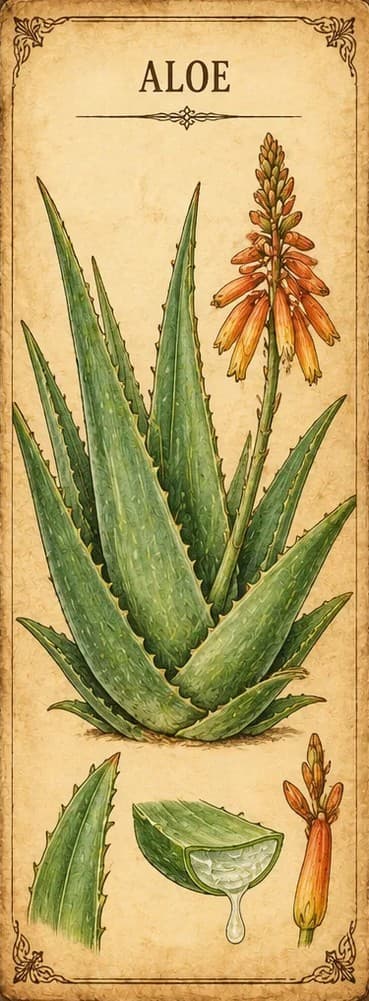
Botanical illustration of Aloe

Aloe

Aloe vera

A succulent whose leaf gel is used on burns and skin conditions. Gel on the skin may speed burn healing; aloe taken by mouth carries real risks.

No. 005Medicinal
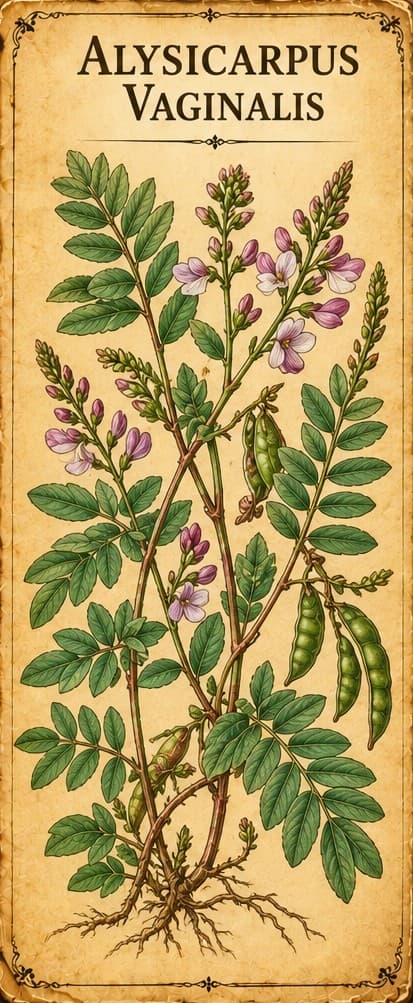
Botanical illustration of Alysicarpus Vaginalis

Alysicarpus Vaginalis

Alysicarpus vaginalis

A small creeping plant of the pea family, called medina in Jamaica, where it's one of the herbs boiled into the "strong back" root tonic drunk by men for stamina. Research so far is only in the lab and in animals.
No. 006Medicinal
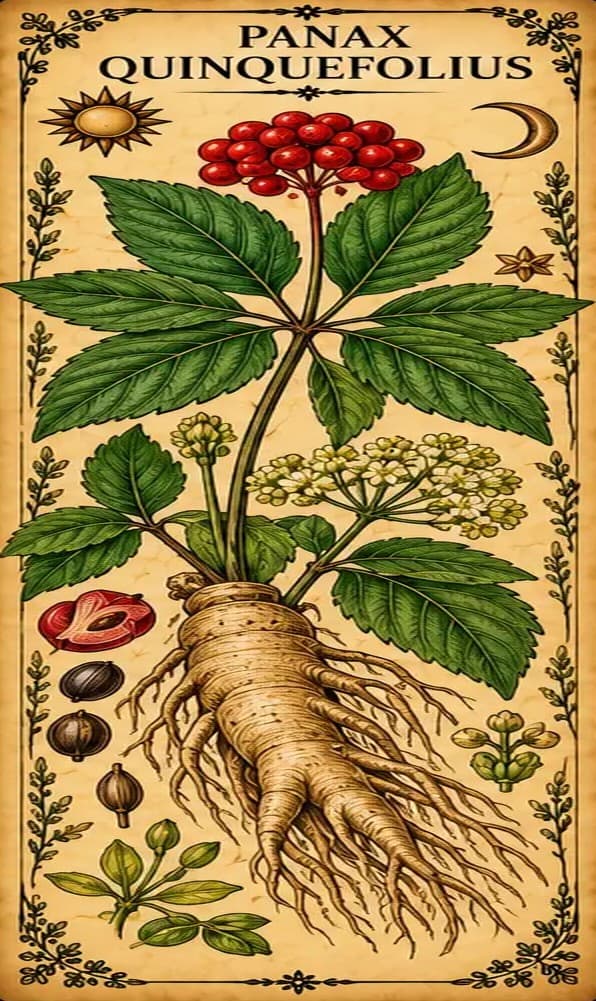
Botanical illustration of American Ginseng

American Ginseng

Panax quinquefolius

North American ginseng, a root studied for preventing colds. Taken for 8 to 16 weeks, it shortened colds in healthy adults in a small number of trials.

No. 007Medicinal
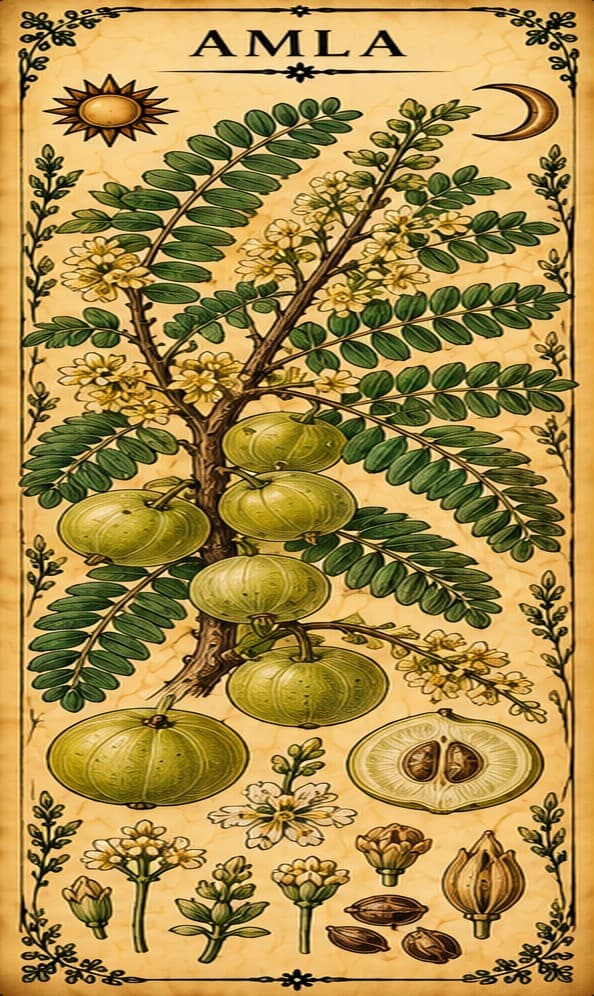
Botanical illustration of Amla

Amla

Phyllanthus emblica

Indian gooseberry, a fruit rich in vitamin C and antioxidants, used in Ayurveda and as one of the three fruits in Triphala. Trials suggest it may lower cholesterol, blood sugar and a marker of inflammation.

No. 008Medicinal
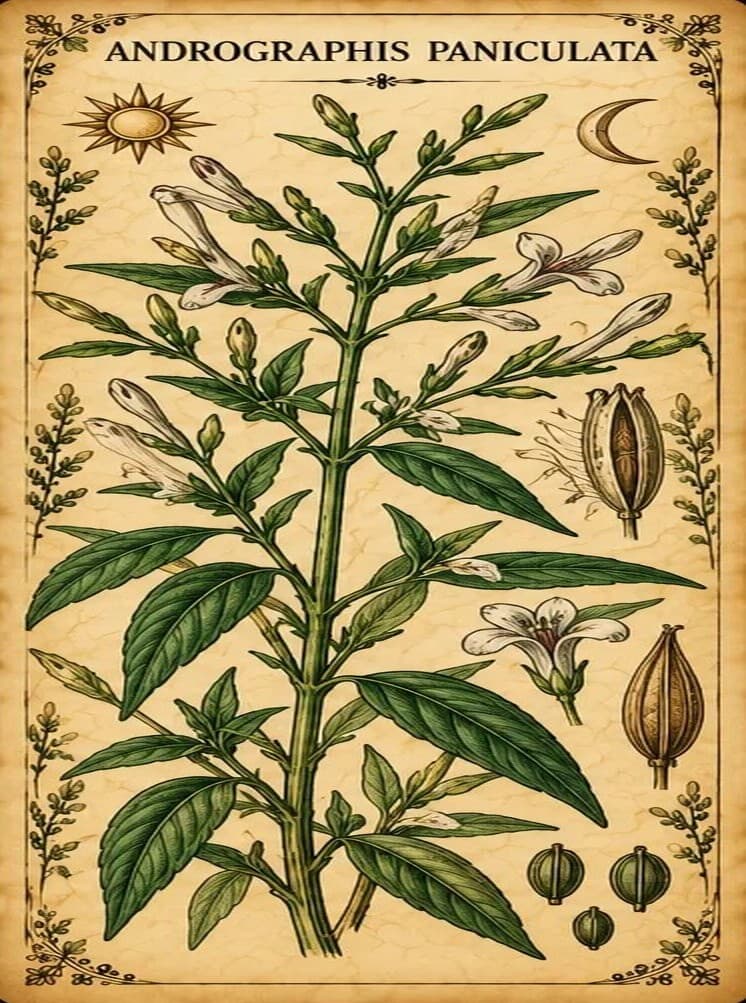
Botanical illustration of Andrographis

Andrographis

Andrographis paniculata

A bitter herb used across Asia for infections and fevers, and traditionally for skin inflammation and wounds. It has mainly been studied for colds and flu.

No. 009Medicinal
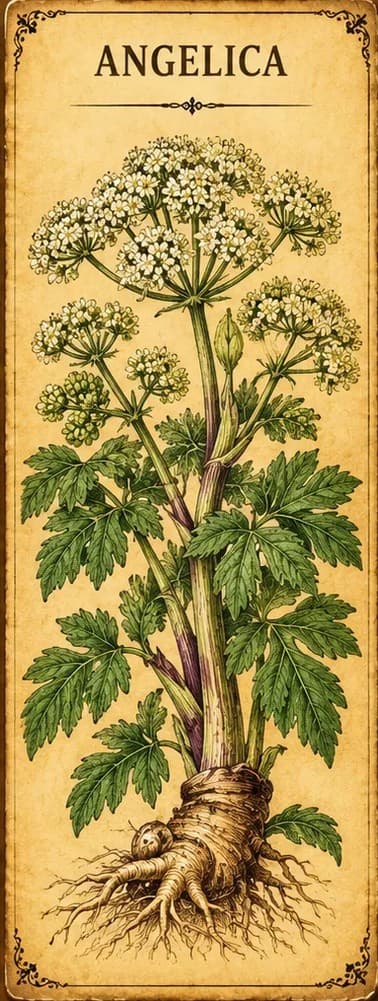
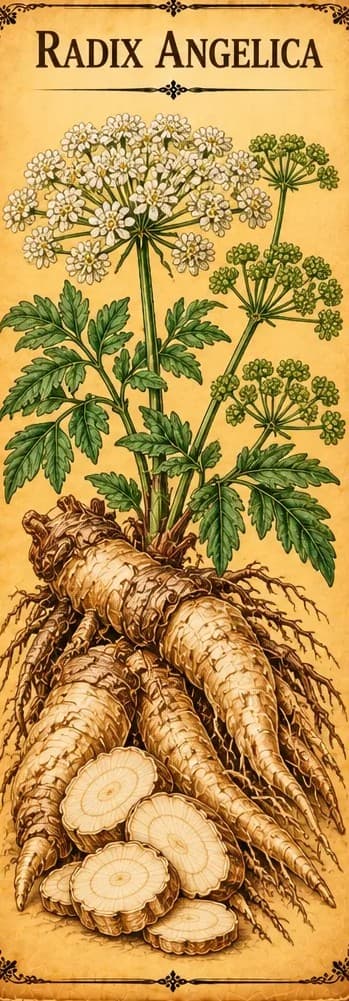
Botanical illustration of Angelica

Angelica

Angelica archangelica

Garden angelica, an aromatic plant used to flavour food and known in folk medicine as the "angel plant". Research is in the lab and in animals.

No. 010Medicinal
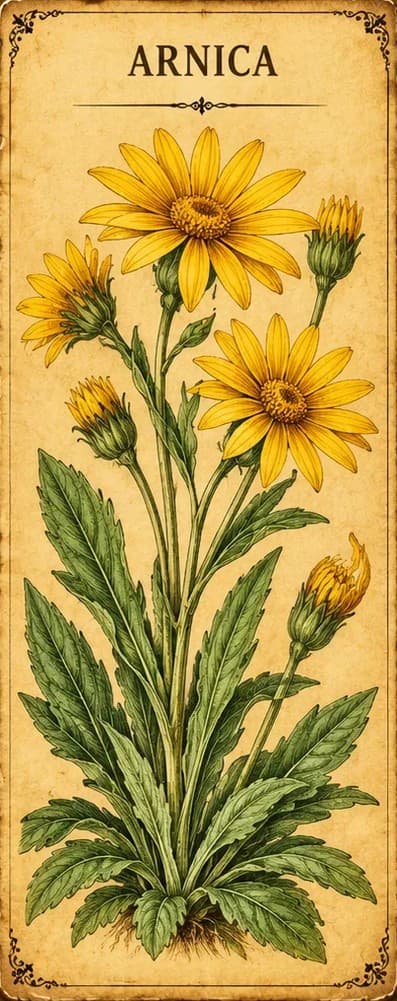
Botanical illustration of Arnica

Arnica

Arnica montana

A yellow mountain daisy whose flowers are made into creams and gels, recognized in Europe as a traditional medicine for bruises, sprains and muscle pain. For use on unbroken skin only.

No. 011Medicinal
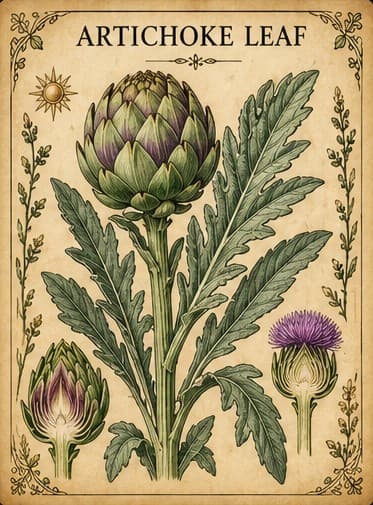
Botanical illustration of Artichoke Leaf

Artichoke Leaf

Cynara cardunculus

Leaves of the artichoke plant, recognized in Europe for indigestion, fullness and bloating. Several small trials suggest it may lower liver enzyme levels in fatty liver disease.

No. 012Medicinal
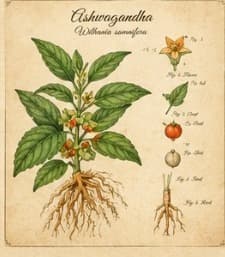
Botanical illustration of Ashwagandha

Ashwagandha

Withania somnifera

A root from Ayurvedic medicine, traditionally used to help the body cope with stress.

No. 013Medicinal
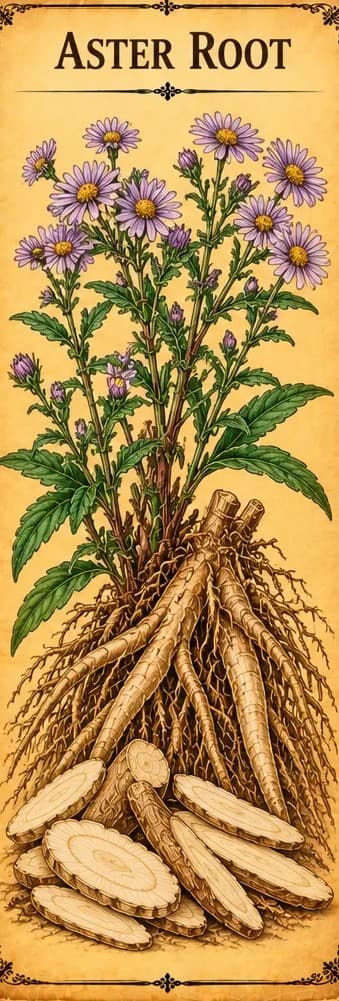
Botanical illustration of Aster Root

Aster Root

Aster tataricus

Zi wan, the soft purple root of Aster tataricus, a classic Chinese, Japanese and Korean remedy to moisten the lungs and relieve cough and phlegm.

No. 014Medicinal
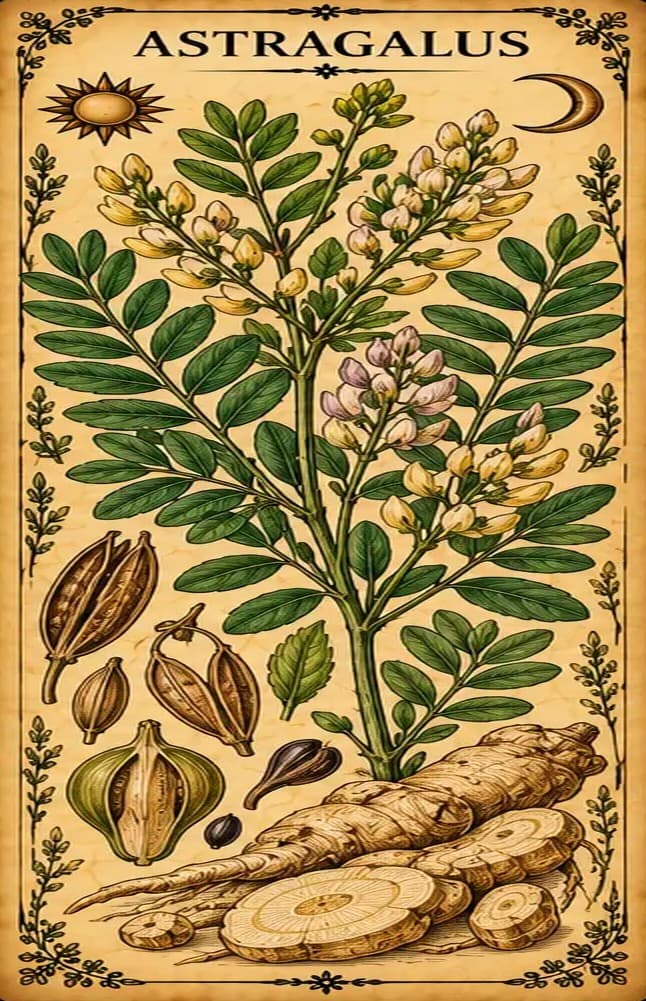
Botanical illustration of Astragalus

Astragalus

Astragalus membranaceus

A root (huang qi) used for centuries in traditional Chinese medicine and promoted to strengthen the immune system. There isn't enough reliable evidence to know whether it helps any condition.

No. 015Medicinal
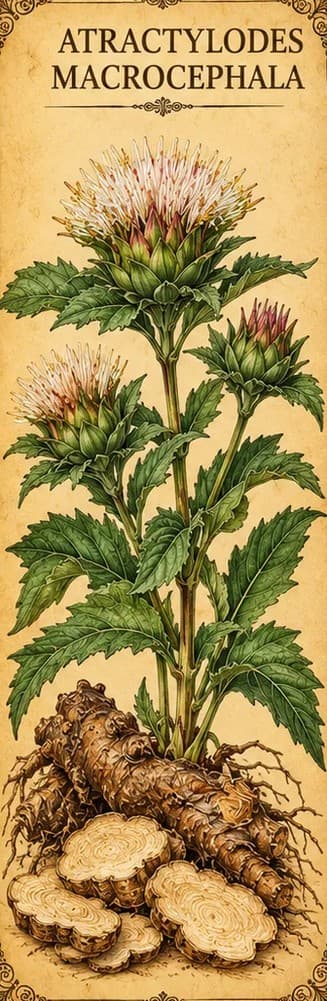
Botanical illustration of Atractylodes Macrocephala

Atractylodes Macrocephala

Atractylodes macrocephala

Bai zhu, a Chinese tonic rhizome for weak digestion and an unsettled pregnancy. Formulas built around it and white peony helped IBS in trials of moderate quality.

No. 016Medicinal
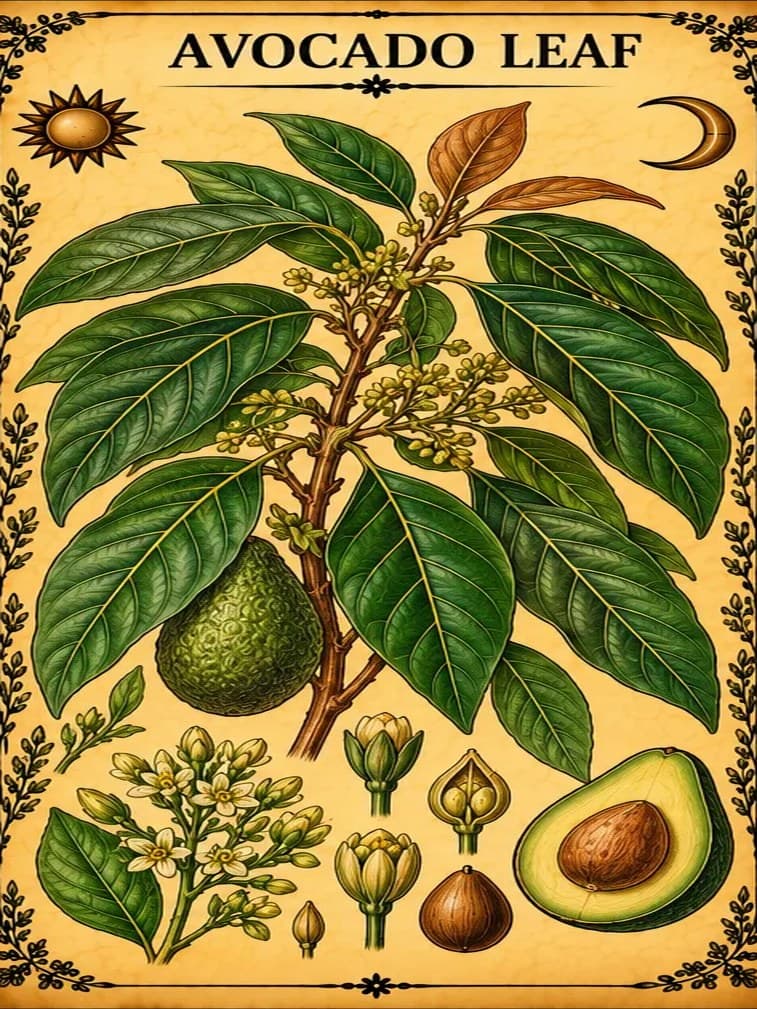
Botanical illustration of Avocado Leaf

Avocado Leaf

Persea americana

Leaves of the avocado tree, made into a tea and used in Caribbean folk medicine for high blood pressure. They lowered blood pressure in rats but haven't been tested in people.

No. 017Medicinal
Botanical illustration of Bai Zhi

Bai Zhi

Angelica dahurica

Angelica dahurica root, used in China, Korea and Japan for colds, headache, blocked sinuses, toothache and skin sores. Research is in the lab and in animals.

No. 018Medicinal
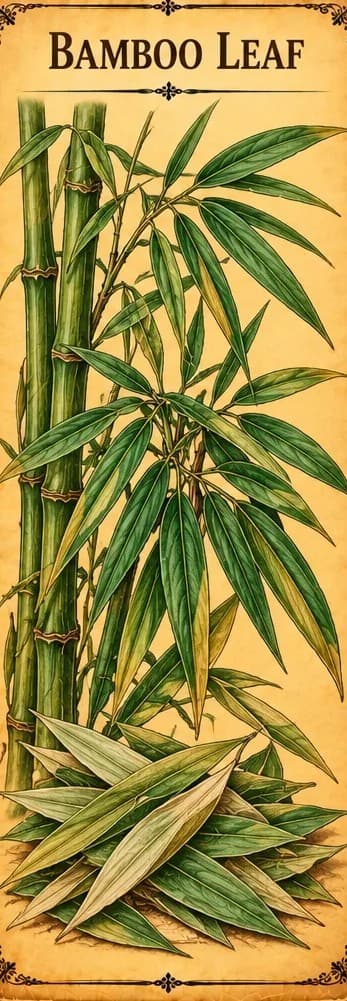
Botanical illustration of Bamboo Leaf

Bamboo Leaf

Lophatherum gracile

Dan zhu ye, the Chinese "bamboo leaf" herb from a bamboo-like grass, used as tea and medicine for feverish thirst, painful urination and tongue sores.

No. 019Medicinal
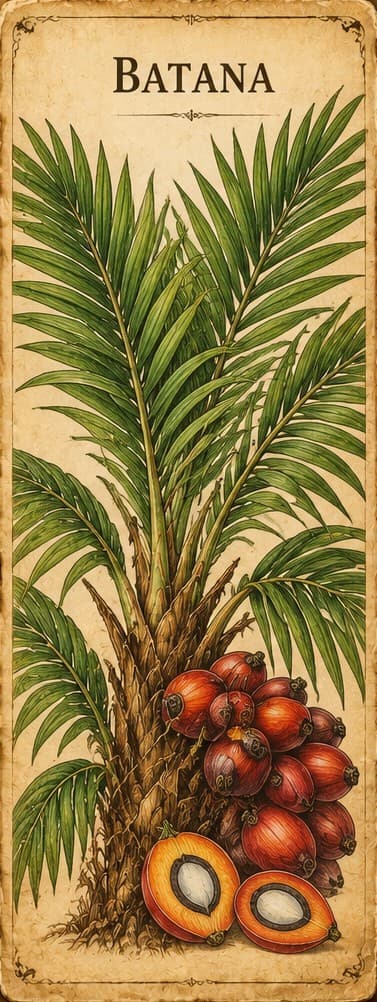
Botanical illustration of Batana

Batana

Elaeis oleifera

An oil from the nuts of the American oil palm, used for generations by the Miskito people of Honduras to care for hair and skin. There's no good evidence that it regrows hair.

No. 020Medicinal
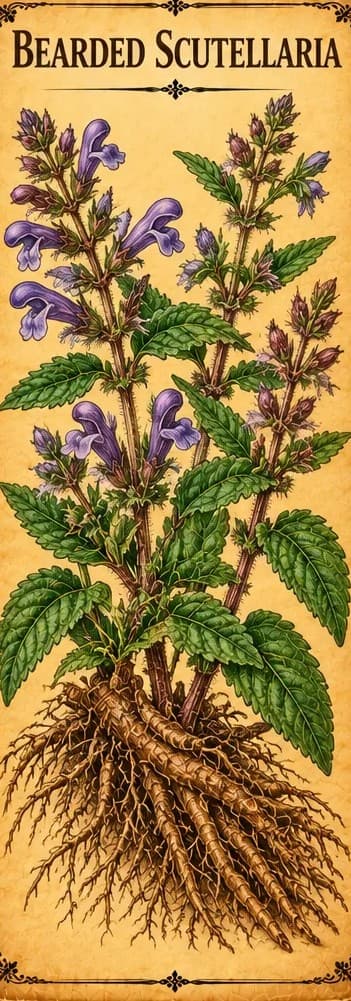
Botanical illustration of Bearded Scutellaria

Bearded Scutellaria

Scutellaria barbata

Ban zhi lian, a Chinese herb first used for snake bites and now listed for sores, sore throat, swelling and jaundice. In China it's used alongside cancer treatment; most research is in the lab.

No. 021Medicinal
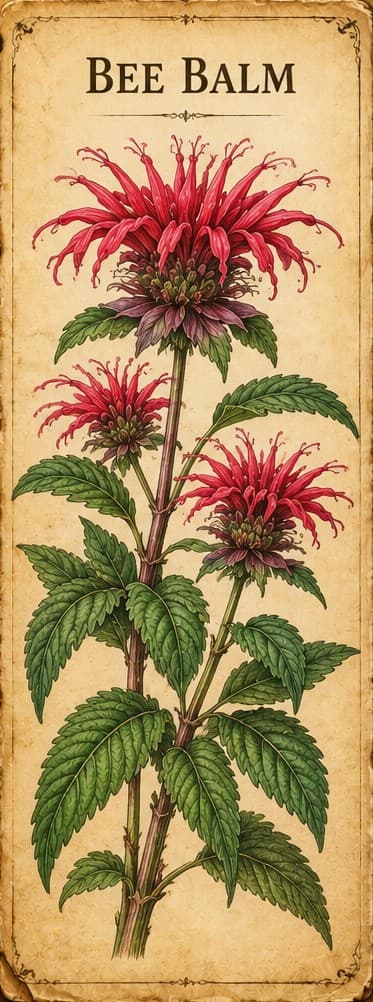
Botanical illustration of Bee Balm

Bee Balm

Monarda didyma

A red-flowered North American mint, also called Oswego tea, used by the Cherokee as a tea and as a poultice for colds and headaches. Human research is very limited.

No. 022Medicinal
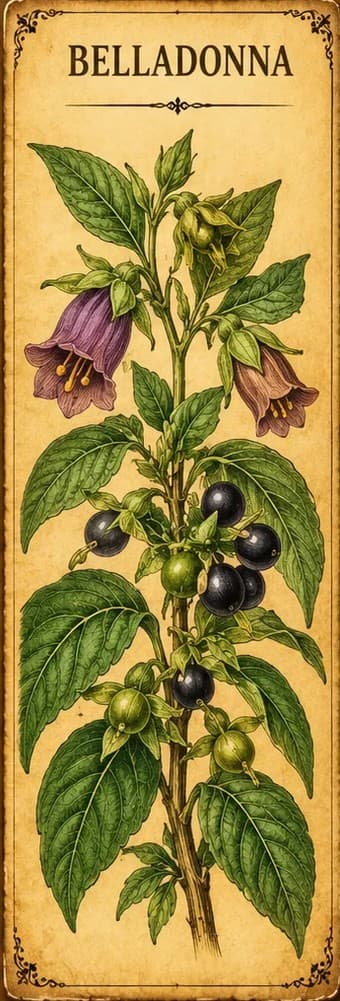
Botanical illustration of Belladonna

Belladonna

Atropa belladonna

Deadly nightshade, a poisonous plant whose alkaloids can cause confusion, a racing heart, seizures, coma and death.

No. 023Medicinal
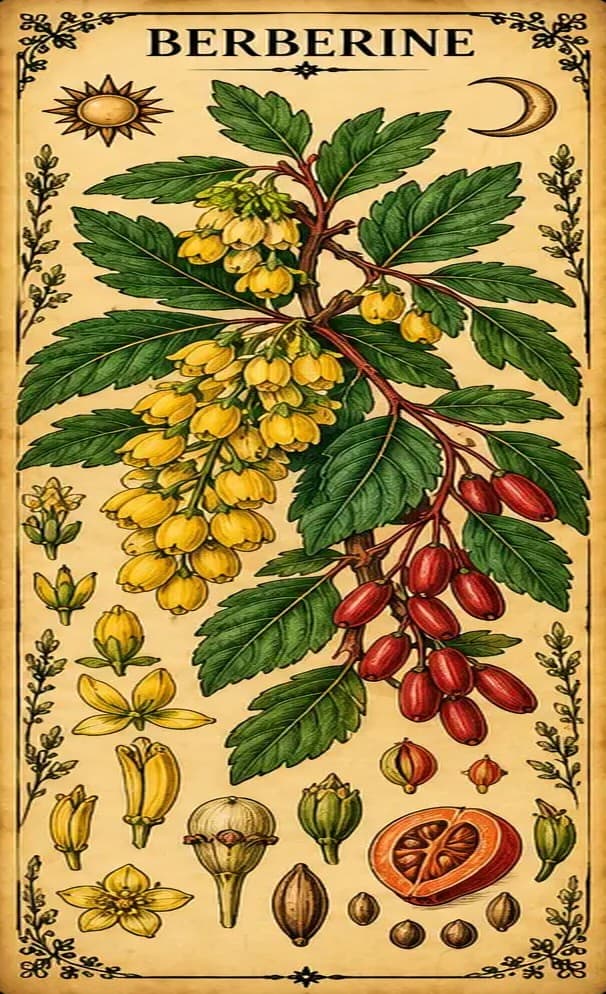
Botanical illustration of Berberine

Berberine

Berberis vulgaris

A natural compound found in barberry (shown here) and other plants such as goldenseal. It is widely used in China for diarrhea, and has been studied for H. pylori infection and blood sugar.

No. 024Medicinal
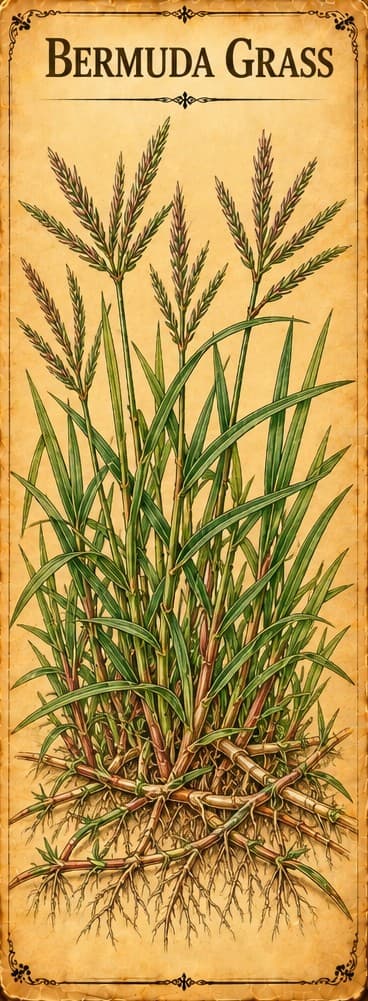
Botanical illustration of Bermuda Grass

Bermuda Grass

Cynodon dactylon

A common lawn grass, known as durva in India, traditionally used for women's hormonal problems. Research on its juice (durva swaras) so far is in rats and mice. Its pollen is a common allergy trigger.

No. 025Medicinal
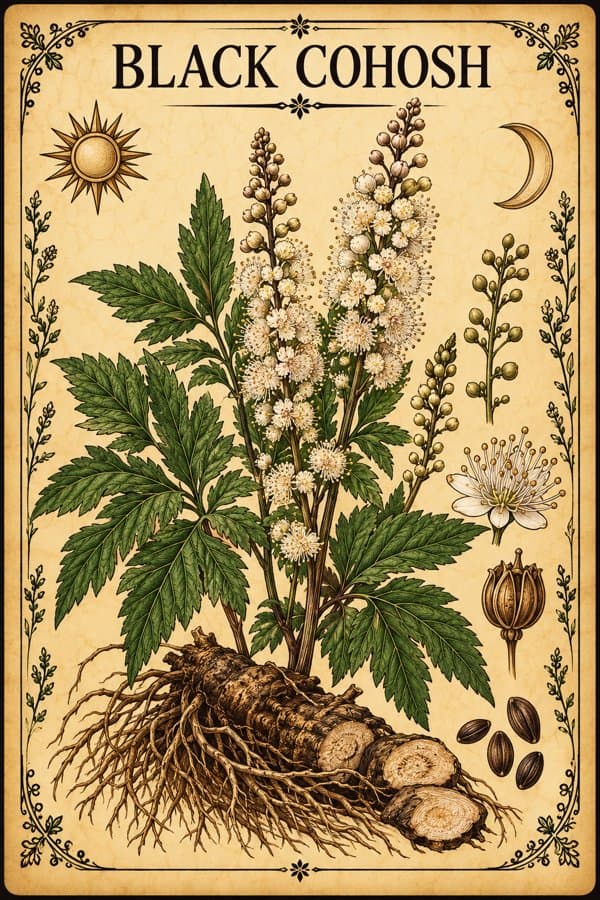
Botanical illustration of Black Cohosh

Black Cohosh

Actaea racemosa

A root used traditionally by Native Americans and recognized in Europe for menopausal hot flushes. Rare liver problems have been reported.

No. 026Medicinal
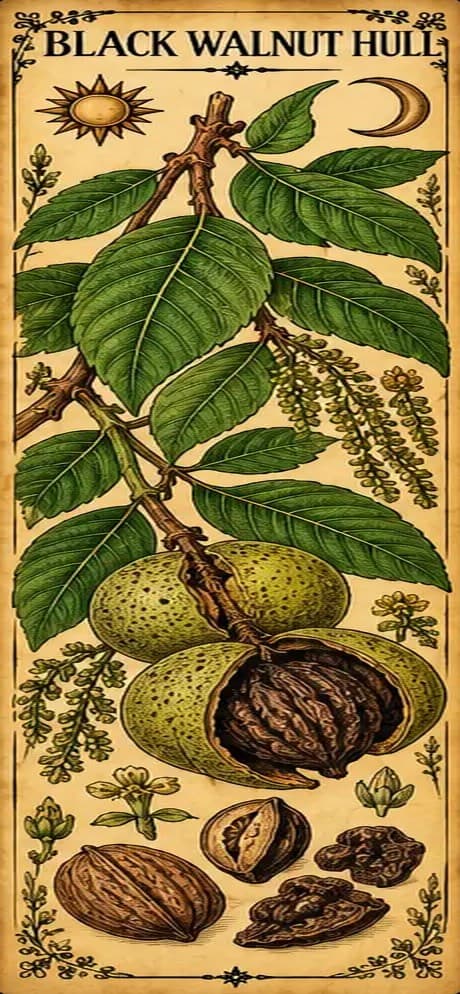
Botanical illustration of Black Walnut

Black Walnut

Juglans nigra

A North American tree whose nut hulls contain juglone and other compounds. Black walnut hull is an ingredient in herbal gut formulas, but it hasn't been studied on its own in people.

No. 027Medicinal
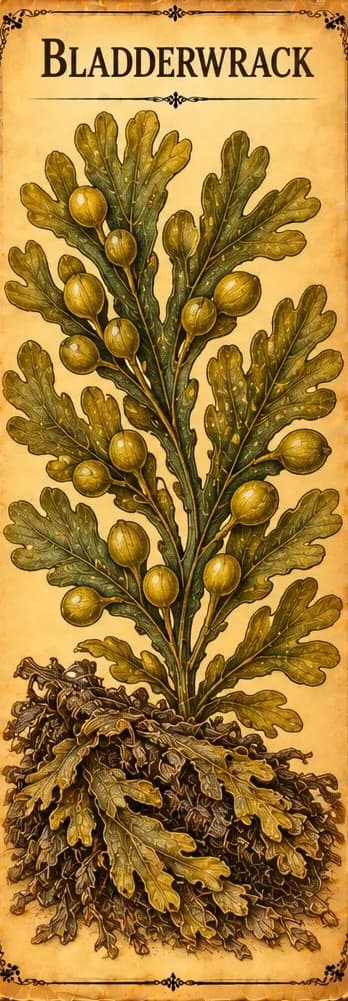
Botanical illustration of Bladderwrack

Bladderwrack

Fucus vesiculosus

A brown seaweed recognised in the EU as a traditional herbal medicine to help weight loss alongside a reduced-calorie diet. It can affect the thyroid.

No. 028Medicinal
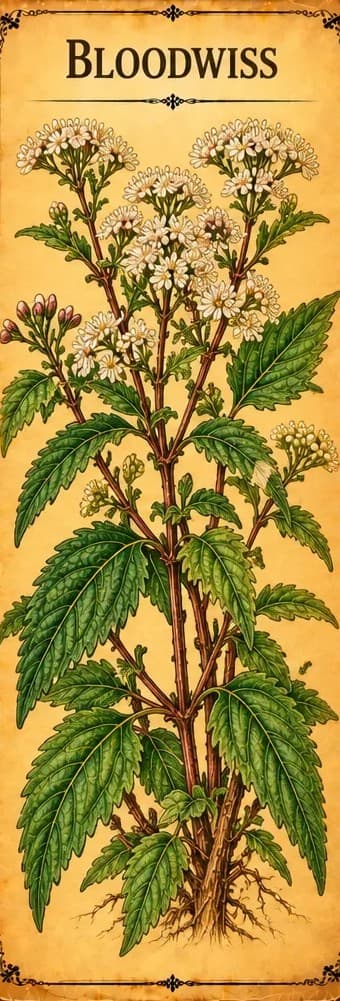
Botanical illustration of Bloodwiss

Bloodwiss

Vitis tiliifolia

A wild grapevine. Old Mexican records list it for increasing urination, fever and gout, and the vine has been used as a source of drinking water. Very little research exists.

No. 029Medicinal
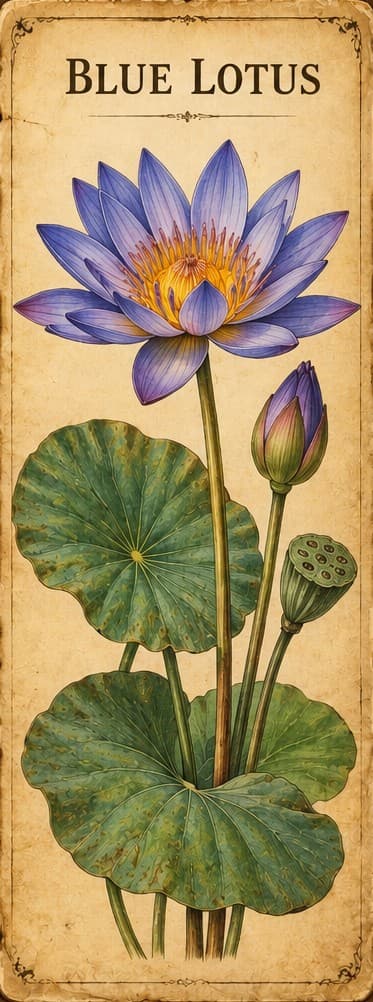
Botanical illustration of Blue Lotus

Blue Lotus

Nymphaea caerulea

A water lily that was used in rituals in ancient Egypt. It's now sold as teas, vapes and gummies for calming or euphoric effects, and has sent some users to the emergency room.

No. 030Medicinal
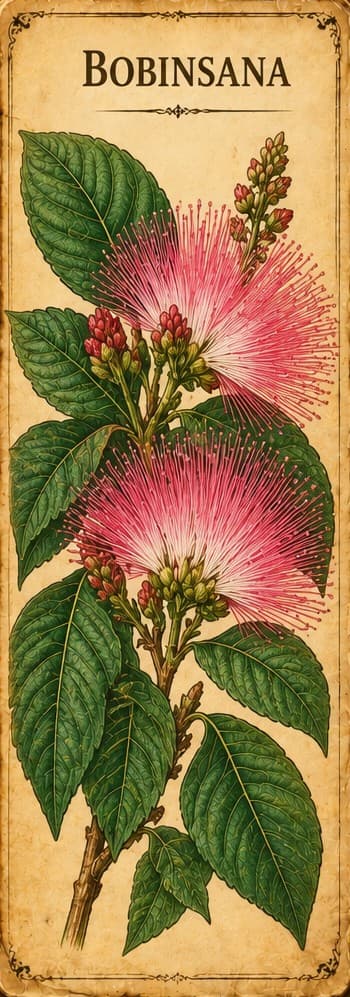
Botanical illustration of Bobinsana

Bobinsana

Calliandra angustifolia

A small Amazonian riverbank tree with pink powder-puff flowers. Indigenous communities use it for tiredness, stomach aches and bites, and it's one of the "teacher plants" used alongside ayahuasca. It has barely been studied.

No. 031Medicinal
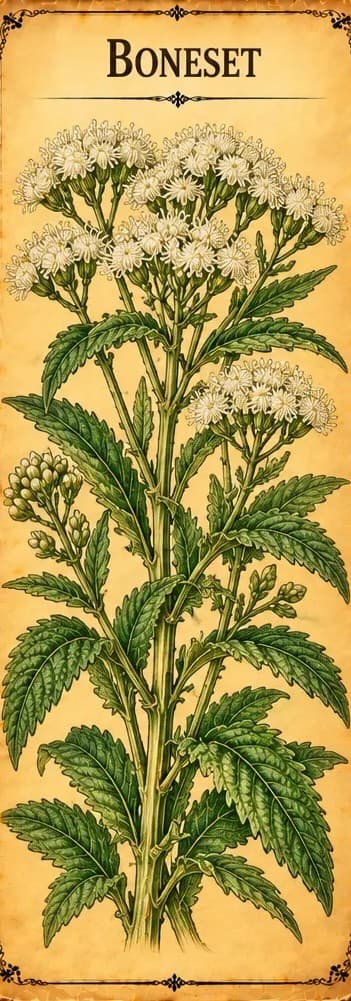
Botanical illustration of Boneset

Boneset

Eupatorium perfoliatum

A North American wildflower long used as a tea for fever, flu, colds and coughs. In the lab, an extract stopped flu viruses from infecting cells, but it hasn't been tested in people.

No. 032Medicinal
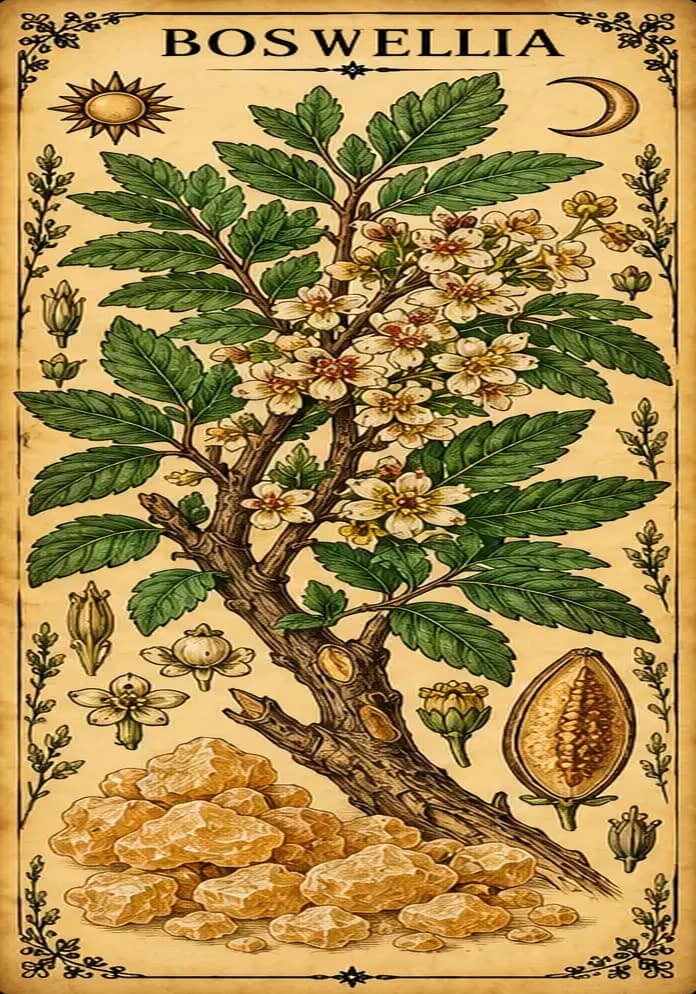
Botanical illustration of Boswellia

Boswellia

Boswellia serrata

Indian frankincense, a gum resin from a tree used for centuries in Ayurveda for inflammation. It is marketed for arthritis and colitis, and has been studied with curcumin for IBS bloating.

No. 033Medicinal
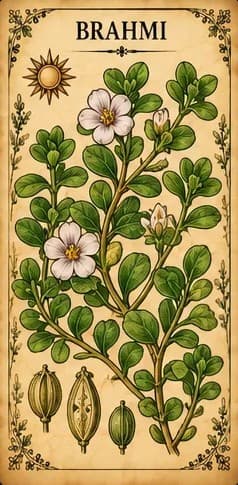
Botanical illustration of Brahmi

Brahmi

Bacopa monnieri

Bacopa, long used in Ayurvedic medicine for nerve and behavior problems. Reviews of trials suggest it may modestly improve memory and attention speed.

No. 034Medicinal
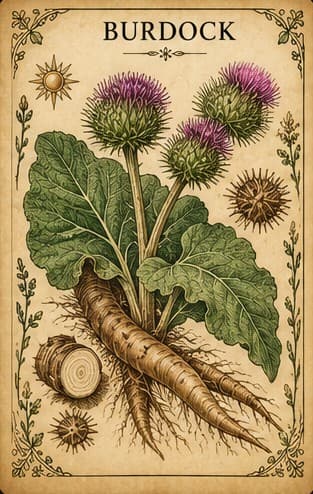
Botanical illustration of Burdock

Burdock

Arctium lappa

A plant whose root has been eaten as food in Asia for centuries. It is traditionally used as a "blood purifier" and for skin problems, but there is little evidence in people.

No. 035Medicinal
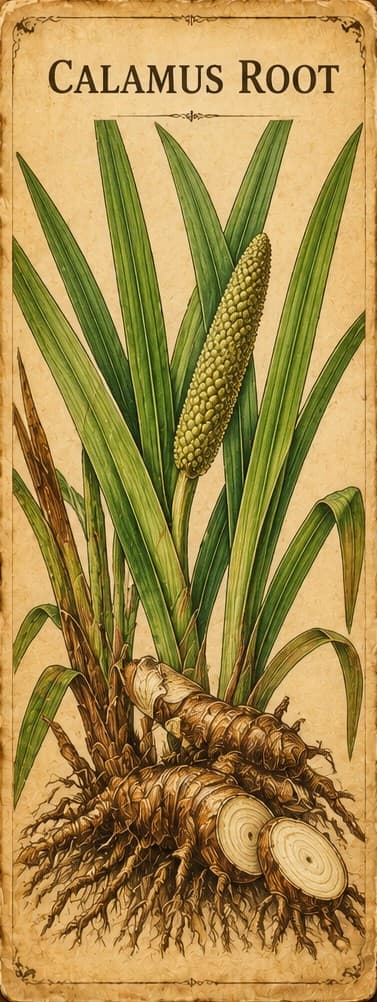
Botanical illustration of Calamus Root

Calamus Root

Acorus calamus

The root of sweet flag, a marsh plant used in traditional medicine around the world for stomach cramps and asthma. It contains beta-asarone, which caused cancer in animal studies; adding it to food is banned in the US.

No. 036Medicinal
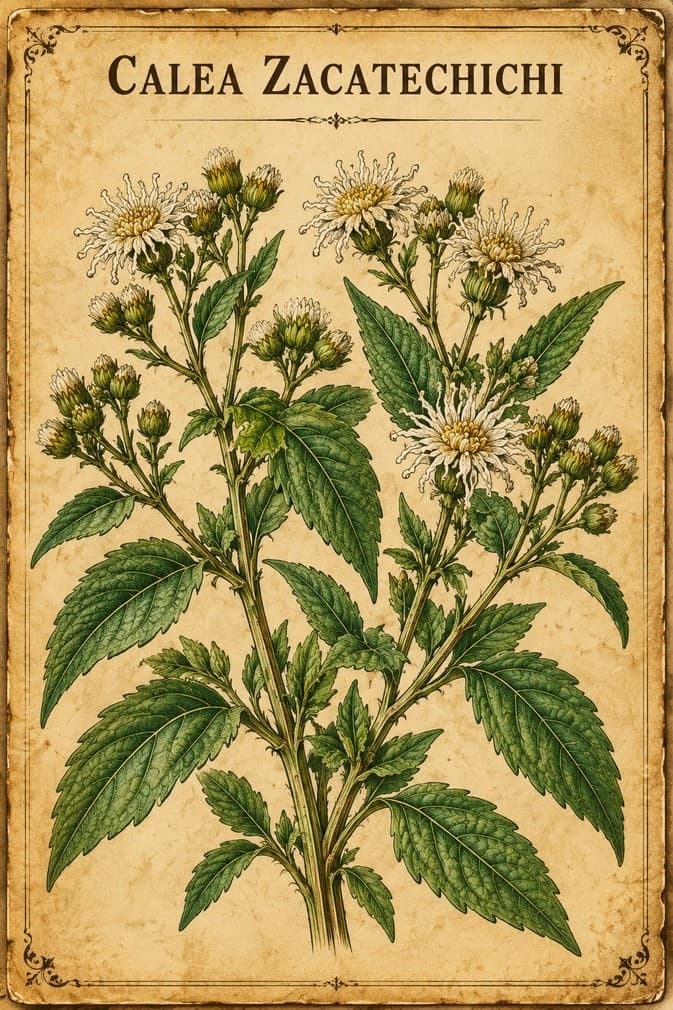
Botanical illustration of Calea Zacatechichi

Calea Zacatechichi

Calea zacatechichi

A Mexican shrub in the daisy family, known as dream herb, used in rituals to bring on vivid dreams and in folk medicine for coughs, asthma and stomach problems. Its safety hasn't been properly studied.

No. 037Medicinal
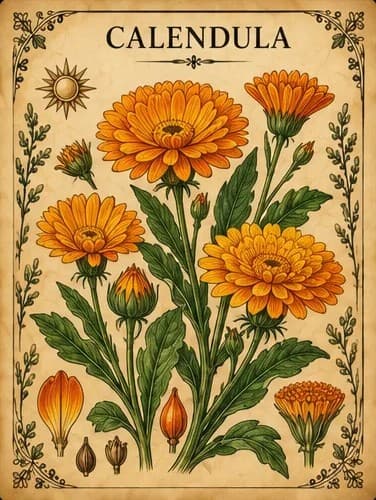
Botanical illustration of Calendula

Calendula

Calendula officinalis

The pot marigold, used in creams and ointments to soothe the skin. It is recognized in Europe for minor skin inflammation such as sunburn and to help minor wounds heal.

No. 038Medicinal
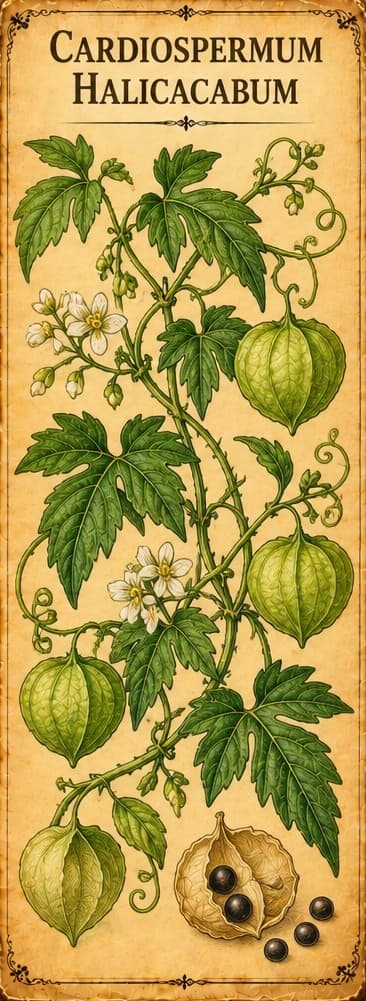
Botanical illustration of Cardiospermum Halicacabum

Cardiospermum Halicacabum

Cardiospermum halicacabum

Balloon vine, a climbing plant with papery, balloon-like seed pods, eaten as a leafy vegetable in India and used in traditional Indian medicine for rheumatism, pain, coughs and skin diseases.

No. 039Medicinal
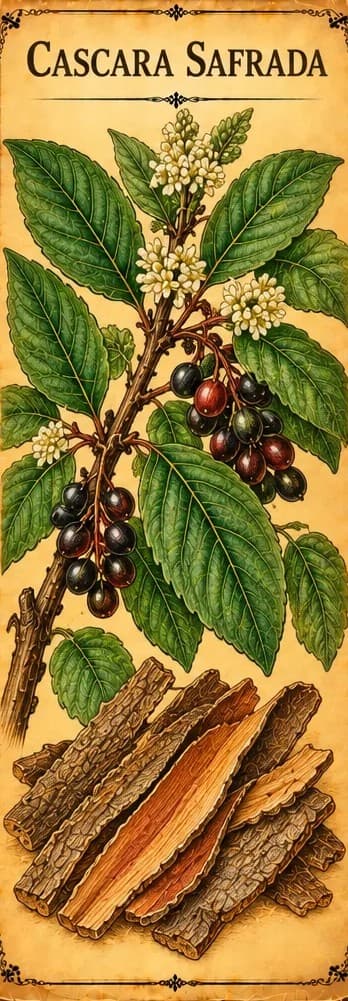
Botanical illustration of Cascara Sagrada

Cascara Sagrada

Rhamnus purshiana

The dried bark of a tree, accepted in the EU as a stimulant laxative for short-term use in occasional constipation. It shouldn't be used for more than a week.

No. 040Medicinal
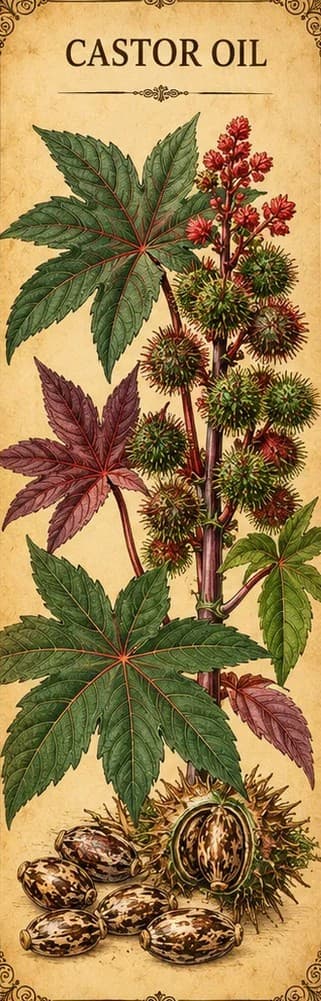
Botanical illustration of Castor Oil

Castor Oil

Ricinus communis

Oil pressed from castor seeds, a strong traditional laxative also used to bring on labour. The seeds themselves contain ricin, one of the most toxic plant substances.

No. 041Medicinal
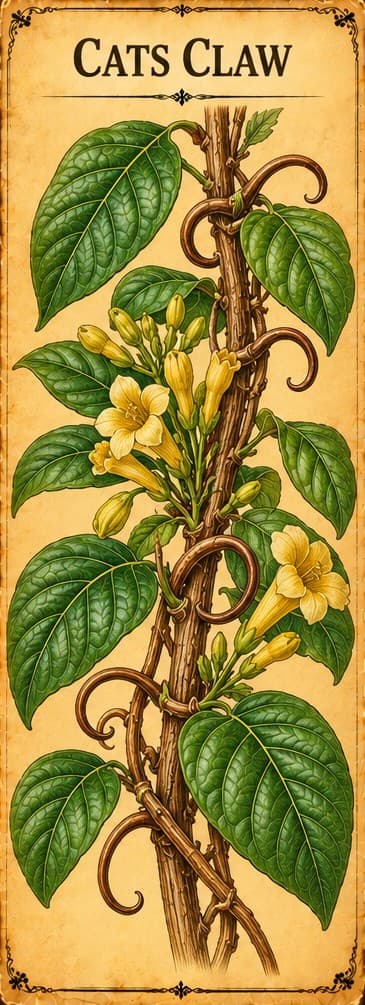
Botanical illustration of Cat's Claw

Cat's Claw

Uncaria tomentosa

A woody vine from the Amazon rainforest, named for its hooked thorns, used by Indigenous Amazonian peoples for centuries and now promoted for arthritis. There's no conclusive evidence it helps any health condition.

No. 042Medicinal
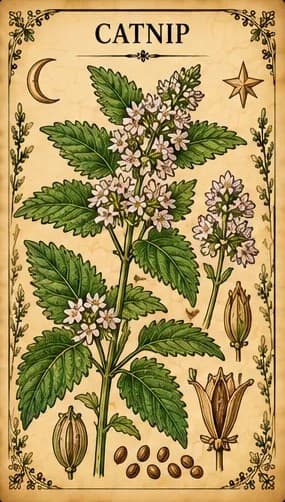
Botanical illustration of Catnip

Catnip

Nepeta cataria

A plant in the mint family traditionally used for colic, coughs, asthma and nervous upset. Its oil is also an effective mosquito repellent.

No. 043Medicinal
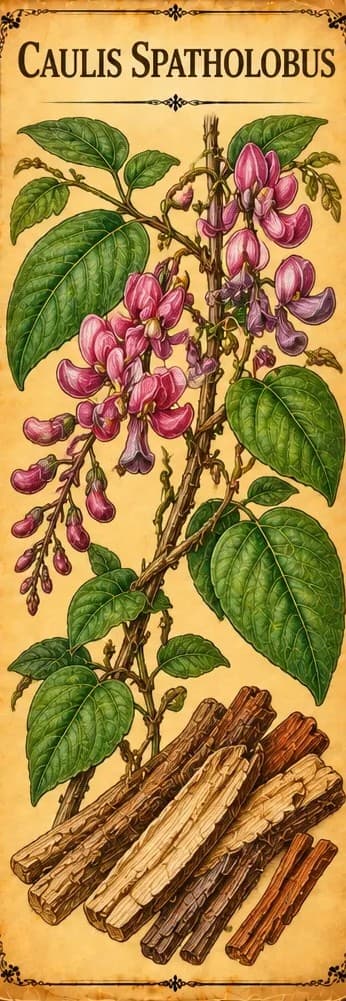
Botanical illustration of Caulis Spatholobus

Caulis Spatholobus

Spatholobus suberectus

Ji xue teng, or "chicken blood vine", a woody vine whose cut stem oozes red sap. It's used in Chinese medicine for anemia, irregular periods and rheumatic joint pain.

No. 044Medicinal
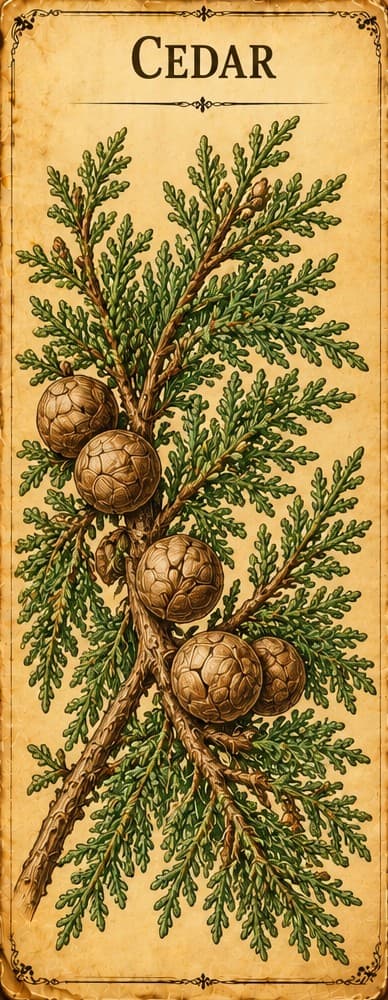
Botanical illustration of Cedar

Cedar

Thuja occidentalis

Northern white cedar, or arborvitae, a North American evergreen. Indigenous people in Canada showed it to 16th-century explorers as a remedy for scurvy. Its fresh leaves contain thujone and can be poisonous.

No. 045Medicinal
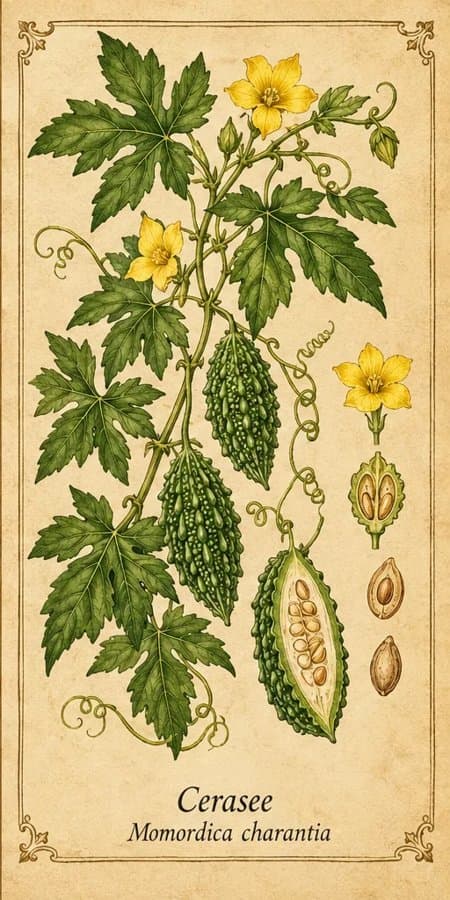
Botanical illustration of Cerasee

Cerasee

Momordica charantia

A bitter plant known in Jamaica as cerasee and elsewhere as bitter melon, widely used as a folk remedy for diabetes and high blood pressure.

No. 046Medicinal
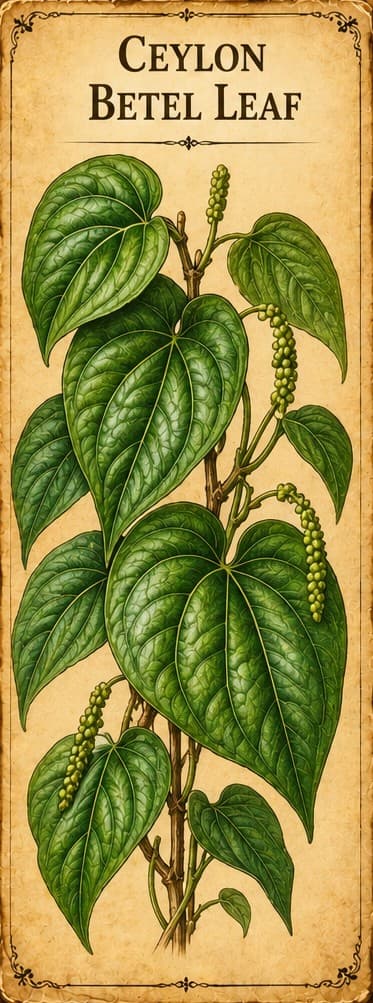
Botanical illustration of Ceylon Betel Leaf

Ceylon Betel Leaf

Piper betle

The heart-shaped leaf of the betel vine, chewed across Asia and used in folk medicine for the mouth, skin and joints. Betel quid, the leaf wrapped around areca nut, causes mouth cancer.

No. 047Medicinal
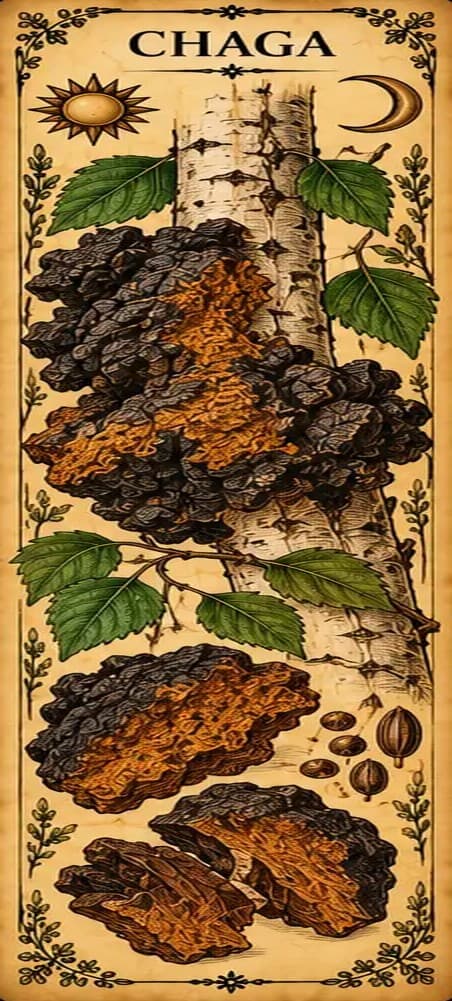
Botanical illustration of Chaga

Chaga

Inonotus obliquus

A dark, crusty fungus that grows on birch trees, long used as a folk remedy in Siberia and Russia for immunity. It is very high in oxalate, and long-term use has caused kidney damage.

No. 048Medicinal
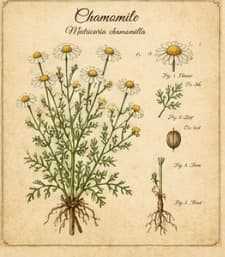
Botanical illustration of Chamomile

Chamomile

Matricaria chamomilla

A daisy-like flower, usually made into tea, traditionally used for relaxation and digestive comfort.

No. 049Medicinal
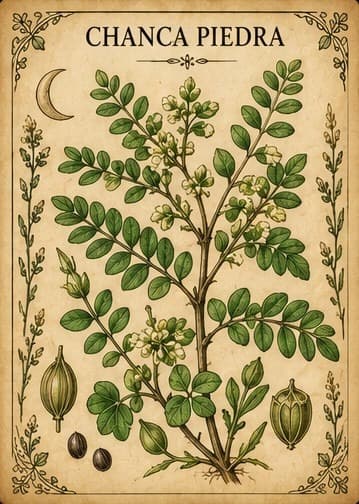
Botanical illustration of Chanca Piedra

Chanca Piedra

Phyllanthus niruri

A plant traditionally used in Malay, Chinese and Ayurvedic medicine for kidney stones and liver problems. It has been studied for both, with mixed results.

No. 050Medicinal
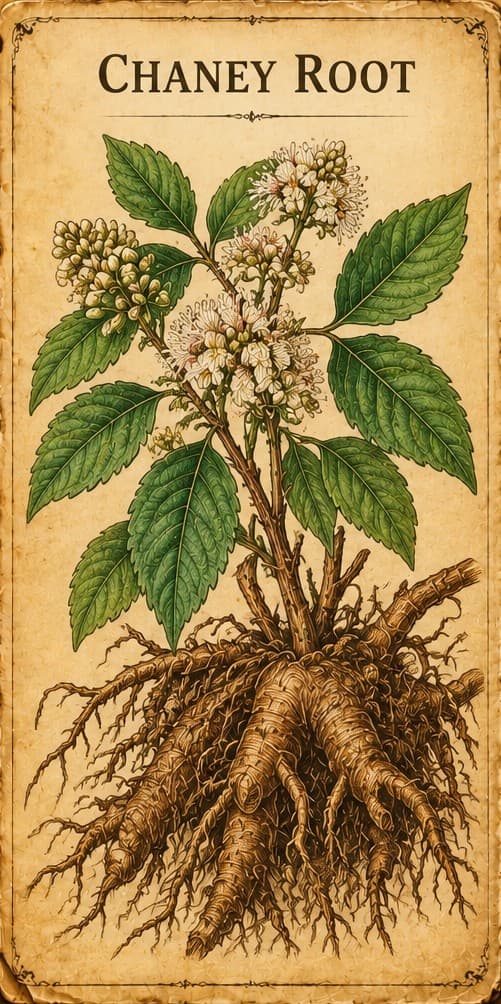
Botanical illustration of Chaney Root

Chaney Root

Smilax balbisiana

A Jamaican climbing plant related to sarsaparilla. Its root is boiled into the popular "root tonic" drunk for stamina, and into teas for colds and flu. It hasn't been studied in people.

No. 051Medicinal
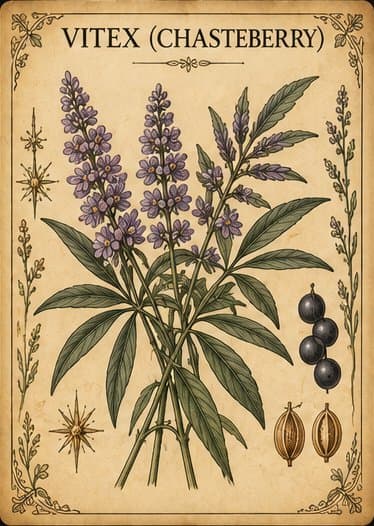
Botanical illustration of Chasteberry

Chasteberry

Vitex agnus-castus

The berries of the chaste tree (vitex), recognized in Europe for easing PMS (premenstrual syndrome).

No. 052Medicinal
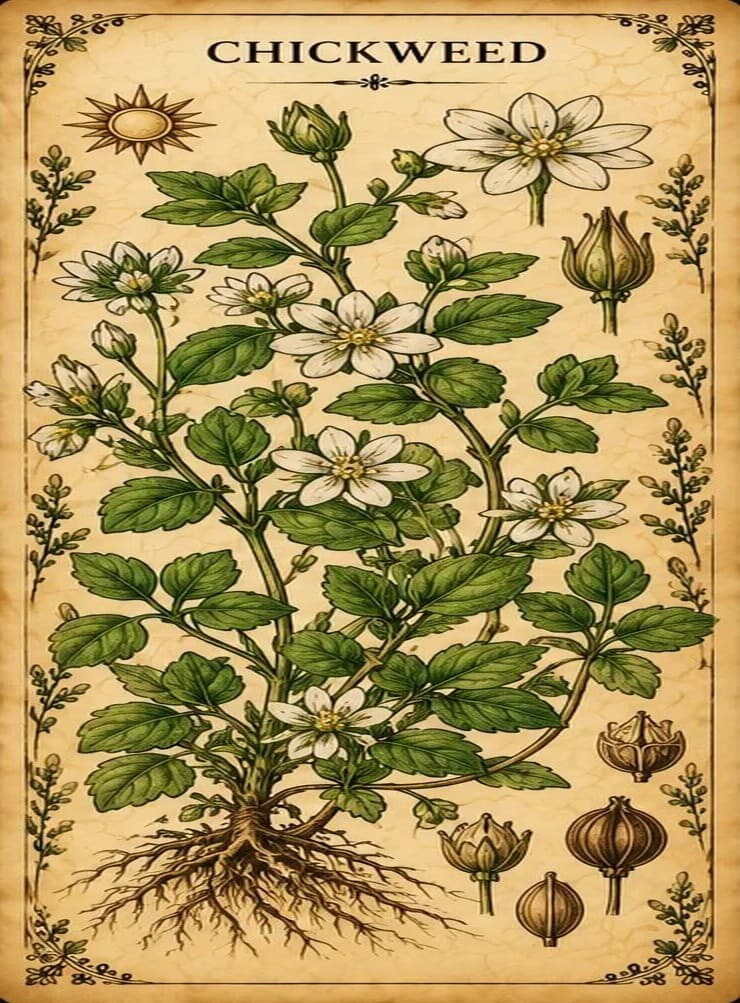
Botanical illustration of Chickweed

Chickweed

Stellaria media

A wild weed found worldwide, eaten as a leafy green and traditionally used for skin problems such as burns, cuts and scratches. It hasn't been studied in people.

No. 053Medicinal
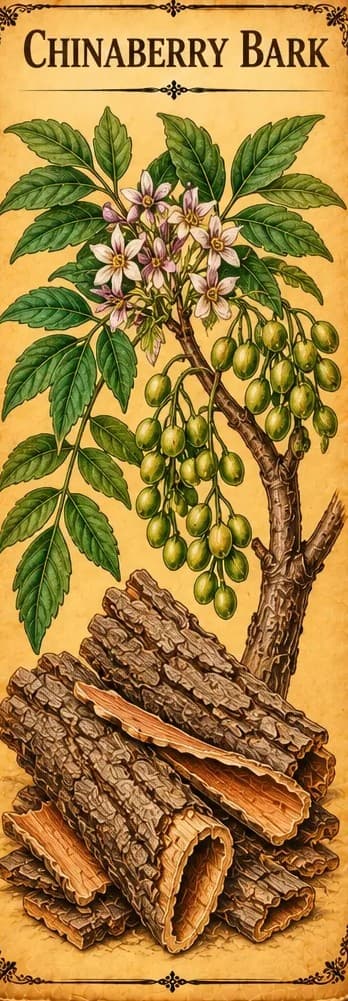
Botanical illustration of Chinaberry Bark

Chinaberry Bark

Melia azedarach

Bark of the chinaberry tree, whose compound toosendanin was developed in China as a roundworm medicine. The plant is toxic: toosendanin damages the liver, and chinaberry has poisoned many kinds of animals.

No. 054Medicinal
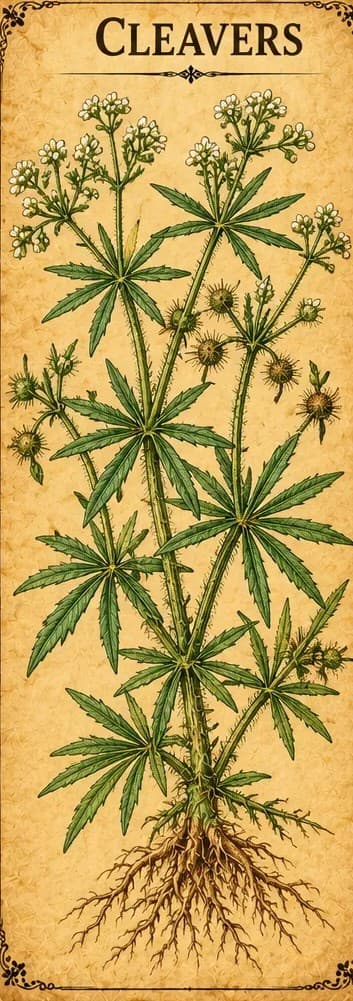
Botanical illustration of Cleavers

Cleavers

Galium aparine

A sticky, fast-growing plant traditionally used to increase urination and relieve bloating, and for swollen glands, fever and wounds. In the lab, an extract helped skin cells heal a scratch.

No. 055Medicinal
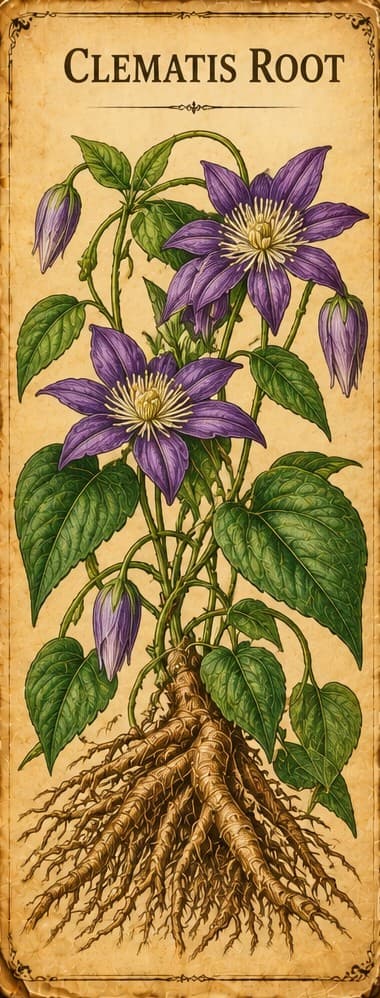
Botanical illustration of Clematis Root

Clematis Root

Clematis chinensis

The root of a Chinese climbing plant, known as wei ling xian, used in traditional Chinese medicine for rheumatic joint pain and stiff, numb limbs. It can be toxic.

No. 056Medicinal
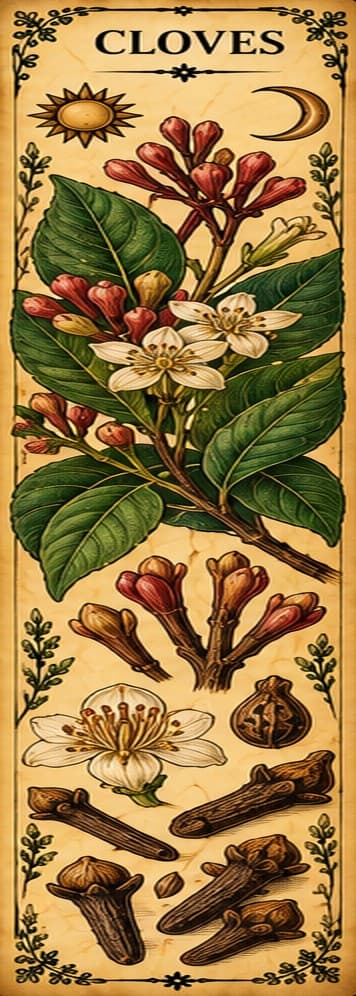
Botanical illustration of Cloves

Cloves

Syzygium aromaticum

A kitchen spice from the clove tree, whose oil is recognized in Europe for toothache and minor mouth and throat inflammation. In the lab, clove oil kills bacteria and fungi.

No. 057Medicinal
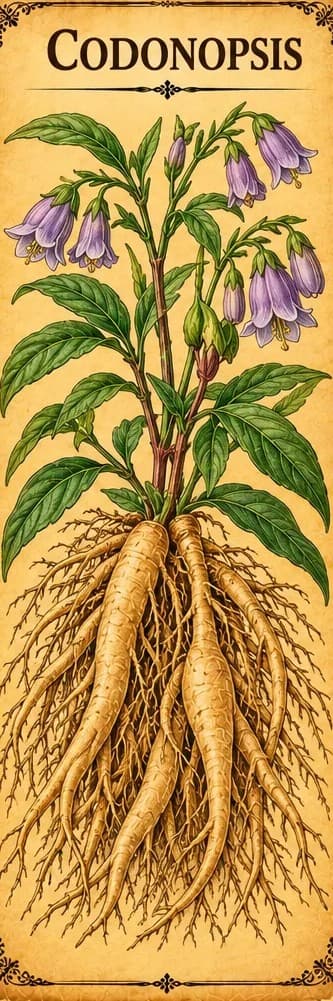
Botanical illustration of Codonopsis

Codonopsis

Codonopsis pilosula

Dang shen, a Chinese tonic root used alongside or in place of ginseng for about 1,000 years to strengthen the spleen, stomach and lungs. Research is in the lab and in animals.

No. 058Medicinal
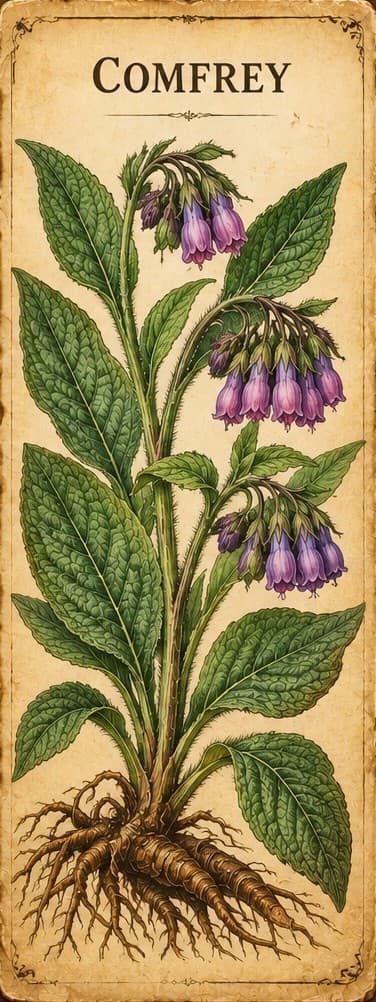
Botanical illustration of Comfrey

Comfrey

Symphytum officinale

A plant whose root is made into creams for minor sprains and bruises, recognised in Europe as a traditional remedy. Never take comfrey by mouth: it contains substances that damage the liver.

No. 059Medicinal
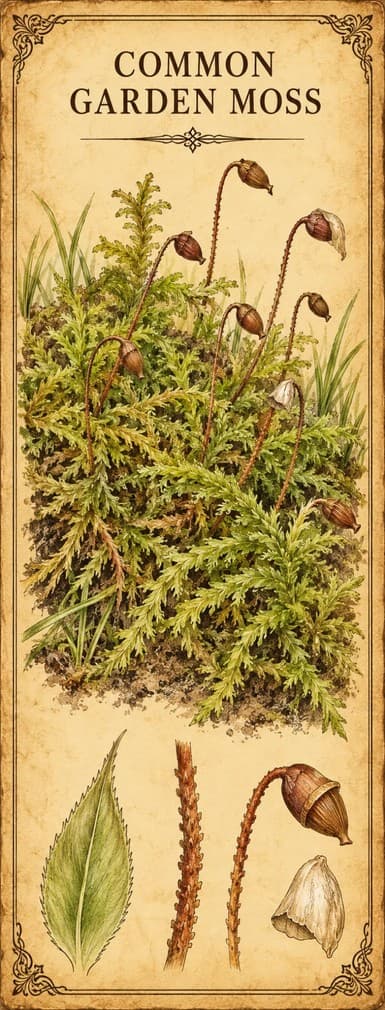
Botanical illustration of Common Garden Moss

Common Garden Moss

Brachythecium rutabulum

Rough-stalked feather-moss, a common lawn and garden moss probably used in 17th- and 18th-century Europe for dressing wounds and stopping bleeding.

No. 060Medicinal
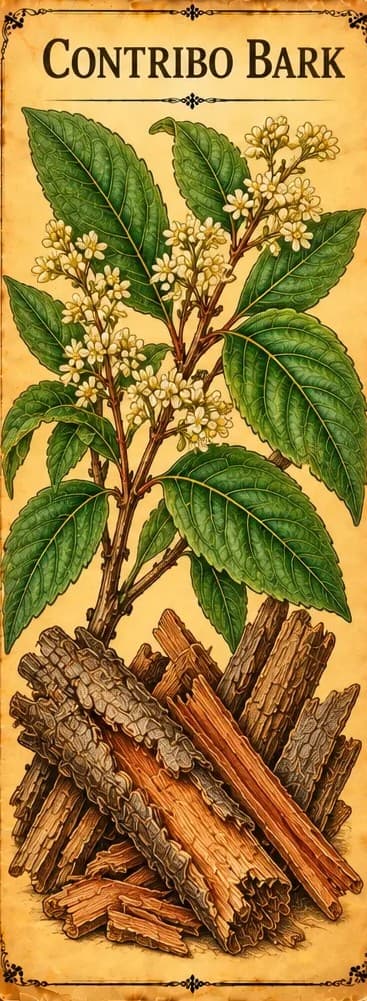
Botanical illustration of Contribo

Contribo

Aristolochia trilobata

An Aristolochia vine used in Caribbean and Latin American folk medicine for stomach aches, colic and asthma. It contains aristolochic acids, which cause kidney failure and urinary tract cancer.

No. 061Medicinal
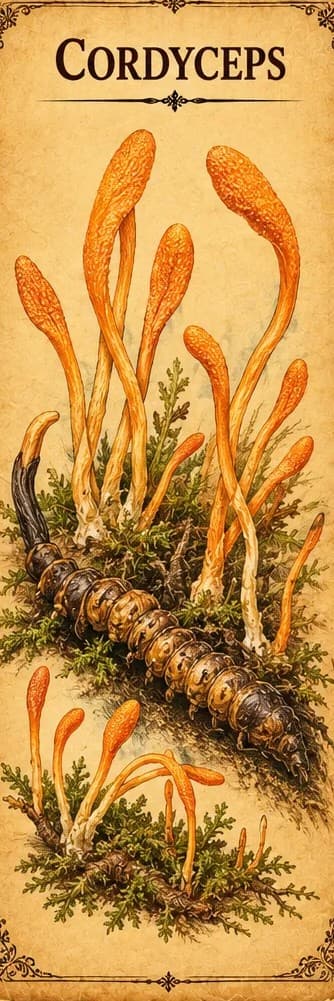
Botanical illustration of Cordyceps

Cordyceps

Ophiocordyceps sinensis

The Chinese caterpillar fungus, used for over 700 years as a lung and kidney tonic. Low-quality Chinese trials suggest cultured cordyceps products may help people with kidney disease on dialysis.

No. 062Medicinal
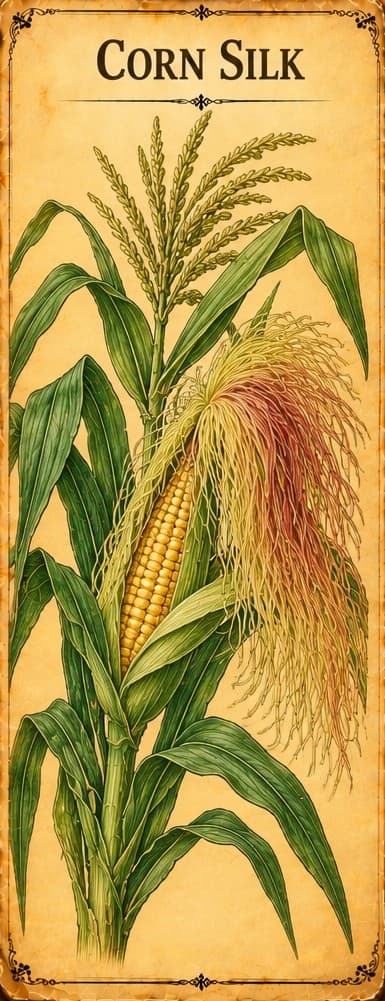
Botanical illustration of Corn Silk

Corn Silk

Zea mays

The silky threads of the corn plant, used in traditional Chinese medicine since at least 1476 to increase urination and reduce swelling. Lab and animal studies suggest it may affect blood sugar, blood fats and blood pressure.

No. 063Medicinal
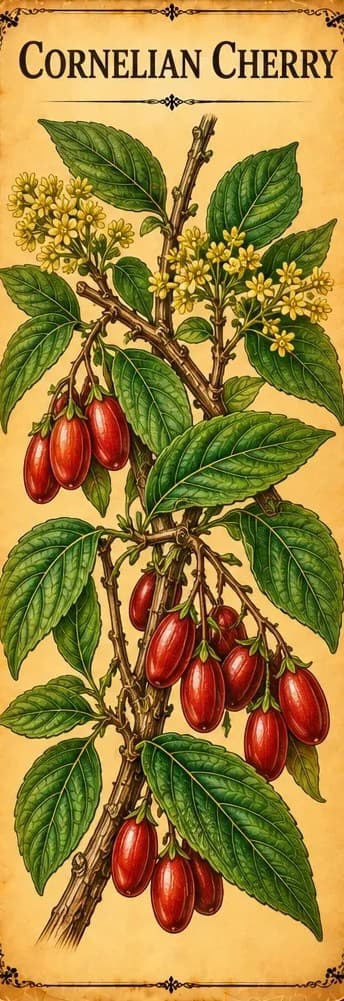
Botanical illustration of Cornelian Cherry

Cornelian Cherry

Cornus officinalis

Shan zhu yu, the sour fruit of an Asian dogwood, used in Chinese medicine for about 2,000 years as a liver and kidney tonic and for dizziness, ringing in the ears, frequent urination and heavy sweating. Research so far is in the lab and in animals.

No. 064Medicinal
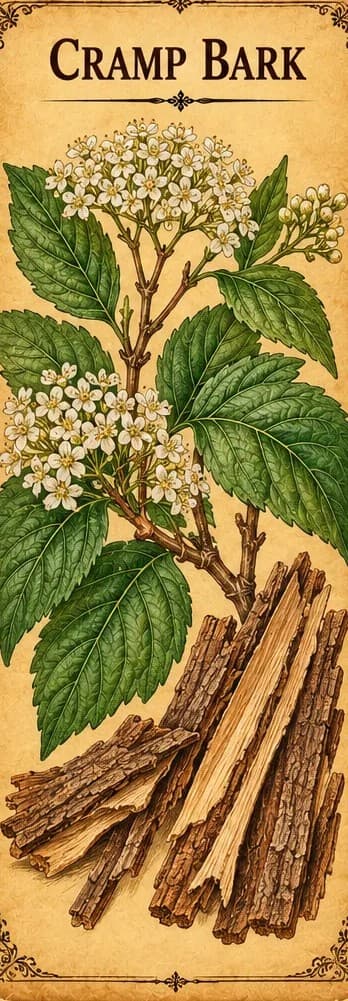
Botanical illustration of Cramp Bark

Cramp Bark

Viburnum opulus

The bark of the guelder rose, traditionally used for bleeding from the stomach or uterus and for haemorrhoids; the plant is used for coughs, colds and kidney problems. Research is in the lab and in animals.

No. 065Medicinal
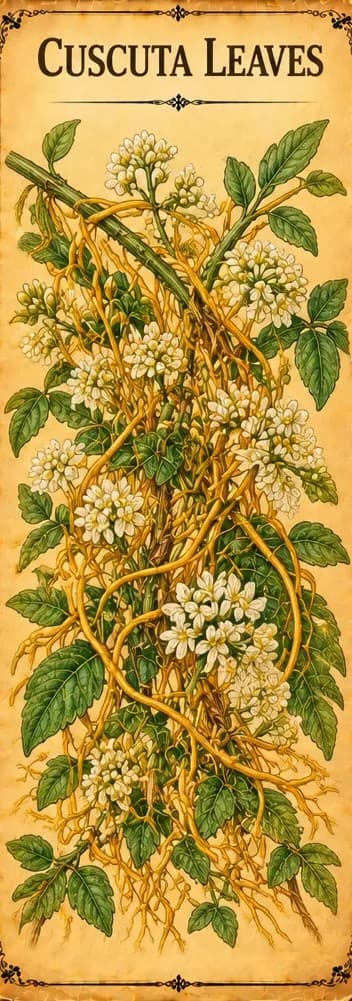
Botanical illustration of Cuscuta

Cuscuta

Cuscuta chinensis

Dodder, a leafless-looking parasitic vine. Its seed, tu si zi, is a top-grade Chinese tonic for the liver and kidneys, eyesight, fertility and keeping pregnancies stable.

No. 066Medicinal
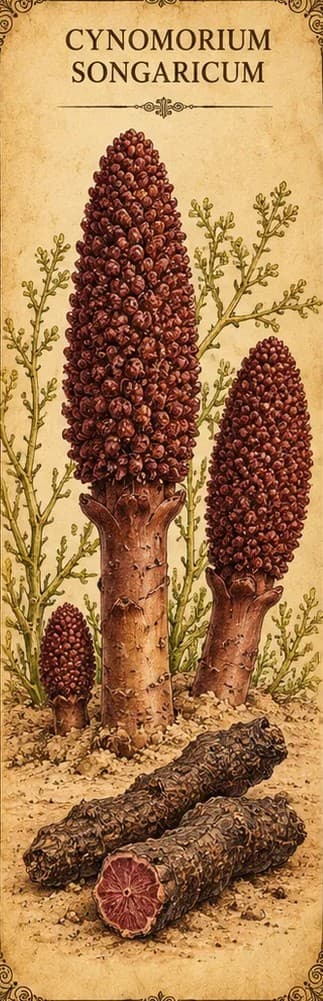
Botanical illustration of Cynomorium Songaricum

Cynomorium Songaricum

Cynomorium songaricum

Suo yang, a parasitic desert plant used in Chinese medicine to "tonify kidney yang" and enrich the blood. Lab and animal studies suggest effects on metabolism.

No. 067Medicinal
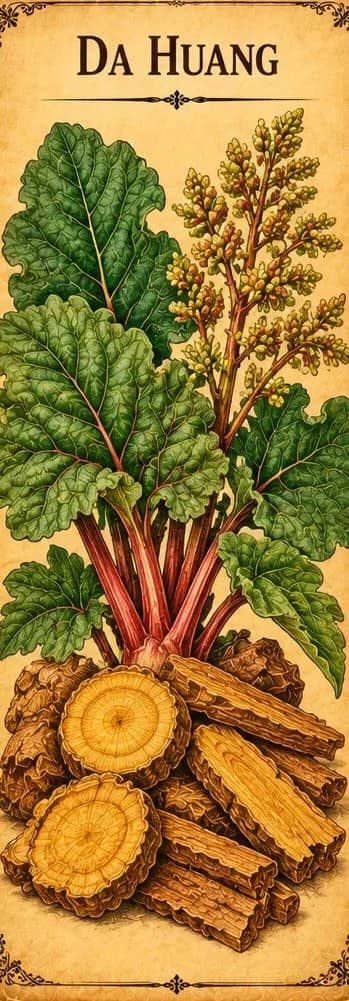
Botanical illustration of Da Huang

Da Huang

Rheum palmatum

Chinese rhubarb root, a Chinese medicine used for thousands of years as a purgative, and accepted in the EU as a stimulant laxative for occasional constipation, for no more than a week.

No. 068Medicinal
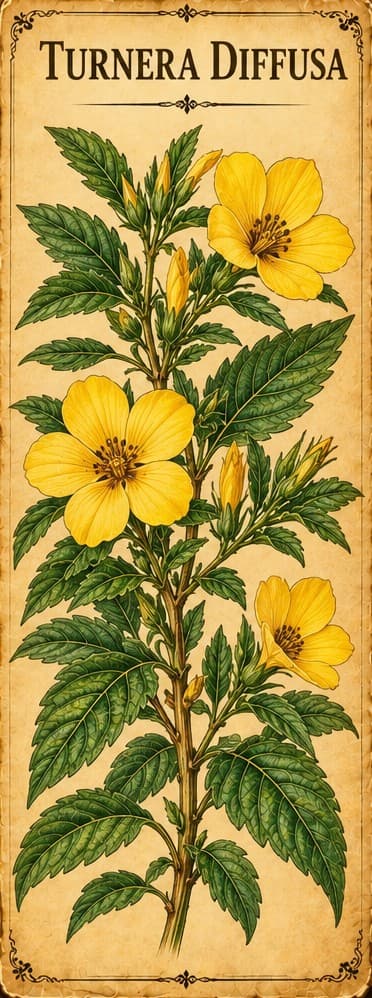
Botanical illustration of Damiana

Damiana

Turnera diffusa

A plant used in folk medicine as an aphrodisiac. Lab and animal studies suggest effects on sexual function, but it hasn't been tested on its own in people.

No. 069Medicinal
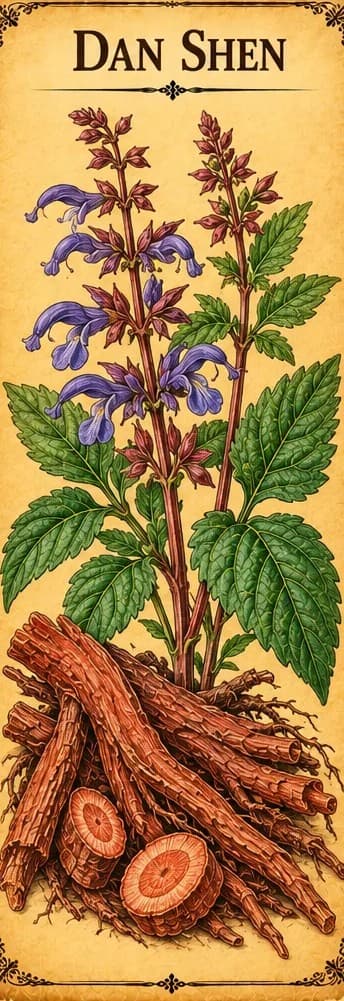
Botanical illustration of Dan Shen

Dan Shen

Salvia miltiorrhiza

The root of Salvia miltiorrhiza, widely used in Chinese medicine for the heart and circulation. Small trials suggest possible heart benefits, but it raises bleeding risk with blood thinners.

No. 070Medicinal
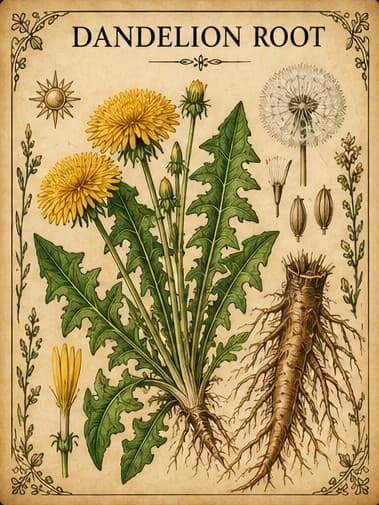
Botanical illustration of Dandelion

Dandelion

Taraxacum officinale

A plant whose root and leaves have long been used for indigestion and, historically, for problems with bile flow. There is very little research on it in people.

No. 071Medicinal
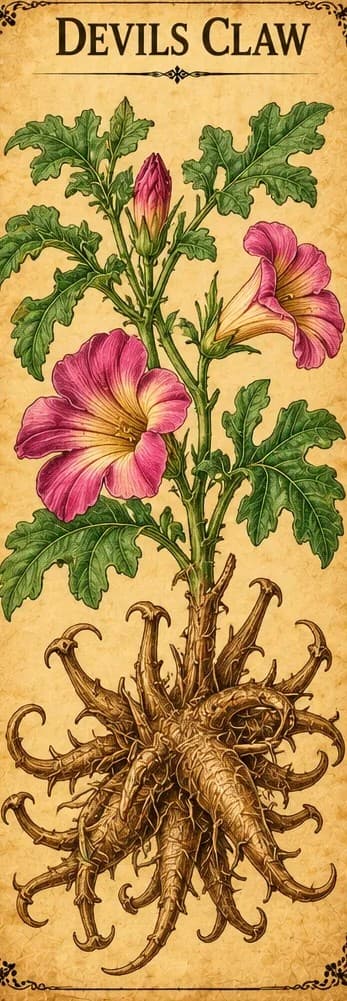
Botanical illustration of Devil's Claw

Devil's Claw

Harpagophytum procumbens

A southern African root recognised in the EU as a traditional medicine for minor joint pain and mild digestive problems. Trials of variable quality suggest it helps osteoarthritis and back pain.

No. 072Medicinal
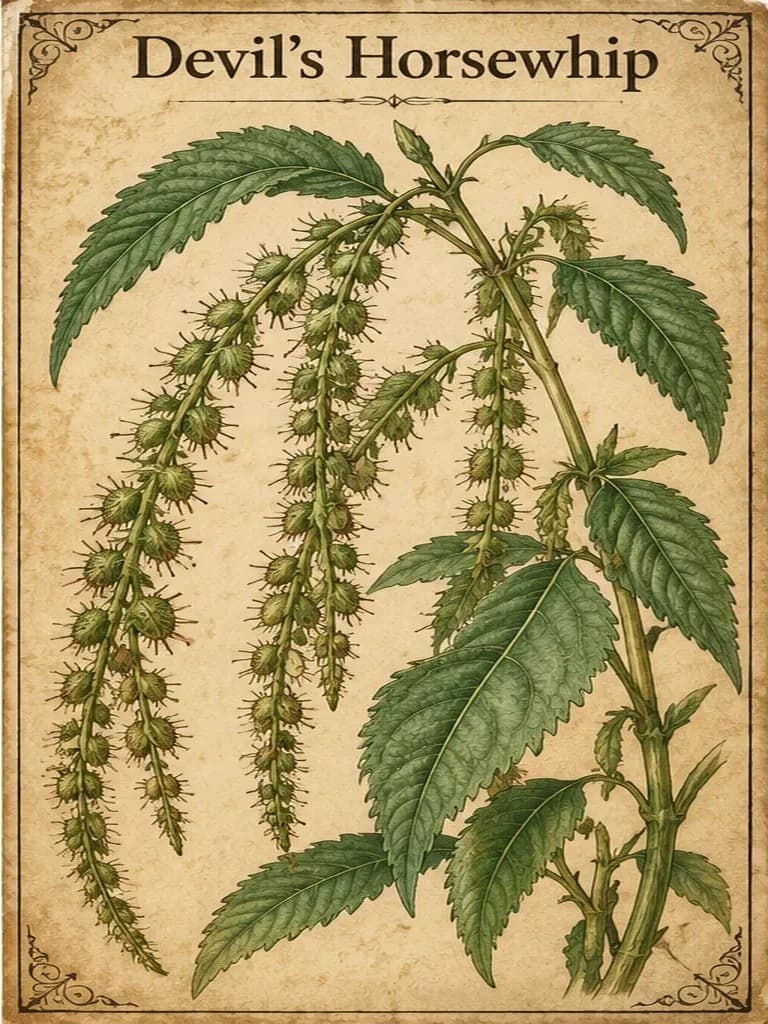
Botanical illustration of Devil's Horsewhip

Devil's Horsewhip

Achyranthes aspera

Prickly chaff flower, a weedy plant used in folk medicine around the world, including for menstrual problems and fertility control. Research so far is in lab and animal studies.

No. 073Medicinal
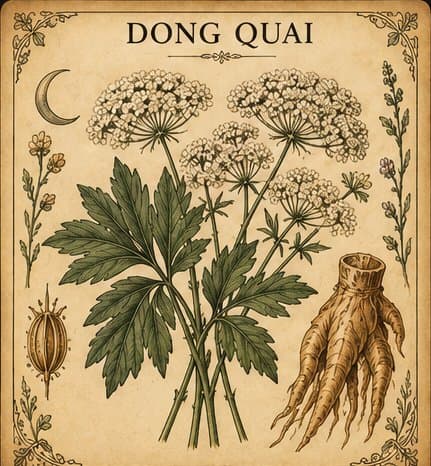
Botanical illustration of Dong Quai

Dong Quai

Angelica sinensis

A root that is one of the most widely used herbs in traditional Chinese medicine for women's health, including period pain and menopause.
No. 074Medicinal
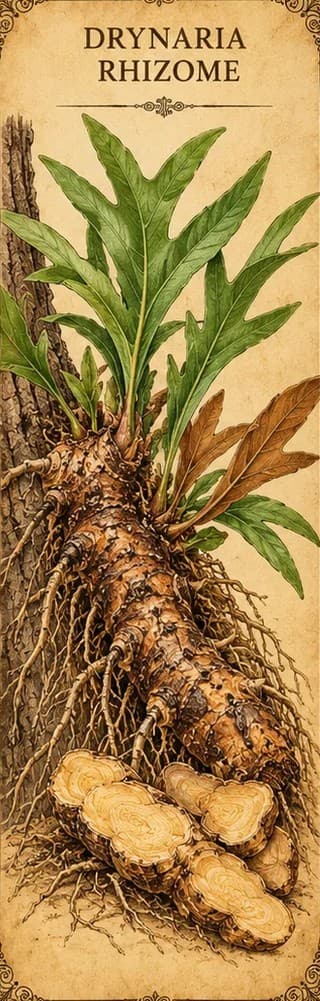
Botanical illustration of Drynaria Rhizome

Drynaria Rhizome

Drynaria fortunei

Gu sui bu, the rhizome of a fern used in Chinese medicine to prevent and treat bone diseases such as osteoporosis. In rats it helped bone formation.

No. 075Medicinal
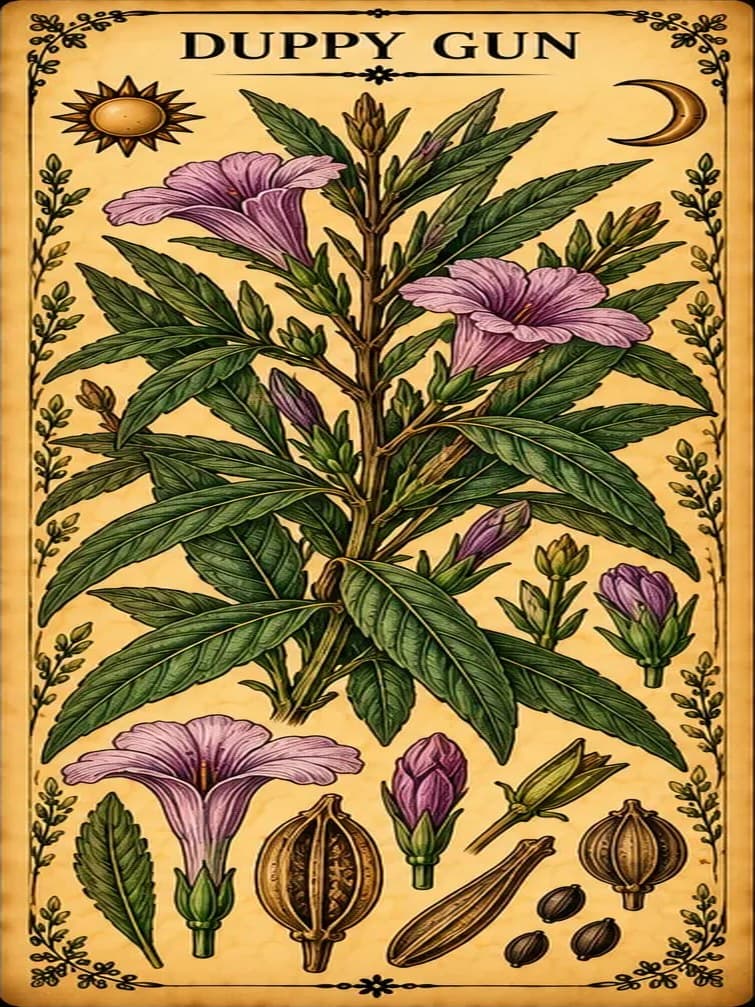
Botanical illustration of Duppy Gun

Duppy Gun

Ruellia tuberosa

Ruellia tuberosa, also called Mexican bluebell, a folk medicine for diabetes in Asia. It lowered blood sugar in diabetic rats but hasn't been tested in people.

No. 076Medicinal
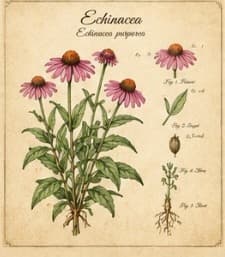
Botanical illustration of Echinacea

Echinacea

Echinacea purpurea

A purple coneflower traditionally used to support the immune system, especially for colds.

No. 077Medicinal
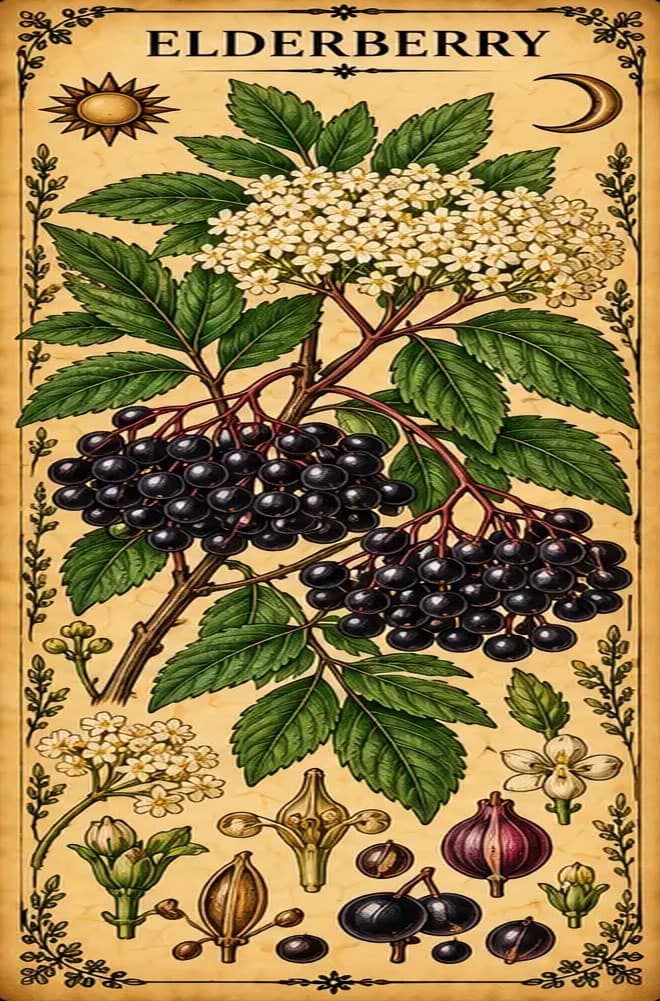
Botanical illustration of Elderberry

Elderberry

Sambucus nigra

The European elder, whose berries are used in folk medicine for colds and flu and whose flowers are recognized in Europe for early cold symptoms. Raw berries, leaves and stems are poisonous.

No. 078Medicinal
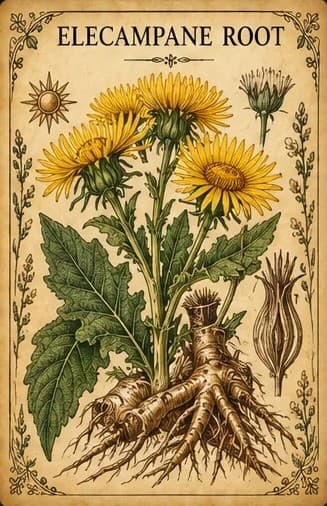
Botanical illustration of Elecampane

Elecampane

Inula helenium

A root used for centuries in European medicine, including medieval Ireland, for coughs, bronchitis and other chest complaints. Germany's Commission E didn't approve it, citing weak evidence and possible side effects.

No. 079Medicinal
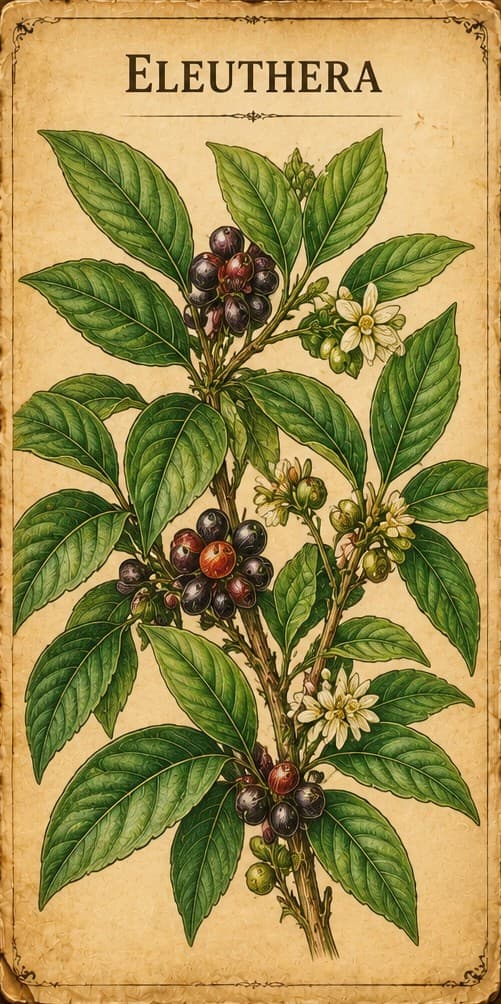
Botanical illustration of Eleuthera

Eleuthera

Croton eluteria

The bitter, aromatic bark of a small Bahamian tree, also called cascarilla. It was once a standard medicine for indigestion, gas, diarrhea and vomiting, and is now mainly a flavoring for drinks.

No. 080Medicinal
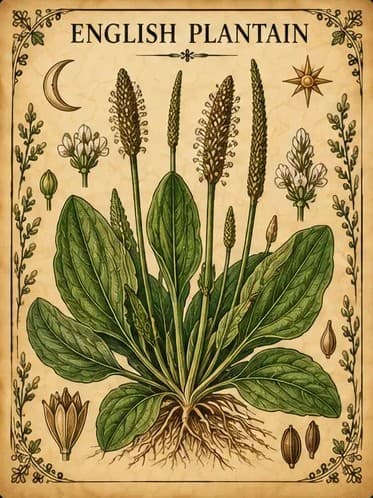
Botanical illustration of English Plantain

English Plantain

Plantago lanceolata

A plant (also called ribwort plantain) whose leaves are recognized in Europe as a traditional medicine for coughs, sore throats and minor skin inflammation.

No. 081Medicinal
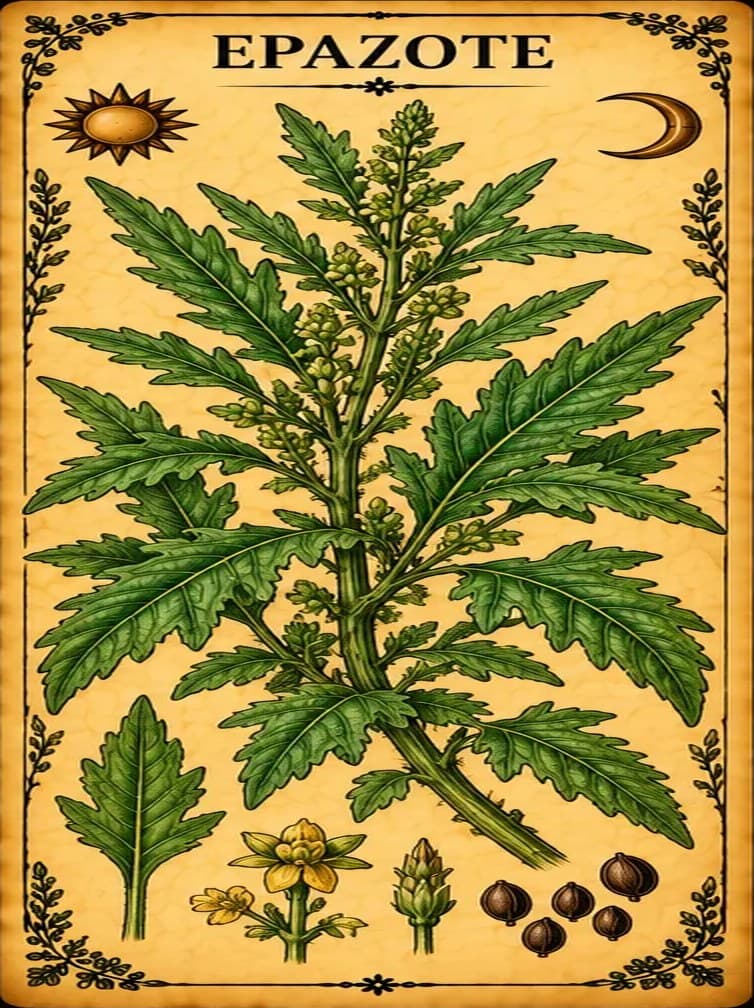
Botanical illustration of Epazote

Epazote

Dysphania ambrosioides

An herb used in Jamaican and Latin American folk medicine against worms. It can cause serious, even deadly, poisoning, especially in children.

No. 082Medicinal
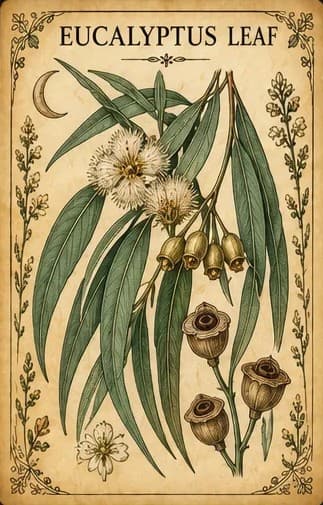
Botanical illustration of Eucalyptus

Eucalyptus

Eucalyptus globulus

Leaves of the eucalyptus tree, taken as tea or inhaled in steam, and recognized in Europe as a traditional medicine for cough with a cold.

No. 083Medicinal
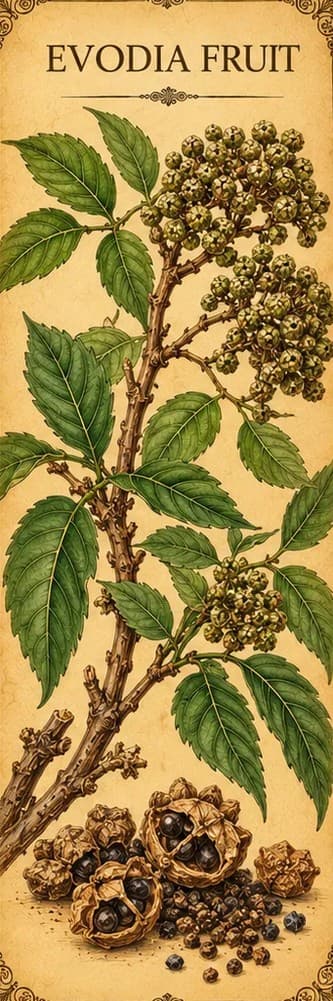
Botanical illustration of Evodia Fruit

Evodia Fruit

Tetradium ruticarpum

Wu zhu yu, a Chinese medicine fruit used to dispel cold, relieve pain and stop vomiting and diarrhoea, including for headache and period pain. It's mildly toxic and has caused liver damage.

No. 084Medicinal
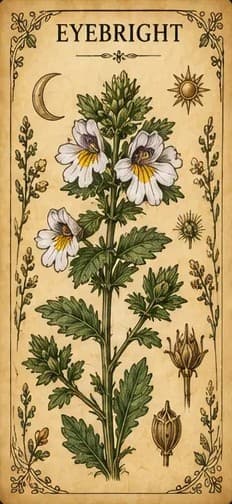
Botanical illustration of Eyebright

Eyebright

Euphrasia officinalis

A plant traditionally used on the eyes and in nasal ointments for colds. European regulators declined to approve it because its benefits aren't documented and home-made eye washes aren't safe.

No. 085Medicinal
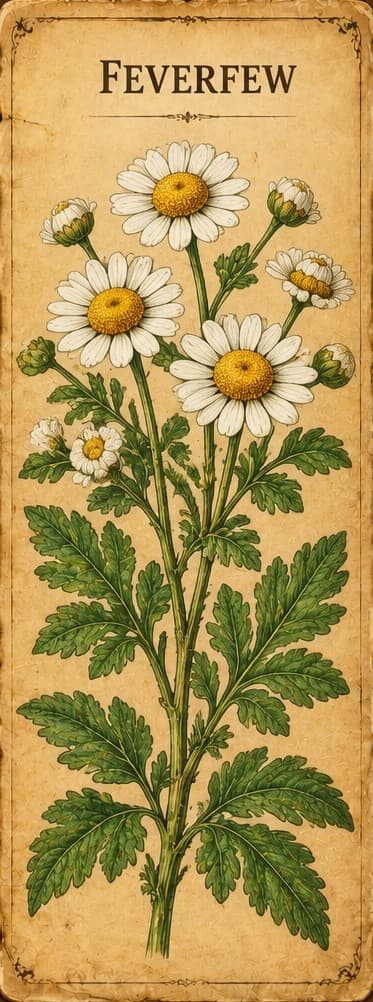
Botanical illustration of Feverfew

Feverfew

Tanacetum parthenium

A daisy-like herb recognised in Europe as a traditional remedy to help prevent migraines. Research results are mixed. Don't take it during pregnancy.

No. 086Medicinal
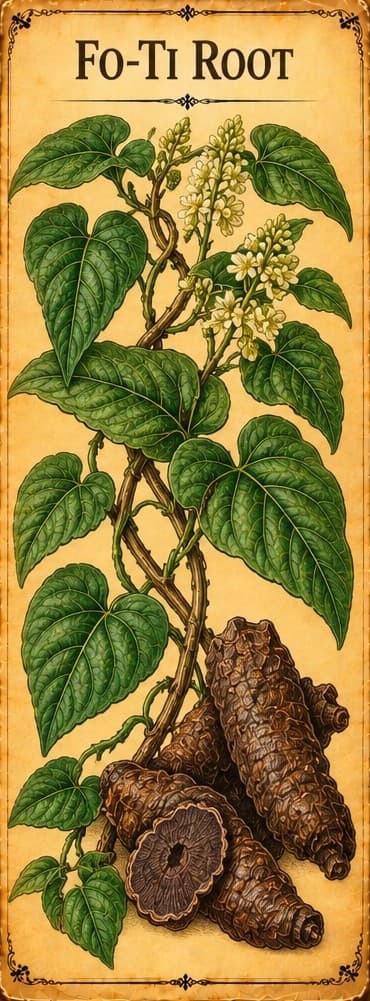
Botanical illustration of Fo-Ti

Fo-Ti

Reynoutria multiflora

He shou wu, a popular Chinese root traditionally taken to darken graying hair, as an anti-ageing tonic, and for dizziness and constipation. Hundreds of cases of liver injury have been linked to it, a few of them fatal.

No. 087Medicinal
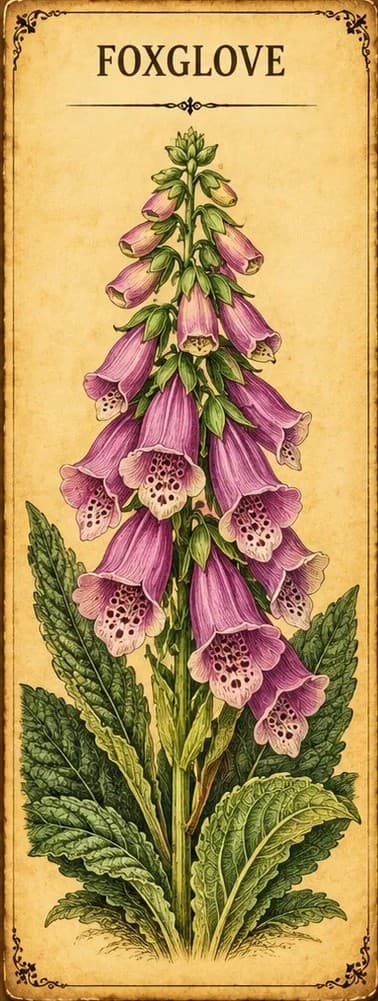
Botanical illustration of Foxglove

Foxglove

Digitalis purpurea

A tall garden flower and the source of digitalis heart medicines. All parts of the plant are poisonous and affect the heart.

No. 088Medicinal
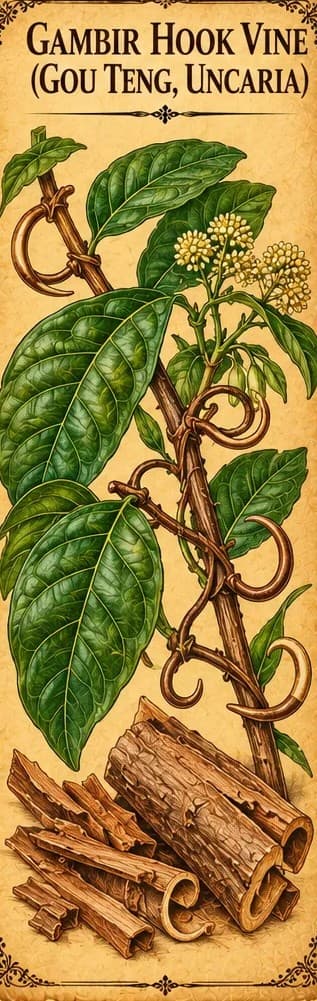
Botanical illustration of Gambir Hook Vine

Gambir Hook Vine

Uncaria rhynchophylla

Gou teng, the hooked stems of a climbing shrub used in Chinese medicine for over 1,500 years for convulsions, tremors, and high blood pressure with headache and dizziness.

No. 089Medicinal
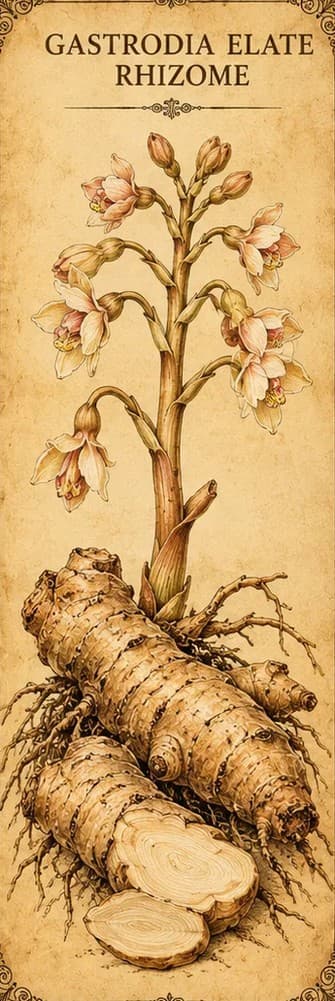
Botanical illustration of Gastrodia Elata Rhizome

Gastrodia Elata Rhizome

Gastrodia elata

Tian ma, the tuber of an orchid recorded over 2,000 years ago and used in Chinese medicine for headache, dizziness, high blood pressure and stroke. Research is mostly in the lab and in animals.

No. 090Medicinal
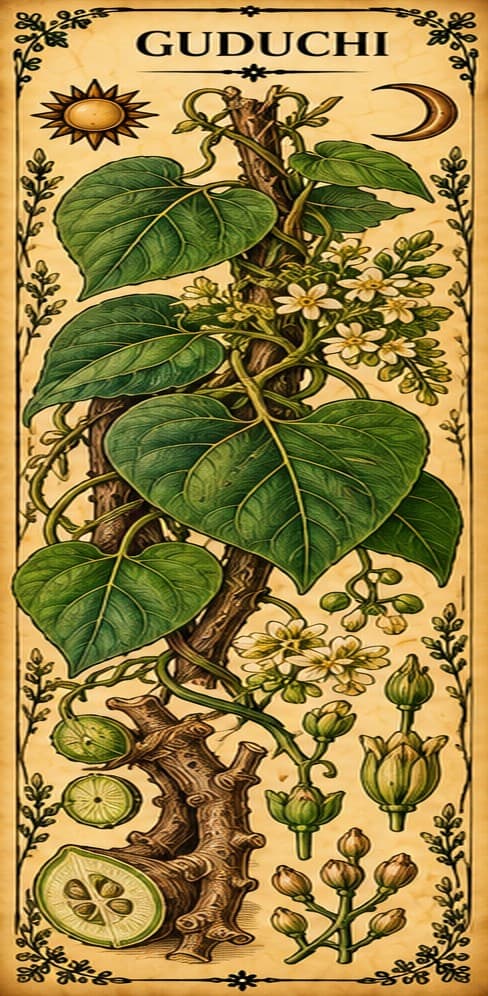
Botanical illustration of Giloy (Guduchi)

Giloy (Guduchi)

Tinospora cordifolia

An Ayurvedic climbing vine promoted in India as an immunity booster, including during COVID-19. Cases of liver injury have been reported, though some may involve a look-alike plant.

No. 091Medicinal
Botanical illustration of Ginger

Ginger

Zingiber officinale

A spicy, warming root traditionally used for nausea and inflammation. Research suggests it may help with nausea during pregnancy.

No. 092Medicinal
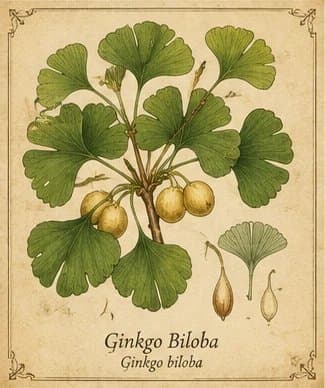
Botanical illustration of Ginkgo

Ginkgo

Ginkgo biloba

Leaves of the ginkgo tree, sometimes called the fossil tree, traditionally used in Europe for minor circulation problems and in Chinese medicine for cough.

No. 093Medicinal
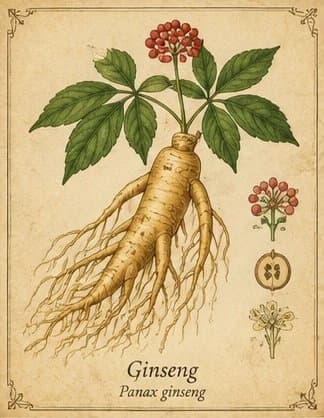
Botanical illustration of Ginseng

Ginseng

Panax ginseng

A root long used in traditional Chinese medicine as a calming herb and an adaptogen. Research on its effects is mixed.

No. 094Medicinal
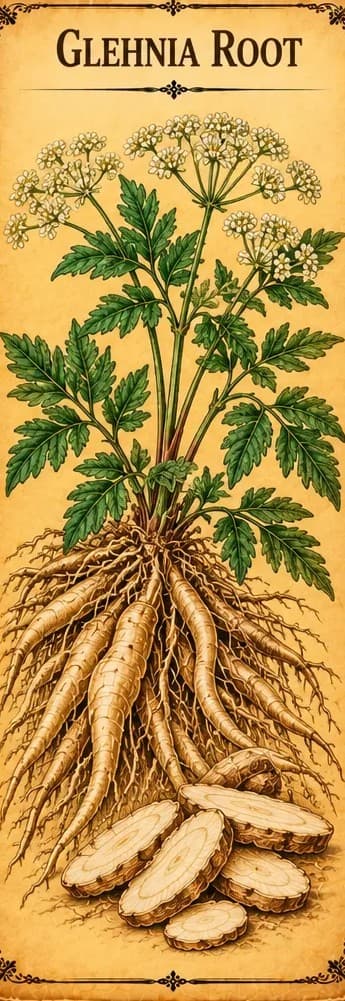
Botanical illustration of Glehnia Root

Glehnia Root

Glehnia littoralis

Bei sha shen, a root recorded in the Shennong Herbal Classic and used to clear the lungs, ease dry cough and dry mouth, and help the stomach.

No. 095Medicinal
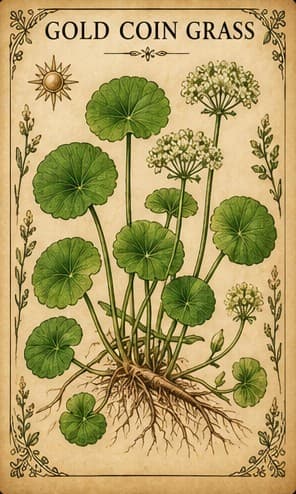
Botanical illustration of Gold Coin Grass

Gold Coin Grass

Lysimachia christinae, Desmodium styracifolium

A name used in traditional Chinese medicine for two plants, Lysimachia christinae (jin qian cao) and Desmodium styracifolium (guang jin qian cao). Both are used for gallstones and urinary stones; a large trial found a Desmodium extract helped small stones pass.

No. 096Medicinal
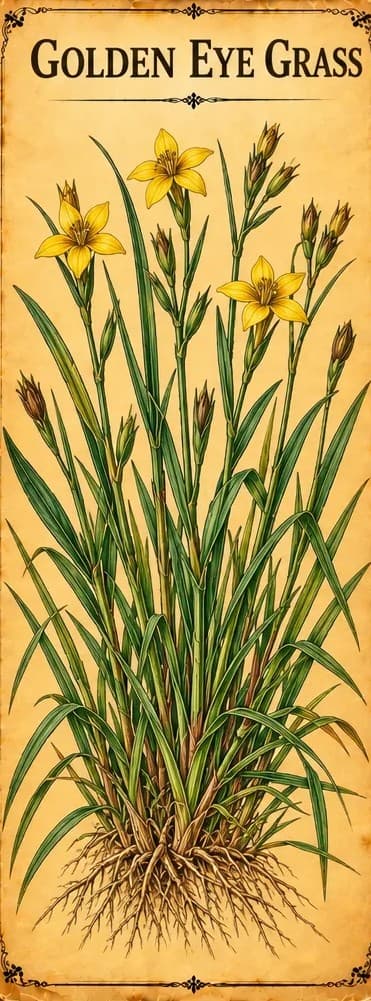
Botanical illustration of Golden Eye Grass

Golden Eye Grass

Curculigo orchioides

Kali musli or xian mao, an endangered herb valued in Ayurveda and Chinese medicine as a tonic and aphrodisiac, and used for rheumatic conditions. Research so far is in the lab and in animals.

No. 097Medicinal
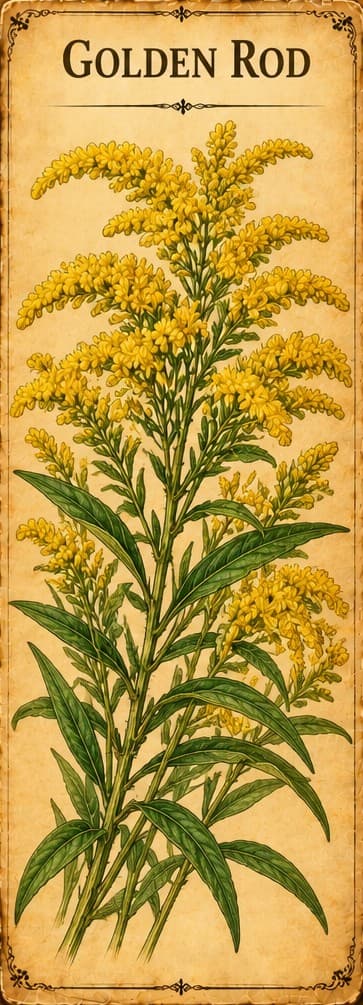
Botanical illustration of Goldenrod

Goldenrod

Solidago virgaurea

European goldenrod, recognised in Europe as a traditional remedy to increase urine flow alongside treatment for minor urinary complaints.

No. 098Medicinal
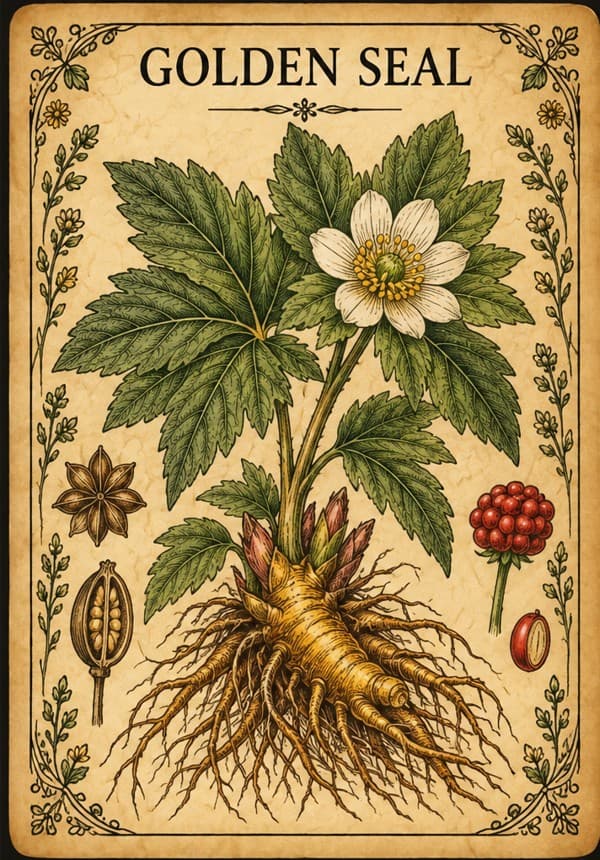
Botanical illustration of Goldenseal

Goldenseal

Hydrastis canadensis

A North American plant with a bright yellow root, used by Native Americans on wounds and for skin and eye conditions. There isn't enough research to know whether it helps any health condition.

No. 099Medicinal
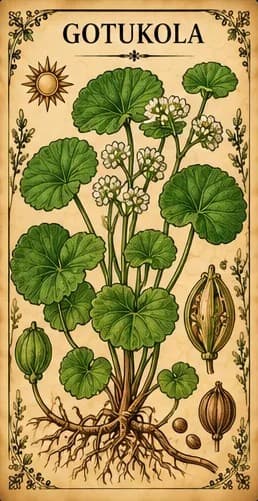
Botanical illustration of Gotu Kola

Gotu Kola

Centella asiatica

A plant used in traditional medicine for circulation, wounds and memory. Small studies suggest possible benefits for anxiety and thinking, but the evidence isn't strong.

No. 100Medicinal
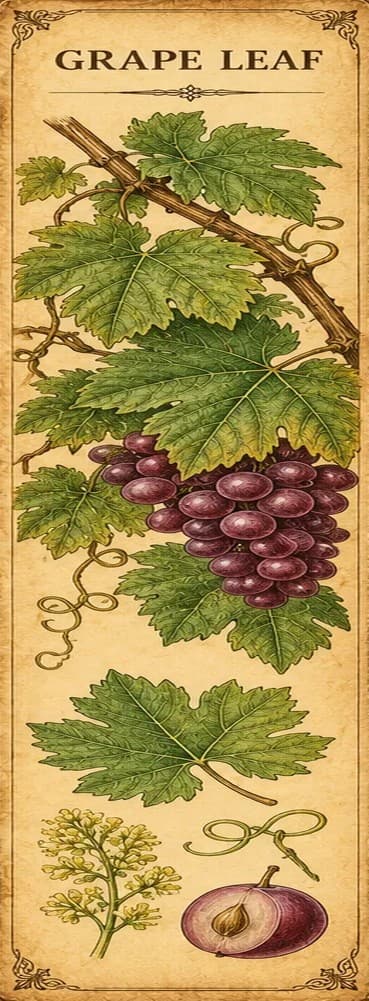
Botanical illustration of Grape Leaf

Grape Leaf

Vitis vinifera

Grapevine leaf, recognized in Europe as a medicine for long-term poor circulation in the leg veins, with swollen, heavy legs and varicose veins.

No. 101Medicinal
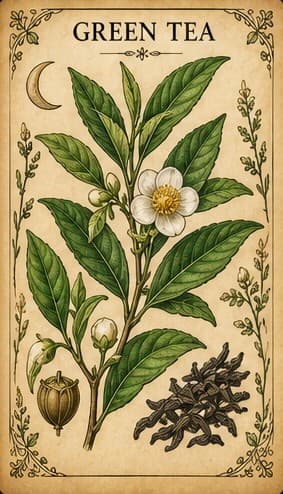
Botanical illustration of Green Tea

Green Tea

Camellia sinensis

Unfermented leaves of the tea plant, drunk for thousands of years. Drinking the tea is considered safe, but concentrated green tea extract supplements have rarely caused serious liver damage.

No. 102Medicinal
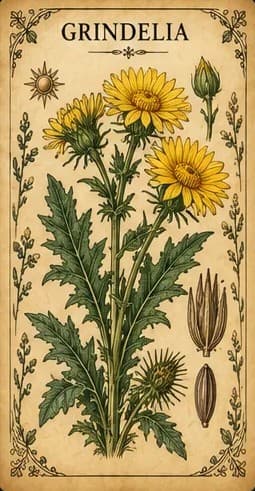
Botanical illustration of Grindelia

Grindelia

Grindelia robusta

Gumweed, a daisy-family plant whose above-ground parts are recognized in Europe as a traditional medicine for cough with a cold in adults.

No. 103Medicinal
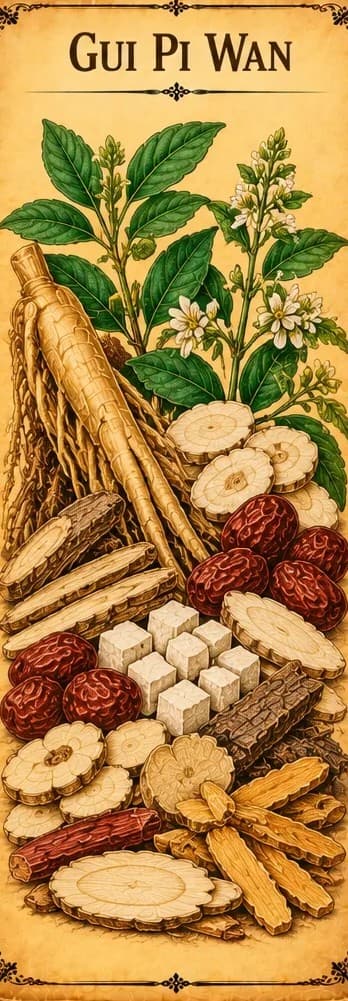
Botanical illustration of Gui Pi Wan

Gui Pi Wan

Panax ginseng, Astragalus membranaceus, Angelica sinensis and 9 other herbs
A classical 12-herb Chinese formula used to tonify qi and blood, for palpitations, forgetfulness, insomnia, poor appetite and tiredness. Small Chinese trials suggest it may help heart failure and anaemia alongside standard treatment.

No. 104Medicinal
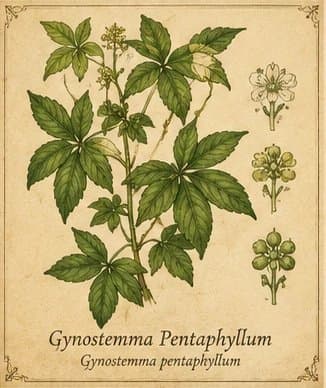
Botanical illustration of Gynostemma

Gynostemma

Gynostemma pentaphyllum

A plant from the cucumber family, known in China as jiaogulan and used in traditional medicine and teas. It has been studied for lowering cholesterol.

No. 105Medicinal
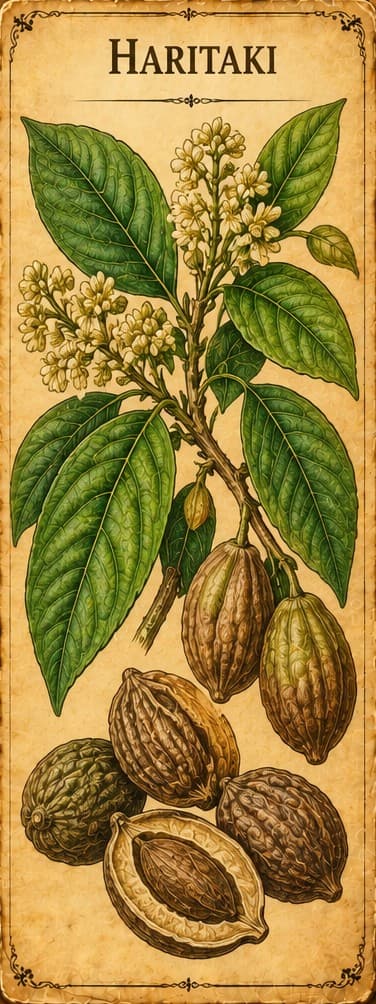
Botanical illustration of Haritaki

Haritaki

Terminalia chebula

The dried fruit of the chebulic myrobalan tree, called the "king of Tibetan medicines" and one of the three fruits in Triphala. It's used for constipation, digestion, coughs and dental health.

No. 106Medicinal
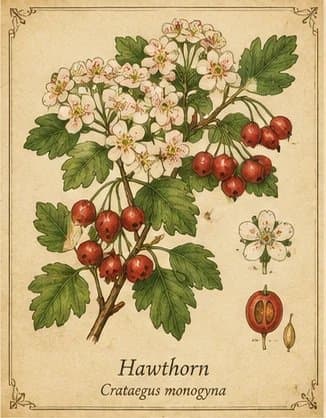
Botanical illustration of Hawthorn

Hawthorn

Crataegus monogyna

A flowering shrub of the rose family, traditionally used for the heart. Recognized in Europe for nervous heart complaints such as palpitations.

No. 107Medicinal
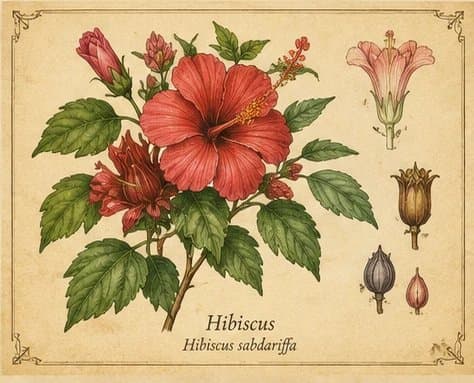
Botanical illustration of Hibiscus

Hibiscus

Hibiscus sabdariffa

The tart red calyces of this flower are made into a tea known as roselle or sour tea. Reviews of trials suggest it may lower blood pressure.

No. 108Medicinal
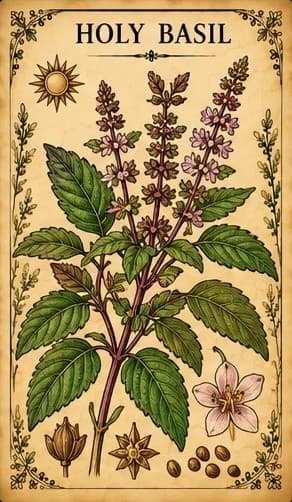
Botanical illustration of Holy Basil

Holy Basil

Ocimum tenuiflorum

Tulsi, a highly revered plant in India used in Ayurveda for stress, coughs, asthma and many other conditions. Small studies suggest it may ease stress and anxiety.

No. 109Medicinal
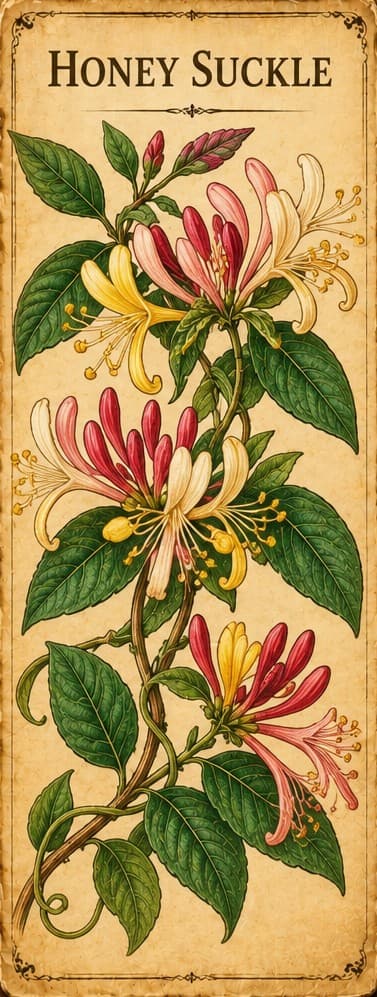
Botanical illustration of Honeysuckle

Honeysuckle

Lonicera japonica

Japanese honeysuckle, or jin yin hua, is a widely used herb in traditional Chinese medicine, taken for fevers, sore throats, skin sores and infections. Most research so far is in the lab and in animals.

No. 110Medicinal
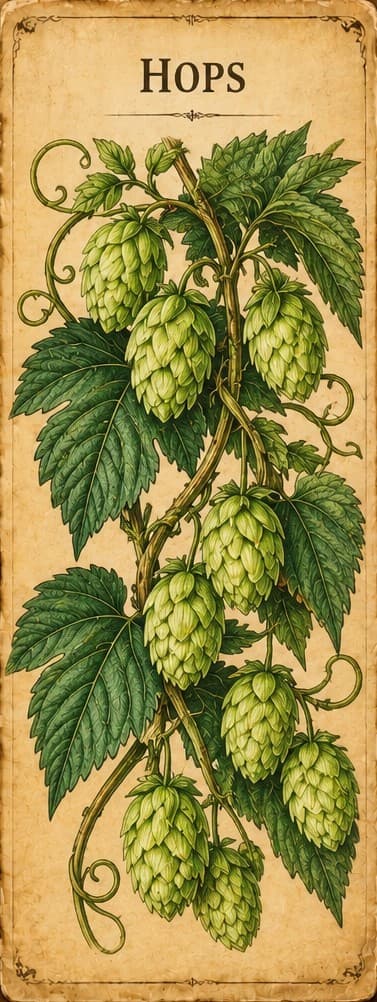
Botanical illustration of Hops

Hops

Humulus lupulus

The cone-like flowers of the hop vine, best known for flavoring beer. Recognised in Europe as a traditional remedy for mild stress and to help sleep.

No. 111Medicinal
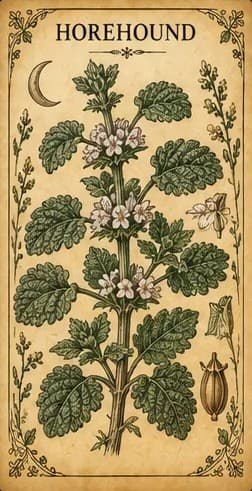
Botanical illustration of Horehound

Horehound

Marrubium vulgare

White horehound, a bitter mint-family herb recognized in Europe as a traditional medicine to help bring up phlegm with a cold, and for indigestion and poor appetite.

No. 112Medicinal
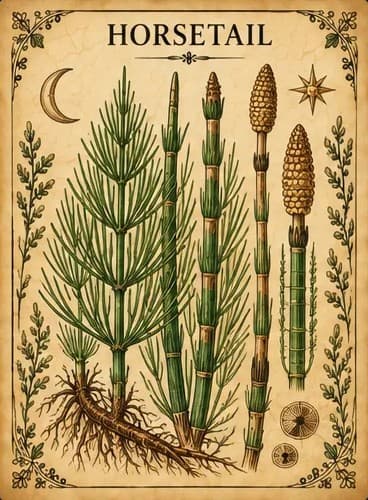
Botanical illustration of Horsetail

Horsetail

Equisetum arvense

A plant recognized in Europe as a traditional medicine for minor urinary complaints and, as a wash or dressing, for superficial wounds. One small trial found a horsetail ointment helped episiotomy wounds heal.

No. 113Medicinal
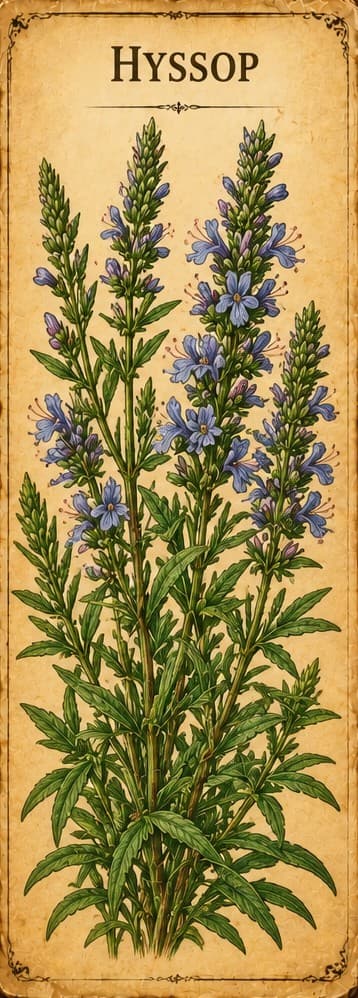
Botanical illustration of Hyssop

Hyssop

Hyssopus officinalis

A blue-flowered herb of the mint family, used for colds, coughs and poor appetite and as a flavoring. Its essential oil can cause seizures at high doses.

No. 114Medicinal
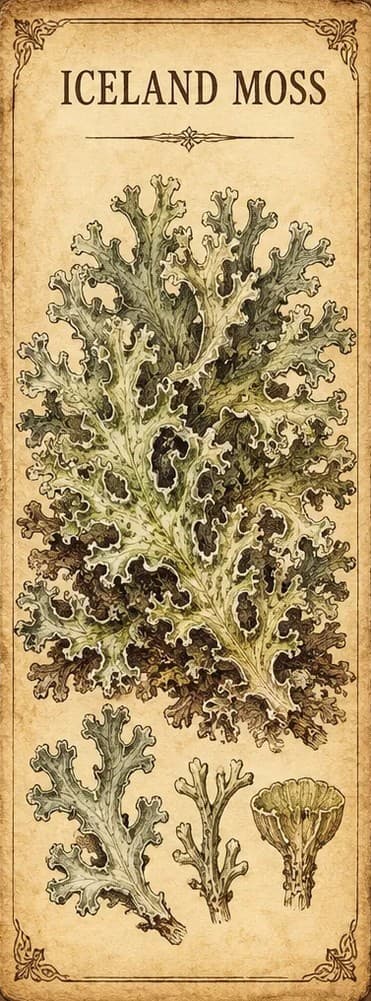
Botanical illustration of Iceland Moss

Iceland Moss

Cetraria islandica

A lichen, not a true moss, recognized in Europe as a traditional medicine to soothe throat irritation and dry cough, and for temporary loss of appetite.

No. 115Medicinal
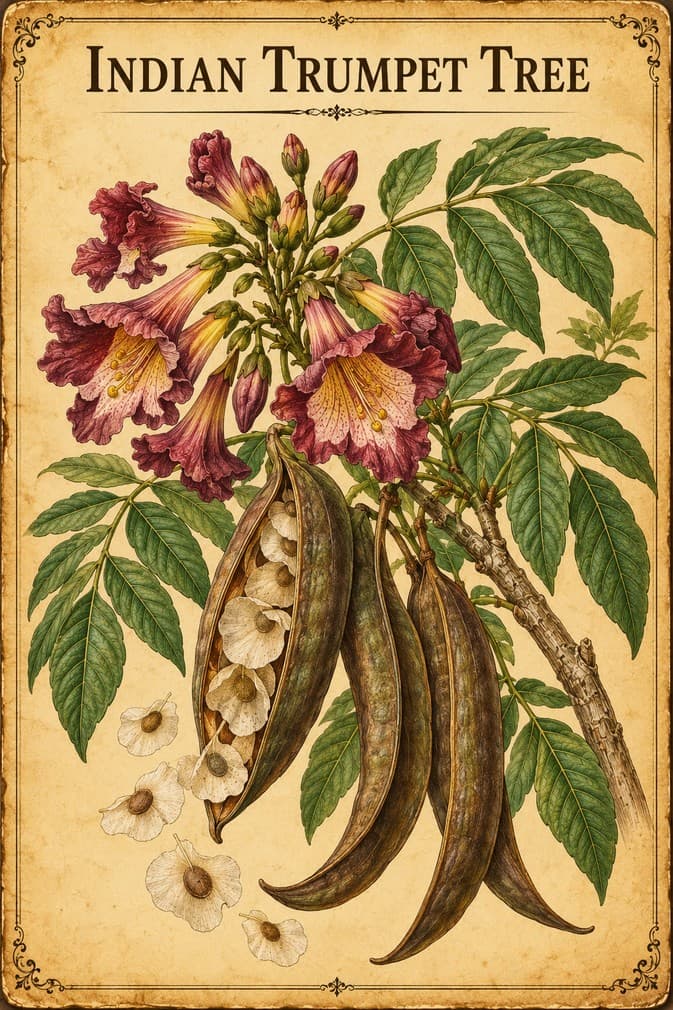
Botanical illustration of Indian Trumpet Tree

Indian Trumpet Tree

Oroxylum indicum

An Asian tree with huge sword-shaped seed pods, called shyonaka in Ayurveda, where its root bark and seeds are used for diarrhea, fever, coughs and joint pain. Its safety hasn't been studied in detail.

No. 116Medicinal
Botanical illustration of Isatis Root

Isatis Root

Isatis indigotica

Ban lan gen, a Chinese medicine root used for centuries for flu and viral infections, fever, cough and sore throat. Its compounds acted against viruses in lab studies.

No. 117Medicinal
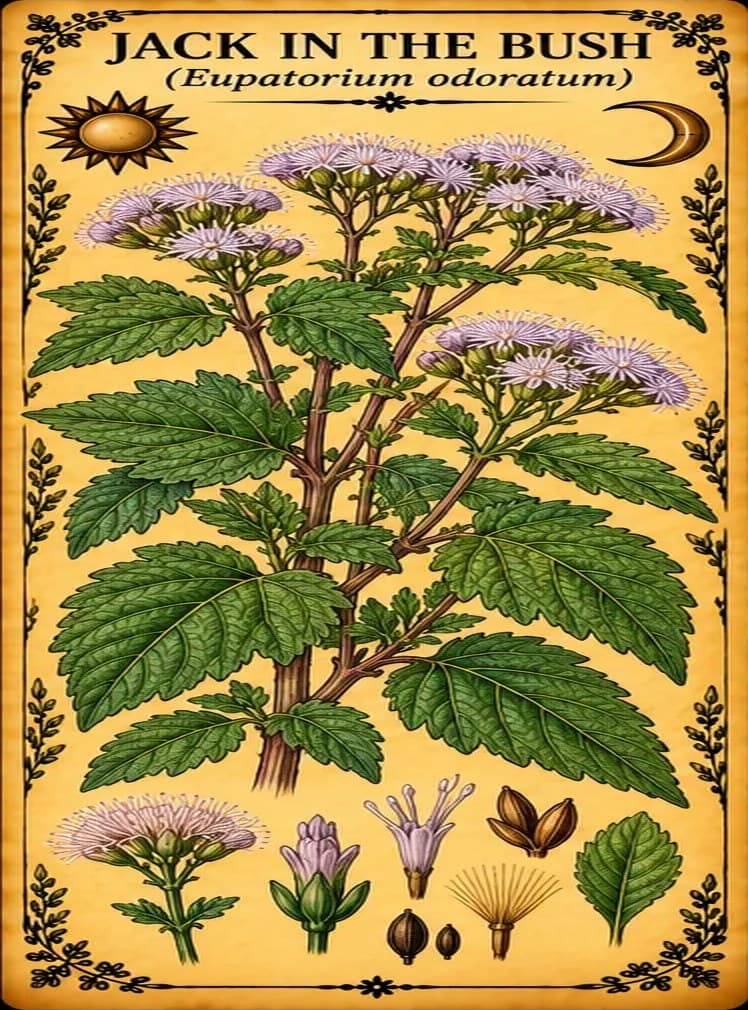
Botanical illustration of Jack in the Bush

Jack in the Bush

Chromolaena odorata

One of Jamaica's most popular bush teas for colds and flu, also used in Africa and Asia for fever, wounds and diabetes. Research so far is in the lab and in animals.

No. 118Medicinal
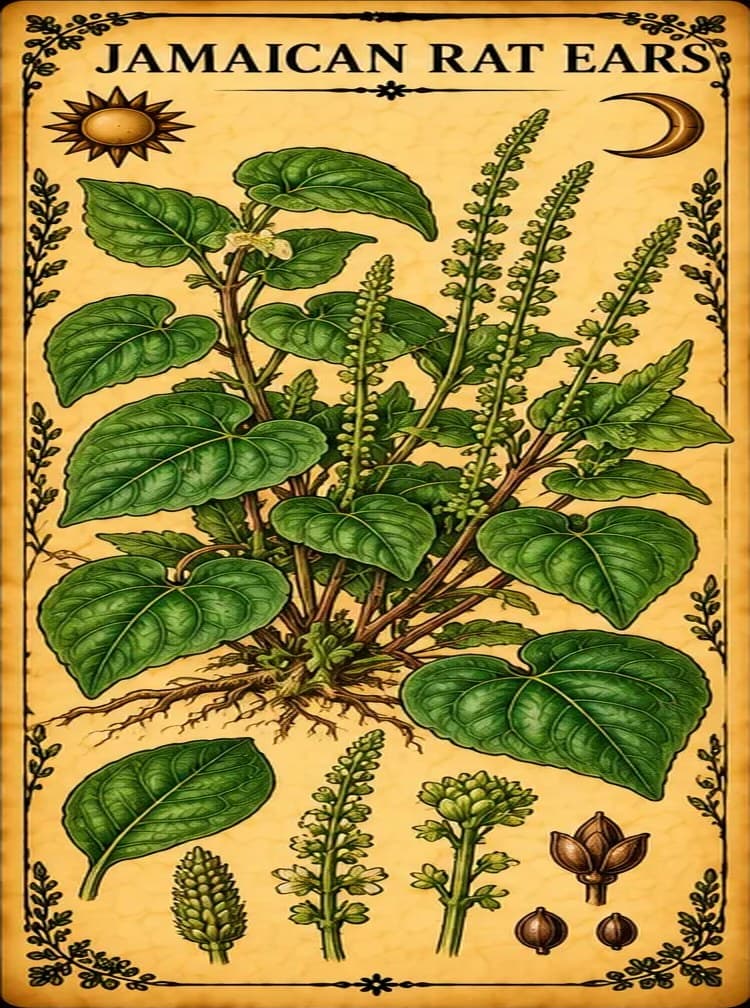
Botanical illustration of Jamaican Rat Ears

Jamaican Rat Ears

Peperomia pellucida

A small weed of damp, shady places, also called shining bush, used in Caribbean folk medicine as a cooling remedy and for skin sores. Research so far is limited and often weak.

No. 119Medicinal
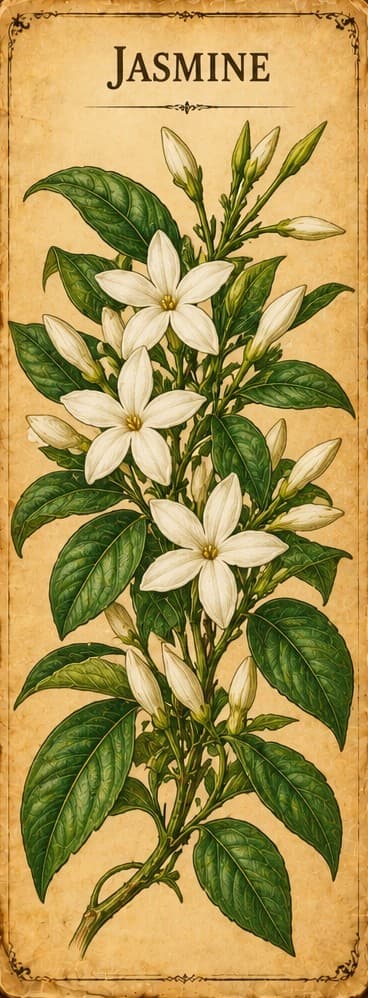
Botanical illustration of Jasmine

Jasmine

Jasminum sambac

Arabian jasmine, a fragrant white flower. Jasmine flowers placed on the breasts have been tested as a way to stop breast milk after childbirth, and a trial found they worked about as well as a standard medicine.

No. 120Medicinal
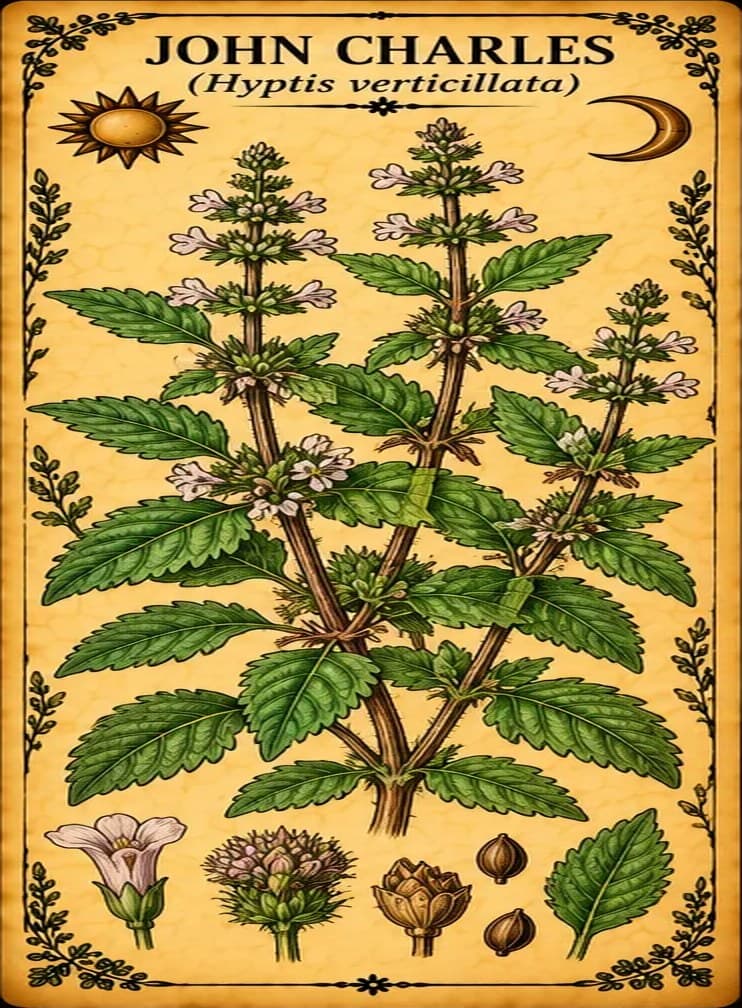
Botanical illustration of John Charles

John Charles

Hyptis verticillata

A Caribbean bush in the mint family, used since Maya and Aztec times for breathing, digestive, women's health and skin problems. It hasn't been tested in clinical trials.

No. 121Medicinal
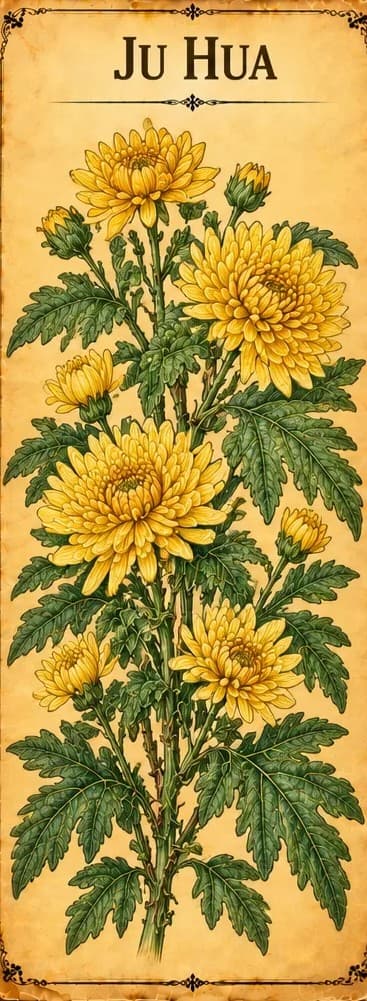
Botanical illustration of Ju Hua

Ju Hua

Chrysanthemum morifolium

Chrysanthemum flowers, drunk as tea in China for over 3,000 years and used in Chinese medicine for colds, dizziness, headaches and the eyes. It hasn't been tested on its own in clinical trials.

No. 122Medicinal
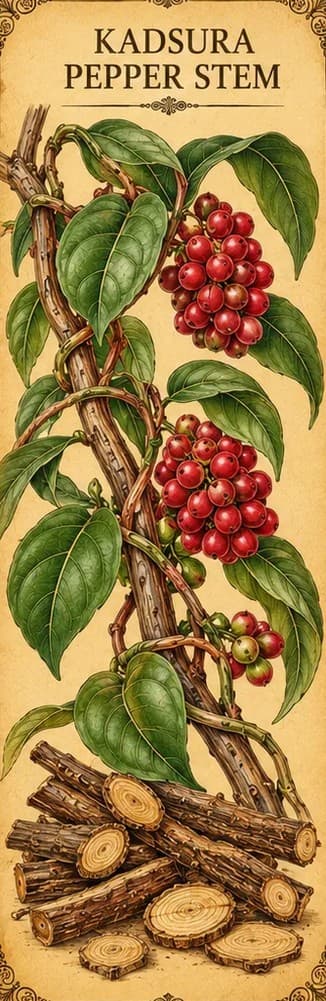
Botanical illustration of Kadsura Pepper Stem

Kadsura Pepper Stem

Piper kadsura

Hai feng teng, the stem of a pepper plant, used in East Asian medicine for over 2,000 years for rheumatism and joint pain.

No. 123Medicinal
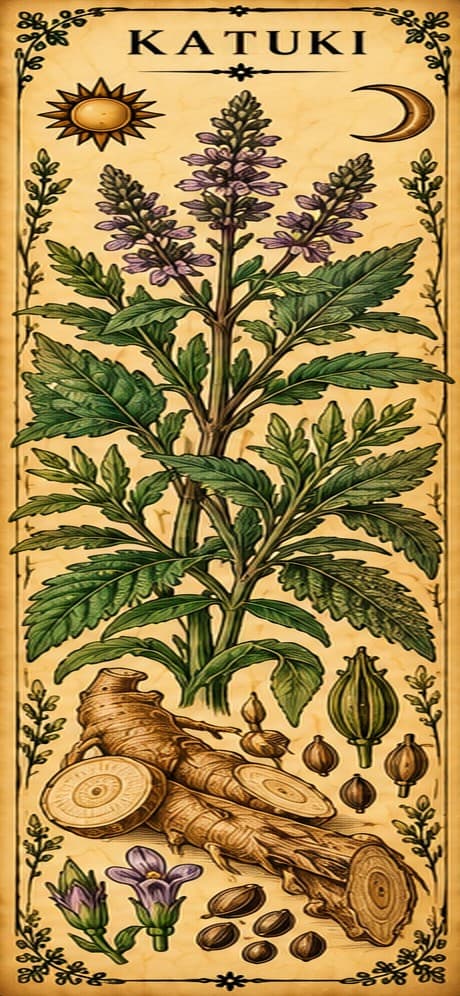
Botanical illustration of Katuki

Katuki

Picrorhiza kurroa

Kutki, a bitter root used in Ayurveda for thousands of years for fever, jaundice, the liver and breathing problems. It is now endangered in the wild.

No. 124Medicinal
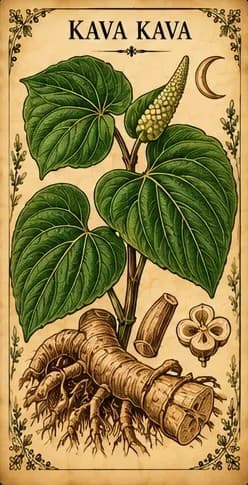
Botanical illustration of Kava

Kava

Piper methysticum

A root from the South Pacific, drunk in ceremonies for thousands of years. It may ease anxiety short term, but it has been linked to rare, sometimes fatal, liver damage.

No. 125Medicinal
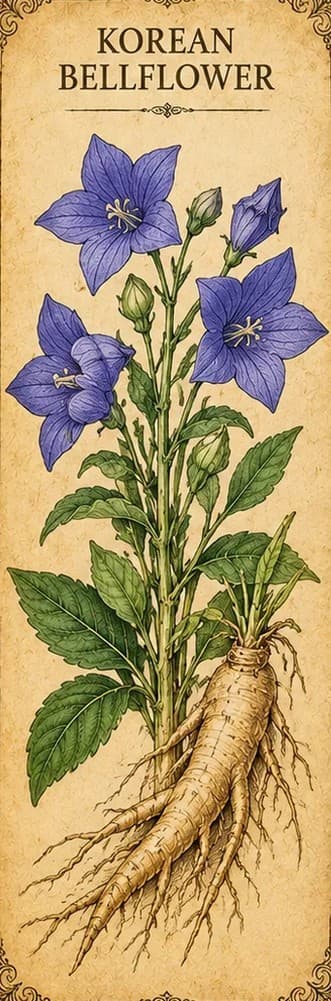
Botanical illustration of Korean Bellflower

Korean Bellflower

Platycodon grandiflorus

Jie geng or doraji, the root of the balloon flower, eaten as a vegetable and used since the Han Dynasty to clear phlegm, ease sore throats and treat cough.

No. 126Medicinal
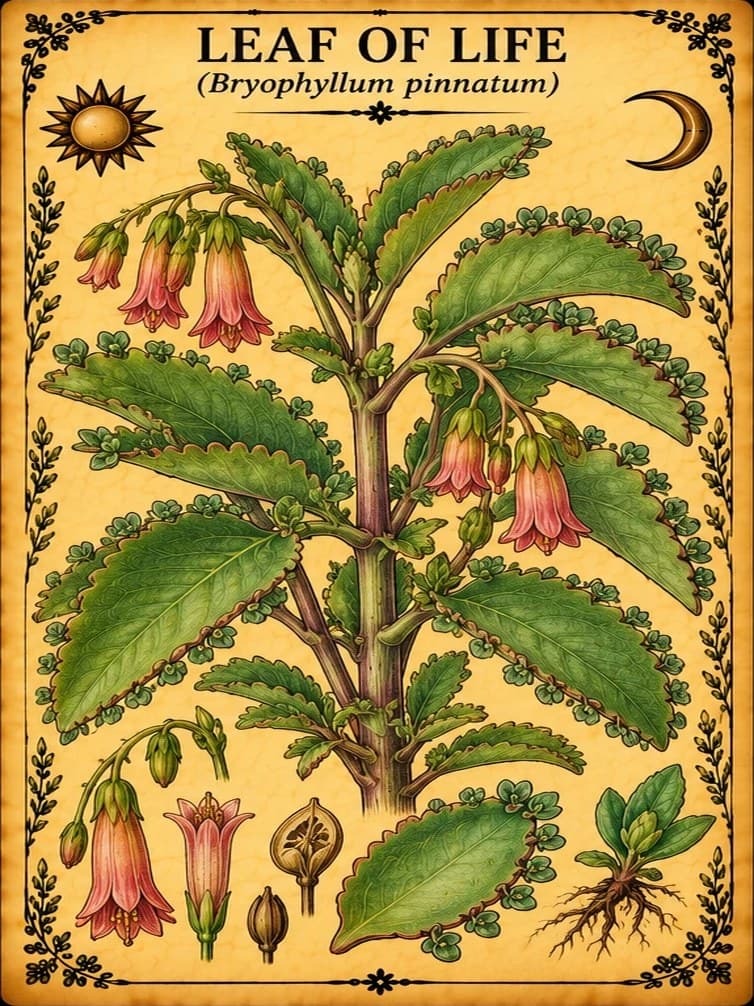
Botanical illustration of Leaf of Life

Leaf of Life

Bryophyllum pinnatum

One of Jamaica's most popular bush medicines, used for colds and flu. In Switzerland, tablets made from its leaf juice have been studied for overactive bladder and sleep.

No. 127Medicinal
Botanical illustration of Lemon Balm

Lemon Balm

Melissa officinalis

A lemon-scented relative of mint, traditionally used to ease stress and help with sleep.

No. 128Medicinal
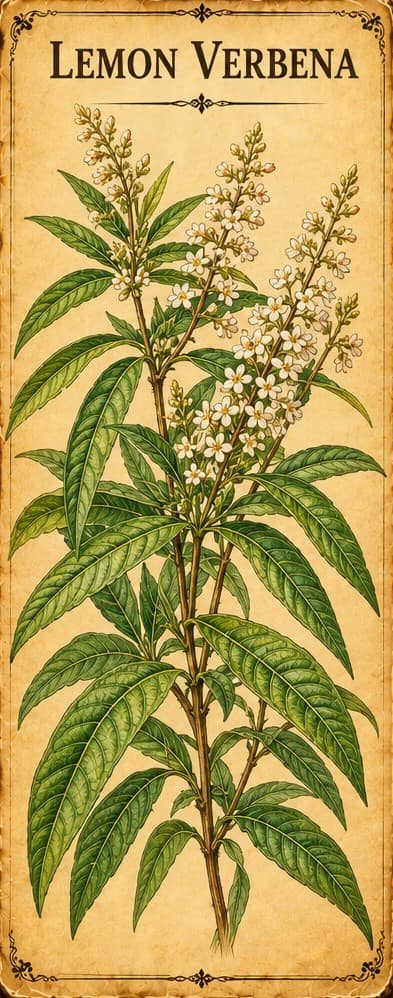
Botanical illustration of Lemon Verbena

Lemon Verbena

Aloysia citrodora

A lemon-scented shrub whose leaves make a herbal tea. It's recognised in Europe as a traditional remedy for mild stress, to help sleep, and for mild digestive complaints such as bloating and gas.

No. 129Medicinal
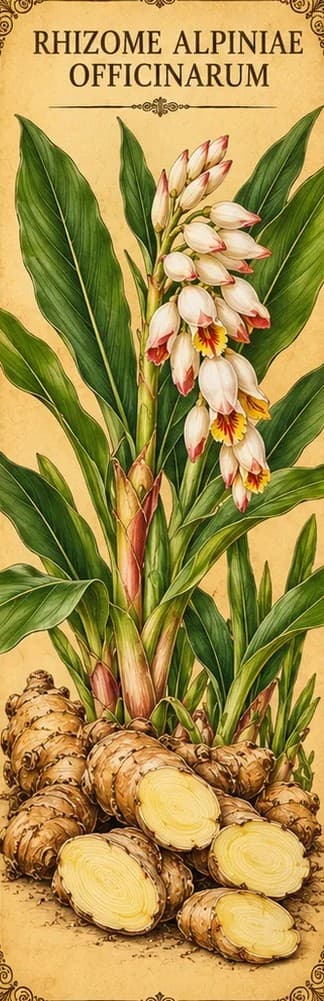
Botanical illustration of Lesser Galangal

Lesser Galangal

Alpinia officinarum

Gao liang jiang, an aromatic ginger-family rhizome used in Chinese medicine for thousands of years to warm the stomach and relieve stomach pain, vomiting and diarrhoea.

No. 130Medicinal
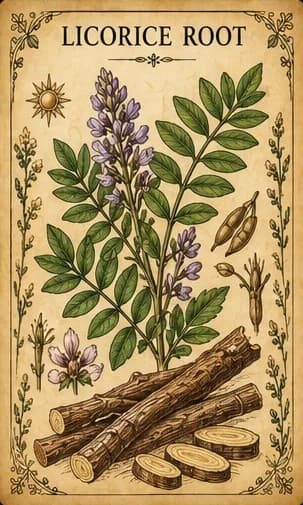
Botanical illustration of Licorice

Licorice

Glycyrrhiza glabra

A root used since ancient times in Egyptian, Greek, Chinese and Indian medicine for coughs, asthma and wounds. Recognized in Europe for cough with a cold and for indigestion, but too much can raise blood pressure and upset heart rhythm.

No. 131Medicinal
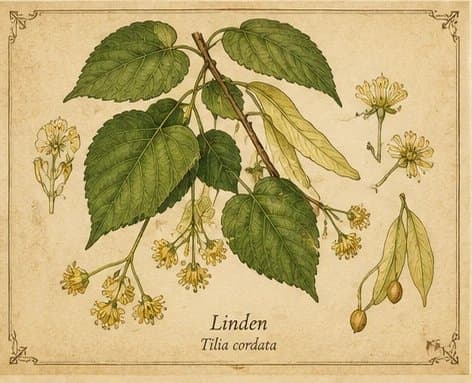
Botanical illustration of Linden

Linden

Tilia cordata

Flowers of the lime (linden) tree, traditionally made into tea for colds, stress and nervous heart complaints.

No. 132Medicinal
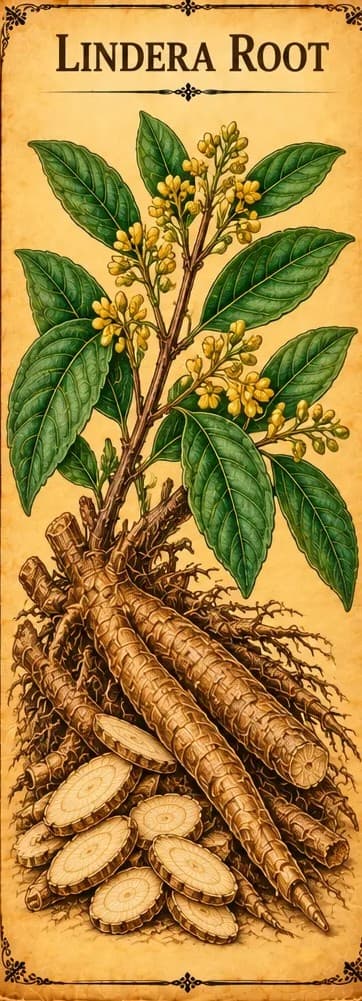
Botanical illustration of Lindera Root

Lindera Root

Lindera aggregata

Wu yao, the root of a laurel-family shrub used in China for thousands of years for digestive, urinary and inflammatory problems; its leaves are drunk as tea. Research is in the lab and in animals.

No. 133Medicinal
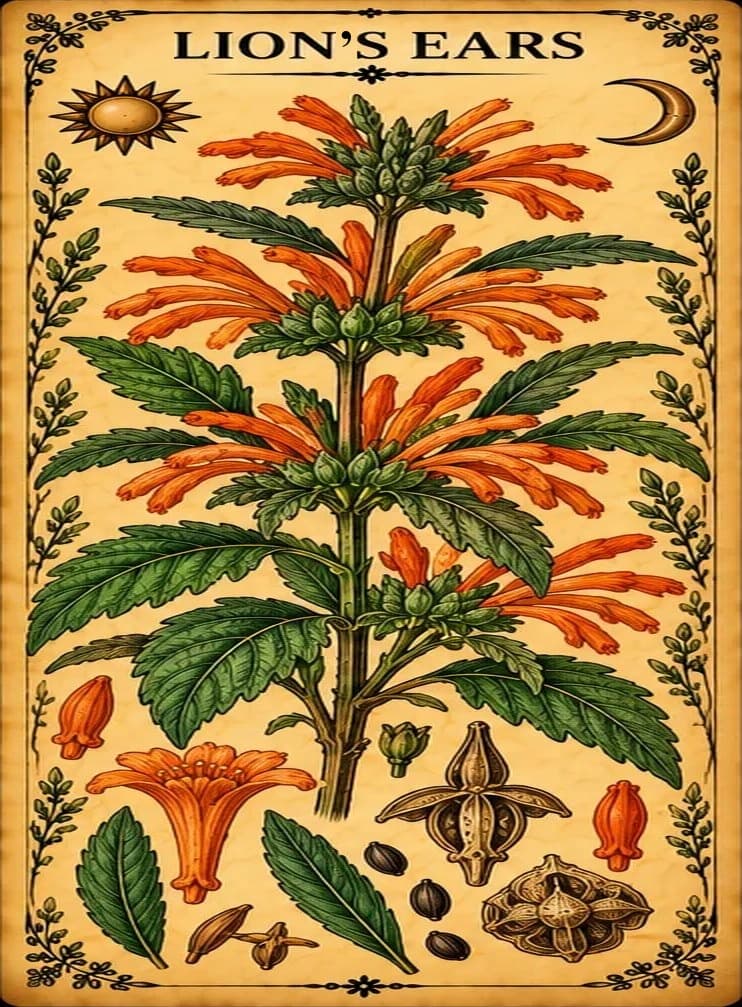
Botanical illustration of Lion's Ear

Lion's Ear

Leonotis nepetifolia

A plant in the mint family, known as shandilay in Trinidad, where it's a popular traditional remedy for colds and coughs. Research so far is limited to lab and animal studies.

No. 134Medicinal
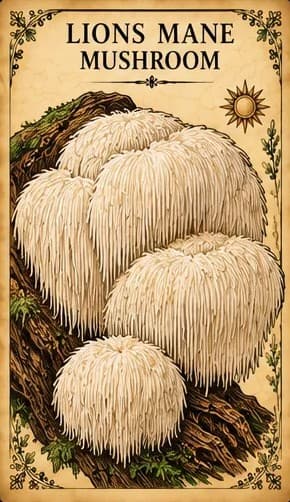
Botanical illustration of Lion's Mane

Lion's Mane

Hericium erinaceus

An edible mushroom studied for memory and mood. Small trials suggest it may help thinking in older adults with mild memory problems.

No. 135Medicinal
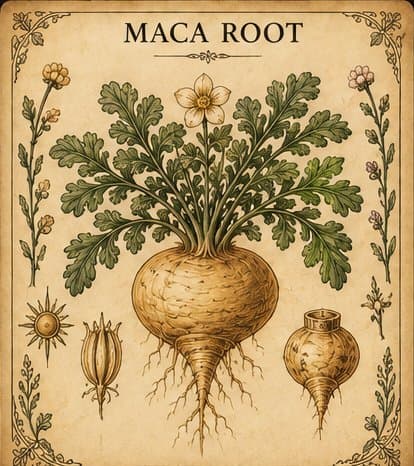
Botanical illustration of Maca

Maca

Lepidium meyenii

A root vegetable from the high Andes of Peru, used for centuries as food and to boost energy and fertility. Its effects haven't been proven in rigorous trials.

No. 136Medicinal
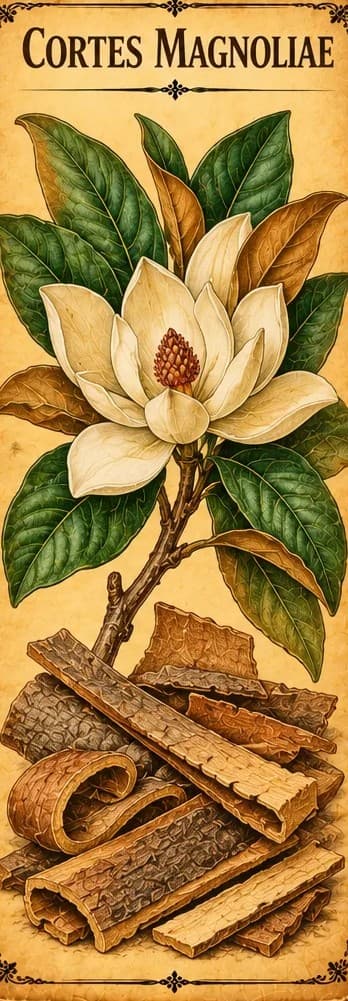
Botanical illustration of Magnolia Bark

Magnolia Bark

Magnolia officinalis

Hou po, the bark of a magnolia tree used in Chinese medicine to ease bloating, stomach pain, diarrhoea and asthma, often paired with coptis root.

No. 137Medicinal
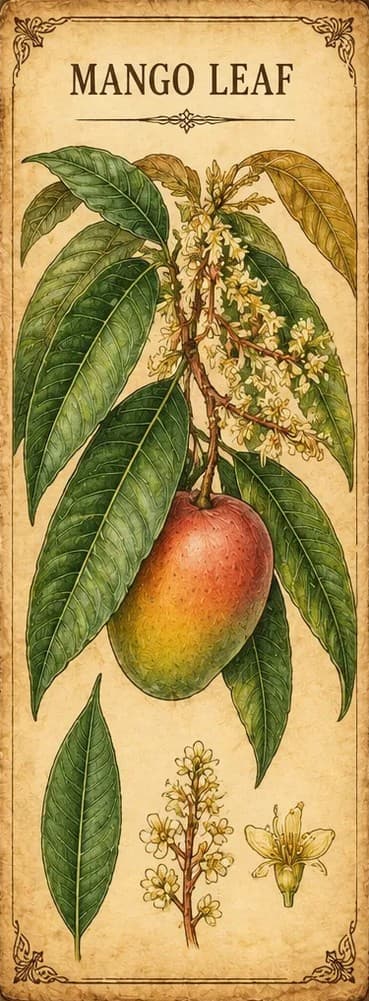
Botanical illustration of Mango Leaf

Mango Leaf

Mangifera indica

The leaves of the mango tree, made into a folk tea in Asia and Africa and traditionally used for diabetes, breathing problems and diarrhea. Research is mostly in the lab and in animals.

No. 138Medicinal
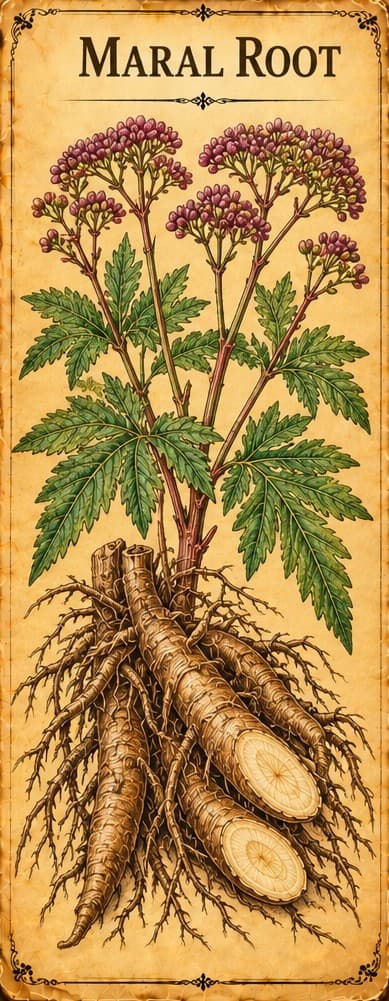
Botanical illustration of Maral Root

Maral Root

Rhaponticum carthamoides

Russian leuzea, a plant whose root has been used for centuries in eastern Russia. Researchers have suggested it may be an adaptogen, but most research is from Russian lab and animal studies.

No. 139Medicinal
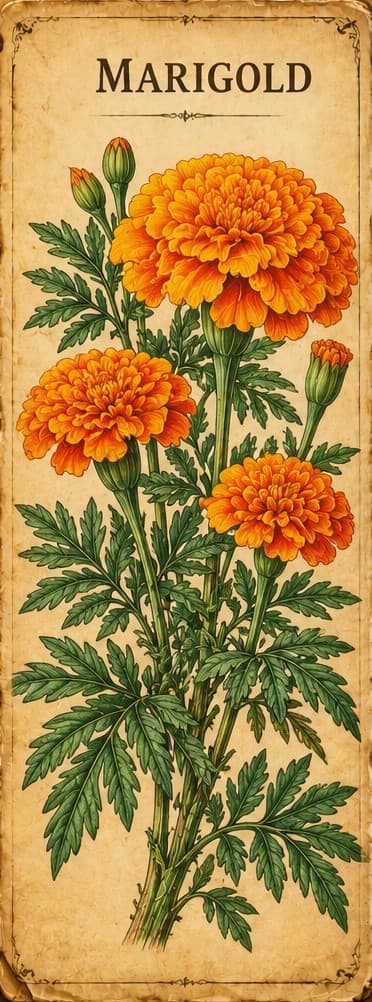
Botanical illustration of Marigold

Marigold

Tagetes erecta

The orange-flowered Mexican marigold, or cempasúchil, used in folk medicine from Mexico to India for fevers, colds, stomach upsets and skin sores. It's a different plant from calendula (pot marigold).

No. 140Medicinal
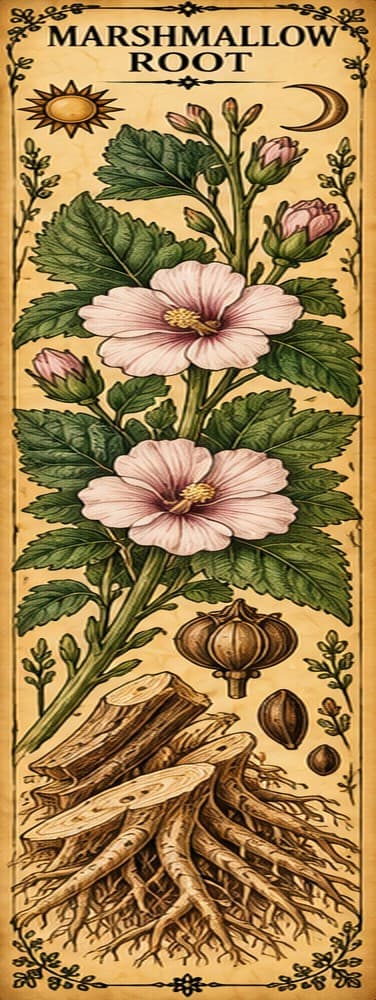
Botanical illustration of Marshmallow Root

Marshmallow Root

Althaea officinalis

A root recognized in Europe as a traditional medicine for mouth and throat irritation with a dry cough, and for mild stomach and gut discomfort.

No. 141Medicinal
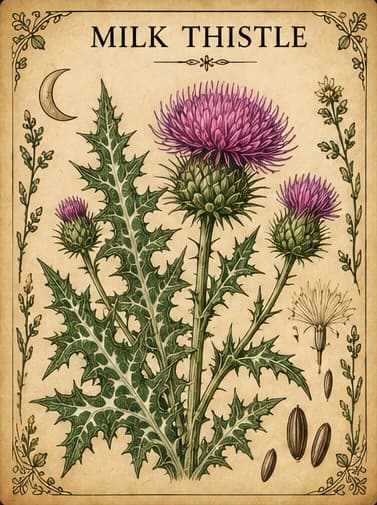
Botanical illustration of Milk Thistle

Milk Thistle

Silybum marianum

A tall, purple-flowered thistle from Europe, long used for liver problems. Studies of it and its extract silymarin in liver disease have been conflicting or too limited to show a clear benefit.

No. 142Medicinal
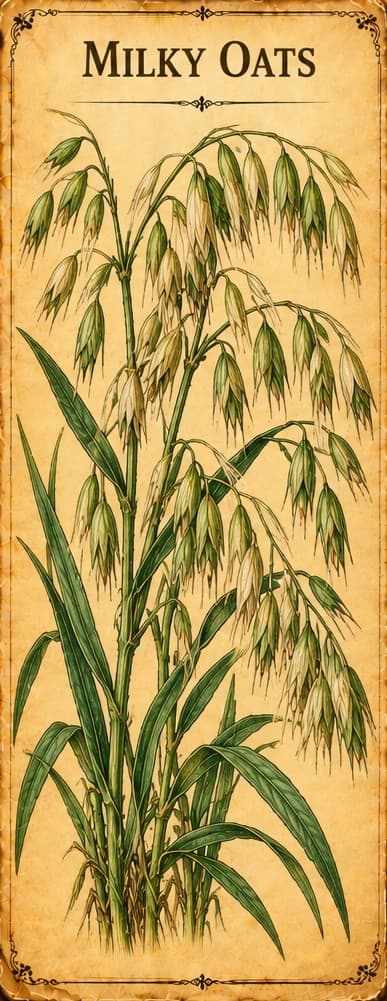
Botanical illustration of Milky Oats

Milky Oats

Avena sativa

The green oat plant, sold as milky oats or oat herb. Oat herb harvested before flowering is recognised in Europe as a traditional remedy for mild stress and to help sleep.

No. 143Medicinal
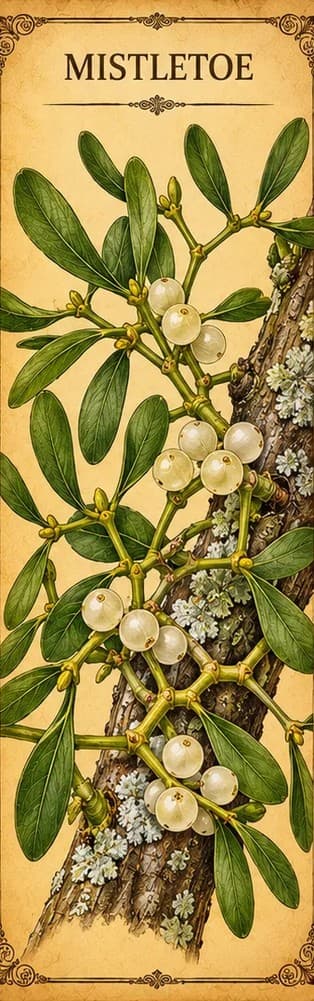
Botanical illustration of Mistletoe

Mistletoe

Viscum album

European mistletoe, used for centuries for seizures and headaches. Injected extracts are widely prescribed in Europe for people with cancer, but it isn't a proven cancer treatment.

No. 144Medicinal
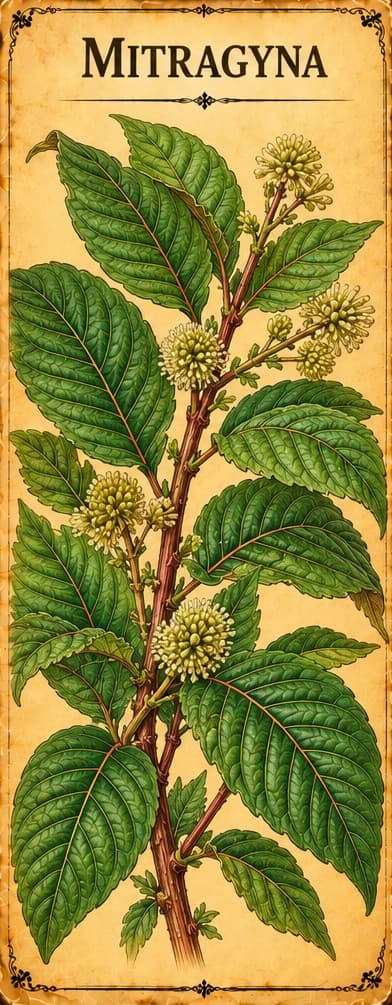
Botanical illustration of Mitragyna

Mitragyna

Mitragyna speciosa

Kratom, a Southeast Asian tree whose leaves act like a stimulant at low doses and like an opioid at higher doses. People use it for pain and opioid withdrawal, but the FDA has warned against it and it can cause dependence.

No. 145Medicinal
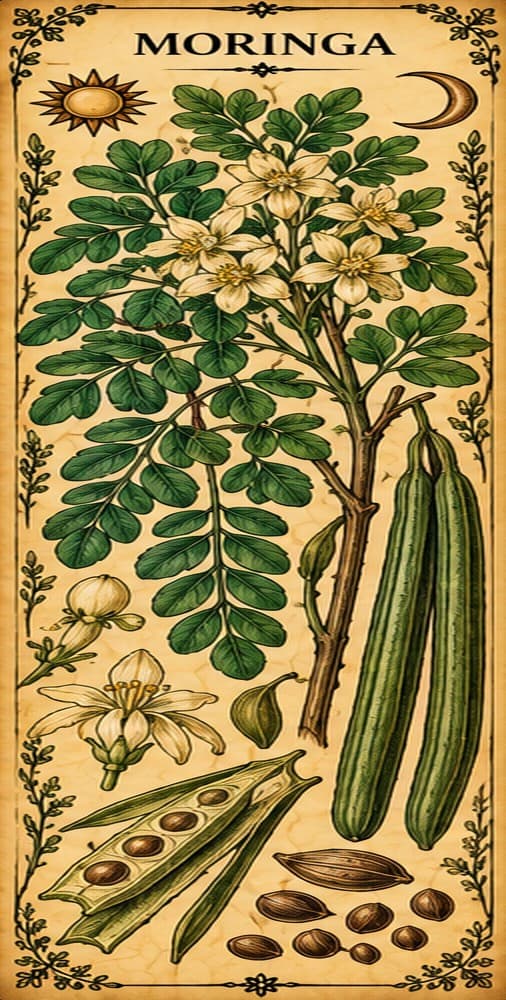
Botanical illustration of Moringa

Moringa

Moringa oleifera

A nutritious tree used as food and traditional medicine, including for stomach and gut problems. In animal studies it helped heal stomach ulcers; in people it has been studied mainly for blood pressure and blood sugar.

No. 146Medicinal
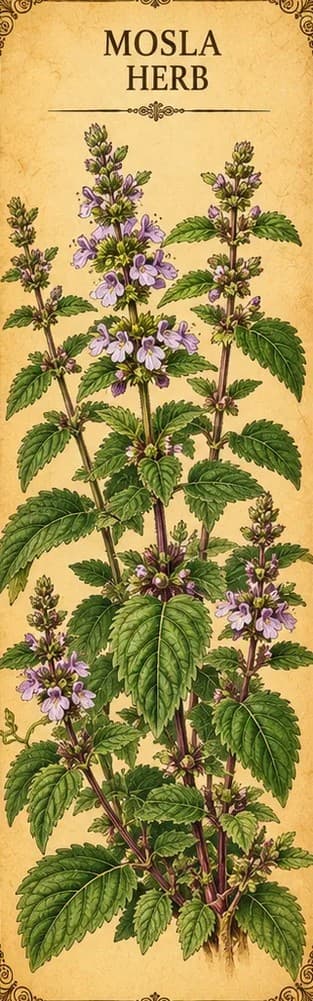
Botanical illustration of Mosla Herb

Mosla Herb

Mosla chinensis

Xiang ru, an aromatic mint-family herb used in China for about 1,500 years to bring on sweating and treat summer colds, heatstroke and diarrhoea.

No. 147Medicinal
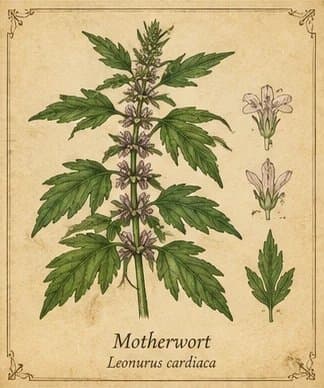
Botanical illustration of Motherwort

Motherwort

Leonurus cardiaca

A plant from the mint family, traditionally used as a heart tonic and for women's health. Recognized in Europe for nervous heart complaints such as palpitations.

No. 148Medicinal
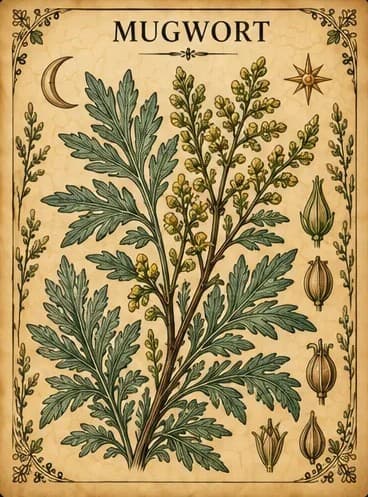
Botanical illustration of Mugwort

Mugwort

Artemisia vulgaris

A common plant called the "mother of herbs" in the Middle Ages, when it was used on wounds. It is also used in Chinese moxibustion. Mugwort is a major cause of pollen allergy and can cause skin allergies.

No. 149Medicinal
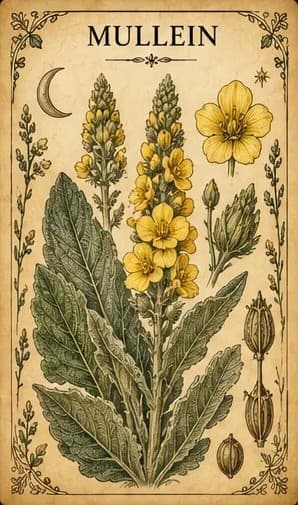
Botanical illustration of Mullein

Mullein

Verbascum thapsus

A plant whose flowers are made into tea and recognized in Europe as a traditional medicine for sore throat with a dry cough and cold.

No. 150Medicinal
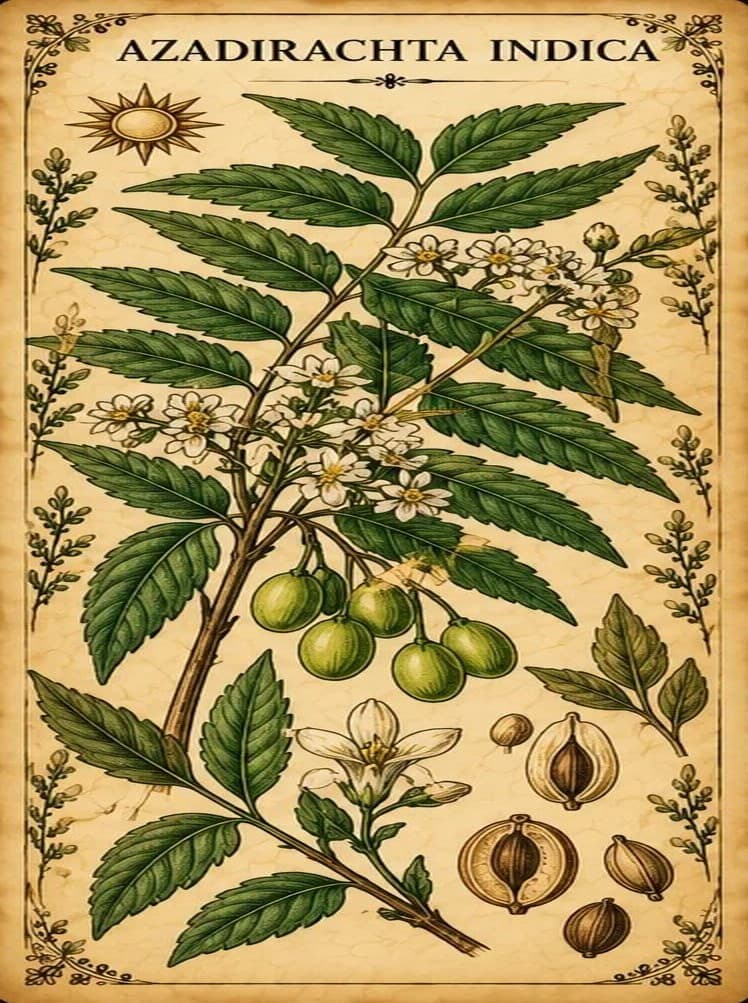
Botanical illustration of Neem

Neem

Azadirachta indica

A South Asian tree used in Ayurvedic medicine on the skin and for oral hygiene. Neem works against lice, and a small trial found a neem lotion worked as well as standard treatment for scabies.

No. 151Medicinal
Botanical illustration of Nettle

Nettle

Urtica dioica

A stinging plant eaten as a spring vegetable and traditionally used for joint pain and urinary complaints.

No. 152Medicinal
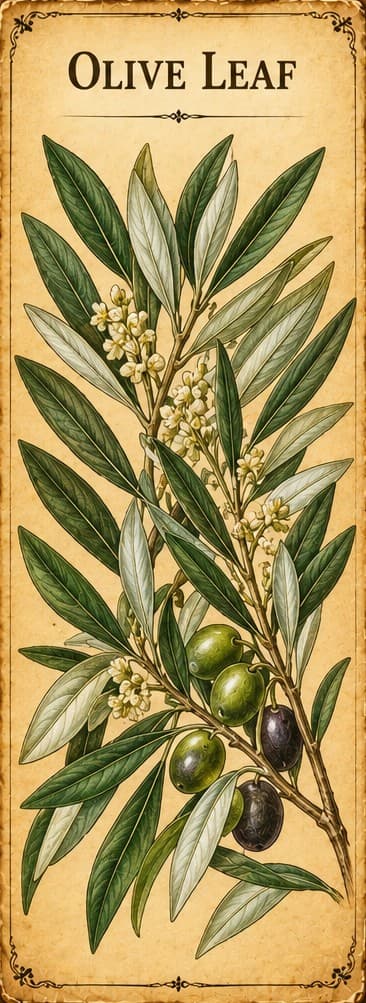
Botanical illustration of Olive Leaf

Olive Leaf

Olea europaea

Leaves of the olive tree, recognised in Europe as a traditional remedy for mild water retention. In one trial, olive leaf extract lowered blood pressure about as much as a standard medicine.

No. 153Medicinal
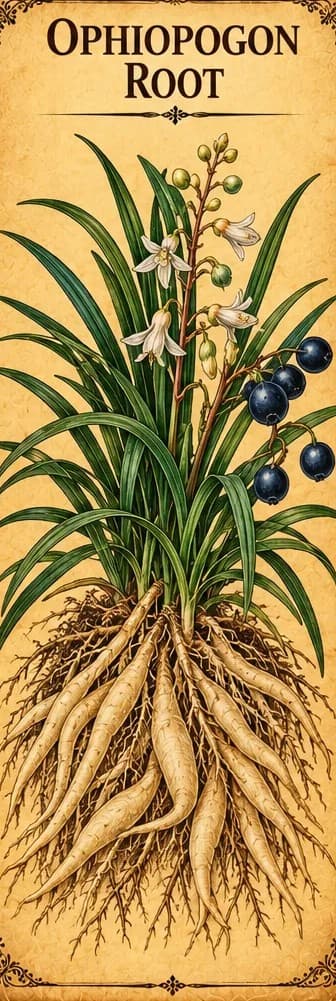
Botanical illustration of Ophiopogon Root

Ophiopogon Root

Ophiopogon japonicus

Mai dong, the small tuberous roots of a clumping plant, and one of the three herbs in the classical Chinese heart formula sheng mai. Its main compound has been studied in the lab and in animals.
No. 154Medicinal
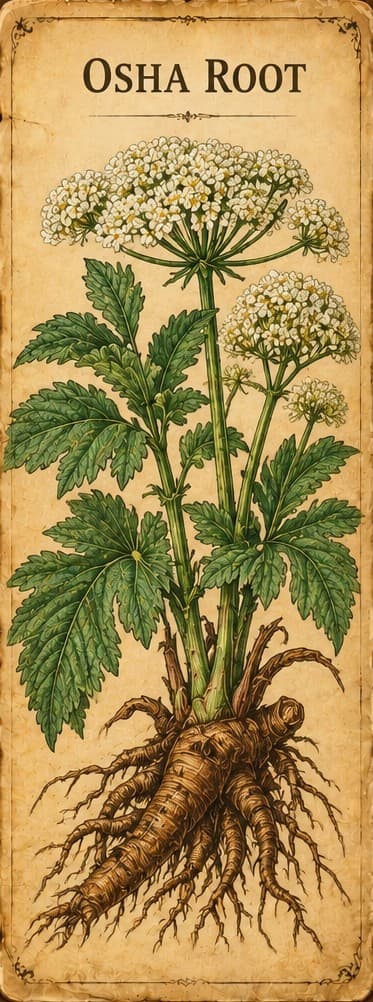
Botanical illustration of Osha

Osha

Ligusticum porteri

A root from the Rocky Mountains, long used by Hispanic and Native American peoples for colds, flu and chest infections. It has only been studied in the lab.

No. 155Medicinal
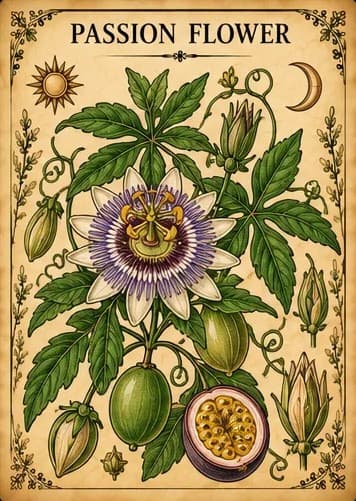
Botanical illustration of Passion Flower

Passion Flower

Passiflora incarnata

A climbing vine from the Americas, used as a calming herb since at least the 1500s. It is recognized in Europe for mild stress and to help sleep, and small studies suggest it may ease anxiety.

No. 156Medicinal
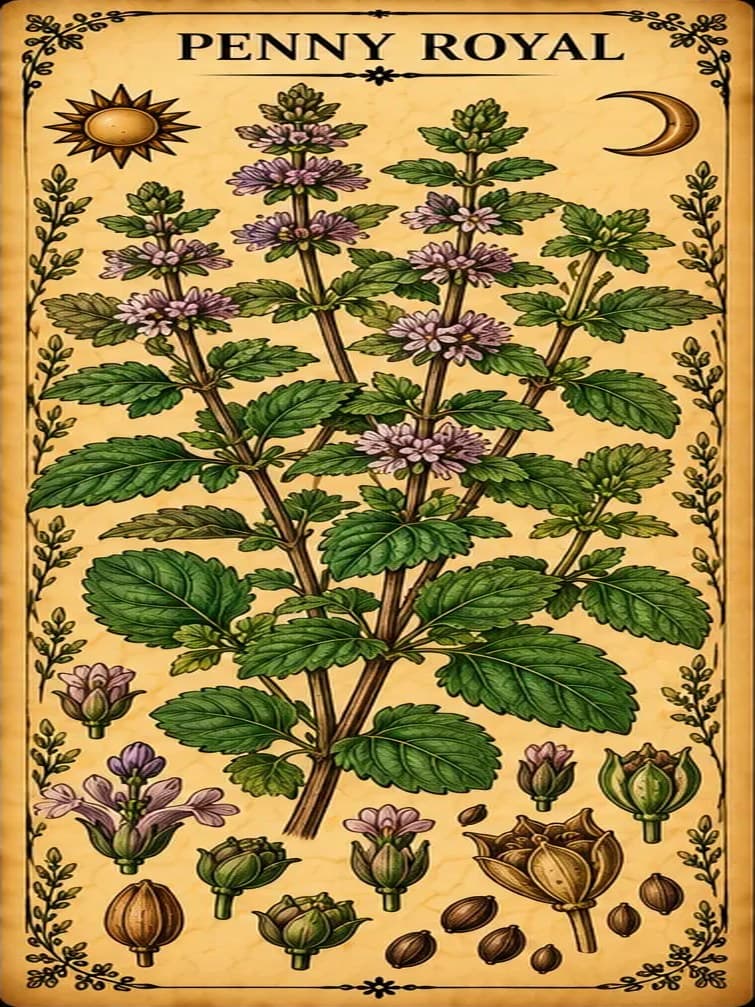
Botanical illustration of Penny Royal

Penny Royal

Clinopodium brownei

Jamaican pennyroyal, one of the island's popular bush medicines for breathing and digestive problems. It is a different plant from European pennyroyal, but its oil contains the same toxic compound, pulegone.

No. 157Medicinal
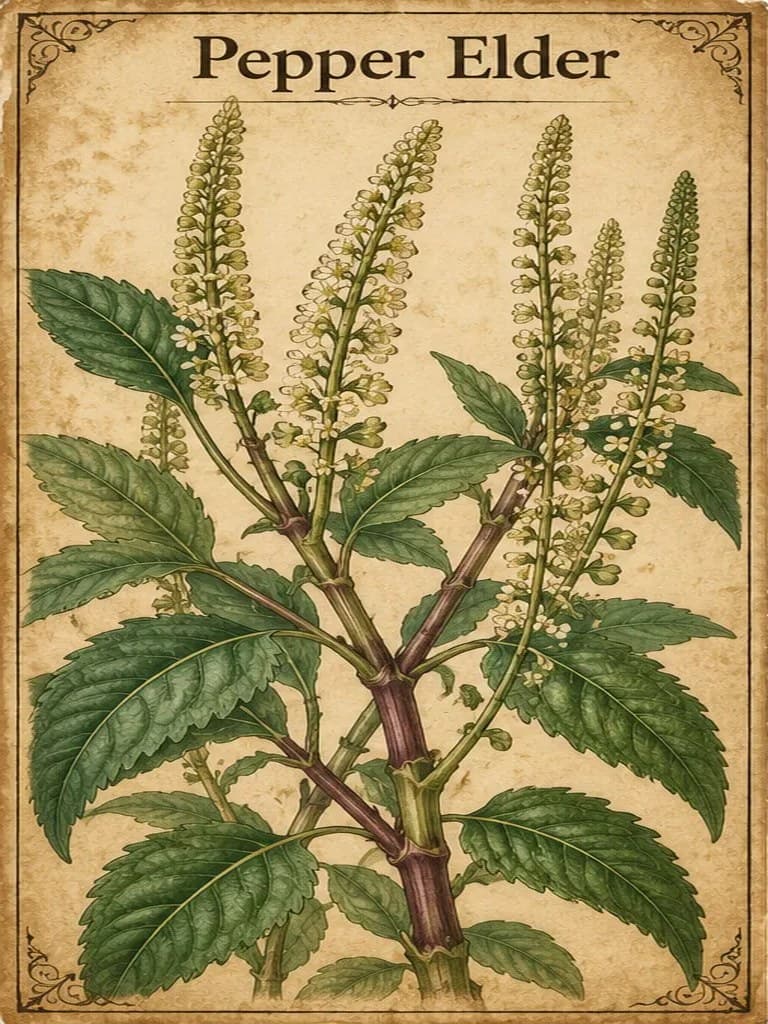
Botanical illustration of Pepper Elder

Pepper Elder

Piper amalago

A plant in the pepper family whose leaves are made into a Jamaican bush tea for colds and flu. Research so far is mostly in rats.

No. 158Medicinal
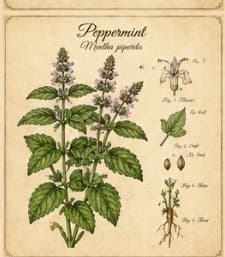
Botanical illustration of Peppermint

Peppermint

Mentha piperita

A cooling, menthol-rich herb traditionally used for digestion and headaches. Research suggests peppermint oil may help IBS symptoms.

No. 159Medicinal
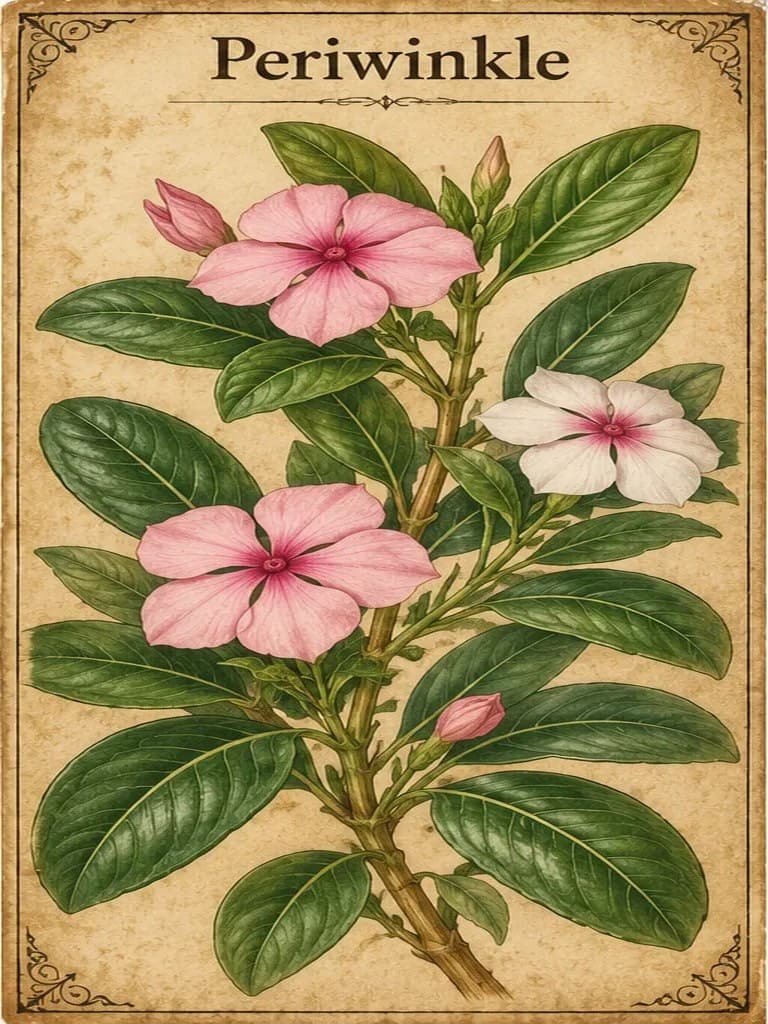
Botanical illustration of Periwinkle

Periwinkle

Catharanthus roseus

Madagascar periwinkle, a garden plant used in Caribbean folk medicine for diabetes and the source of two cancer drugs. The plant can be poisonous.

No. 160Medicinal
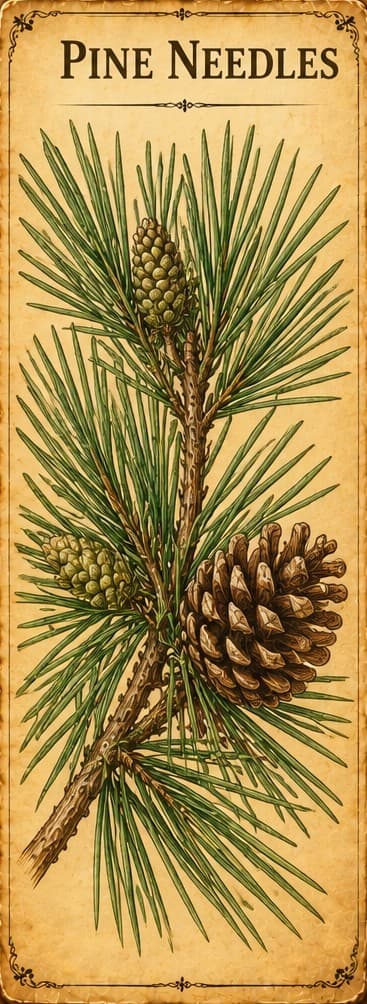
Botanical illustration of Pine Needles

Pine Needles

Pinus spp.

Needles of pine trees, brewed into a tea popular in Japan, Korea, China and Russia, and used in folk medicine for coughs, colds and flu. Some pines contain a substance that causes miscarriage in cattle.

No. 161Medicinal
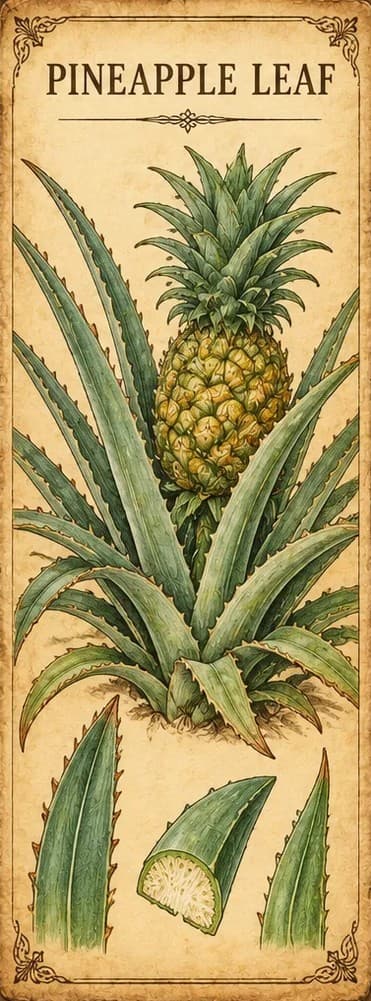
Botanical illustration of Pineapple Leaf

Pineapple Leaf

Ananas comosus

The leaves of the pineapple plant, traditionally used for diarrhoea, pain, swelling and infections. Research so far is only in rats.

No. 162Medicinal
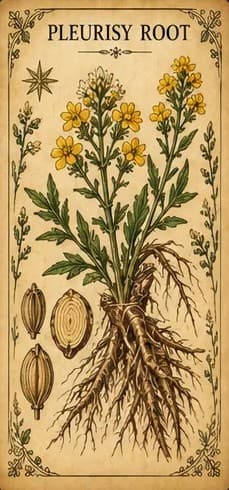
Botanical illustration of Pleurisy Root

Pleurisy Root

Asclepias tuberosa

A milkweed whose root was traditionally used for breathing problems and to loosen mucus. It contains heart-affecting compounds, and its sap has injured people's eyes.

No. 163Medicinal
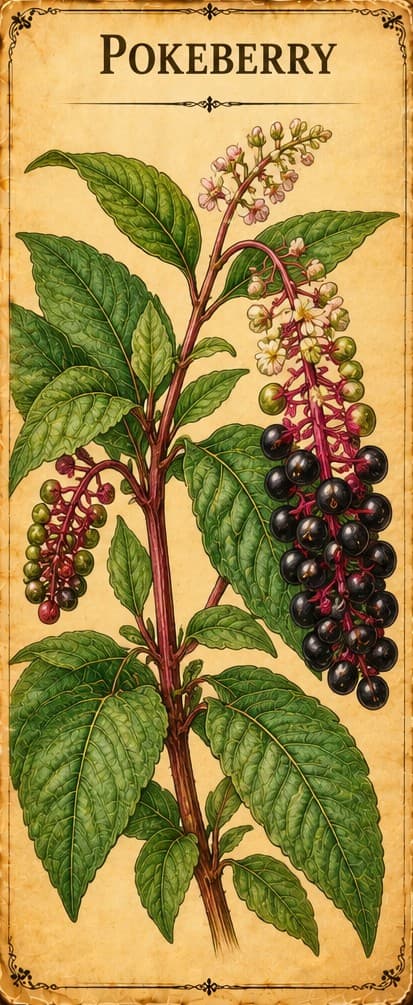
Botanical illustration of Pokeberry

Pokeberry

Phytolacca americana

American pokeweed, a tall plant with purple-black berries. All parts are poisonous, especially the root. Some people eat the young leaves as "poke sallet" after boiling them twice, but this doesn't guarantee safety.

No. 164Medicinal
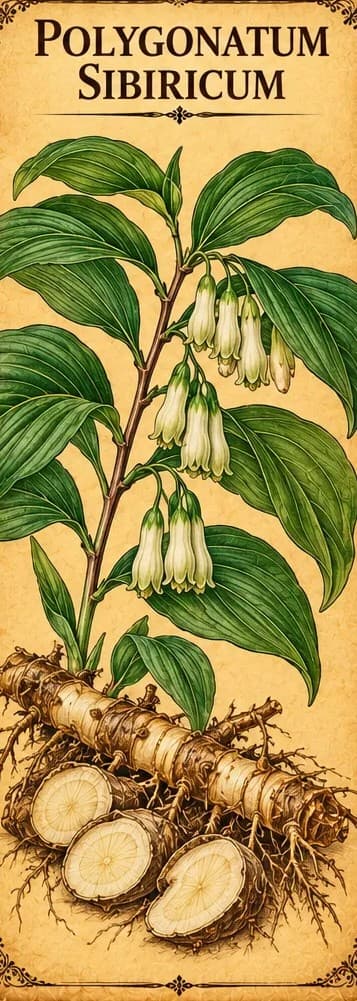
Botanical illustration of Polygonatum Sibiricum

Polygonatum Sibiricum

Polygonatum sibiricum

Huang jing, a relative of Solomon's seal used in China for over 2,000 years as food and as a tonic for tiredness, weakness and slow-healing wounds. Research is in the lab.

No. 165Medicinal
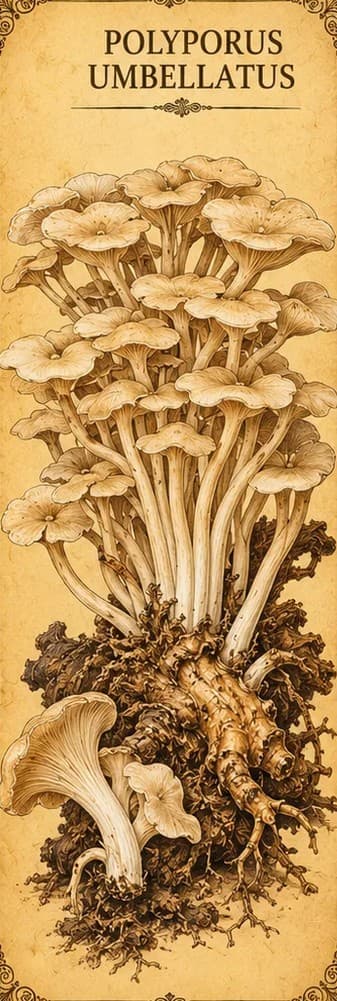
Botanical illustration of Polyporus Umbellatus

Polyporus Umbellatus

Polyporus umbellatus

Zhu ling, an edible medicinal fungus used in Chinese medicine for swelling, scanty urine, urinary problems, jaundice and diarrhoea. In animal studies it increased urination.

No. 166Medicinal
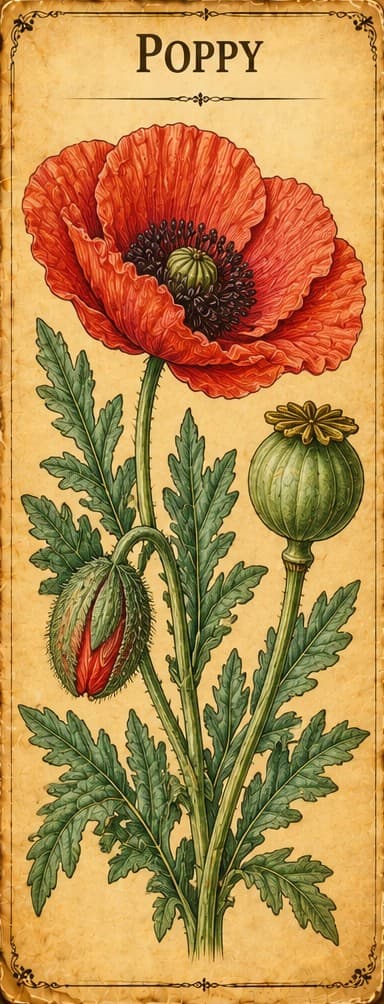
Botanical illustration of Poppy

Poppy

Papaver rhoeas

The red corn poppy, a common field weed, used in folk medicine for coughs, sleep problems, diarrhea and pain, and eaten in salads. Eating it has poisoned adults, causing seizures and loss of consciousness. It's a different plant from the opium poppy.

No. 167Medicinal
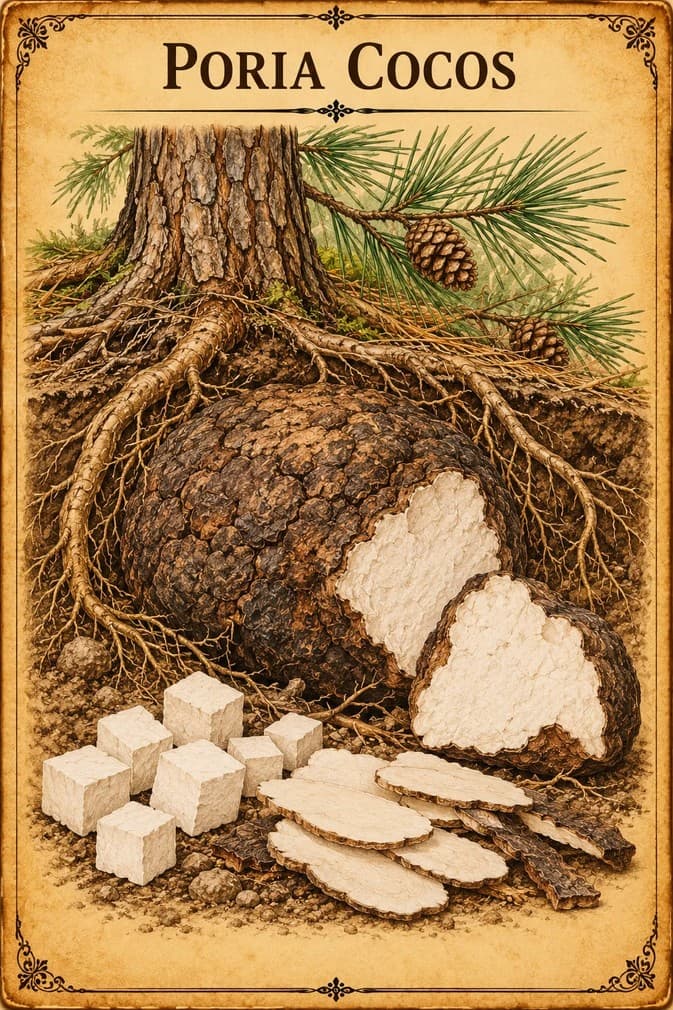
Botanical illustration of Poria Cocos

Poria Cocos

Wolfiporia cocos

Fu ling, an edible fungus used in Chinese medicine for over 2,000 years to promote urination, reduce swelling, aid digestion and calm the mind. It's in nearly 15% of Chinese Pharmacopoeia preparations.

No. 168Medicinal
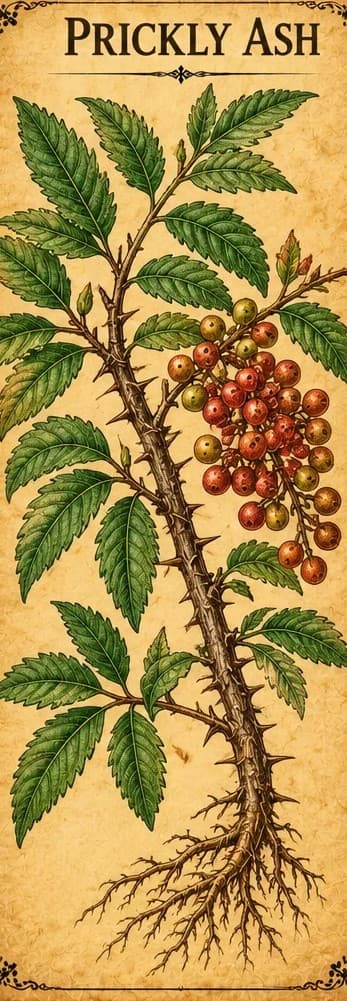
Botanical illustration of Prickly Ash

Prickly Ash

Zanthoxylum americanum

The "toothache tree", a thorny North American shrub whose bark Native Americans used for toothache, rheumatism, fevers, colds and coughs.

No. 169Medicinal
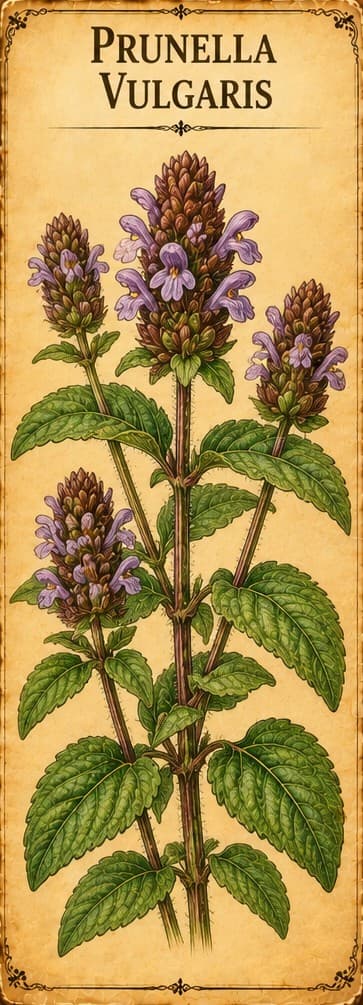
Botanical illustration of Prunella Vulgaris

Prunella Vulgaris

Prunella vulgaris

Self-heal, called xia ku cao in China, a mint-family herb used in Chinese medicine since the Han Dynasty and eaten as a vegetable and tea. Low-quality trials suggest it may help when added to standard treatment for an overactive thyroid.

No. 170Medicinal
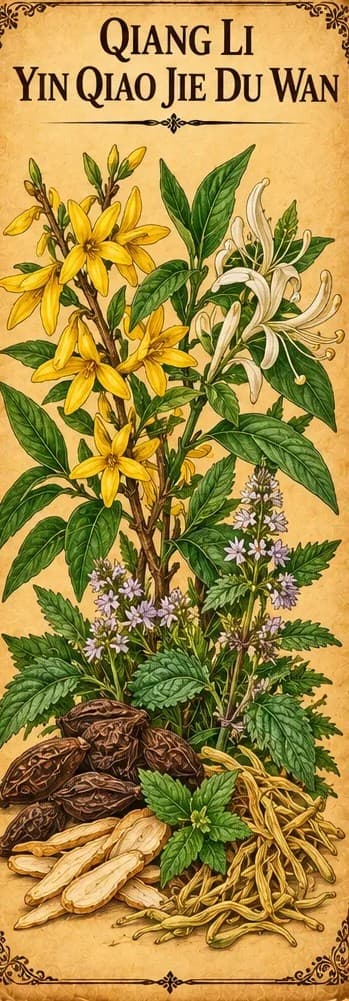
Botanical illustration of Qiang Li Yin Qiao Jie Du Wan

Qiang Li Yin Qiao Jie Du Wan

Lonicera japonica, Forsythia suspensa and other herbs
A Chinese patent medicine based on Yin Qiao San, a honeysuckle and forsythia formula used early in colds and flu for fever, sore throat and headache.
No. 171Medicinal
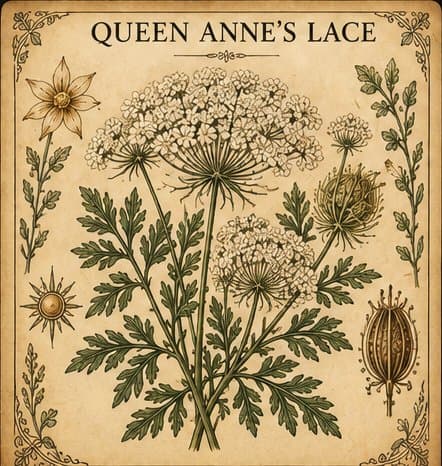
Botanical illustration of Queen Anne's Lace

Queen Anne's Lace

Daucus carota

Wild carrot, whose seeds have long been used in folk medicine to prevent pregnancy. It hasn't been proven safe or effective, and it looks like deadly poison hemlock.

No. 172Medicinal
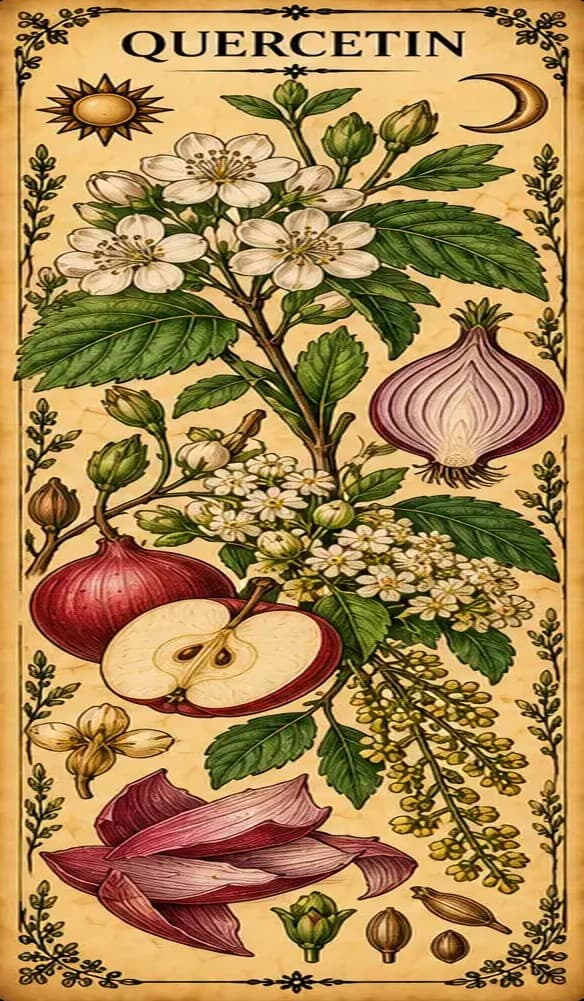
Botanical illustration of Quercetin

Quercetin

Plant flavonoid (found in apples, onions and other foods)

A natural plant compound found in apples, onions, grapes, citrus and parsley, and sold as a supplement. In a trial of 1,002 people it didn't prevent colds overall.

No. 173Medicinal
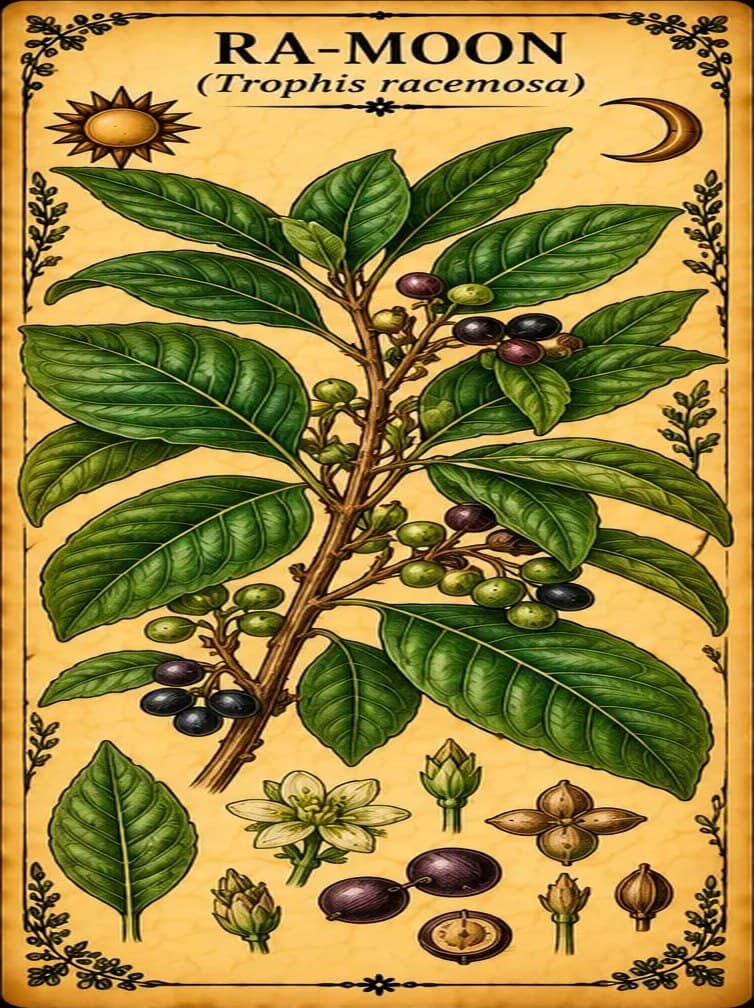
Botanical illustration of Ra-Moon

Ra-Moon

Trophis racemosa

Ramoon, a Jamaican tree whose bark is made into tea and roots drinks as a traditional remedy for libido, and whose leaves feed livestock. It hasn't been studied in people.

No. 174Medicinal
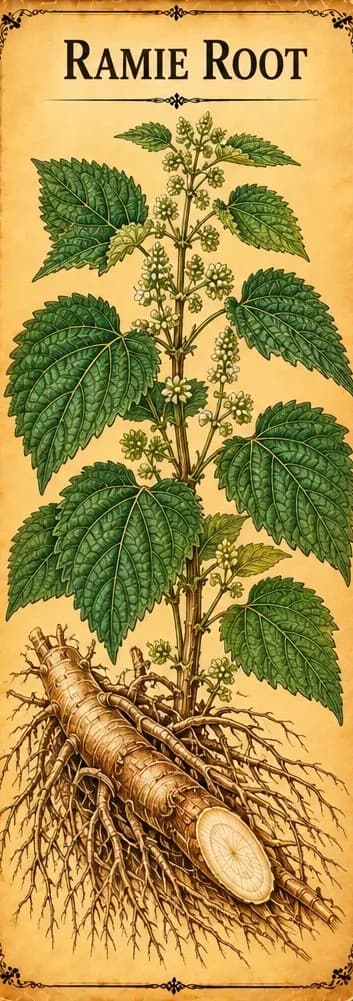
Botanical illustration of Ramie Root

Ramie Root

Boehmeria nivea

Zhu ma gen, the root of a nettle-family plant used in Chinese medicine for threatened miscarriage, colic in pregnancy and skin infections. It hasn't been tested on its own in people.

No. 175Medicinal
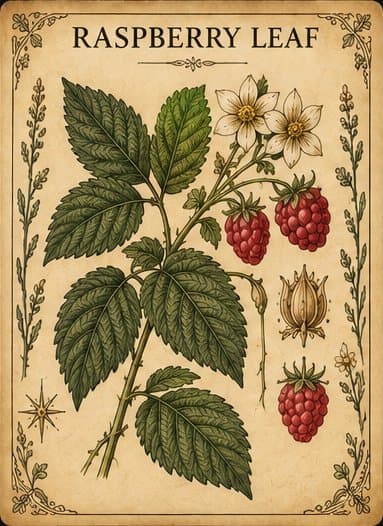
Botanical illustration of Raspberry Leaf

Raspberry Leaf

Rubus idaeus

Leaves of the raspberry plant, made into tea. Traditionally used for period cramps and widely used in pregnancy, though its safety in pregnancy hasn't been proven.

No. 176Medicinal
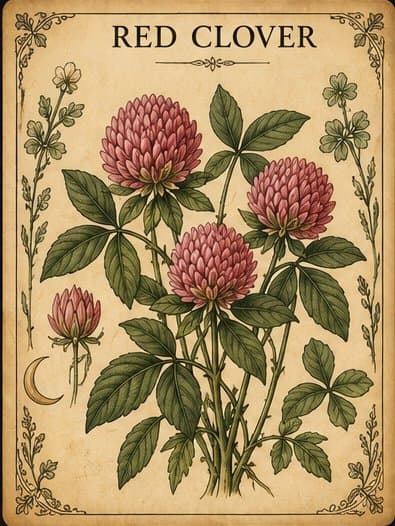
Botanical illustration of Red Clover

Red Clover

Trifolium pratense

A pink-flowered clover traditionally used for skin problems and whooping cough. It has been studied for menopausal hot flashes, with inconsistent results.

No. 177Medicinal
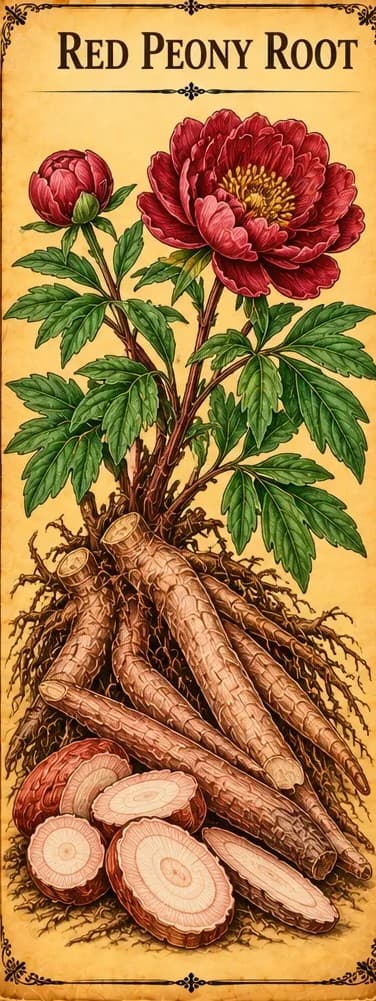
Botanical illustration of Red Peony Root

Red Peony Root

Paeonia lactiflora

Chi shao, a root from Paeonia lactiflora, used to "cool the blood" and relieve "blood stasis" and pain: for nosebleeds, sore eyes, period pain and injuries. Research is in animals.

No. 178Medicinal
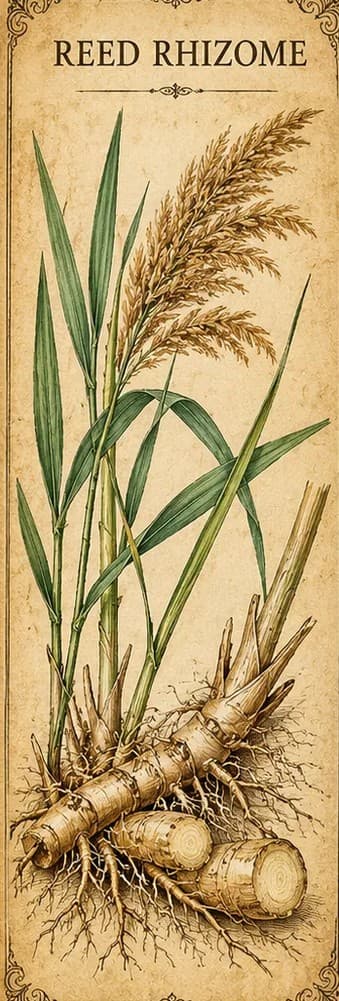
Botanical illustration of Reed Rhizome

Reed Rhizome

Phragmites australis

Lu gen, the underground stem of the common reed, used in Chinese medicine to clear heat and increase urination, for fever, nausea and urinary problems.

No. 179Medicinal
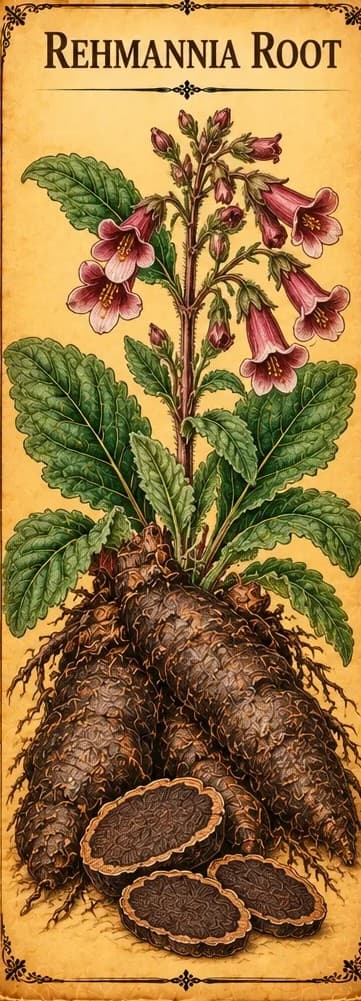
Botanical illustration of Rehmannia Root

Rehmannia Root

Rehmannia glutinosa

Di huang, a Chinese medicine root used raw or steamed black, recorded in the Shennong Herbal Classic for injuries, joint pain and as a "kidney" tonic. Research is in the lab and in animals.

No. 180Medicinal
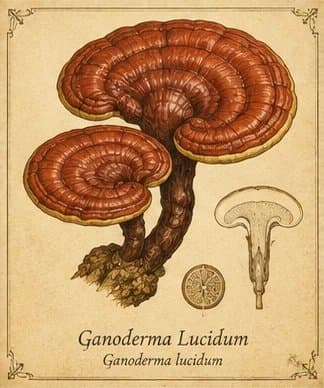
Botanical illustration of Reishi

Reishi

Ganoderma lucidum

A mushroom prized for centuries in traditional Chinese, Japanese and Korean medicine. A Cochrane review found it didn't lower heart disease risk factors.

No. 181Medicinal
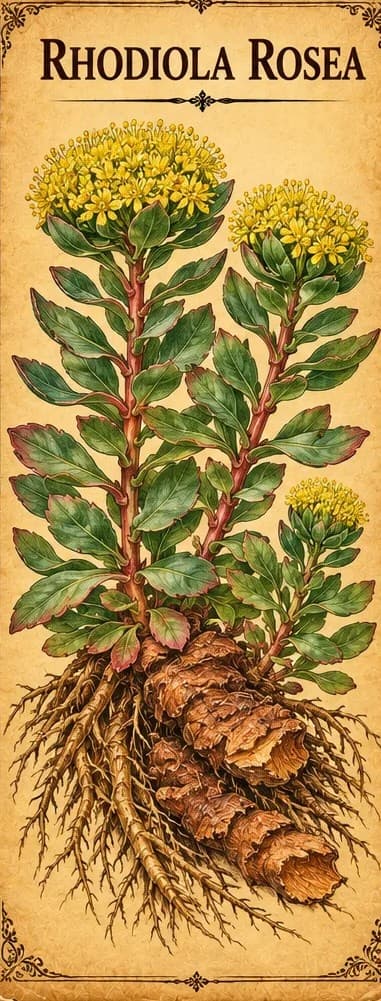
Botanical illustration of Rhodiola Rosea

Rhodiola Rosea

Rhodiola rosea

Golden root, recognised in the EU as a traditional herbal medicine for stress symptoms such as tiredness and exhaustion. Small trials suggest it may help exercise performance.

No. 182Medicinal
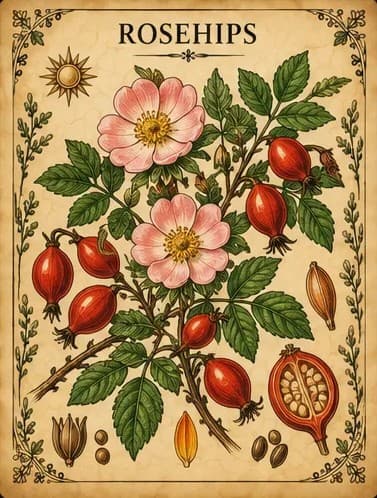
Botanical illustration of Rosehips

Rosehips

Rosa canina

The fruit of wild roses such as the dog rose, rich in vitamin C. Rosehip seed oil and powder have been studied for scars and wrinkles in small trials.

No. 183Medicinal
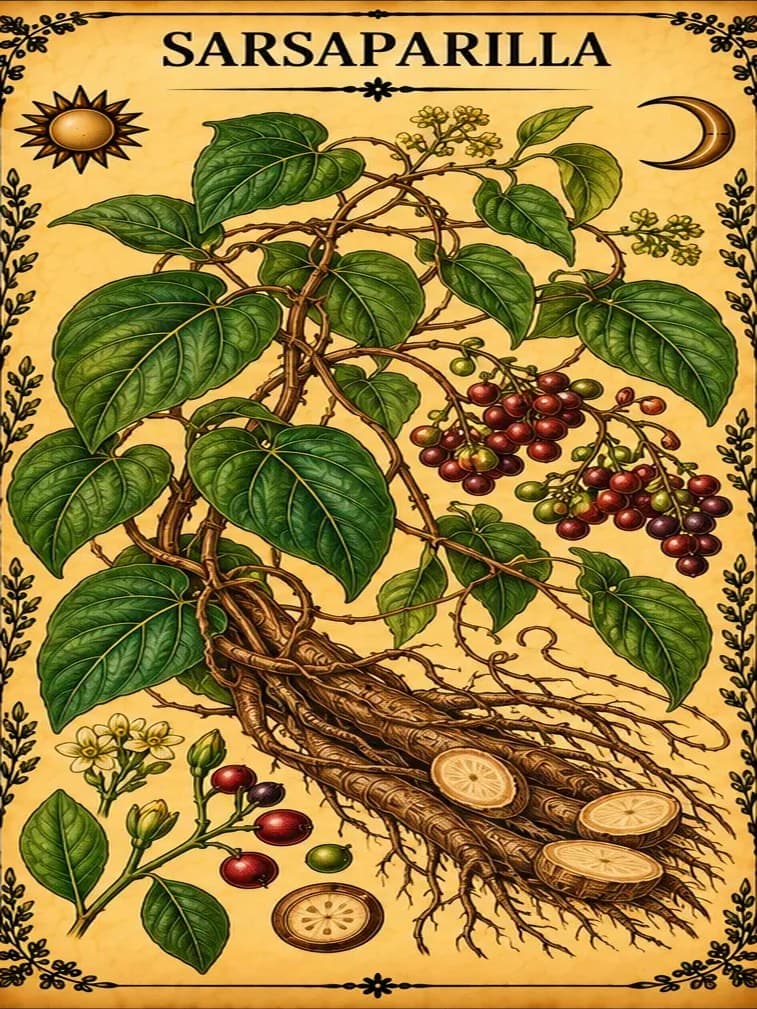
Botanical illustration of Sarsaparilla

Sarsaparilla

Smilax ornata

A plant whose root is boiled into Jamaican roots tonics and used for colds and flu. Research on sarsaparilla plants is mostly preliminary lab and animal work.

No. 184Medicinal
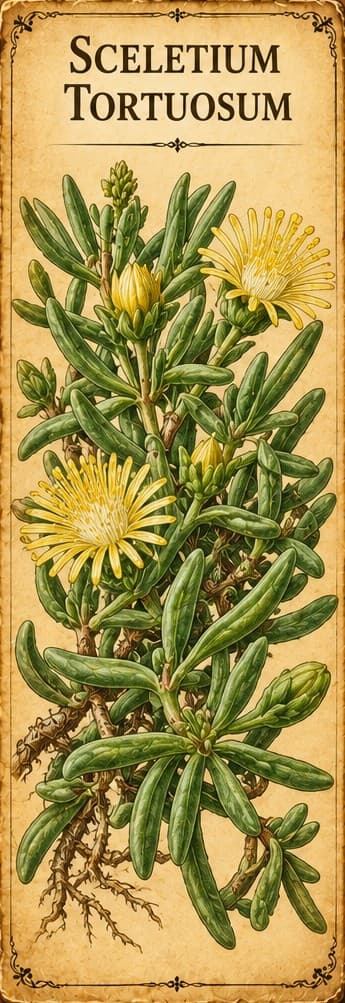
Botanical illustration of Sceletium Tortuosum

Sceletium Tortuosum

Sceletium tortuosum

A South African succulent, known as kanna, chewed for centuries by the San and Khoi peoples to ease hunger, thirst and tiredness and to lift mood. Small trials of an extract found it well tolerated.

No. 185Medicinal
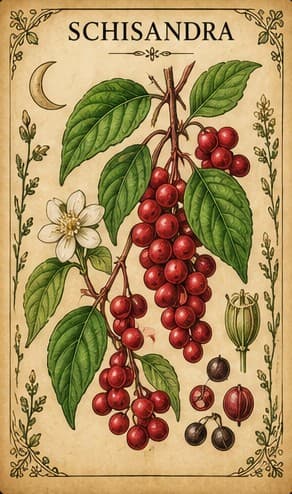
Botanical illustration of Schisandra

Schisandra

Schisandra chinensis

A fruit known in Chinese as wu wei zi ("five-flavor fruit"), long used in traditional Chinese medicine for the liver, coughs and energy. Studies in people are few and small.

No. 186Medicinal
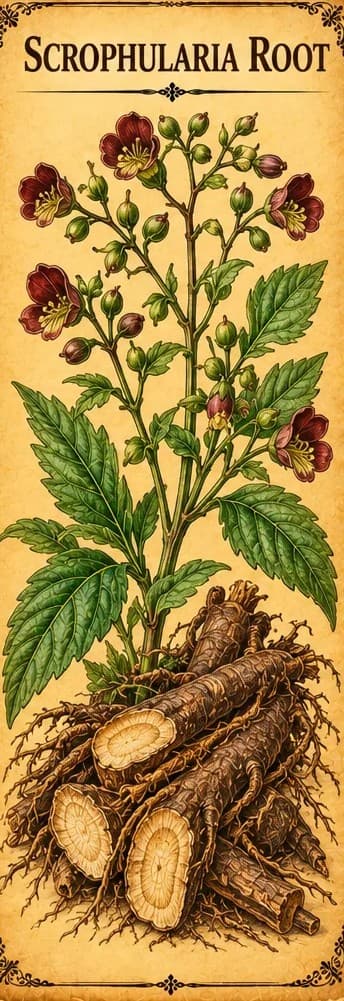
Botanical illustration of Scrophularia Root

Scrophularia Root

Scrophularia ningpoensis

Xuan shen, a Chinese medicine root recorded in the Shennong Herbal Classic and used for sore throat, abscesses and constipation. Research is in the lab and in animals.

No. 187Medicinal
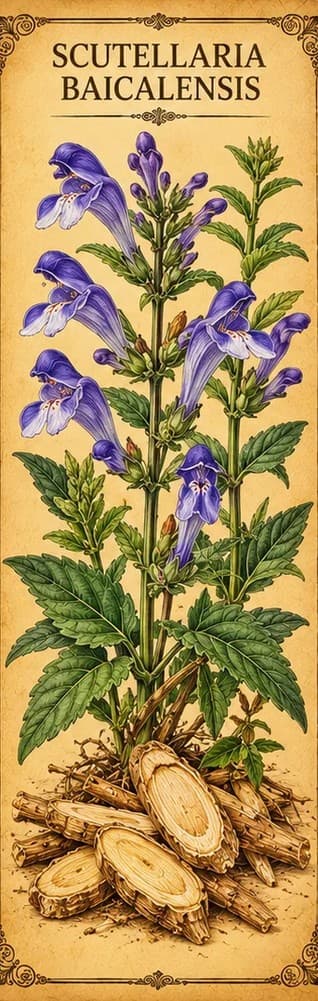
Botanical illustration of Scutellaria Baicalensis

Scutellaria Baicalensis

Scutellaria baicalensis

Chinese skullcap, or huang qin, a root used in Chinese medicine for over 2,000 years for diarrhoea, bleeding, sleeplessness and lung infections. Most research is in the lab or on multi-herb formulas.

No. 188Medicinal
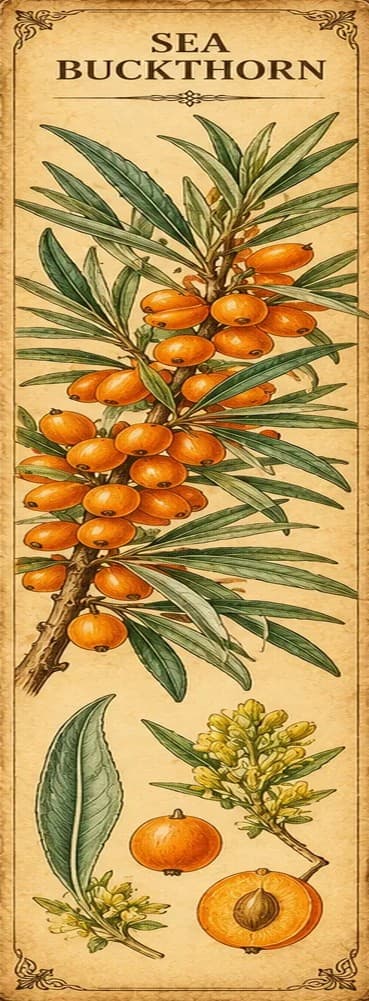
Botanical illustration of Sea Buckthorn

Sea Buckthorn

Hippophae rhamnoides

An orange berry eaten as juice, oil and food, and used in traditional Chinese medicine for cough and digestion. Trials suggest it may improve blood fats in people with abnormal levels.

No. 189Medicinal
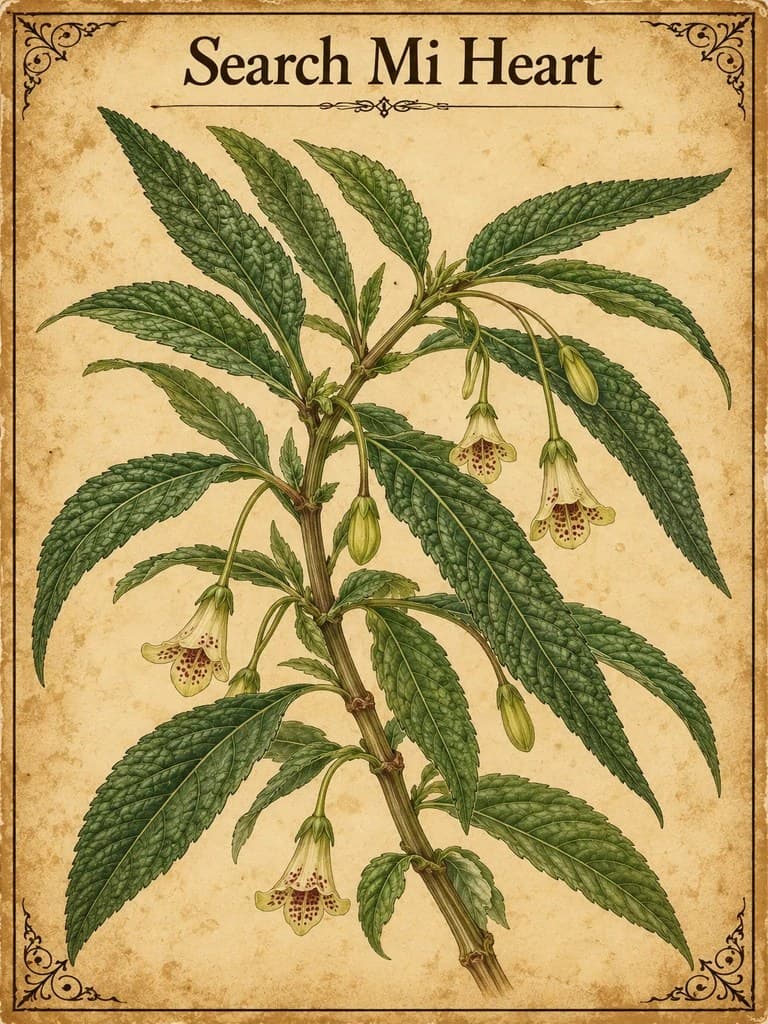
Botanical illustration of Search Mi Heart

Search Mi Heart

Rhytidophyllum tomentosum

A Jamaican plant whose dried leaves are made into a bush tea, traditionally used for colds and flu, the heart, breathing problems and digestion. It hasn't been studied in research.

No. 190Medicinal
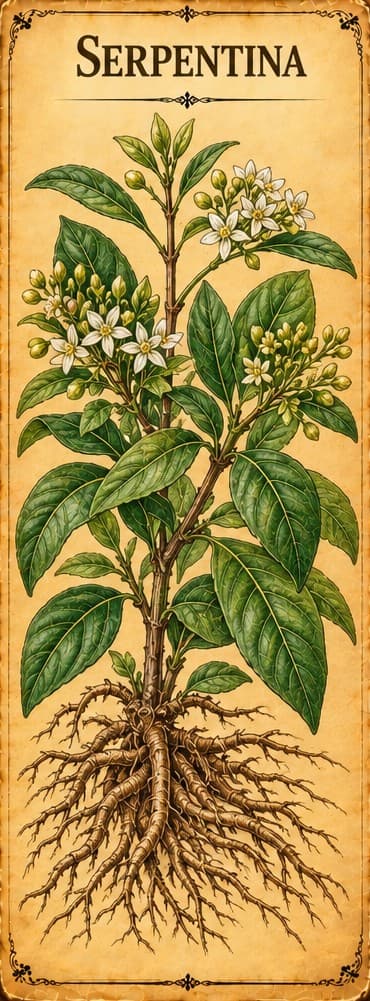
Botanical illustration of Serpentina

Serpentina

Rauvolfia serpentina

Indian snakeroot, the root that gave the blood pressure medicine reserpine. Doctors used it widely for high blood pressure in the 1940s and 1950s until side effects, especially depression, made it fall out of favour.

No. 191Medicinal
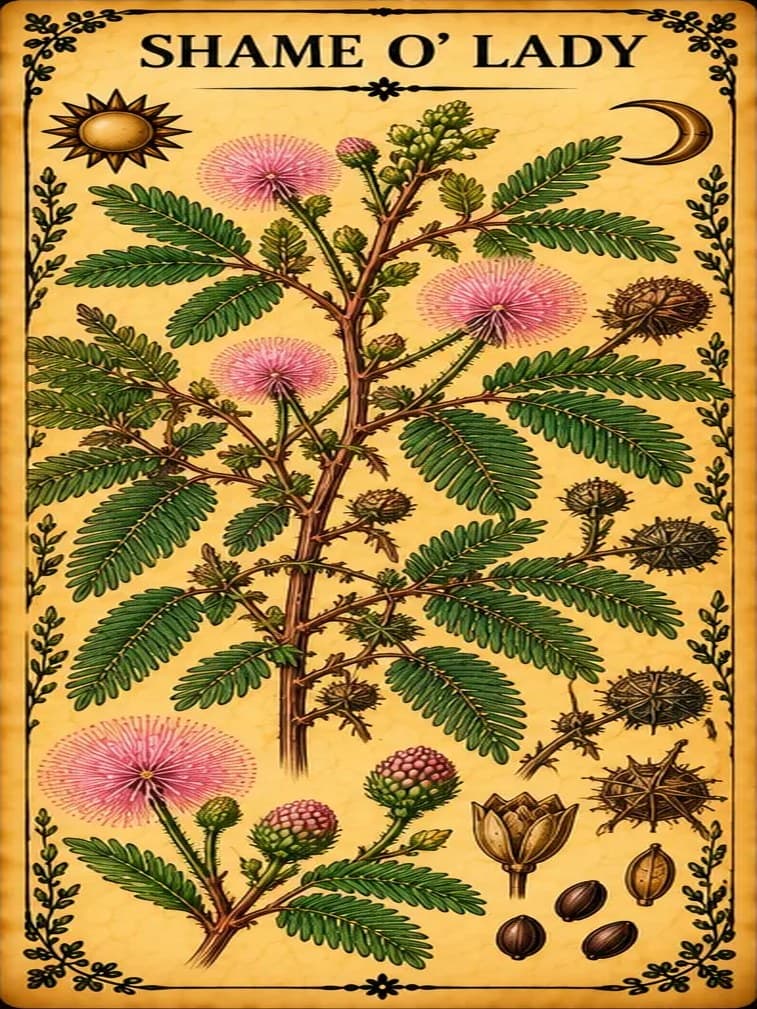
Botanical illustration of Shame O' Lady

Shame O' Lady

Mimosa pudica

The sensitive plant, whose leaves fold up when touched. TRAMIL, the Caribbean traditional-medicine network, recommends it as a tea for period cramps.

No. 192Medicinal
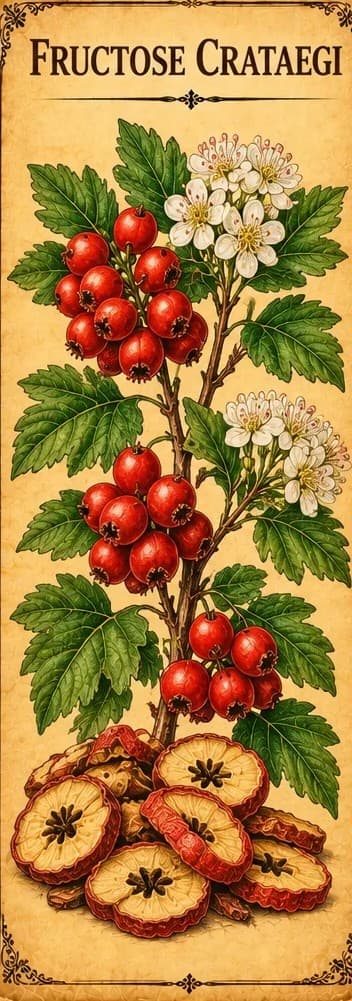
Botanical illustration of Shan Zha

Shan Zha

Crataegus pinnatifida

Chinese hawthorn fruit, eaten and used in Chinese medicine for over 2,000 years for indigestion, especially after meat, and for high blood fats. Research is mostly in the lab and in animals.

No. 193Medicinal
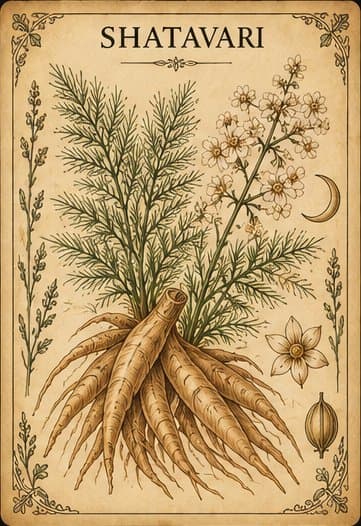
Botanical illustration of Shatavari

Shatavari

Asparagus racemosus

A root used in Ayurveda as a tonic and to increase breast milk. Research on it is limited.

No. 194Medicinal
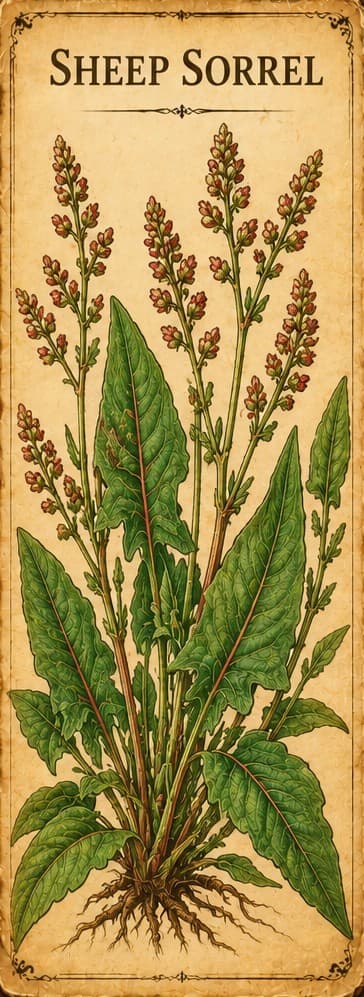
Botanical illustration of Sheep Sorrel

Sheep Sorrel

Rumex acetosella

A common weed best known as one of the four herbs in Essiac, a tea sold as a cancer remedy. The US National Cancer Institute found no good evidence that Essiac works against cancer.
No. 195Medicinal
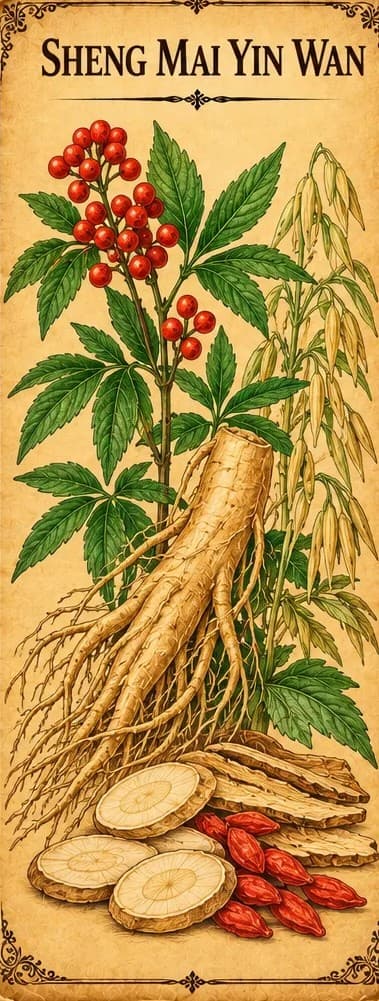
Botanical illustration of Sheng Mai Yin Wan

Sheng Mai Yin Wan

Panax ginseng, Ophiopogon japonicus, Schisandra chinensis

A classical Chinese formula of ginseng, ophiopogon and schisandra, used for about 1,000 years to "supplement qi and yin" and for heart symptoms. Low-quality trials in viral myocarditis suggest possible benefit.

No. 196Medicinal
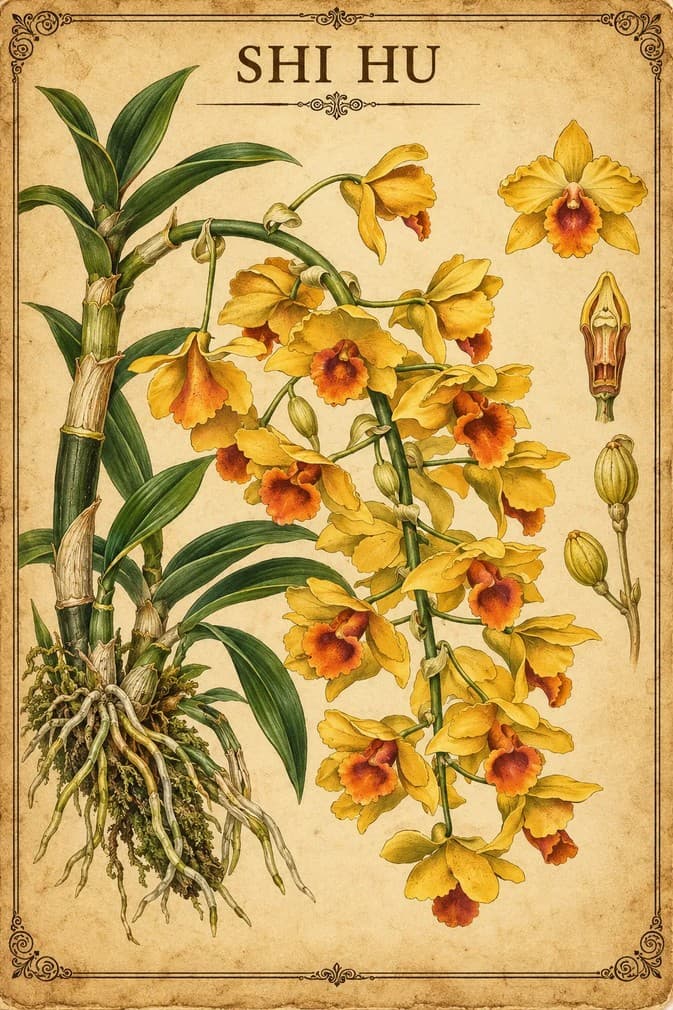
Botanical illustration of Shi Hu

Shi Hu

Dendrobium nobile

Dendrobium, the fleshy stem of an orchid ranked a premium herb in the Shennong Herbal Classic and used in Chinese medicine to strengthen the eyes and nourish yin. Research is in the lab and in animals.

No. 197Medicinal
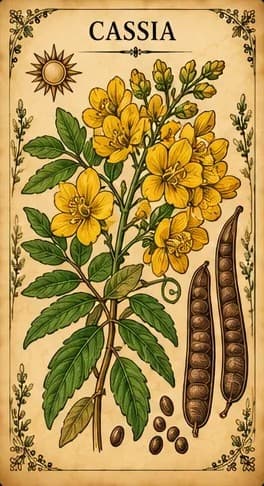
Botanical illustration of Siamese Cassia

Siamese Cassia

Senna siamea

A tree whose leaves are eaten in Thailand, where it is called khi lek and traditionally used for sleep. A calming product made from it caused cases of hepatitis.

No. 198Medicinal
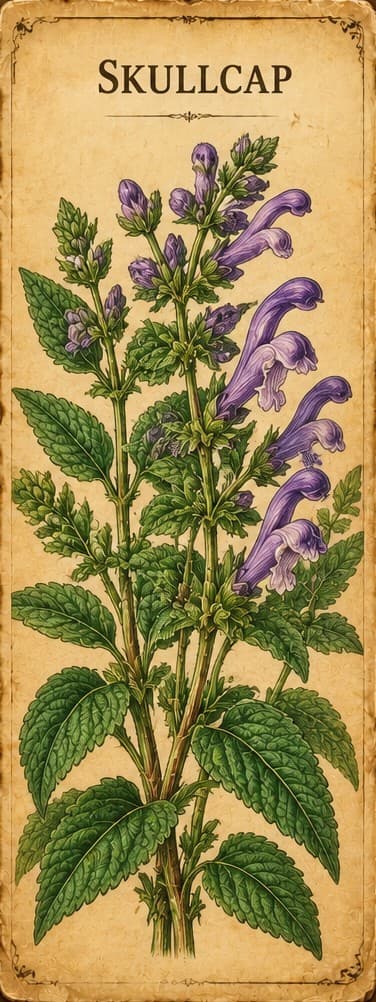
Botanical illustration of Skullcap

Skullcap

Scutellaria lateriflora

A North American mint-family herb, taken as a tea or extract for anxiety, stress and sleep. It has been linked to rare cases of liver injury, often in mixed products.

No. 199Medicinal
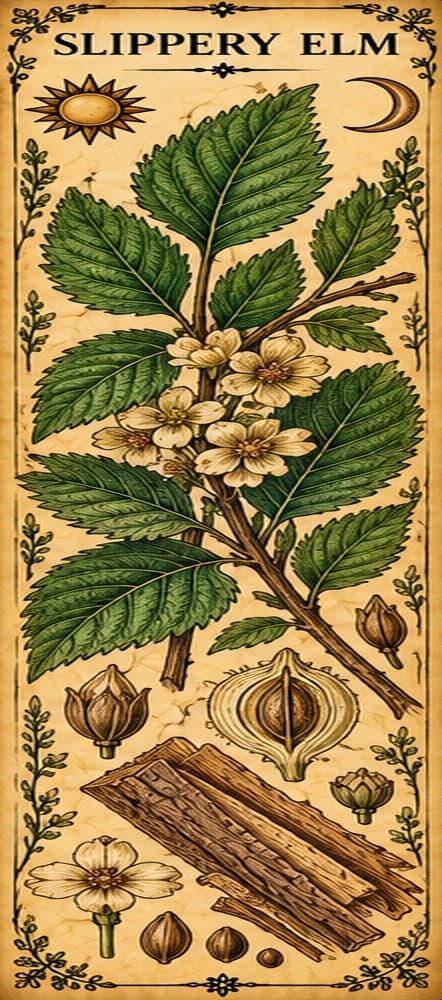
Botanical illustration of Slippery Elm

Slippery Elm

Ulmus rubra

The inner bark of a North American elm, taken by mouth for sore throat and stomach upset and used on the skin for rashes. It is generally recognized as safe.

No. 200Medicinal
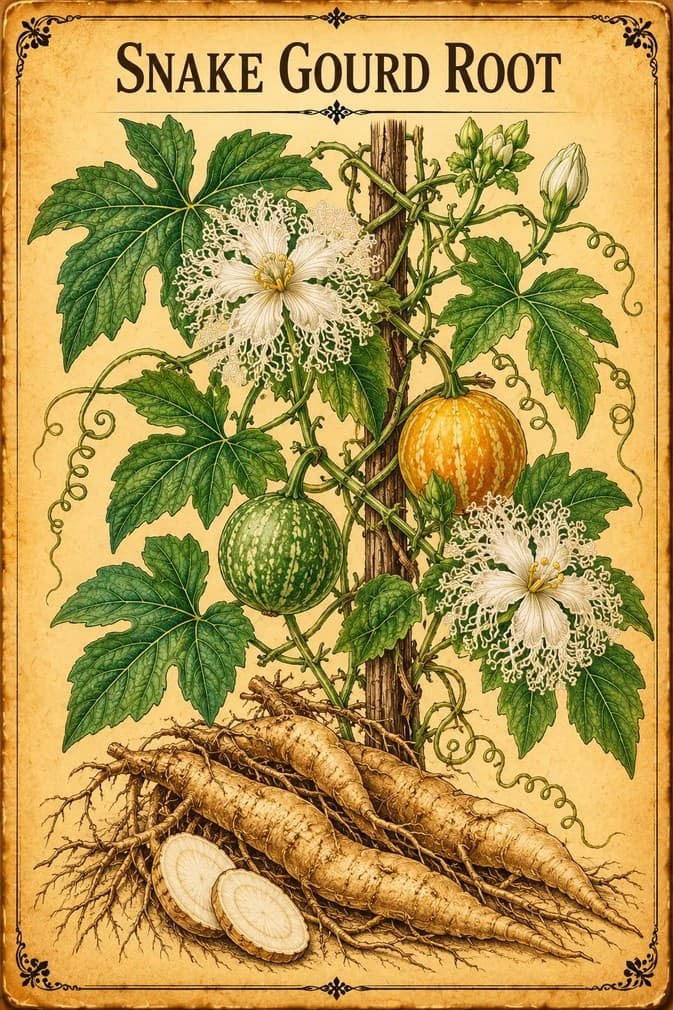
Botanical illustration of Snake Gourd Root

Snake Gourd Root

Trichosanthes kirilowii

Tian hua fen, a Chinese medicine root used for centuries for diabetes, swelling and menstrual problems. Its protein, trichosanthin, ends pregnancies and was once widely used in China for abortion.

No. 201Medicinal
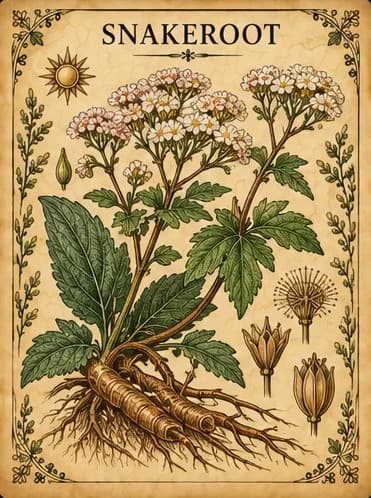
Botanical illustration of Snakeroot

Snakeroot

Ageratina pichinchensis

A plant native to Mexico, known there as axihuitl, long used in traditional Mexican medicine for skin problems and wounds. Small trials in Mexico have tested extracts for fungal skin and nail infections and leg ulcers.

No. 202Medicinal
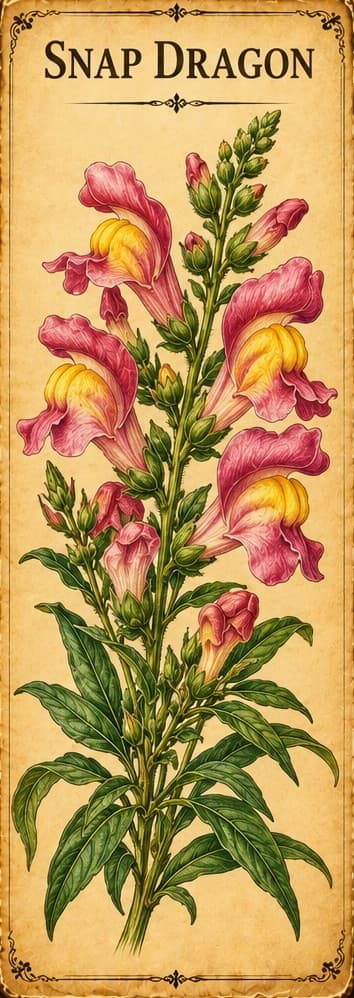
Botanical illustration of Snapdragon

Snapdragon

Antirrhinum majus

A Mediterranean garden flower. In Iraqi folk medicine the whole plant is boiled for liver problems and as a wash, and in lab tests its flower extract slowed some bacteria and fungi.

No. 203Medicinal
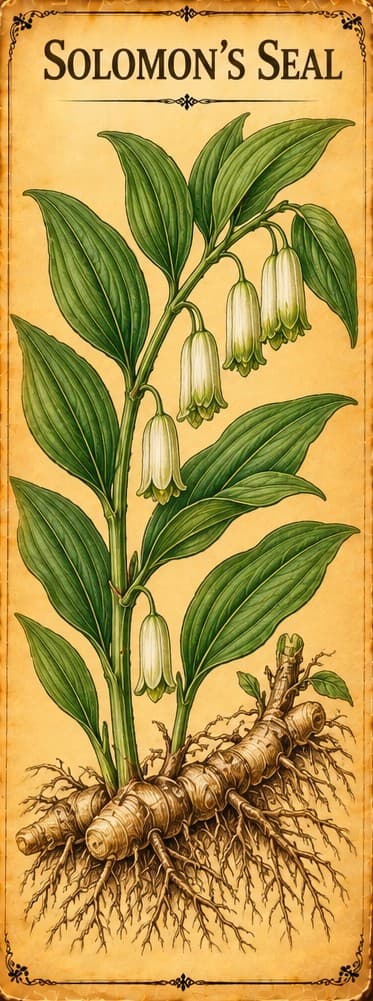
Botanical illustration of Solomon's Seal

Solomon's Seal

Polygonatum odoratum

Angular Solomon's seal, or yu zhu, a root eaten as both food and medicine in China for over 2,000 years, used for dry coughs, thirst and a dry throat. Most research is in the lab and in animals.

No. 204Medicinal
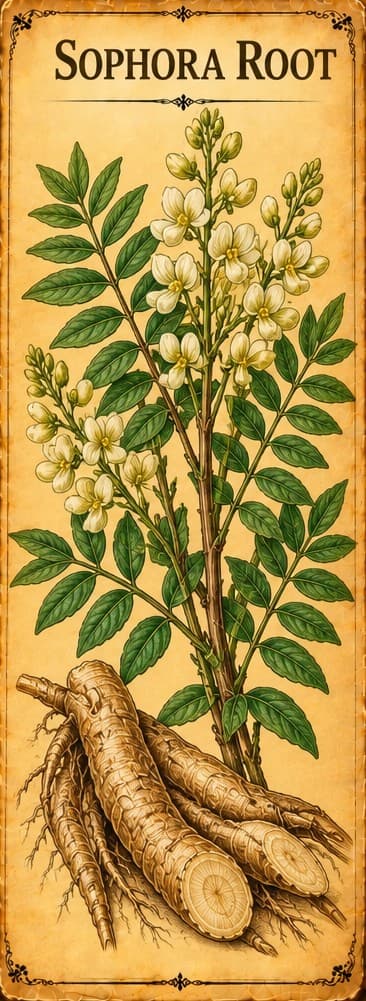
Botanical illustration of Sophora Root

Sophora Root

Sophora flavescens

Ku shen, a bitter root used in Chinese medicine for over 1,700 years for dysentery, jaundice and skin diseases. Low-quality trials of a Chinese capsule containing it suggest it may help ulcerative colitis.

No. 205Medicinal
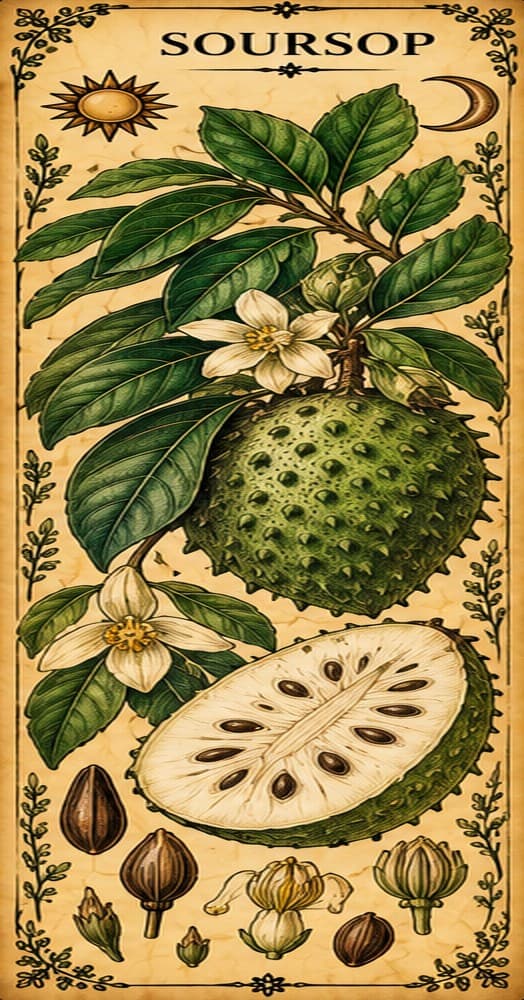
Botanical illustration of Soursop

Soursop

Annona muricata

A tropical fruit (graviola) used in folk medicine for stomachache, diarrhea and intestinal parasites. Eating it has been linked to more severe Parkinson's disease in the Caribbean.

No. 206Medicinal
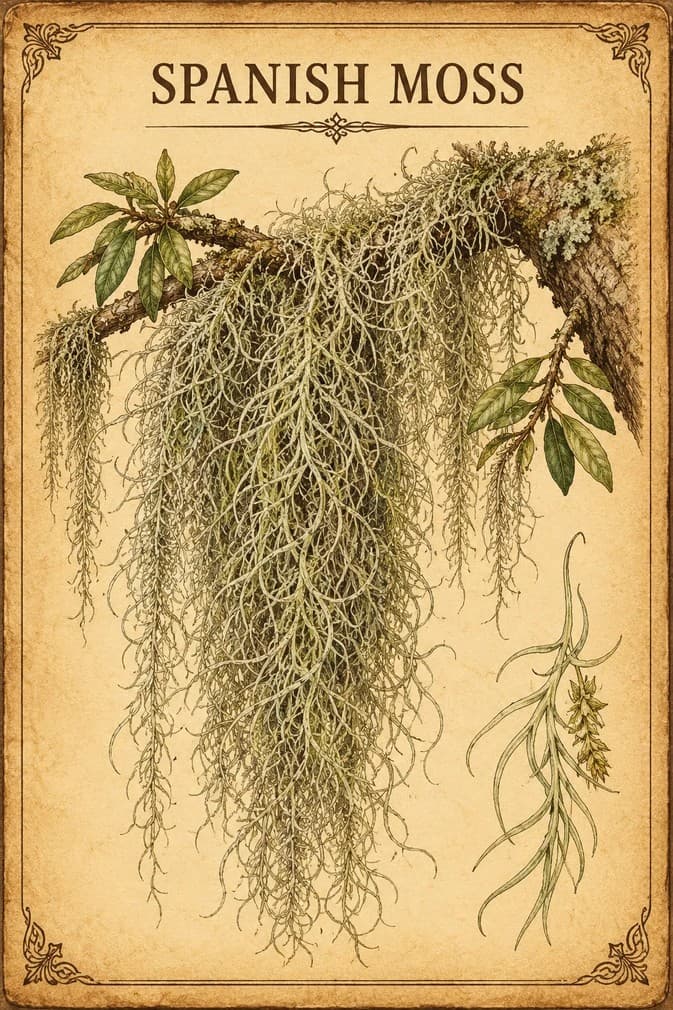
Botanical illustration of Spanish Moss

Spanish Moss

Tillandsia usneoides

A flowering plant in the pineapple family, not a true moss, that hangs from trees. Traditionally used for diabetes, high blood pressure and rheumatism; research so far is only in the lab and in mice.

No. 207Medicinal
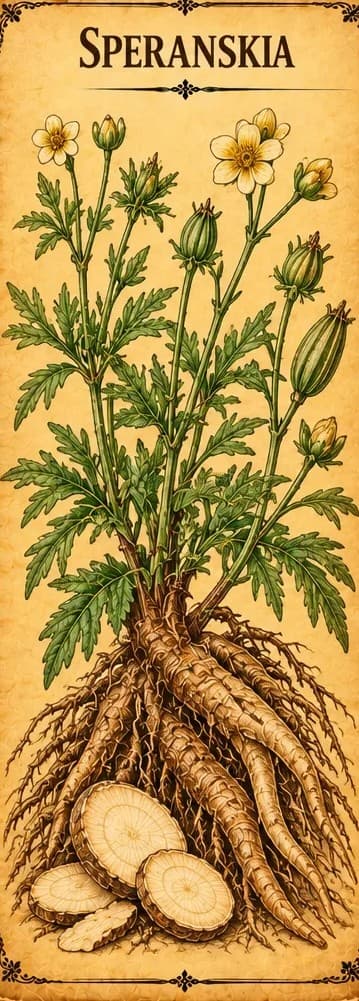
Botanical illustration of Speranskia

Speranskia

Speranskia tuberculata

A Chinese medicinal herb used to "dispel wind and dampness", promote circulation and relieve pain. Very little research has been published on it.

No. 208Medicinal
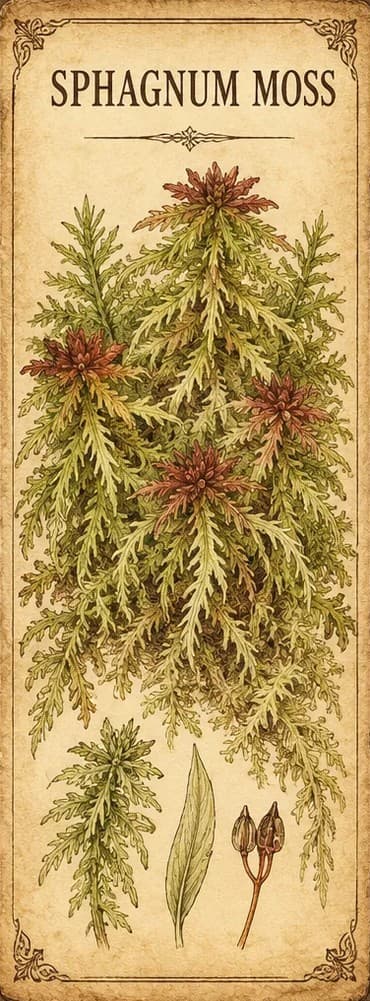
Botanical illustration of Sphagnum Moss

Sphagnum Moss

Sphagnum spp.

Peat moss, a very absorbent bog moss used in Europe for centuries as a wound dressing and as nappies and bedding for babies.

No. 209Medicinal
Botanical illustration of St. John's Wort

St. John's Wort

Hypericum perforatum

A yellow-flowered herb traditionally used to support mood. It interacts with many common medicines.

No. 210Medicinal
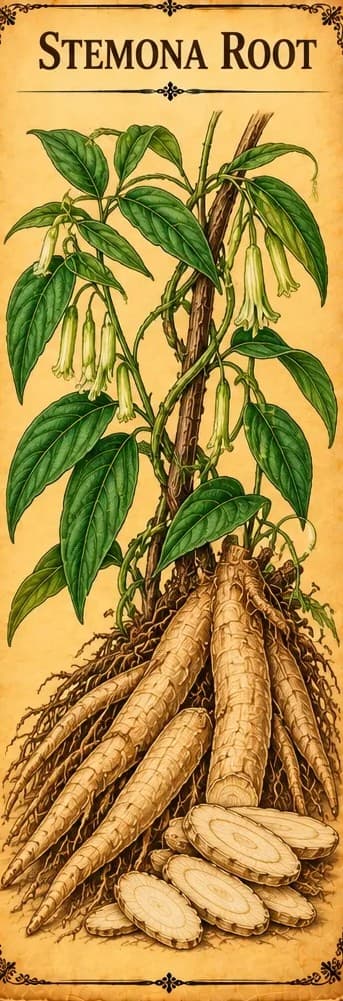
Botanical illustration of Stemona Root

Stemona Root

Stemona species

Bai bu, the root of Stemona plants used across South and East Asia for cough and asthma, and to kill lice and other pests.

No. 211Medicinal
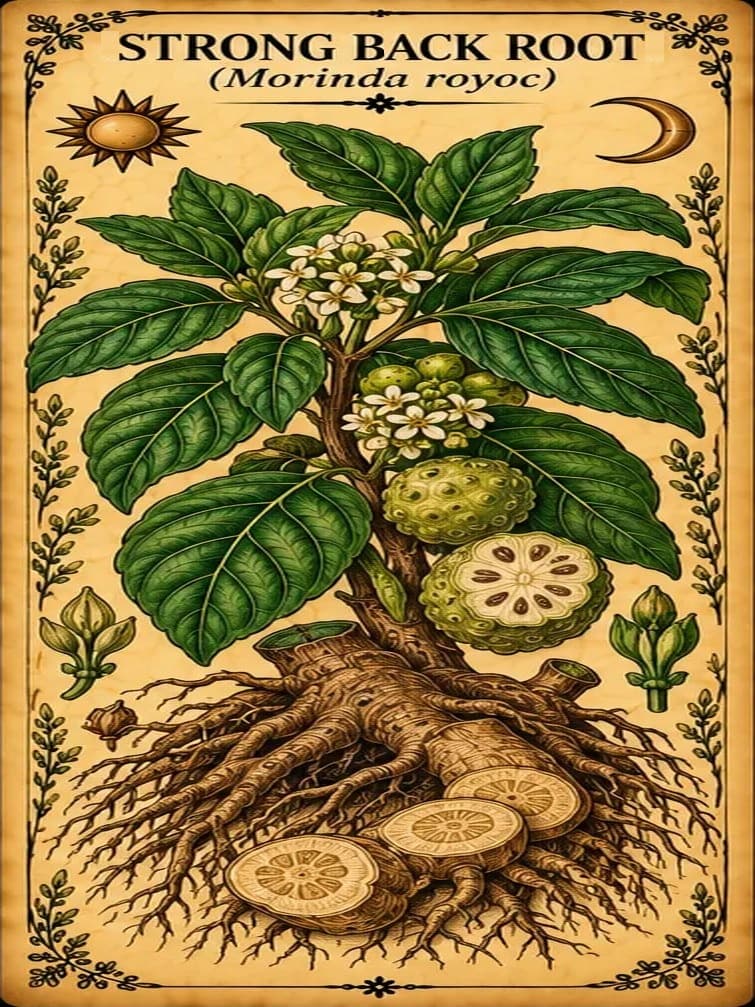
Botanical illustration of Strong Back Root

Strong Back Root

Morinda royoc

Redgal, a root boiled into Jamaica's "strong back" roots tonic, used by men for impotence and stamina. It hasn't been studied in people.

No. 212Medicinal
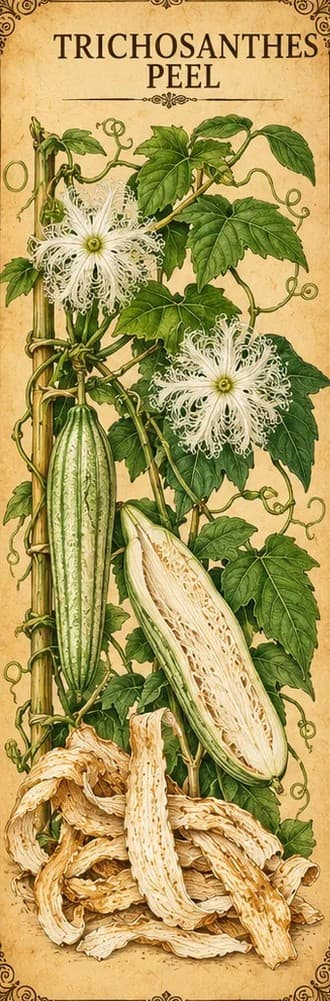
Botanical illustration of Trichosanthes Peel

Trichosanthes Peel

Trichosanthes kirilowii

Gua lou pi, the dried fruit peel of the snake gourd plant, used in Chinese medicine for about 2,000 years for heart conditions such as angina and for cough with phlegm.

No. 213Medicinal
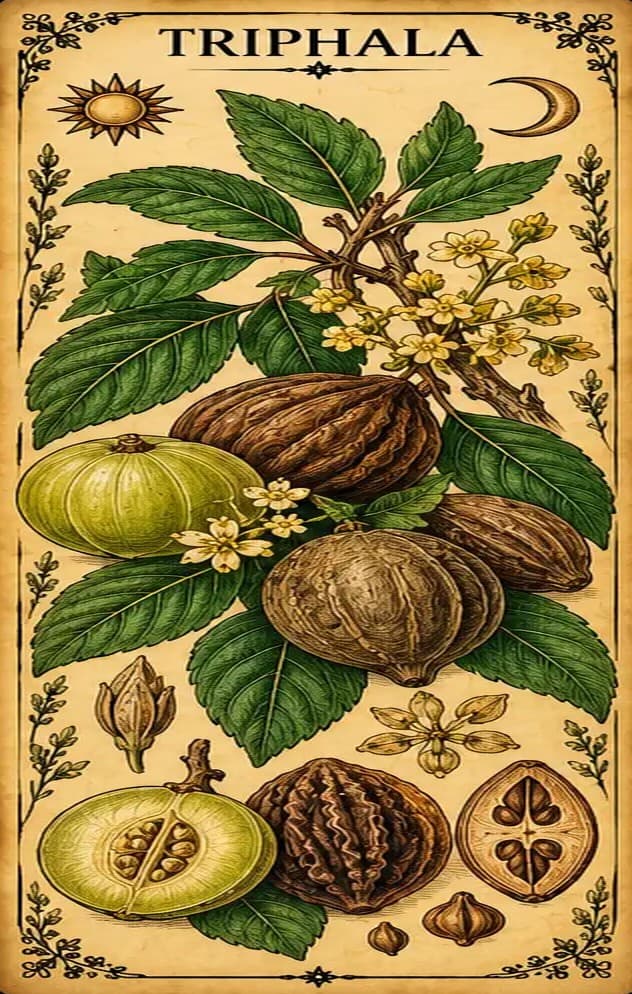
Botanical illustration of Triphala

Triphala

Phyllanthus emblica, Terminalia bellirica, Terminalia chebula

A classic Ayurvedic blend of three dried fruits (amalaki, bibhitaki and haritaki), used as a cornerstone of digestive care and as a laxative. Research in people is limited.

No. 214Medicinal
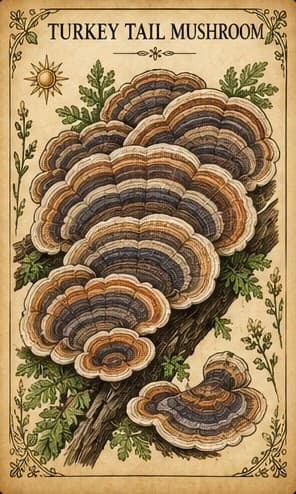
Botanical illustration of Turkey Tail

Turkey Tail

Trametes versicolor

A mushroom used in traditional Chinese medicine as a tonic. Extracts from it are used alongside cancer treatment in Japan and China.

No. 215Medicinal
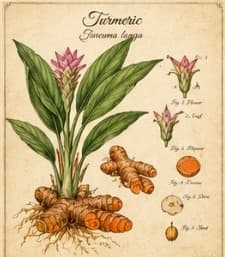
Botanical illustration of Turmeric

Turmeric

Curcuma longa

A golden root used in curries, known for its natural compound curcumin and traditionally used for inflammation.

No. 216Medicinal
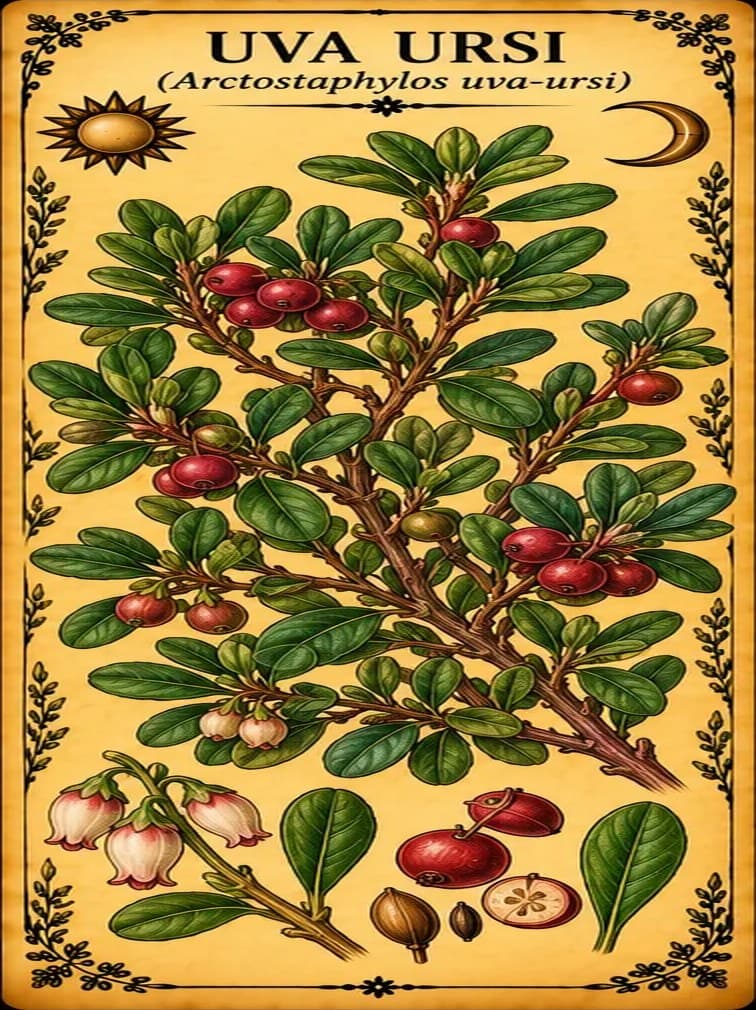
Botanical illustration of Uva Ursi

Uva Ursi

Arctostaphylos uva-ursi

Bearberry leaf, recognised in Europe as a traditional remedy for mild, repeated bladder infections in adult women. Use it for no more than a week.

No. 217Medicinal
Botanical illustration of Valerian

Valerian

Valeriana officinalis

A root traditionally used to help with sleep.

No. 218Medicinal
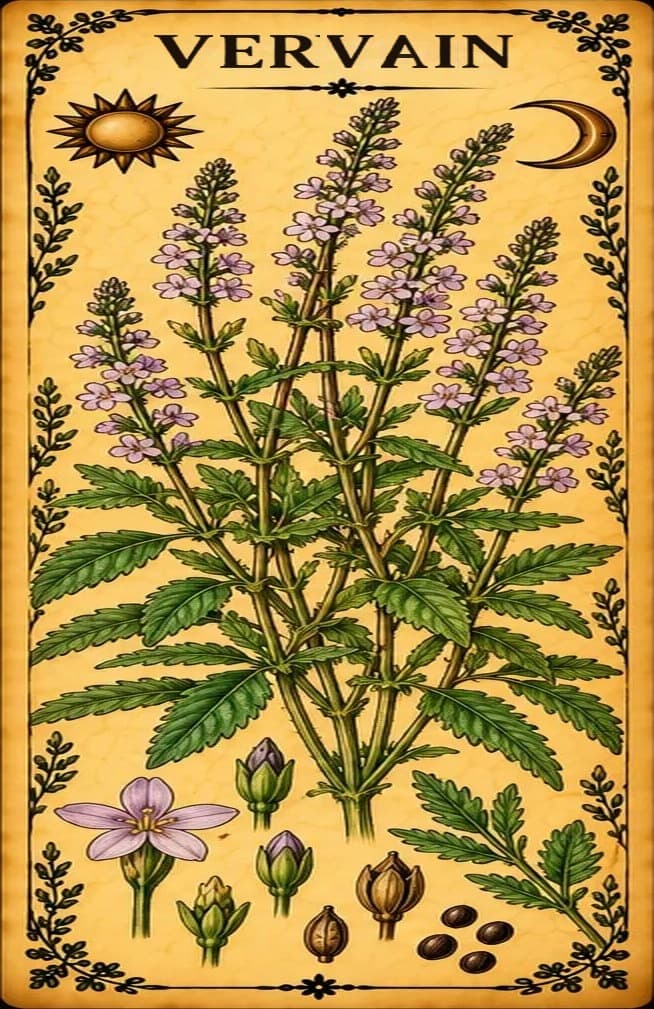
Botanical illustration of Vervain

Vervain

Stachytarpheta jamaicensis

Called vervain in Jamaica and vervine in Antigua and Trinidad, a weedy plant whose leaves make a "cooling" tea used for the stomach, colds and coughs, and to clean wounds.

No. 219Medicinal
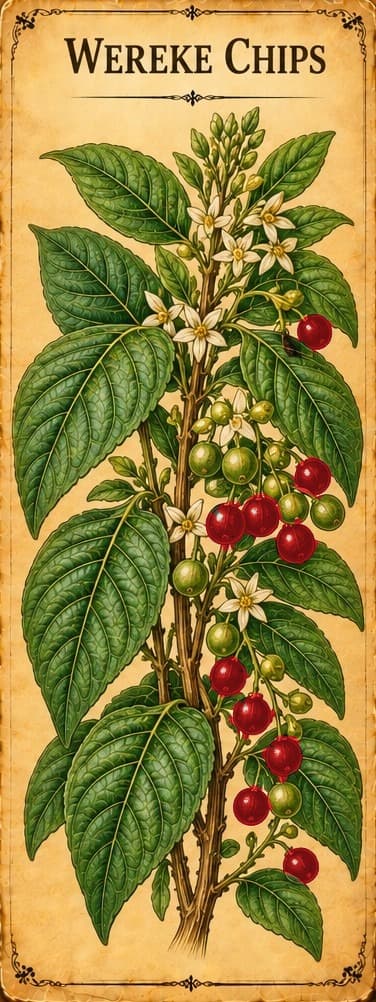
Botanical illustration of Wereke

Wereke

Ibervillea sonorae

The root of a wild gourd from northwestern Mexico, sold as dried "chips" and boiled into a tea for diabetes in Mexican folk medicine. Lab and animal studies suggest it may lower blood sugar, but it hasn't been tested in people.

No. 220Medicinal
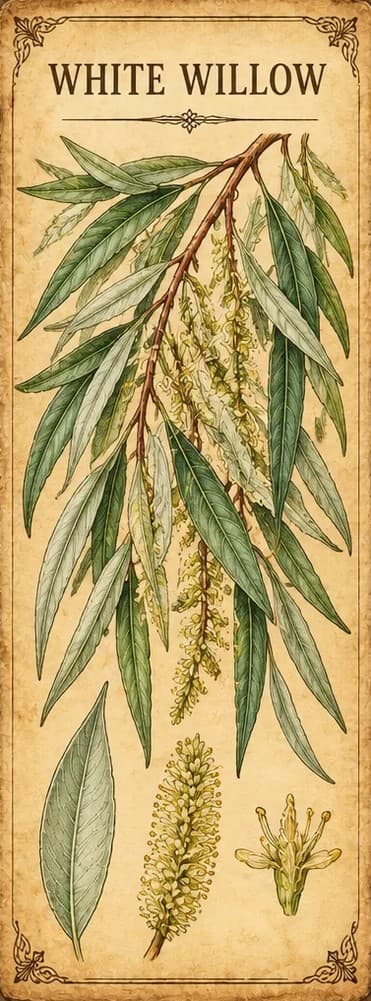
Botanical illustration of White Willow

White Willow

Salix alba

Willow bark, a natural source of salicin, a relative of aspirin. Recognized in Europe for short-term lower back pain, and traditionally for joint pain, fever and headache.

No. 221Medicinal
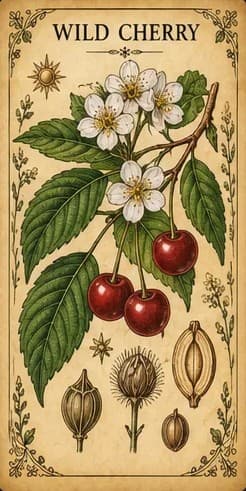
Botanical illustration of Wild Cherry

Wild Cherry

Prunus serotina

Black cherry (capulín), a North American tree used in Mexican folk medicine for cough, high blood pressure and digestive problems. Its seeds and leaves contain compounds that can release cyanide.

No. 222Medicinal
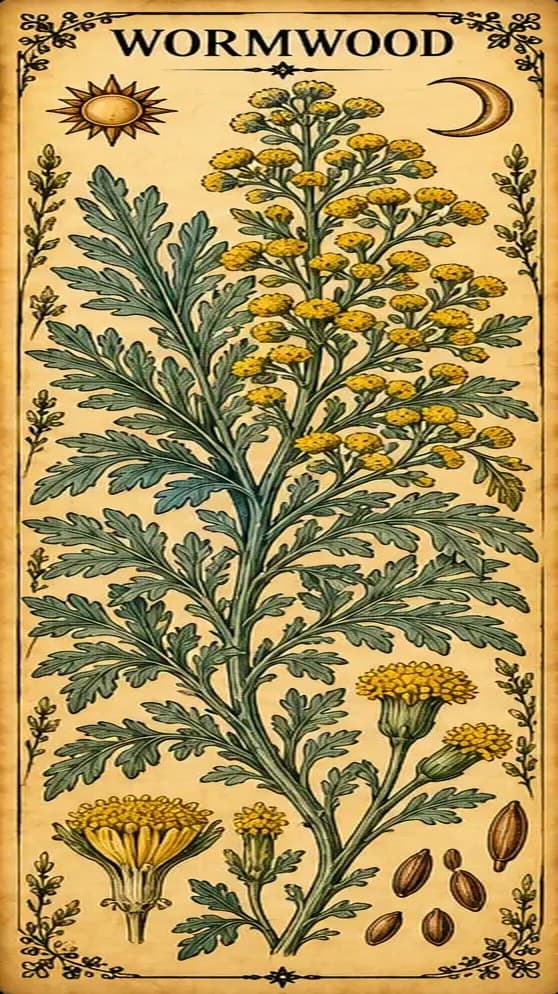
Botanical illustration of Wormwood

Wormwood

Artemisia absinthium

A bitter herb recognized in Europe as a traditional medicine for temporary loss of appetite and mild heartburn and stomach and gut complaints.

No. 223Medicinal
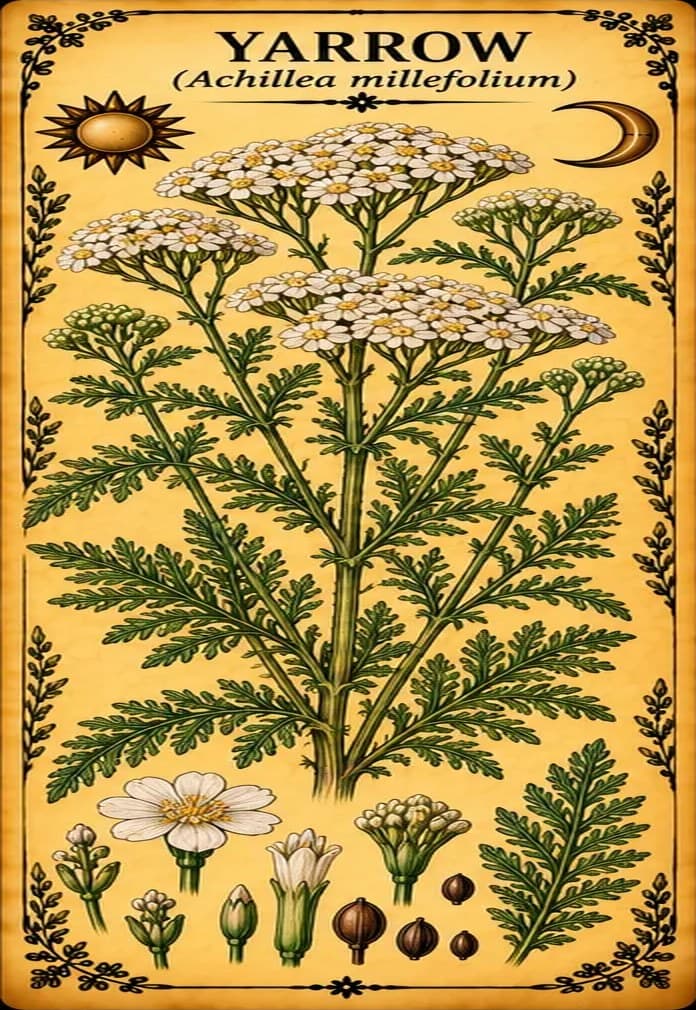
Botanical illustration of Yarrow

Yarrow

Achillea millefolium

An herb recognised in Europe as a traditional remedy for loss of appetite, mild digestive problems, period cramps and small wounds.

No. 224Medicinal
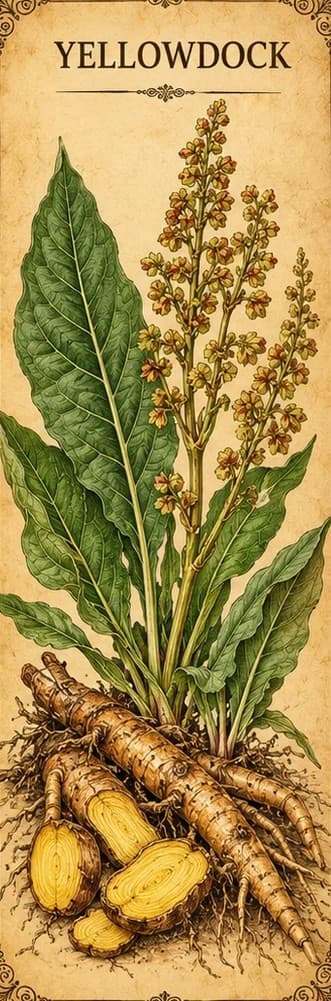
Botanical illustration of Yellow Dock

Yellow Dock

Rumex crispus

Curly dock, a plant whose root and leaves are traditional laxatives and tonics, also used for skin problems and jaundice. Research is in the lab and in rats.

No. 225Medicinal
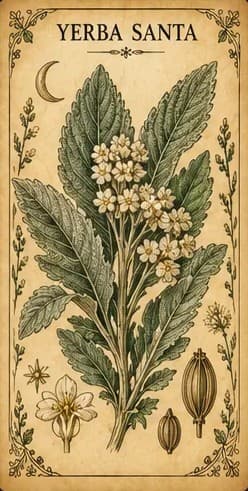
Botanical illustration of Yerba Santa

Yerba Santa

Eriodictyon californicum

A shrub from the southwestern United States and northern Mexico whose leaves have been used by Indigenous peoples for centuries, especially for breathing problems.

No. 226Medicinal
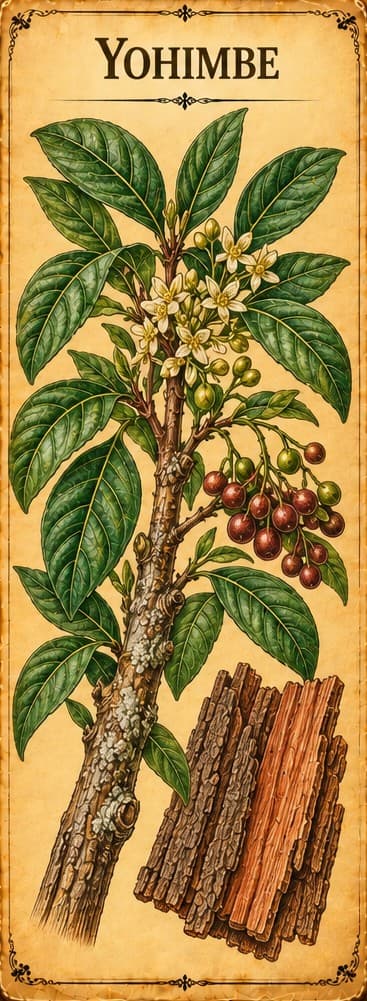
Botanical illustration of Yohimbe

Yohimbe

Pausinystalia johimbe

The bark of a central and west African tree, promoted for erectile dysfunction, sports performance and weight loss. There's little research in people, and yohimbine, its main compound, has been linked to heart attacks and seizures.

No. 227Medicinal
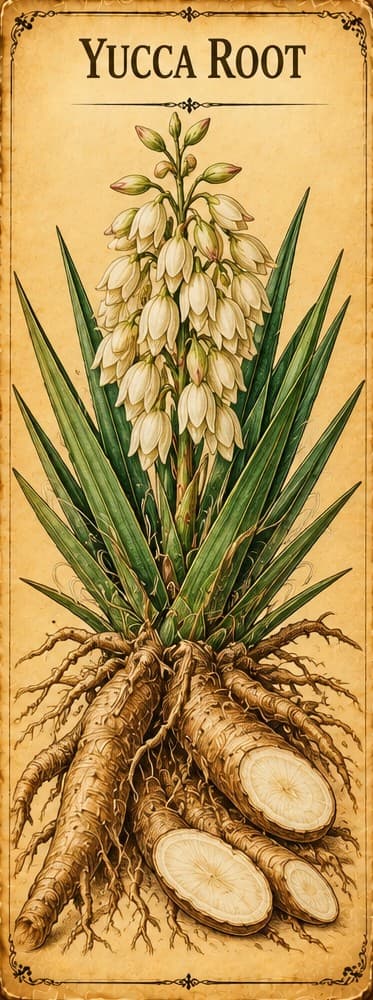
Botanical illustration of Yucca Root

Yucca Root

Yucca schidigera

A desert plant of the southwestern US and northern Mexico, used by Native Americans for arthritis. It's rich in soapy compounds called saponins and is approved as a food additive in the US, but evidence for arthritis is weak.