Discover the Power of Plants

The Herbal Library

Search the full collection

Browse every herb in the database by name, category, or the body system it's traditionally associated with.

Filtered by body system:DigestiveClear

Results

58 herbs
No. 001Medicinal
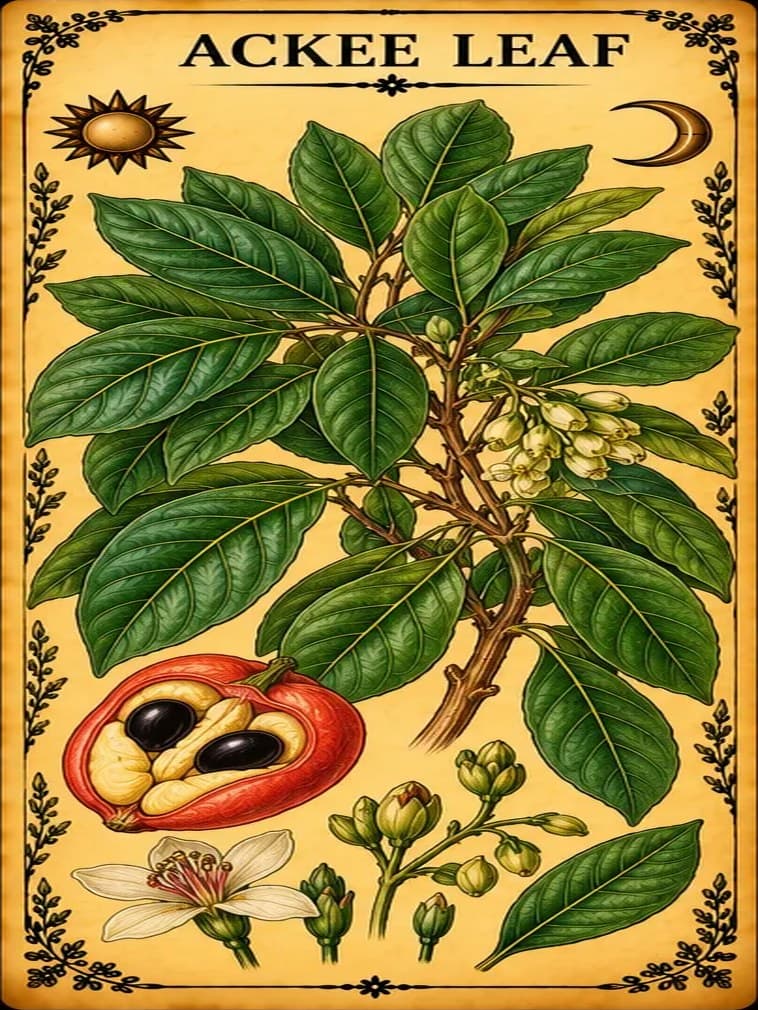
Botanical illustration of Ackee Leaf

Ackee Leaf

Blighia sapida

Leaves of the ackee tree, whose fruit is Jamaica's national dish. The leaves are used in folk medicine for pain, fever and stomach problems. Unripe ackee fruit is poisonous.
Indigestion

No. 002Medicinal
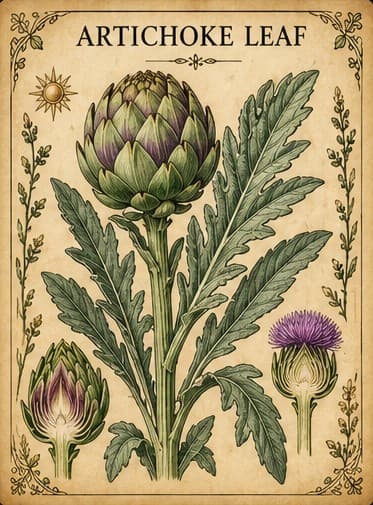
Botanical illustration of Artichoke Leaf

Artichoke Leaf

Cynara cardunculus

Leaves of the artichoke plant, recognized in Europe for indigestion, fullness and bloating. Several small trials suggest it may lower liver enzyme levels in fatty liver disease.

Bloating · Indigestion

No. 003Medicinal
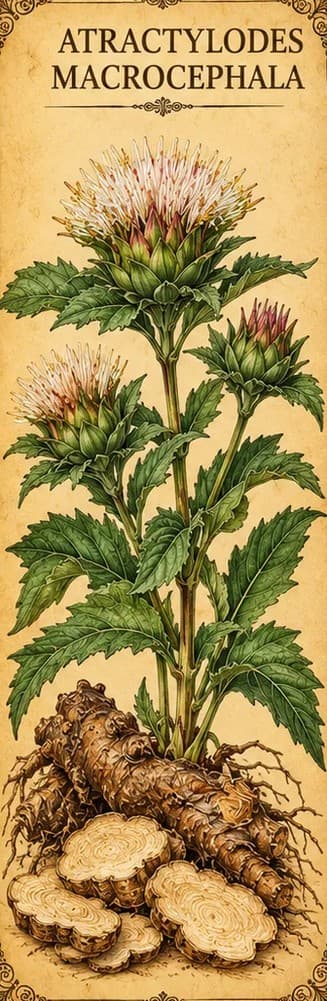
Botanical illustration of Atractylodes Macrocephala

Atractylodes Macrocephala

Atractylodes macrocephala

Bai zhu, a Chinese tonic rhizome for weak digestion and an unsettled pregnancy. Formulas built around it and white peony helped IBS in trials of moderate quality.

Indigestion · Irritable Bowel Syndrome (IBS)

No. 004Medicinal
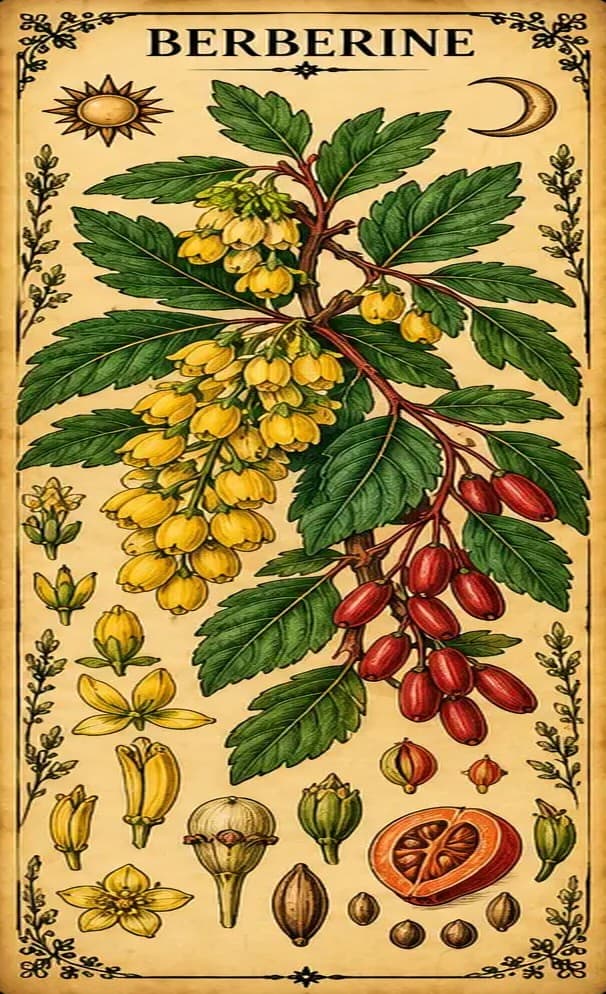
Botanical illustration of Berberine

Berberine

Berberis vulgaris

A natural compound found in barberry (shown here) and other plants such as goldenseal. It is widely used in China for diarrhea, and has been studied for H. pylori infection and blood sugar.

Diarrhea · SIBO and Intestinal Parasites · Stomach Ulcers and H. pylori

No. 005Culinary
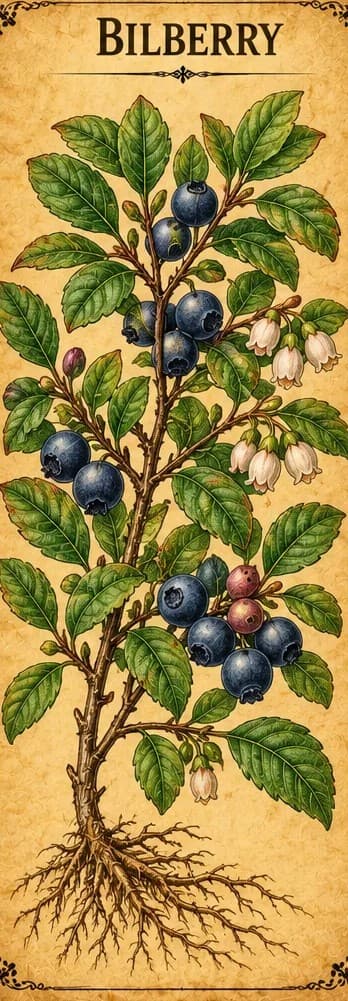
Botanical illustration of Bilberry

Bilberry

Vaccinium myrtillus

Dried bilberries are a traditional EU herbal medicine for mild diarrhea and mouth inflammation. Trials of supplements for blood sugar and heart health are small and inconclusive.

Diarrhea

No. 006Medicinal
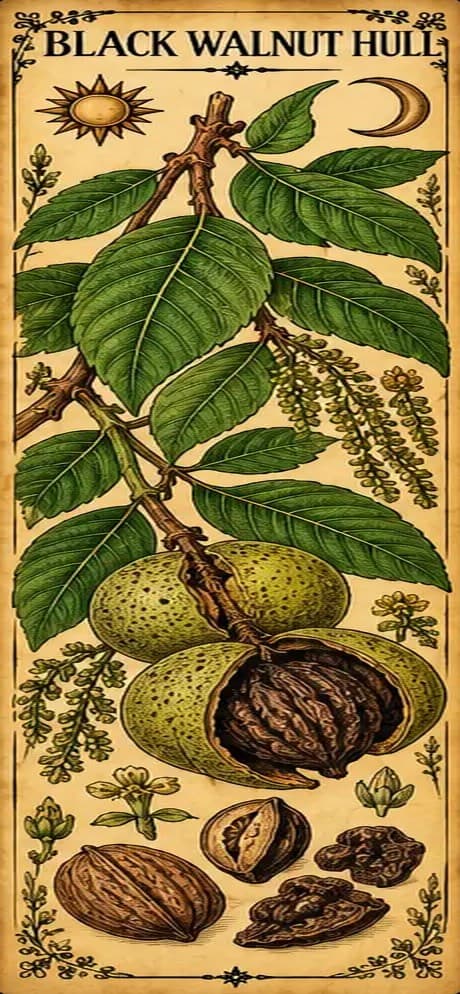
Botanical illustration of Black Walnut

Black Walnut

Juglans nigra

A North American tree whose nut hulls contain juglone and other compounds. Black walnut hull is an ingredient in herbal gut formulas, but it hasn't been studied on its own in people.

SIBO and Intestinal Parasites

No. 007Medicinal
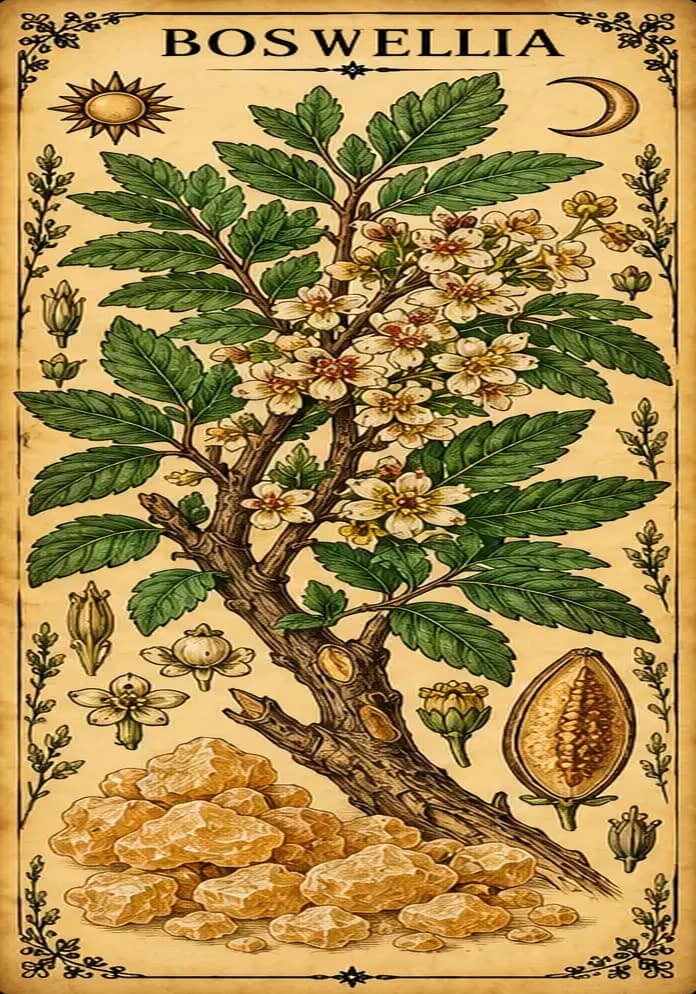
Botanical illustration of Boswellia

Boswellia

Boswellia serrata

Indian frankincense, a gum resin from a tree used for centuries in Ayurveda for inflammation. It is marketed for arthritis and colitis, and has been studied with curcumin for IBS bloating.

Bloating · Irritable Bowel Syndrome (IBS)

No. 008Medicinal
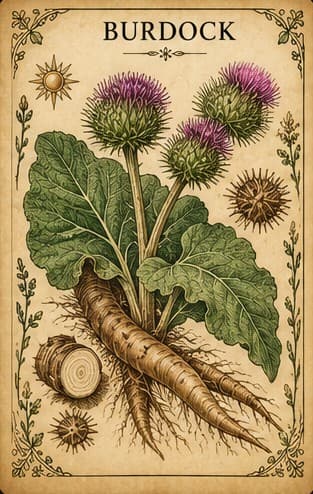
Botanical illustration of Burdock

Burdock

Arctium lappa

A plant whose root has been eaten as food in Asia for centuries. It is traditionally used as a "blood purifier" and for skin problems, but there is little evidence in people.

Loss of Appetite

No. 009Culinary
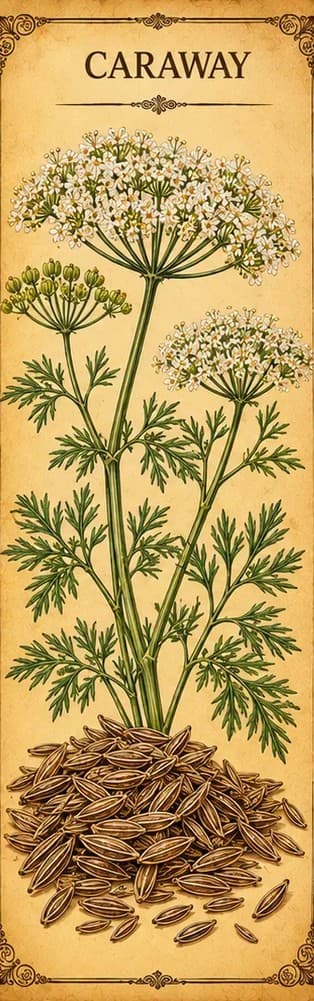
Botanical illustration of Caraway

Caraway

Carum carvi

A carrot-family plant whose fruit (seeds) is used as a spice and, in Europe, as a traditional tea for bloating and wind.

Bloating · Indigestion

No. 010Medicinal
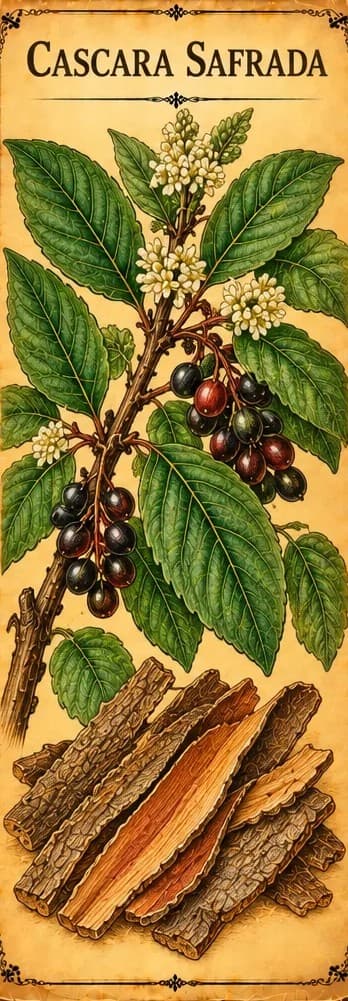
Botanical illustration of Cascara Sagrada

Cascara Sagrada

Rhamnus purshiana

The dried bark of a tree, accepted in the EU as a stimulant laxative for short-term use in occasional constipation. It shouldn't be used for more than a week.

Constipation

No. 011Medicinal
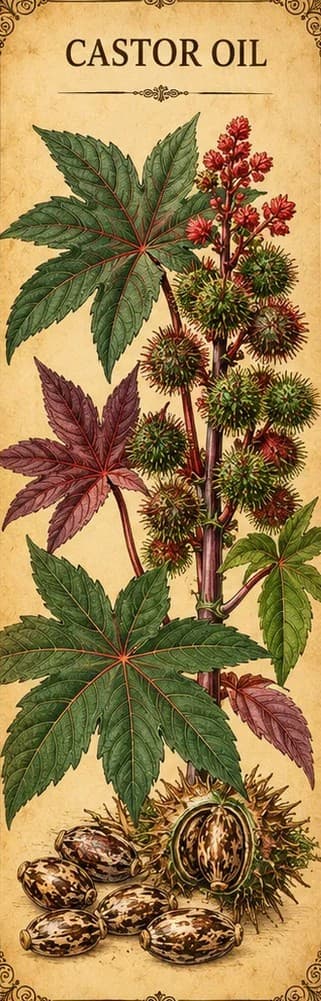
Botanical illustration of Castor Oil

Castor Oil

Ricinus communis

Oil pressed from castor seeds, a strong traditional laxative also used to bring on labour. The seeds themselves contain ricin, one of the most toxic plant substances.

Constipation

No. 012Culinary
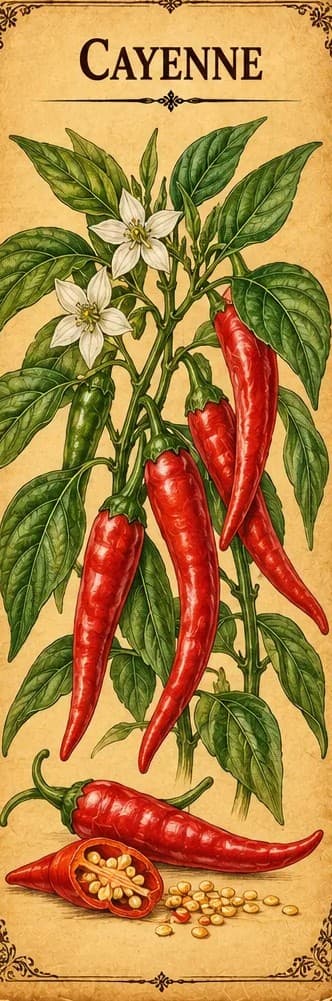
Botanical illustration of Cayenne

Cayenne

Capsicum frutescens

Hot chili pepper. In the EU, cayenne extract in skin plasters and creams is an accepted medicine for muscle pain such as low back pain.

Irritable Bowel Syndrome (IBS)

No. 013Medicinal
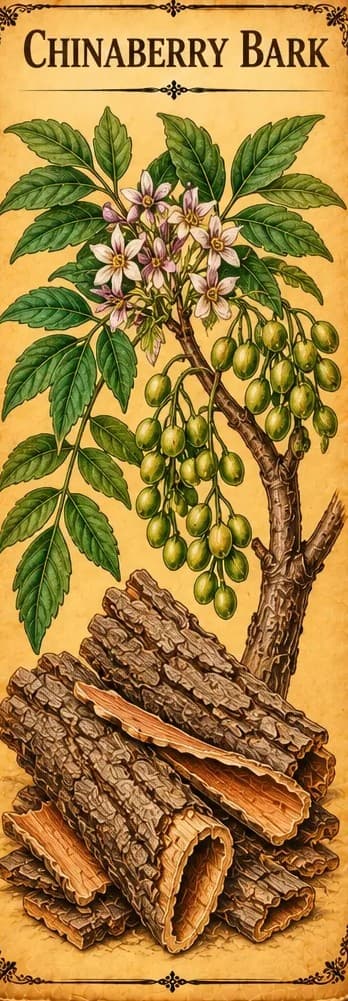
Botanical illustration of Chinaberry Bark

Chinaberry Bark

Melia azedarach

Bark of the chinaberry tree, whose compound toosendanin was developed in China as a roundworm medicine. The plant is toxic: toosendanin damages the liver, and chinaberry has poisoned many kinds of animals.

SIBO and Intestinal Parasites

No. 014Medicinal
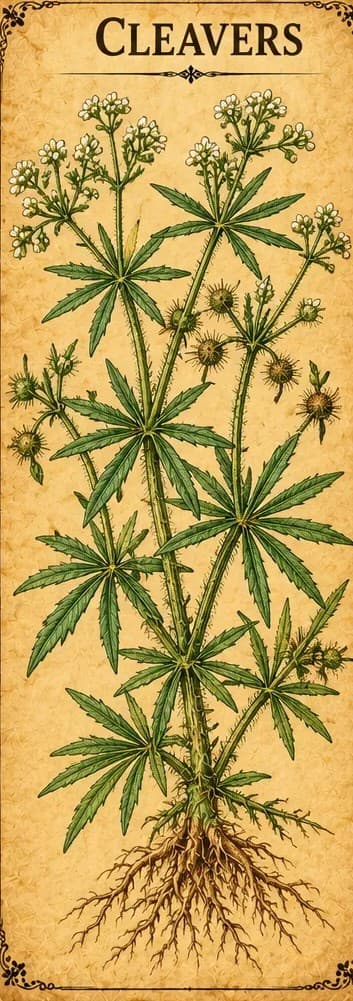
Botanical illustration of Cleavers

Cleavers

Galium aparine

A sticky, fast-growing plant traditionally used to increase urination and relieve bloating, and for swollen glands, fever and wounds. In the lab, an extract helped skin cells heal a scratch.

Bloating

No. 015Medicinal
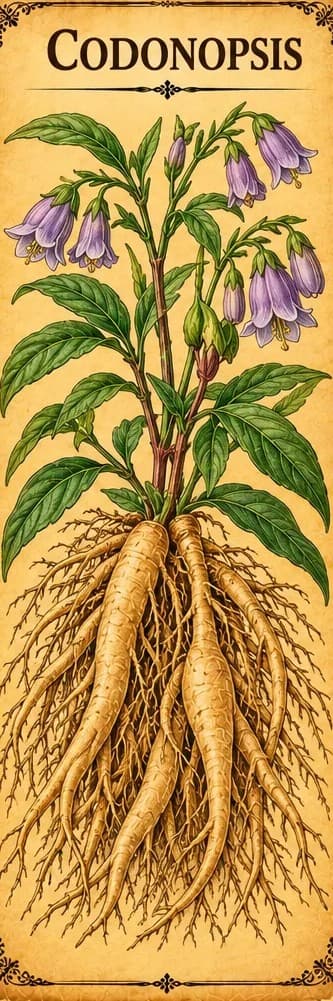
Botanical illustration of Codonopsis

Codonopsis

Codonopsis pilosula

Dang shen, a Chinese tonic root used alongside or in place of ginseng for about 1,000 years to strengthen the spleen, stomach and lungs. Research is in the lab and in animals.

Indigestion

No. 016Medicinal
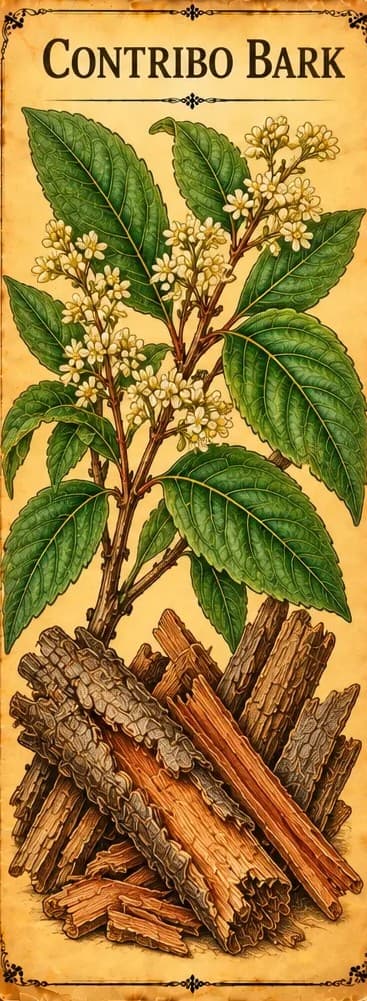
Botanical illustration of Contribo

Contribo

Aristolochia trilobata

An Aristolochia vine used in Caribbean and Latin American folk medicine for stomach aches, colic and asthma. It contains aristolochic acids, which cause kidney failure and urinary tract cancer.

Indigestion

No. 017Medicinal
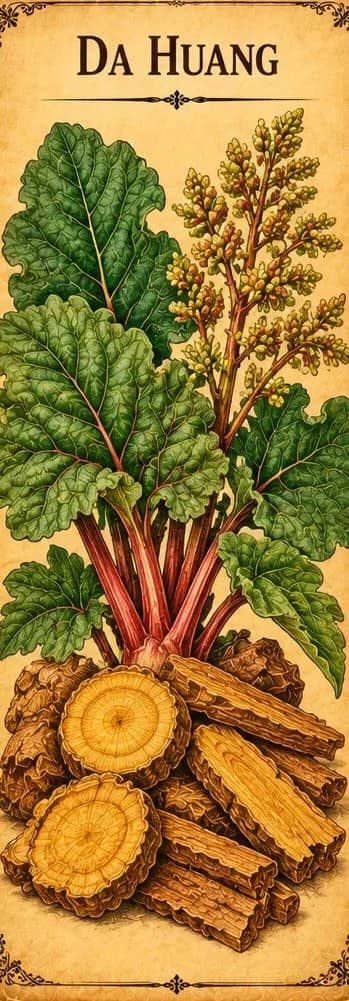
Botanical illustration of Da Huang

Da Huang

Rheum palmatum

Chinese rhubarb root, a Chinese medicine used for thousands of years as a purgative, and accepted in the EU as a stimulant laxative for occasional constipation, for no more than a week.

Constipation

No. 018Medicinal
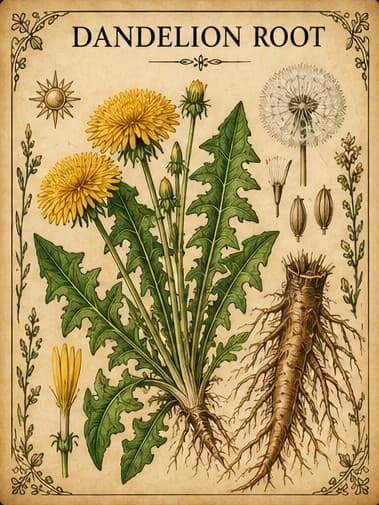
Botanical illustration of Dandelion

Dandelion

Taraxacum officinale

A plant whose root and leaves have long been used for indigestion and, historically, for problems with bile flow. There is very little research on it in people.

Bloating · Indigestion · Loss of Appetite

No. 019Medicinal
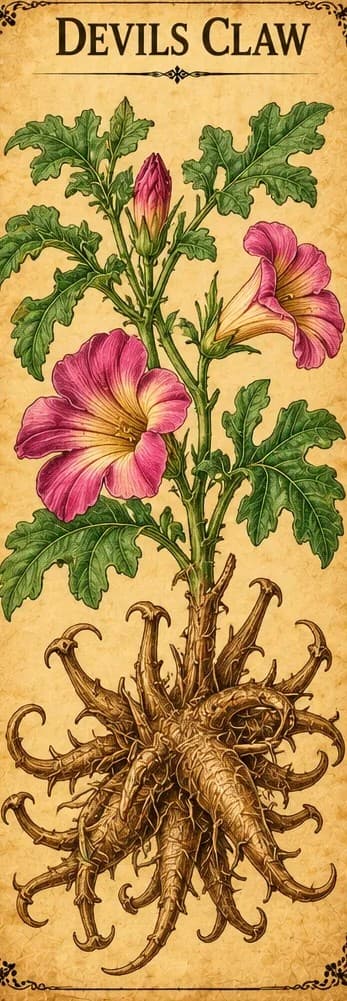
Botanical illustration of Devil's Claw

Devil's Claw

Harpagophytum procumbens

A southern African root recognised in the EU as a traditional medicine for minor joint pain and mild digestive problems. Trials of variable quality suggest it helps osteoarthritis and back pain.

Bloating · Loss of Appetite

No. 020Medicinal
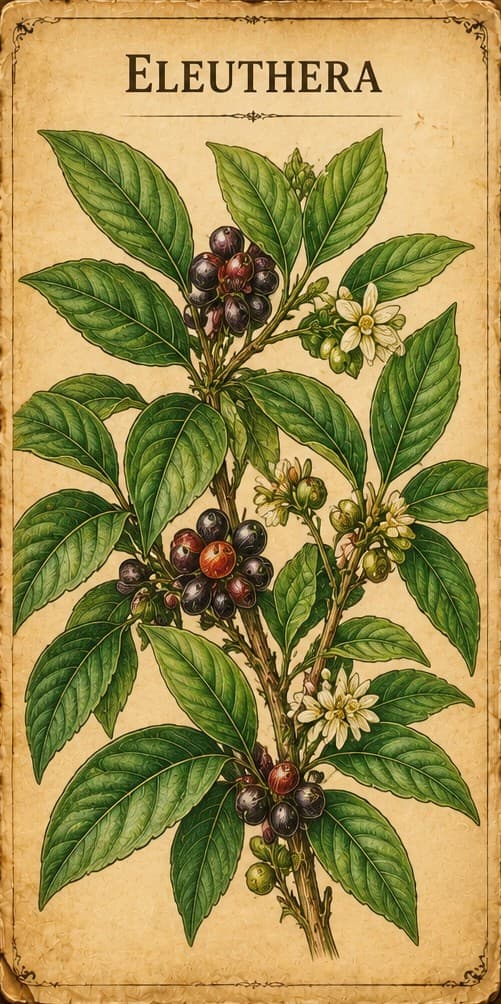
Botanical illustration of Eleuthera

Eleuthera

Croton eluteria

The bitter, aromatic bark of a small Bahamian tree, also called cascarilla. It was once a standard medicine for indigestion, gas, diarrhea and vomiting, and is now mainly a flavoring for drinks.

Indigestion · Occasional Nausea · Diarrhea

No. 021Medicinal
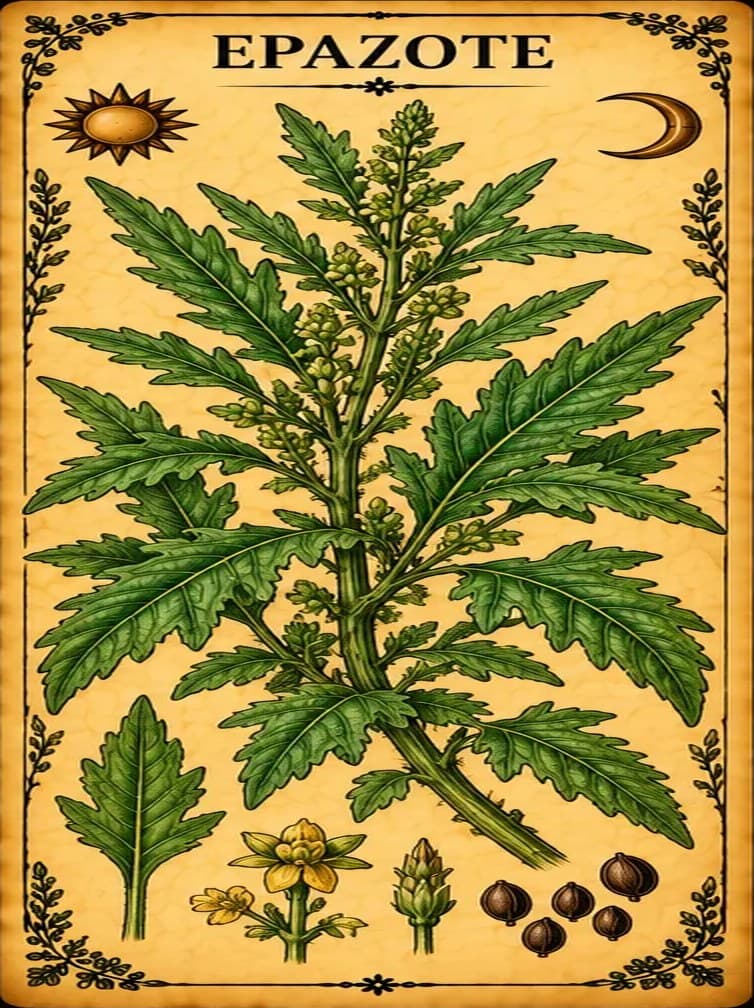
Botanical illustration of Epazote

Epazote

Dysphania ambrosioides

An herb used in Jamaican and Latin American folk medicine against worms. It can cause serious, even deadly, poisoning, especially in children.

SIBO and Intestinal Parasites

No. 022Medicinal
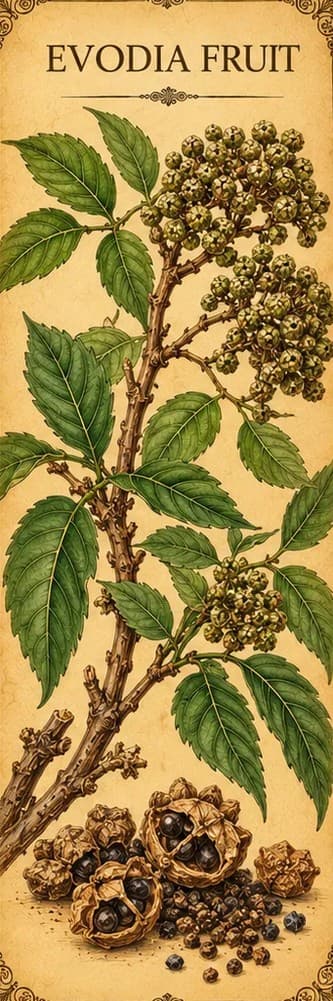
Botanical illustration of Evodia Fruit

Evodia Fruit

Tetradium ruticarpum

Wu zhu yu, a Chinese medicine fruit used to dispel cold, relieve pain and stop vomiting and diarrhoea, including for headache and period pain. It's mildly toxic and has caused liver damage.

Occasional Nausea

No. 023Medicinal
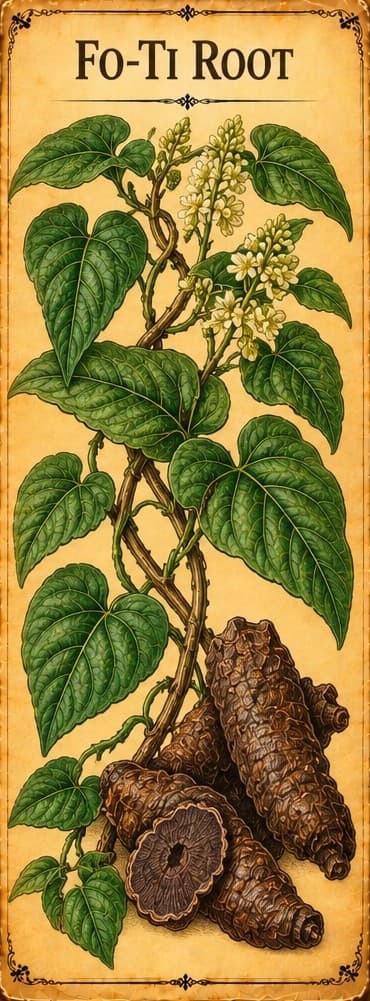
Botanical illustration of Fo-Ti

Fo-Ti

Reynoutria multiflora

He shou wu, a popular Chinese root traditionally taken to darken graying hair, as an anti-ageing tonic, and for dizziness and constipation. Hundreds of cases of liver injury have been linked to it, a few of them fatal.

Constipation

No. 024Medicinal
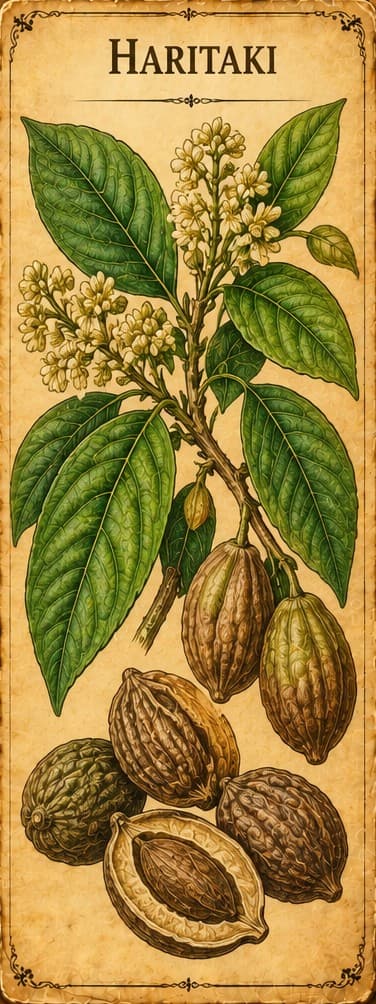
Botanical illustration of Haritaki

Haritaki

Terminalia chebula

The dried fruit of the chebulic myrobalan tree, called the "king of Tibetan medicines" and one of the three fruits in Triphala. It's used for constipation, digestion, coughs and dental health.

Indigestion · Constipation

No. 025Medicinal
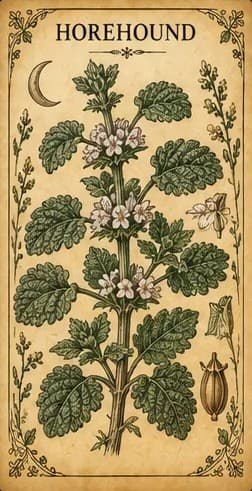
Botanical illustration of Horehound

Horehound

Marrubium vulgare

White horehound, a bitter mint-family herb recognized in Europe as a traditional medicine to help bring up phlegm with a cold, and for indigestion and poor appetite.

Indigestion · Loss of Appetite

No. 026Medicinal
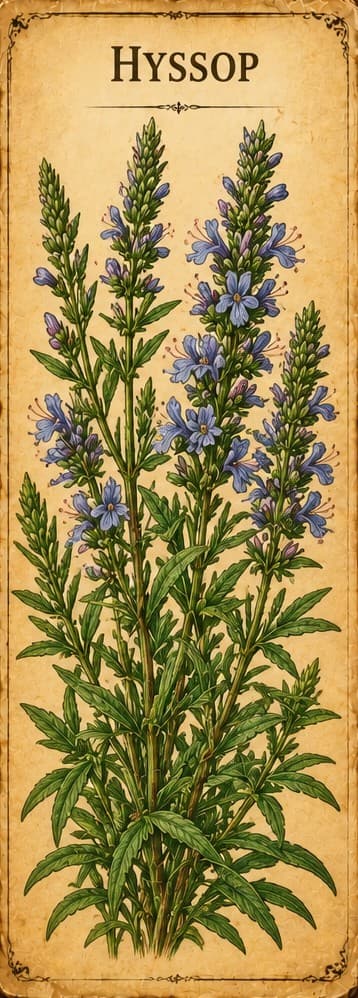
Botanical illustration of Hyssop

Hyssop

Hyssopus officinalis

A blue-flowered herb of the mint family, used for colds, coughs and poor appetite and as a flavoring. Its essential oil can cause seizures at high doses.

Loss of Appetite

No. 027Medicinal
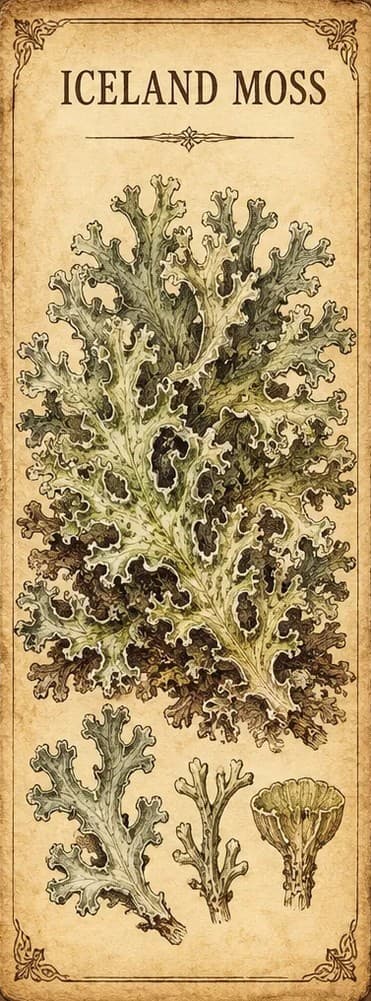
Botanical illustration of Iceland Moss

Iceland Moss

Cetraria islandica

A lichen, not a true moss, recognized in Europe as a traditional medicine to soothe throat irritation and dry cough, and for temporary loss of appetite.

Loss of Appetite

No. 028Medicinal
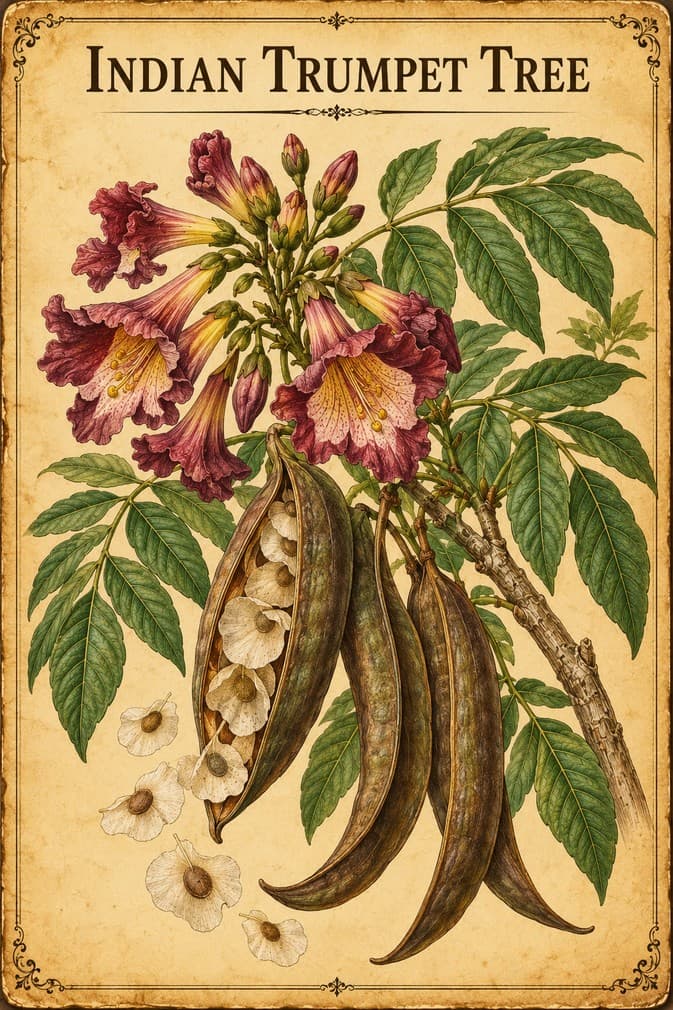
Botanical illustration of Indian Trumpet Tree

Indian Trumpet Tree

Oroxylum indicum

An Asian tree with huge sword-shaped seed pods, called shyonaka in Ayurveda, where its root bark and seeds are used for diarrhea, fever, coughs and joint pain. Its safety hasn't been studied in detail.

Diarrhea

No. 029Medicinal
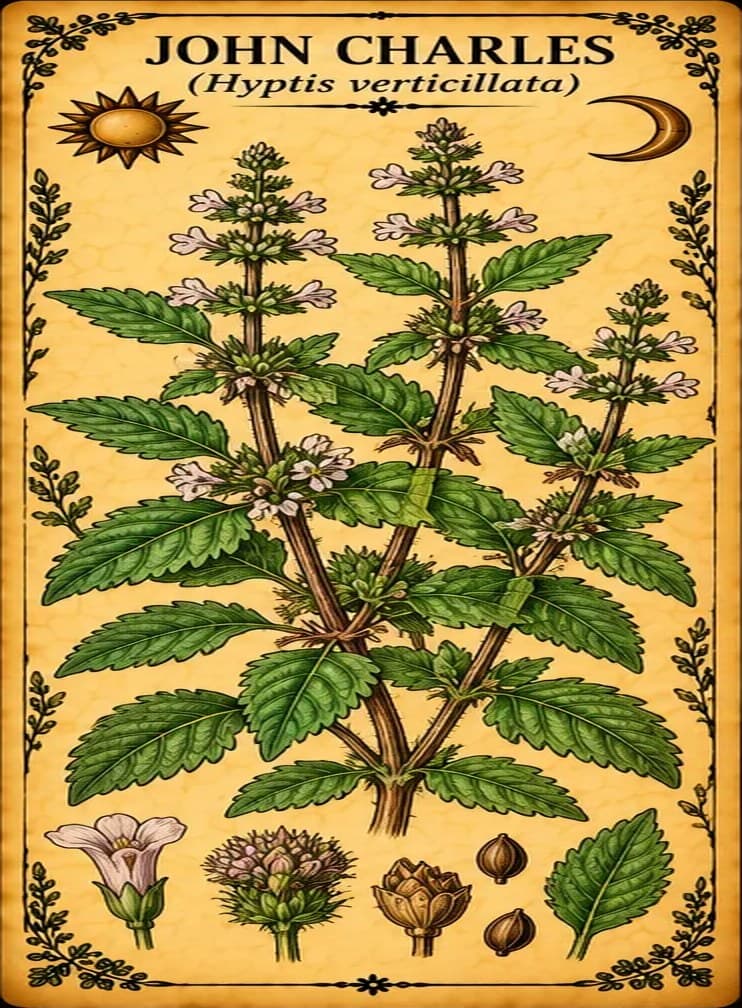
Botanical illustration of John Charles

John Charles

Hyptis verticillata

A Caribbean bush in the mint family, used since Maya and Aztec times for breathing, digestive, women's health and skin problems. It hasn't been tested in clinical trials.

Indigestion

No. 030Medicinal
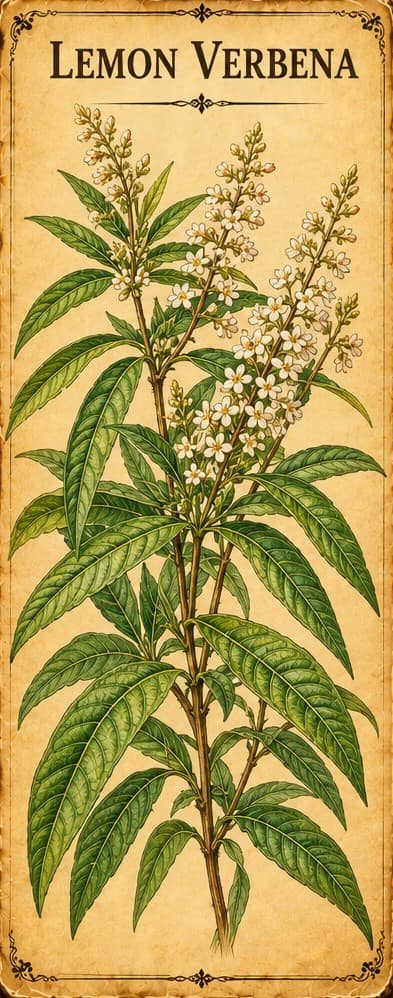
Botanical illustration of Lemon Verbena

Lemon Verbena

Aloysia citrodora

A lemon-scented shrub whose leaves make a herbal tea. It's recognised in Europe as a traditional remedy for mild stress, to help sleep, and for mild digestive complaints such as bloating and gas.

Bloating

No. 031Medicinal
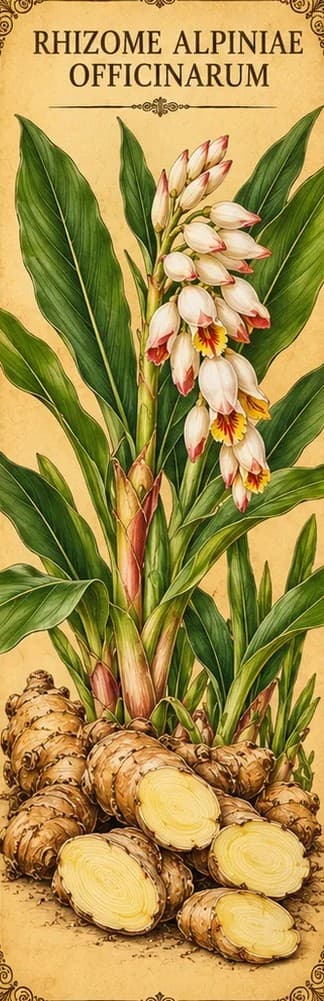
Botanical illustration of Lesser Galangal

Lesser Galangal

Alpinia officinarum

Gao liang jiang, an aromatic ginger-family rhizome used in Chinese medicine for thousands of years to warm the stomach and relieve stomach pain, vomiting and diarrhoea.

Indigestion · Occasional Nausea · Stomach Ulcers and H. pylori

No. 032Medicinal
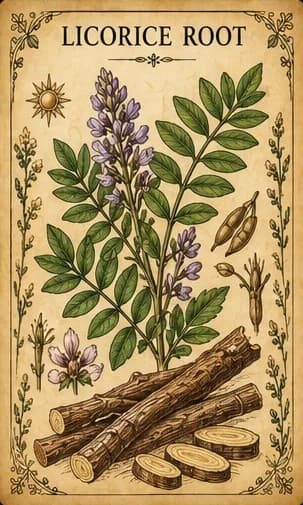
Botanical illustration of Licorice

Licorice

Glycyrrhiza glabra

A root used since ancient times in Egyptian, Greek, Chinese and Indian medicine for coughs, asthma and wounds. Recognized in Europe for cough with a cold and for indigestion, but too much can raise blood pressure and upset heart rhythm.

Indigestion

No. 033Medicinal
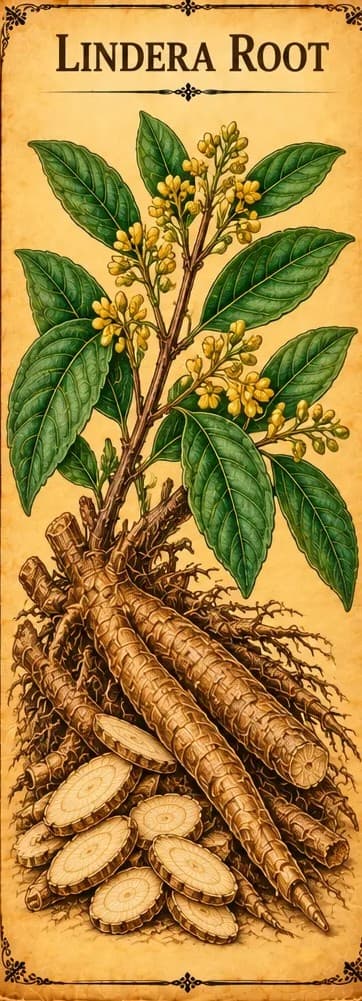
Botanical illustration of Lindera Root

Lindera Root

Lindera aggregata

Wu yao, the root of a laurel-family shrub used in China for thousands of years for digestive, urinary and inflammatory problems; its leaves are drunk as tea. Research is in the lab and in animals.

Indigestion

No. 034Medicinal
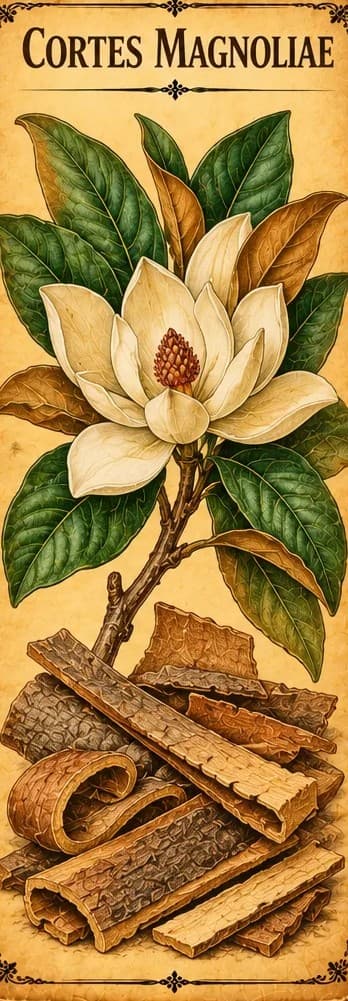
Botanical illustration of Magnolia Bark

Magnolia Bark

Magnolia officinalis

Hou po, the bark of a magnolia tree used in Chinese medicine to ease bloating, stomach pain, diarrhoea and asthma, often paired with coptis root.

Bloating · Diarrhea

No. 035Culinary
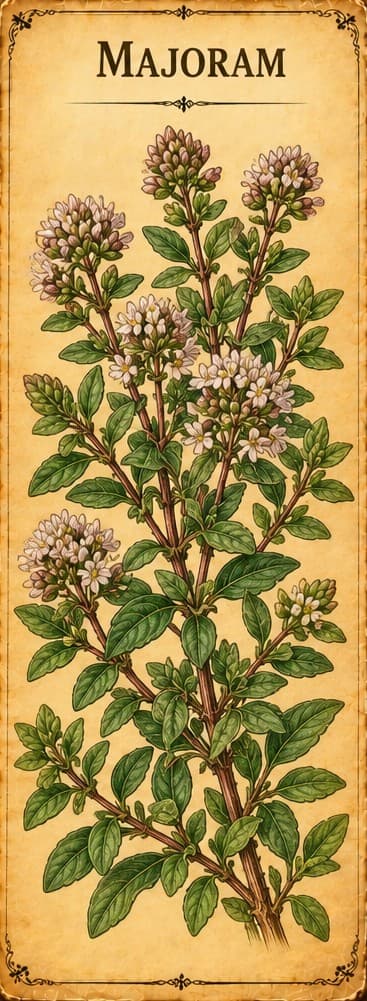
Botanical illustration of Marjoram

Marjoram

Origanum majorana

Sweet marjoram, a culinary herb of the mint family, used in traditional medicine for digestive, breathing, heart, joint and nerve complaints. Research so far is in the lab and in animals.

Indigestion

No. 036Medicinal
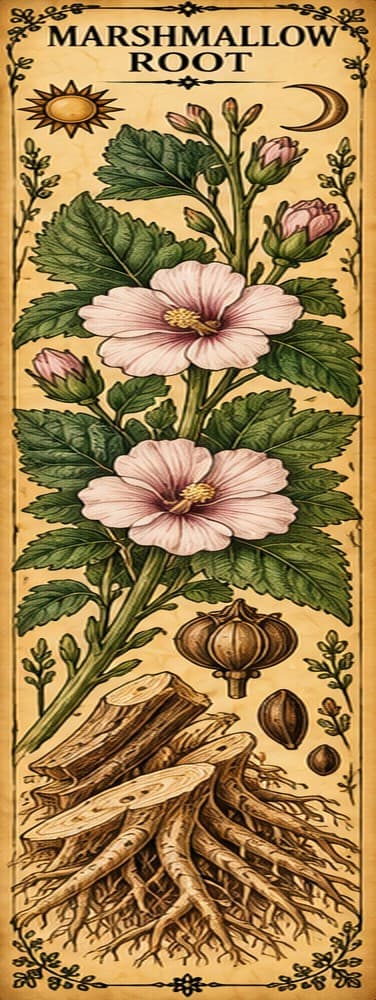
Botanical illustration of Marshmallow Root

Marshmallow Root

Althaea officinalis

A root recognized in Europe as a traditional medicine for mouth and throat irritation with a dry cough, and for mild stomach and gut discomfort.

Indigestion

No. 037Medicinal
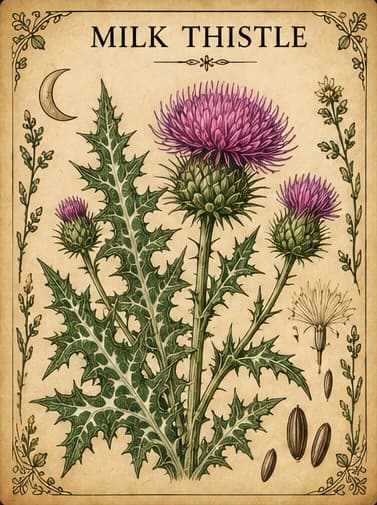
Botanical illustration of Milk Thistle

Milk Thistle

Silybum marianum

A tall, purple-flowered thistle from Europe, long used for liver problems. Studies of it and its extract silymarin in liver disease have been conflicting or too limited to show a clear benefit.

Indigestion

No. 038Medicinal
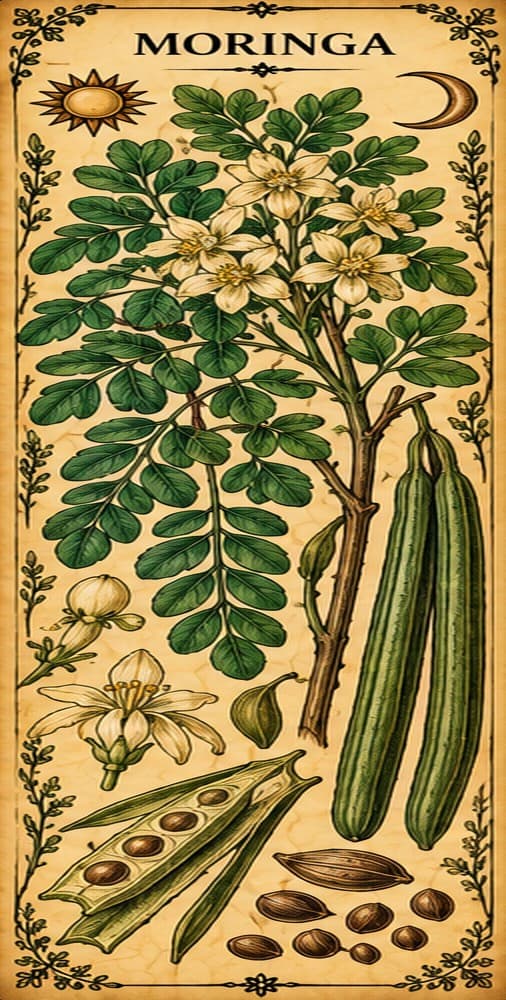
Botanical illustration of Moringa

Moringa

Moringa oleifera

A nutritious tree used as food and traditional medicine, including for stomach and gut problems. In animal studies it helped heal stomach ulcers; in people it has been studied mainly for blood pressure and blood sugar.

Stomach Ulcers and H. pylori

No. 039Medicinal
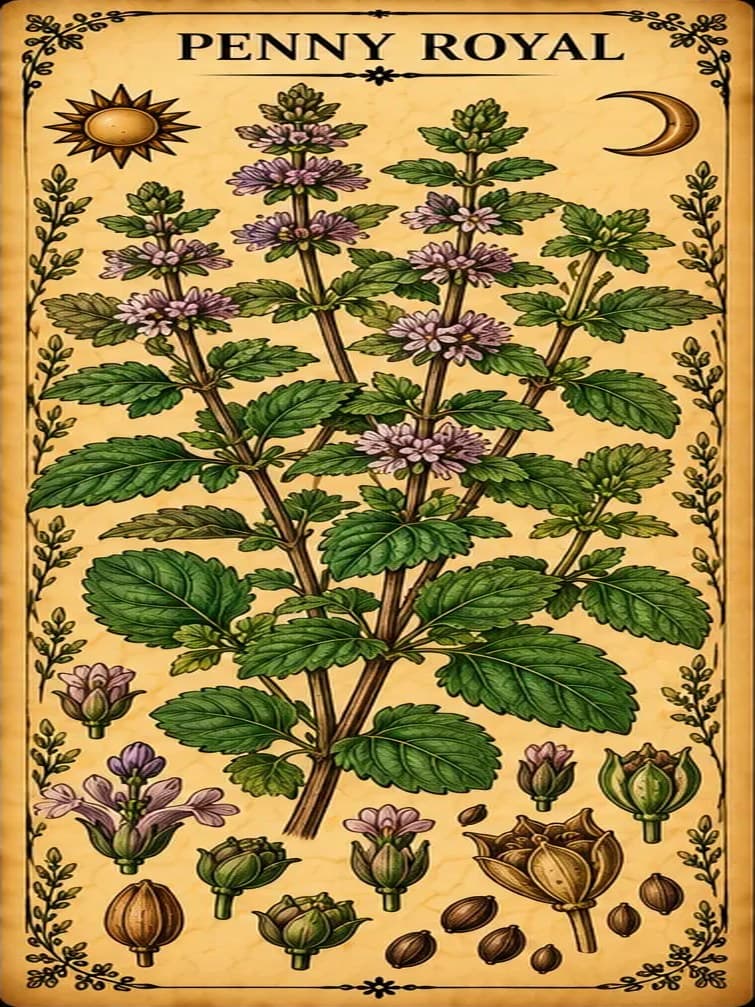
Botanical illustration of Penny Royal

Penny Royal

Clinopodium brownei

Jamaican pennyroyal, one of the island's popular bush medicines for breathing and digestive problems. It is a different plant from European pennyroyal, but its oil contains the same toxic compound, pulegone.

Indigestion

No. 040Medicinal
Botanical illustration of Peppermint

Peppermint

Mentha piperita

A cooling, menthol-rich herb traditionally used for digestion and headaches. Research suggests peppermint oil may help IBS symptoms.

Indigestion · Occasional Nausea · Irritable Bowel Syndrome (IBS)

No. 041Medicinal
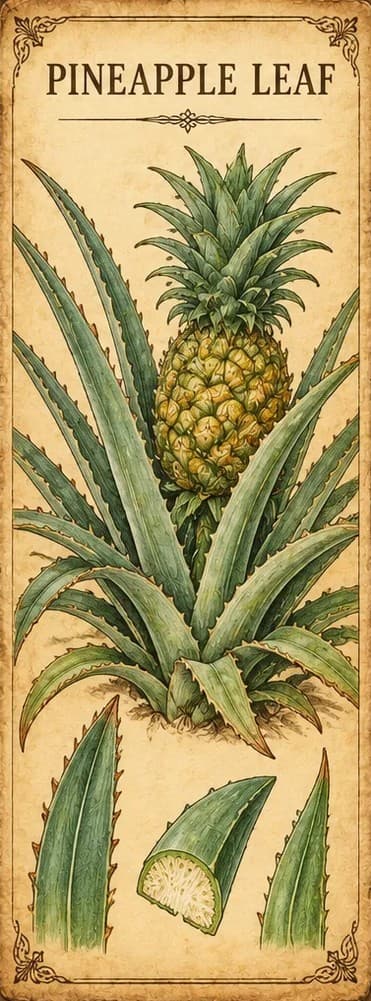
Botanical illustration of Pineapple Leaf

Pineapple Leaf

Ananas comosus

The leaves of the pineapple plant, traditionally used for diarrhoea, pain, swelling and infections. Research so far is only in rats.

Diarrhea

No. 042Culinary
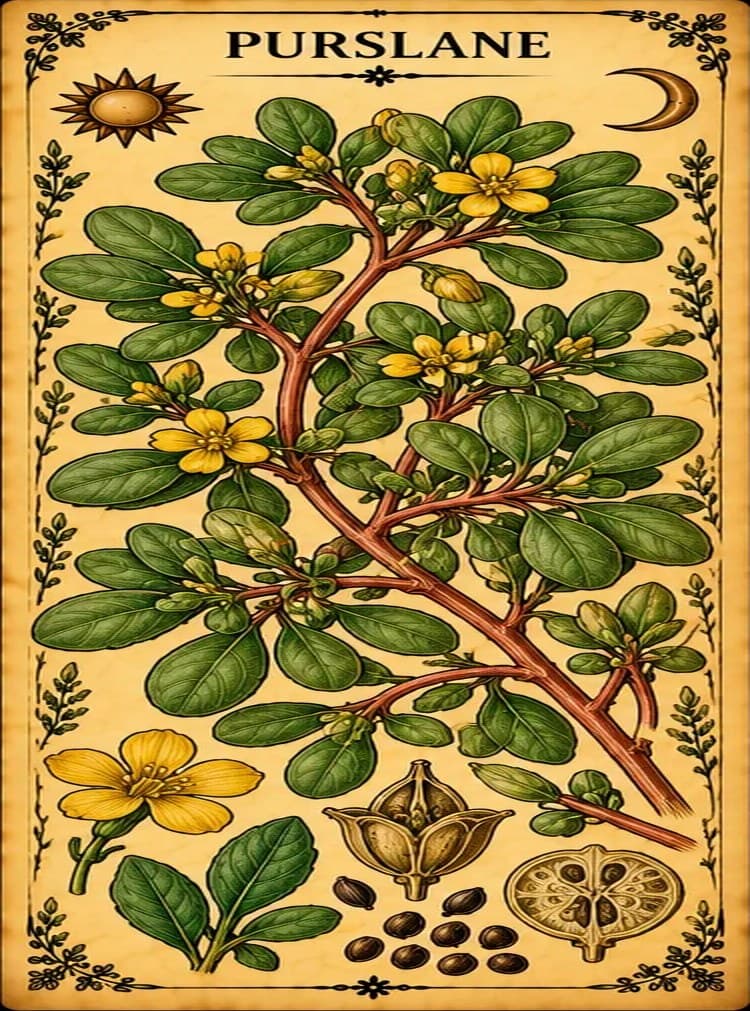
Botanical illustration of Purslane

Purslane

Portulaca oleracea

A leafy plant eaten as a vegetable and used as a folk medicine, called pussley in Trinidad. Reviews of trials found it may lower fasting blood sugar a little and improve cholesterol in people with type 2 diabetes.

Diarrhea

No. 043Medicinal
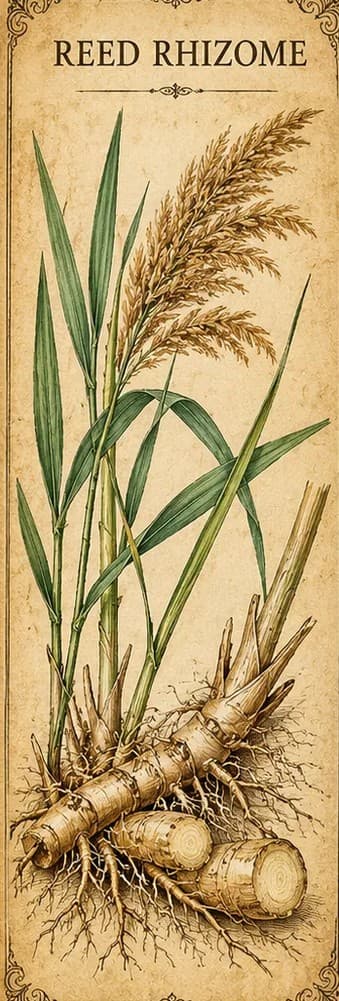
Botanical illustration of Reed Rhizome

Reed Rhizome

Phragmites australis

Lu gen, the underground stem of the common reed, used in Chinese medicine to clear heat and increase urination, for fever, nausea and urinary problems.

Occasional Nausea

No. 044Medicinal
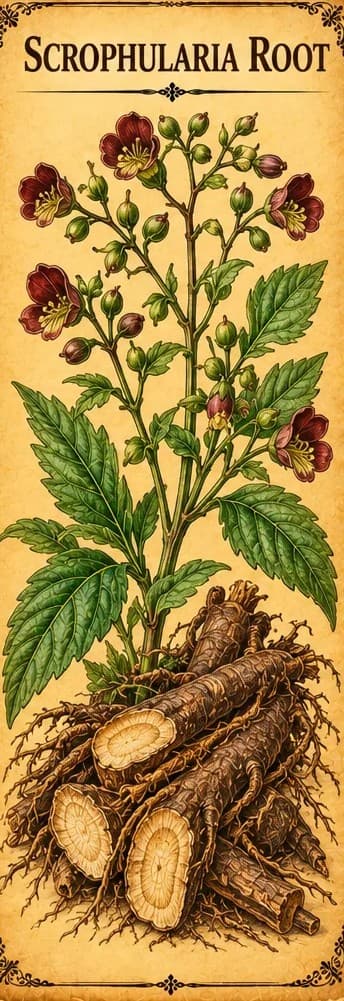
Botanical illustration of Scrophularia Root

Scrophularia Root

Scrophularia ningpoensis

Xuan shen, a Chinese medicine root recorded in the Shennong Herbal Classic and used for sore throat, abscesses and constipation. Research is in the lab and in animals.

Constipation

No. 045Medicinal
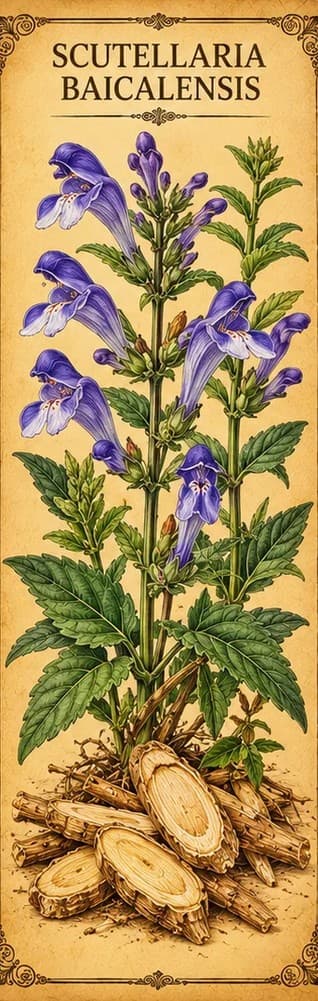
Botanical illustration of Scutellaria Baicalensis

Scutellaria Baicalensis

Scutellaria baicalensis

Chinese skullcap, or huang qin, a root used in Chinese medicine for over 2,000 years for diarrhoea, bleeding, sleeplessness and lung infections. Most research is in the lab or on multi-herb formulas.

Diarrhea

No. 046Medicinal
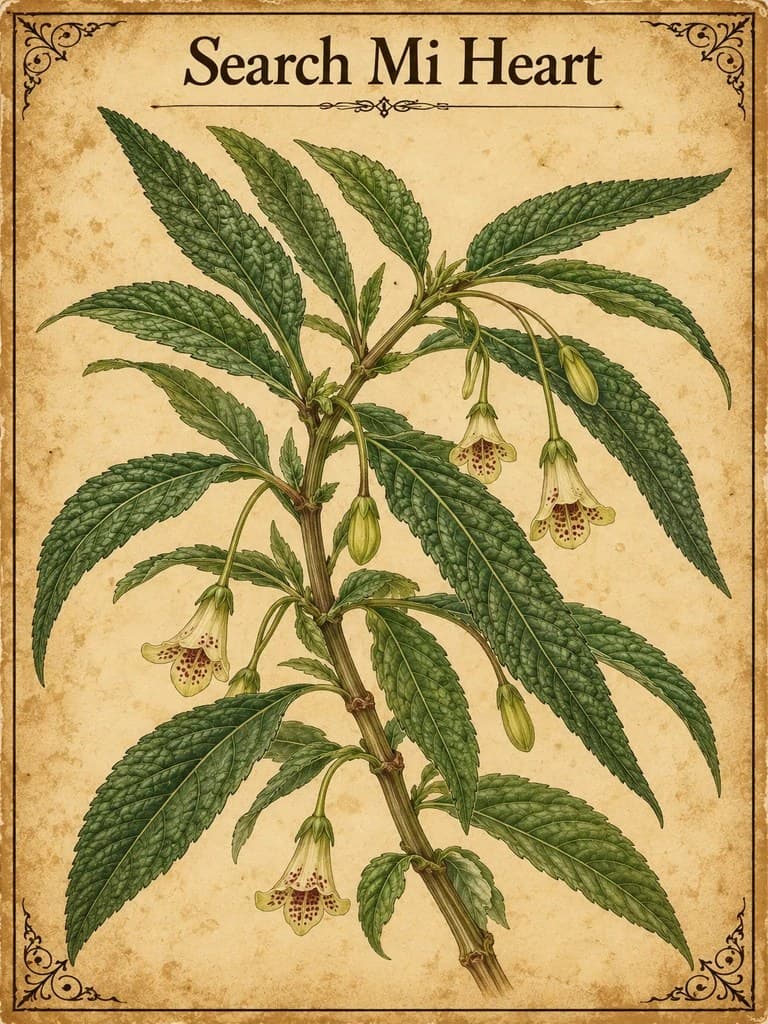
Botanical illustration of Search Mi Heart

Search Mi Heart

Rhytidophyllum tomentosum

A Jamaican plant whose dried leaves are made into a bush tea, traditionally used for colds and flu, the heart, breathing problems and digestion. It hasn't been studied in research.

Bloating · Indigestion

No. 047Medicinal
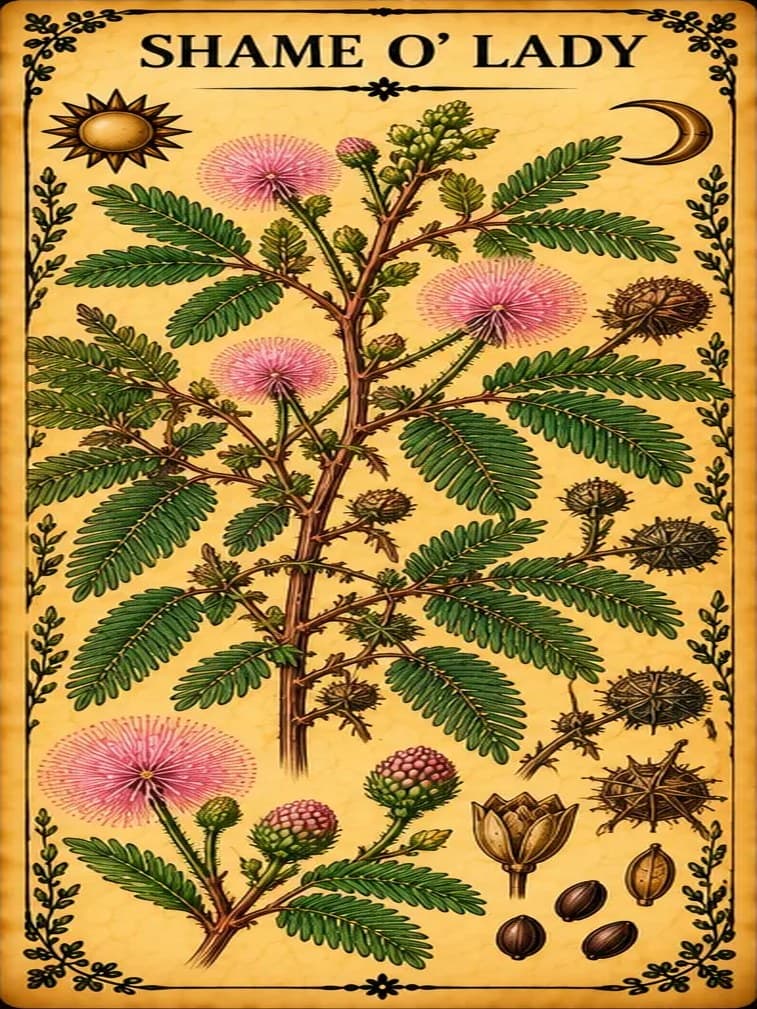
Botanical illustration of Shame O' Lady

Shame O' Lady

Mimosa pudica

The sensitive plant, whose leaves fold up when touched. TRAMIL, the Caribbean traditional-medicine network, recommends it as a tea for period cramps.

Diarrhea

No. 048Medicinal
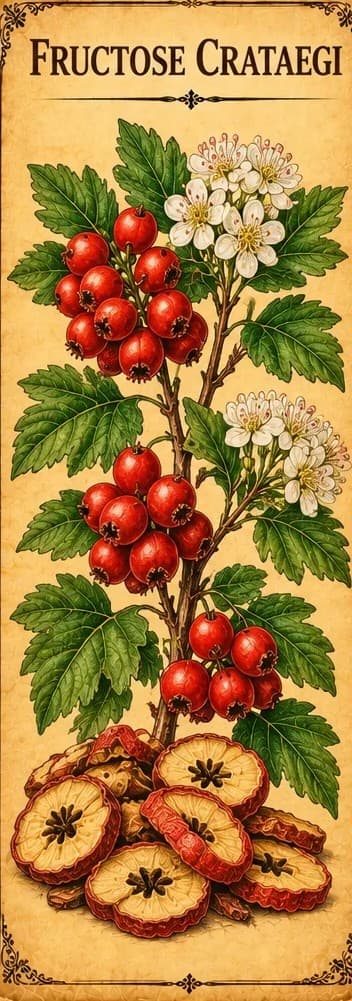
Botanical illustration of Shan Zha

Shan Zha

Crataegus pinnatifida

Chinese hawthorn fruit, eaten and used in Chinese medicine for over 2,000 years for indigestion, especially after meat, and for high blood fats. Research is mostly in the lab and in animals.

Indigestion

No. 049Medicinal
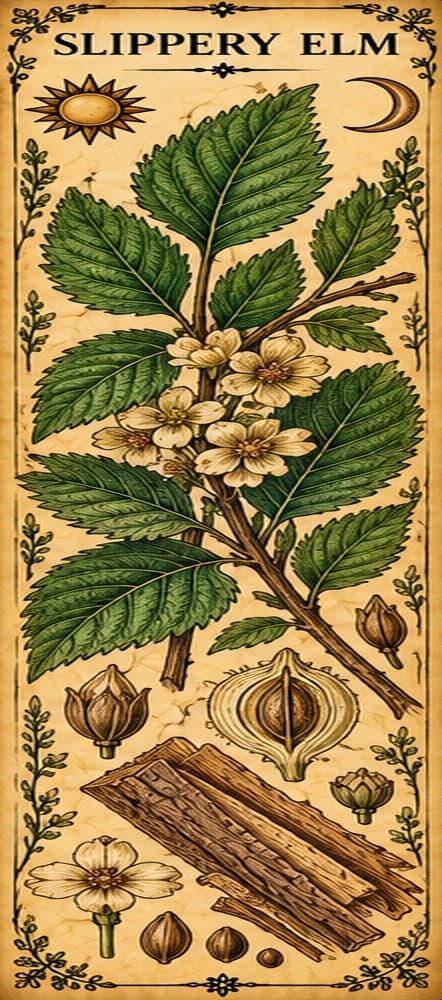
Botanical illustration of Slippery Elm

Slippery Elm

Ulmus rubra

The inner bark of a North American elm, taken by mouth for sore throat and stomach upset and used on the skin for rashes. It is generally recognized as safe.

Indigestion

No. 050Medicinal
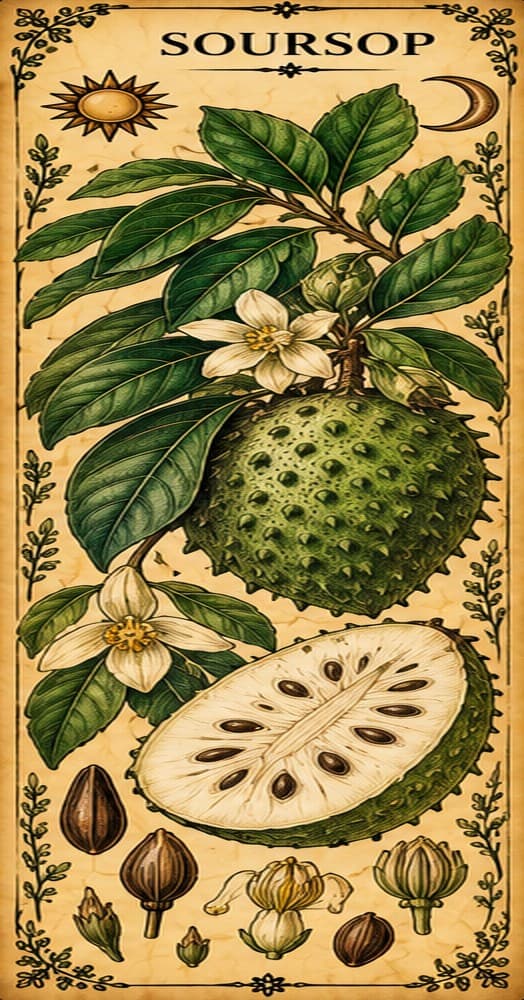
Botanical illustration of Soursop

Soursop

Annona muricata

A tropical fruit (graviola) used in folk medicine for stomachache, diarrhea and intestinal parasites. Eating it has been linked to more severe Parkinson's disease in the Caribbean.

Diarrhea · SIBO and Intestinal Parasites

No. 051Medicinal
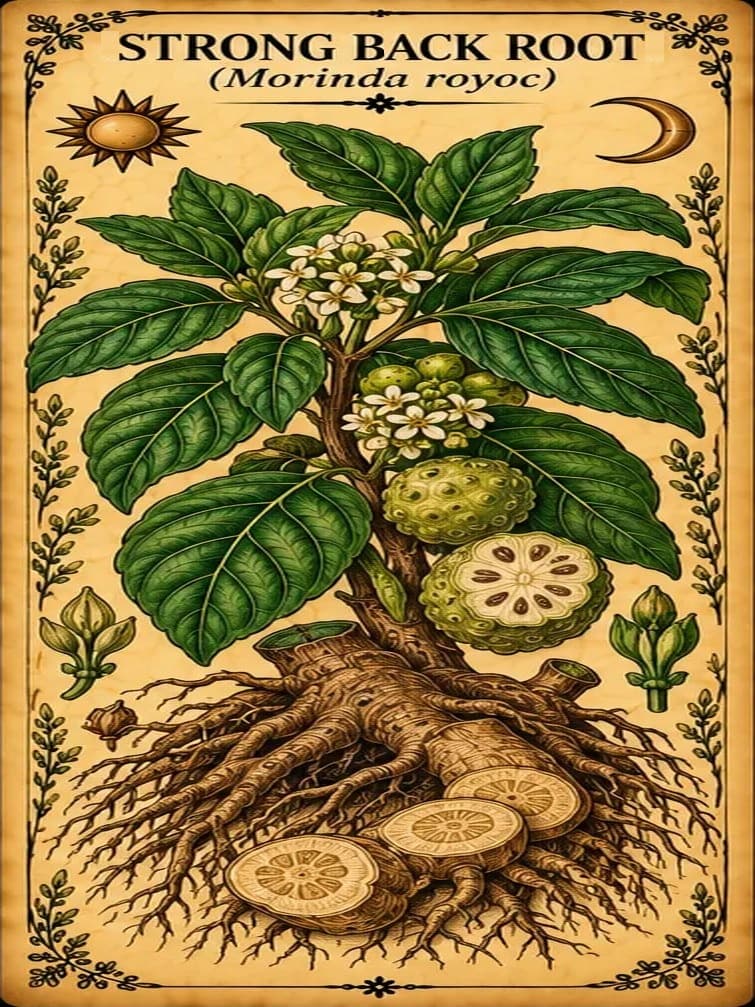
Botanical illustration of Strong Back Root

Strong Back Root

Morinda royoc

Redgal, a root boiled into Jamaica's "strong back" roots tonic, used by men for impotence and stamina. It hasn't been studied in people.

SIBO and Intestinal Parasites

No. 052Culinary
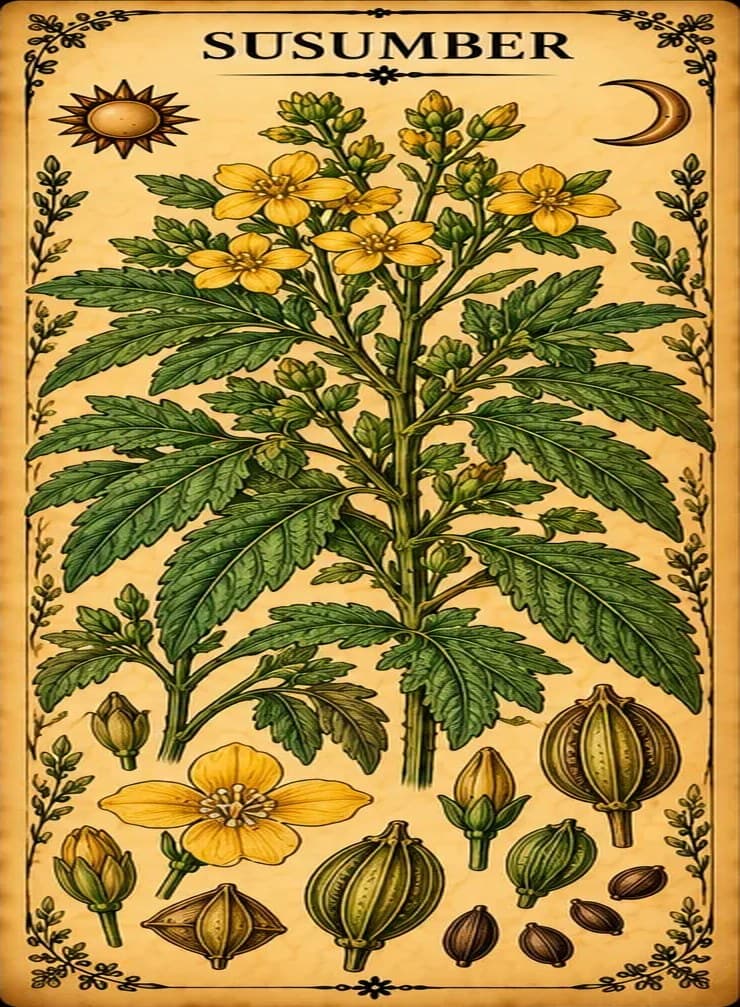
Botanical illustration of Susumber

Susumber

Solanum torvum

Turkey berry, a small berry from the nightshade family cooked in Jamaican dishes and used in traditional medicine in Asia, Africa and South America. Some batches of berries have caused serious poisoning.

SIBO and Intestinal Parasites

No. 053Culinary
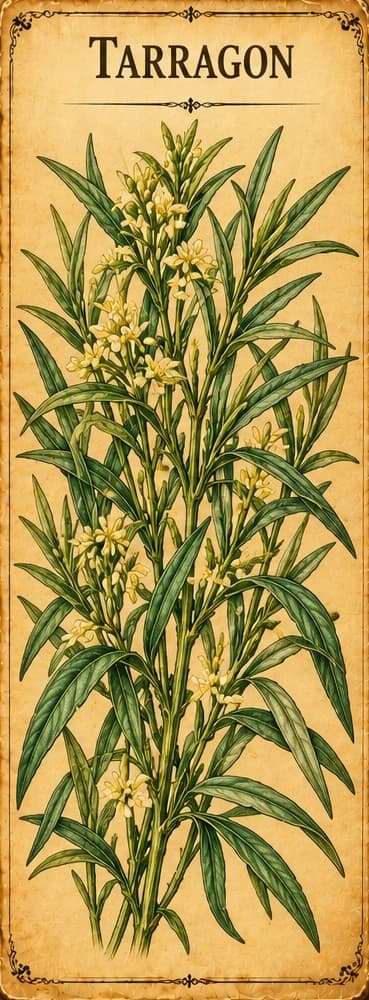
Botanical illustration of Tarragon

Tarragon

Artemisia dracunculus

A kitchen herb used in traditional medicine in Iran, Pakistan, Azerbaijan and India for digestive problems, pain, sleep and worms. Its essential oil is high in estragole, a substance of concern, though water extracts contain very little.

Indigestion

No. 054Medicinal
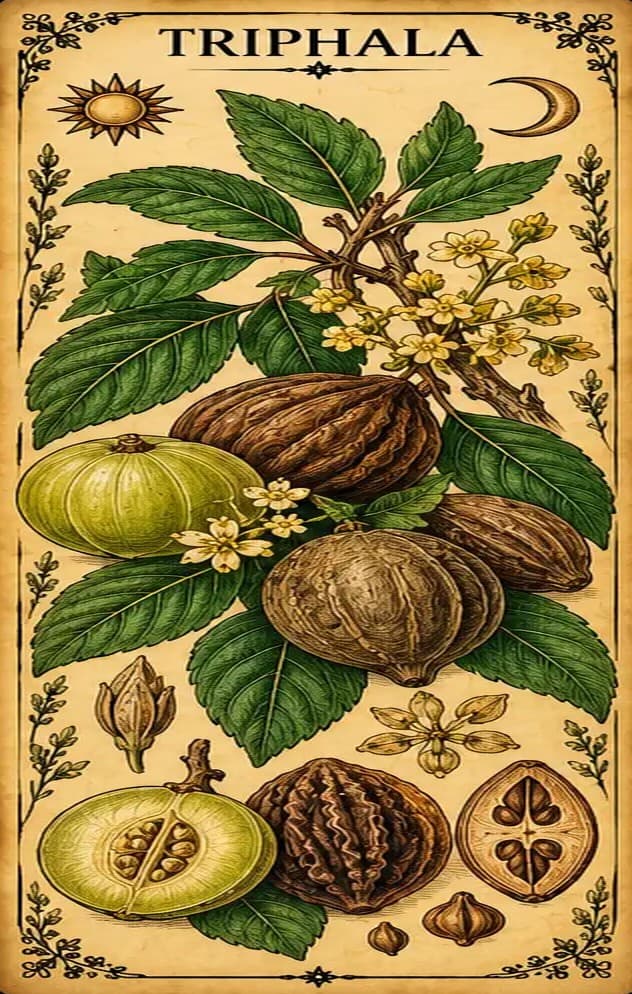
Botanical illustration of Triphala

Triphala

Phyllanthus emblica, Terminalia bellirica, Terminalia chebula

A classic Ayurvedic blend of three dried fruits (amalaki, bibhitaki and haritaki), used as a cornerstone of digestive care and as a laxative. Research in people is limited.

Bloating · Constipation

No. 055Medicinal
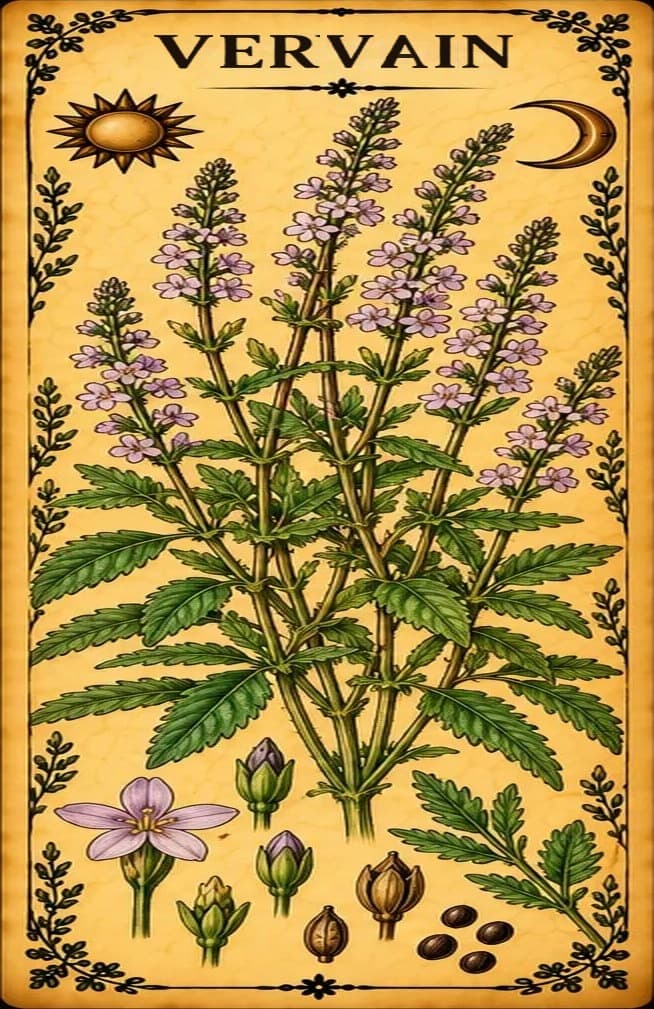
Botanical illustration of Vervain

Vervain

Stachytarpheta jamaicensis

Called vervain in Jamaica and vervine in Antigua and Trinidad, a weedy plant whose leaves make a "cooling" tea used for the stomach, colds and coughs, and to clean wounds.

Indigestion · Constipation · SIBO and Intestinal Parasites

No. 056Medicinal
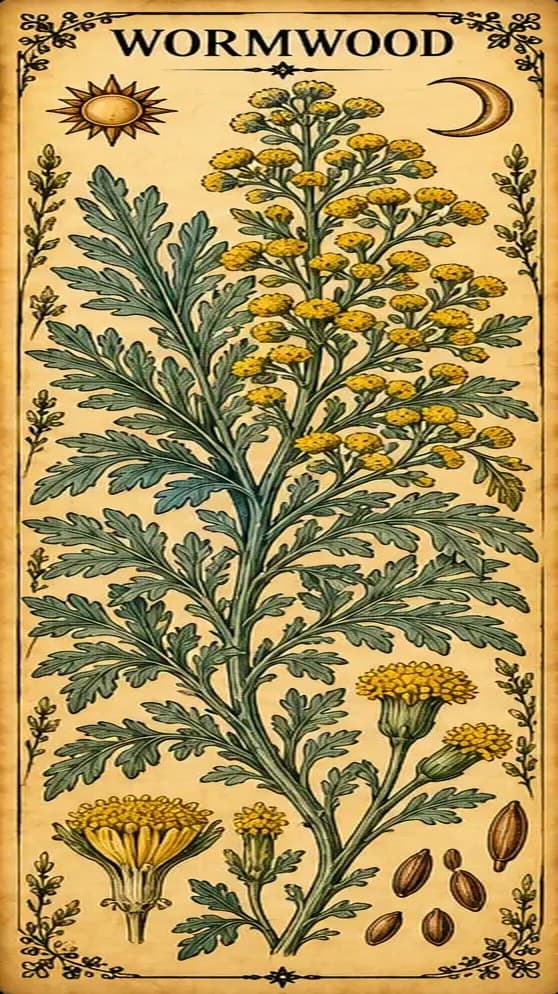
Botanical illustration of Wormwood

Wormwood

Artemisia absinthium

A bitter herb recognized in Europe as a traditional medicine for temporary loss of appetite and mild heartburn and stomach and gut complaints.

Indigestion · Loss of Appetite

No. 057Medicinal
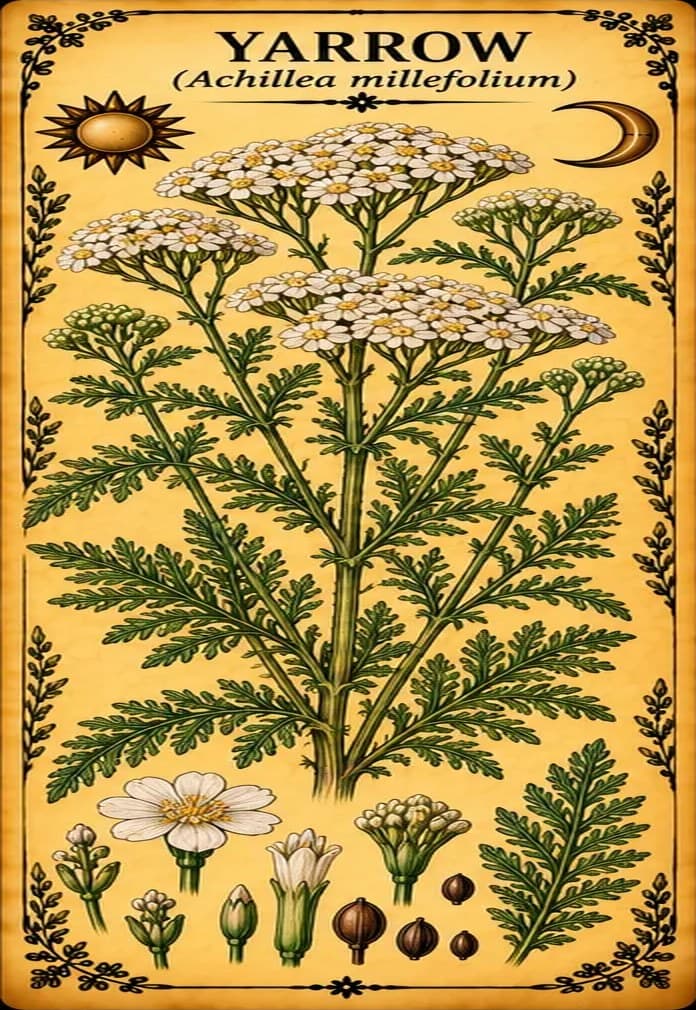
Botanical illustration of Yarrow

Yarrow

Achillea millefolium

An herb recognised in Europe as a traditional remedy for loss of appetite, mild digestive problems, period cramps and small wounds.

Bloating · Indigestion · Loss of Appetite

No. 058Medicinal
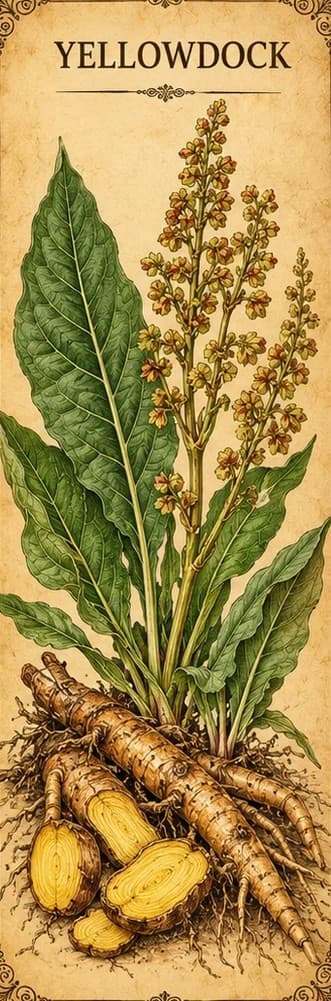
Botanical illustration of Yellow Dock

Yellow Dock

Rumex crispus

Curly dock, a plant whose root and leaves are traditional laxatives and tonics, also used for skin problems and jaundice. Research is in the lab and in rats.

Constipation