Discover the Power of Plants

The Herbal Library

Search the full collection

Browse every herb in the database by name, category, or the body system it's traditionally associated with.

Results

40 herbs
No. 001Medicinal
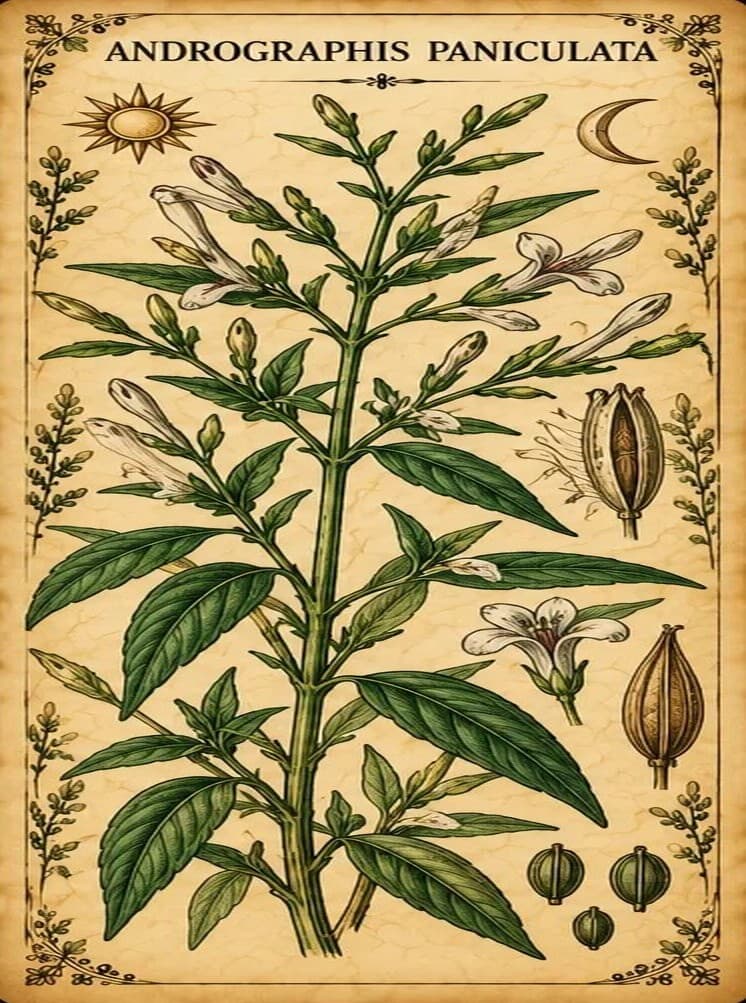
Botanical illustration of Andrographis
Andrographis

Andrographis paniculata

A bitter herb used across Asia for infections and fevers, and traditionally for skin inflammation and wounds. It has mainly been studied for colds and flu.

No. 002Medicinal
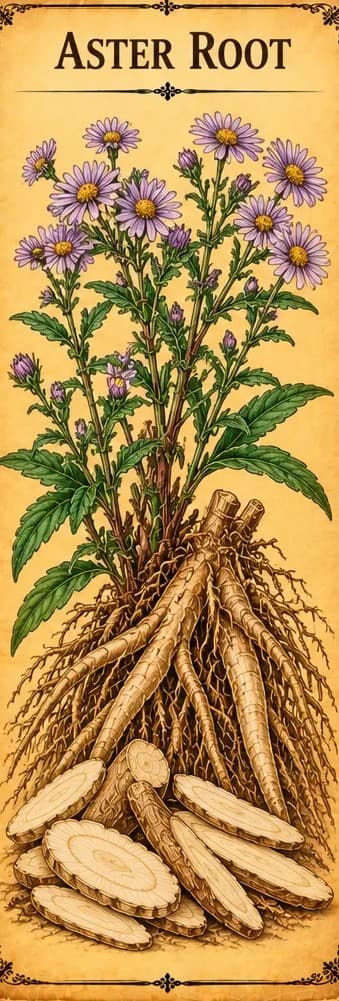
Botanical illustration of Aster Root

Aster Root

Aster tataricus

Zi wan, the soft purple root of Aster tataricus, a classic Chinese, Japanese and Korean remedy to moisten the lungs and relieve cough and phlegm.

No. 003Medicinal
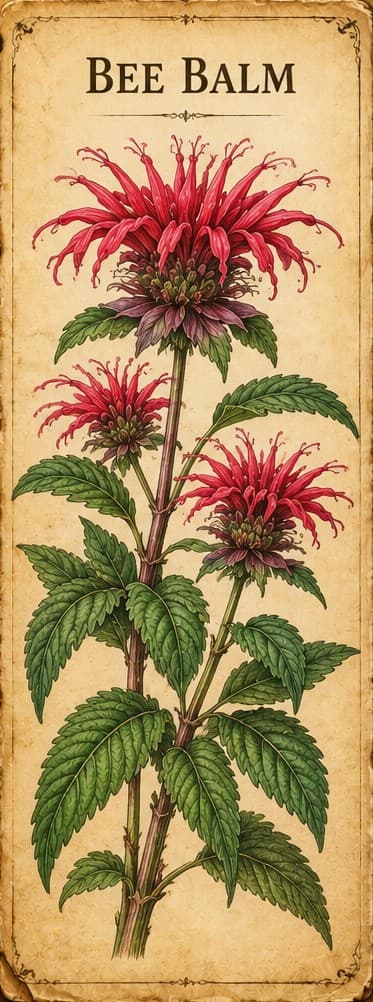
Botanical illustration of Bee Balm

Bee Balm

Monarda didyma

A red-flowered North American mint, also called Oswego tea, used by the Cherokee as a tea and as a poultice for colds and headaches. Human research is very limited.

No. 004Medicinal
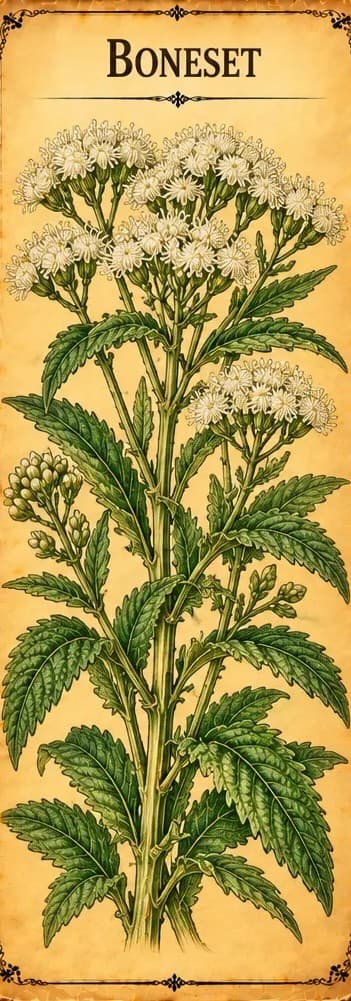
Botanical illustration of Boneset

Boneset

Eupatorium perfoliatum

A North American wildflower long used as a tea for fever, flu, colds and coughs. In the lab, an extract stopped flu viruses from infecting cells, but it hasn't been tested in people.

No. 005Medicinal
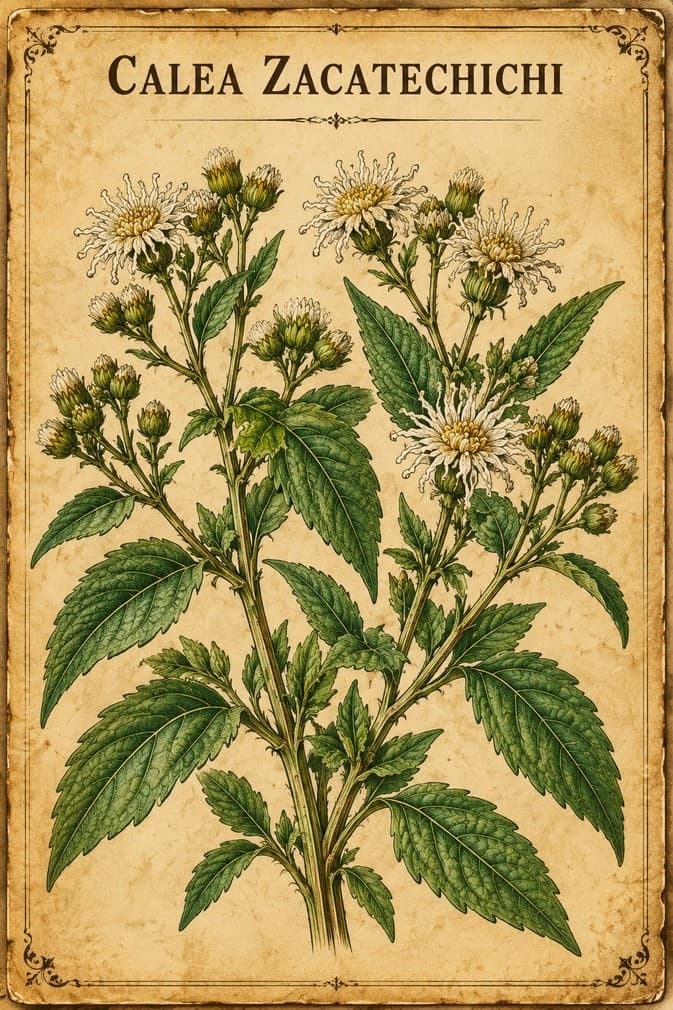
Botanical illustration of Calea Zacatechichi

Calea Zacatechichi

Calea zacatechichi

A Mexican shrub in the daisy family, known as dream herb, used in rituals to bring on vivid dreams and in folk medicine for coughs, asthma and stomach problems. Its safety hasn't been properly studied.

No. 006Medicinal
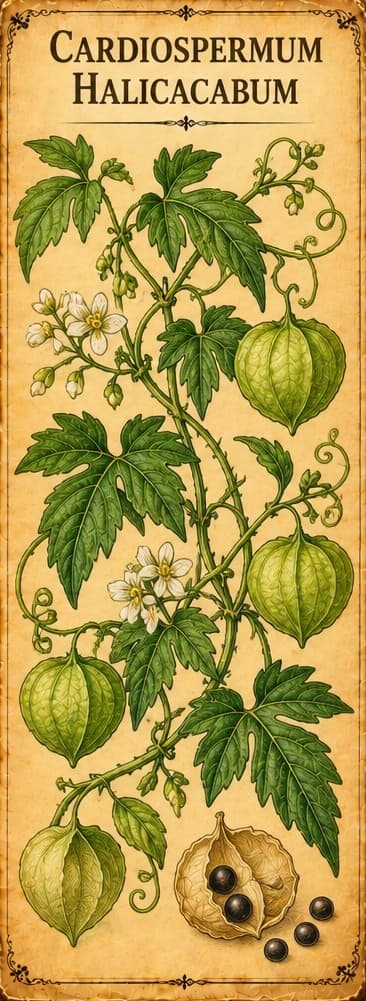
Botanical illustration of Cardiospermum Halicacabum

Cardiospermum Halicacabum

Cardiospermum halicacabum

Balloon vine, a climbing plant with papery, balloon-like seed pods, eaten as a leafy vegetable in India and used in traditional Indian medicine for rheumatism, pain, coughs and skin diseases.

No. 007Medicinal
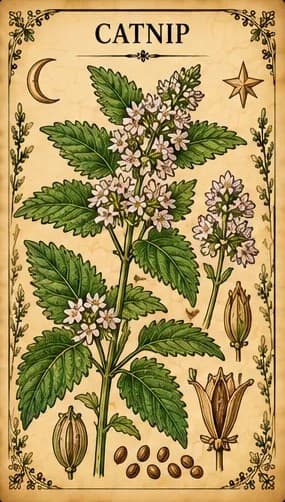
Botanical illustration of Catnip

Catnip

Nepeta cataria

A plant in the mint family traditionally used for colic, coughs, asthma and nervous upset. Its oil is also an effective mosquito repellent.

No. 008Medicinal
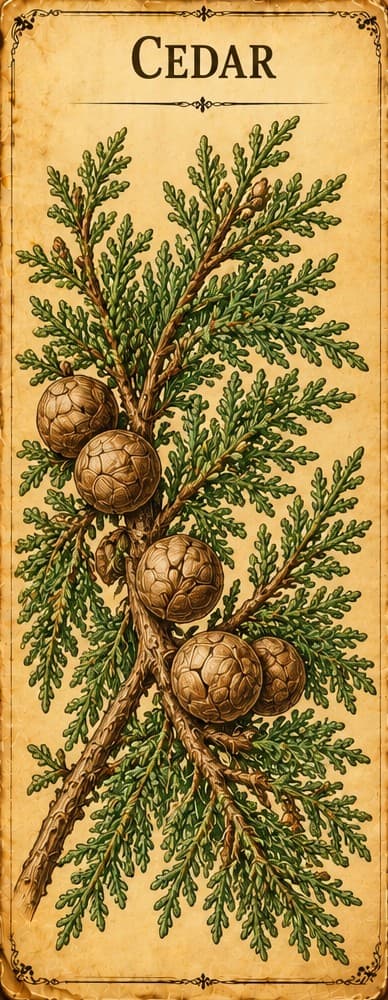
Botanical illustration of Cedar

Cedar

Thuja occidentalis

Northern white cedar, or arborvitae, a North American evergreen. Indigenous people in Canada showed it to 16th-century explorers as a remedy for scurvy. Its fresh leaves contain thujone and can be poisonous.

No. 009Medicinal
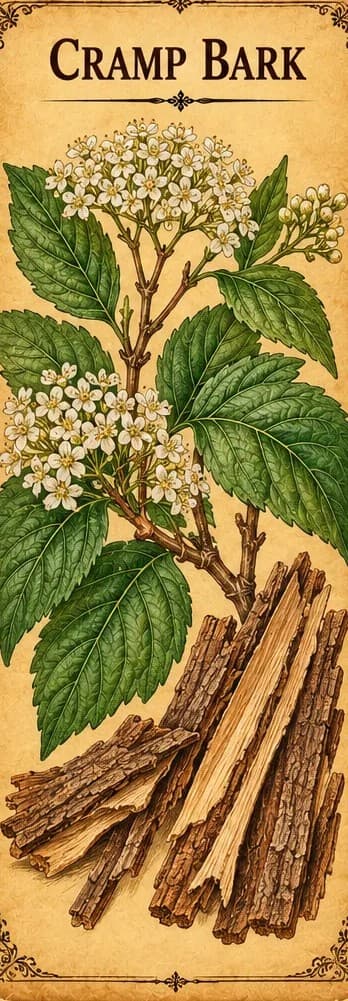
Botanical illustration of Cramp Bark

Cramp Bark

Viburnum opulus

The bark of the guelder rose, traditionally used for bleeding from the stomach or uterus and for haemorrhoids; the plant is used for coughs, colds and kidney problems. Research is in the lab and in animals.

No. 010Medicinal
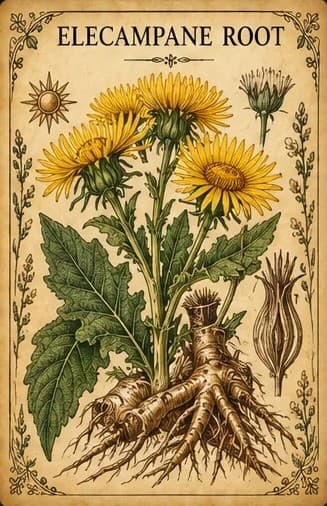
Botanical illustration of Elecampane

Elecampane

Inula helenium

A root used for centuries in European medicine, including medieval Ireland, for coughs, bronchitis and other chest complaints. Germany's Commission E didn't approve it, citing weak evidence and possible side effects.

No. 011Medicinal
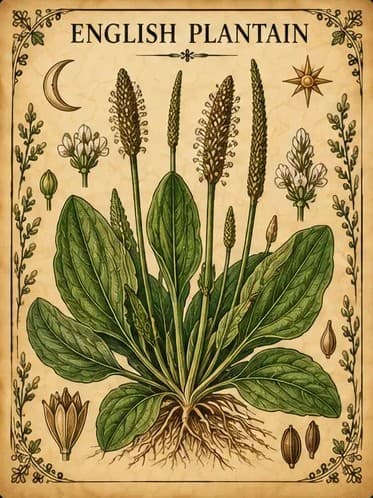
Botanical illustration of English Plantain

English Plantain

Plantago lanceolata

A plant (also called ribwort plantain) whose leaves are recognized in Europe as a traditional medicine for coughs, sore throats and minor skin inflammation.

No. 012Medicinal
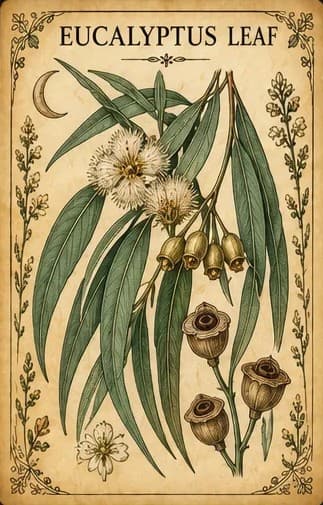
Botanical illustration of Eucalyptus

Eucalyptus

Eucalyptus globulus

Leaves of the eucalyptus tree, taken as tea or inhaled in steam, and recognized in Europe as a traditional medicine for cough with a cold.

No. 013Medicinal
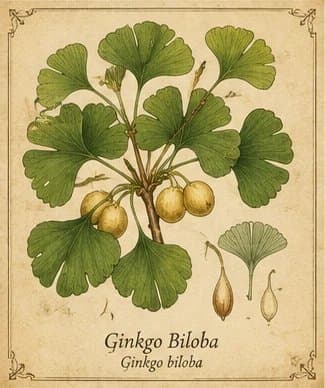
Botanical illustration of Ginkgo

Ginkgo

Ginkgo biloba

Leaves of the ginkgo tree, sometimes called the fossil tree, traditionally used in Europe for minor circulation problems and in Chinese medicine for cough.

No. 014Medicinal
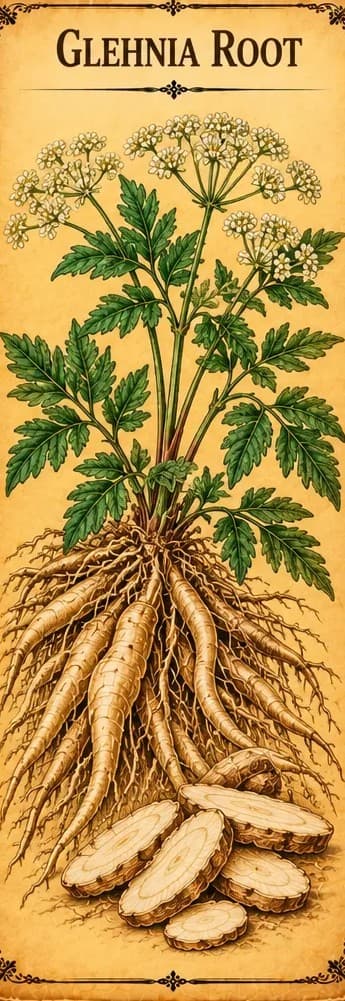
Botanical illustration of Glehnia Root

Glehnia Root

Glehnia littoralis

Bei sha shen, a root recorded in the Shennong Herbal Classic and used to clear the lungs, ease dry cough and dry mouth, and help the stomach.

No. 015Medicinal
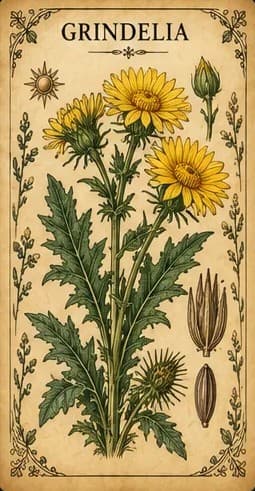
Botanical illustration of Grindelia

Grindelia

Grindelia robusta

Gumweed, a daisy-family plant whose above-ground parts are recognized in Europe as a traditional medicine for cough with a cold in adults.

No. 016Medicinal
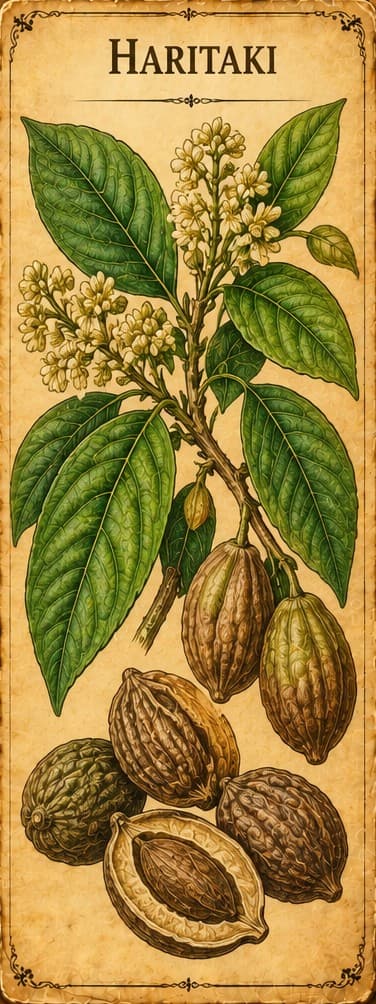
Botanical illustration of Haritaki

Haritaki

Terminalia chebula

The dried fruit of the chebulic myrobalan tree, called the "king of Tibetan medicines" and one of the three fruits in Triphala. It's used for constipation, digestion, coughs and dental health.

No. 017Medicinal
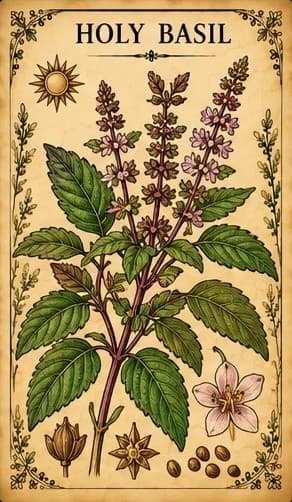
Botanical illustration of Holy Basil

Holy Basil

Ocimum tenuiflorum

Tulsi, a highly revered plant in India used in Ayurveda for stress, coughs, asthma and many other conditions. Small studies suggest it may ease stress and anxiety.

No. 018Medicinal
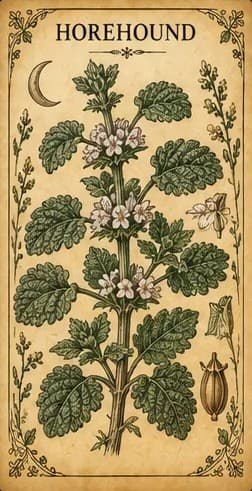
Botanical illustration of Horehound

Horehound

Marrubium vulgare

White horehound, a bitter mint-family herb recognized in Europe as a traditional medicine to help bring up phlegm with a cold, and for indigestion and poor appetite.

No. 019Medicinal
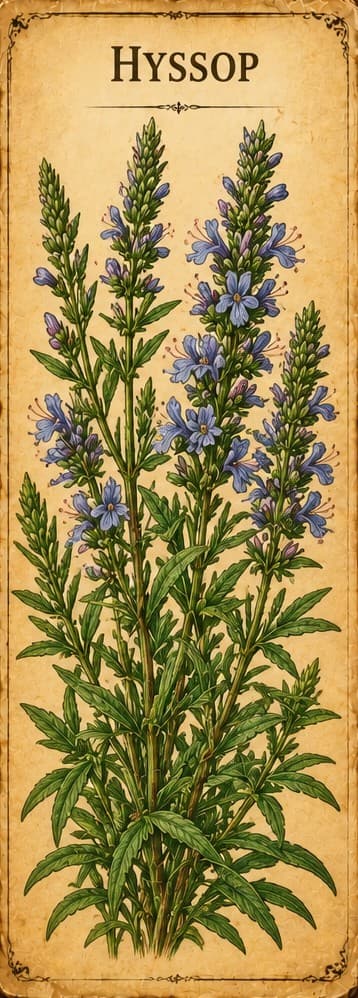
Botanical illustration of Hyssop

Hyssop

Hyssopus officinalis

A blue-flowered herb of the mint family, used for colds, coughs and poor appetite and as a flavoring. Its essential oil can cause seizures at high doses.

No. 020Medicinal
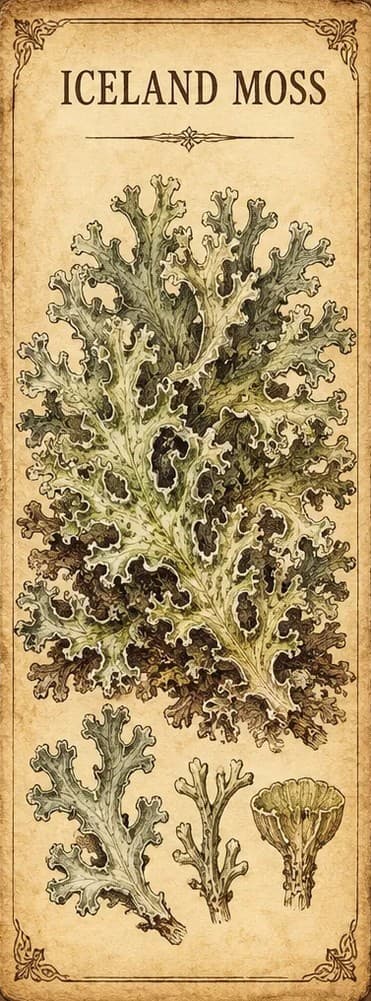
Botanical illustration of Iceland Moss

Iceland Moss

Cetraria islandica

A lichen, not a true moss, recognized in Europe as a traditional medicine to soothe throat irritation and dry cough, and for temporary loss of appetite.

No. 021Medicinal
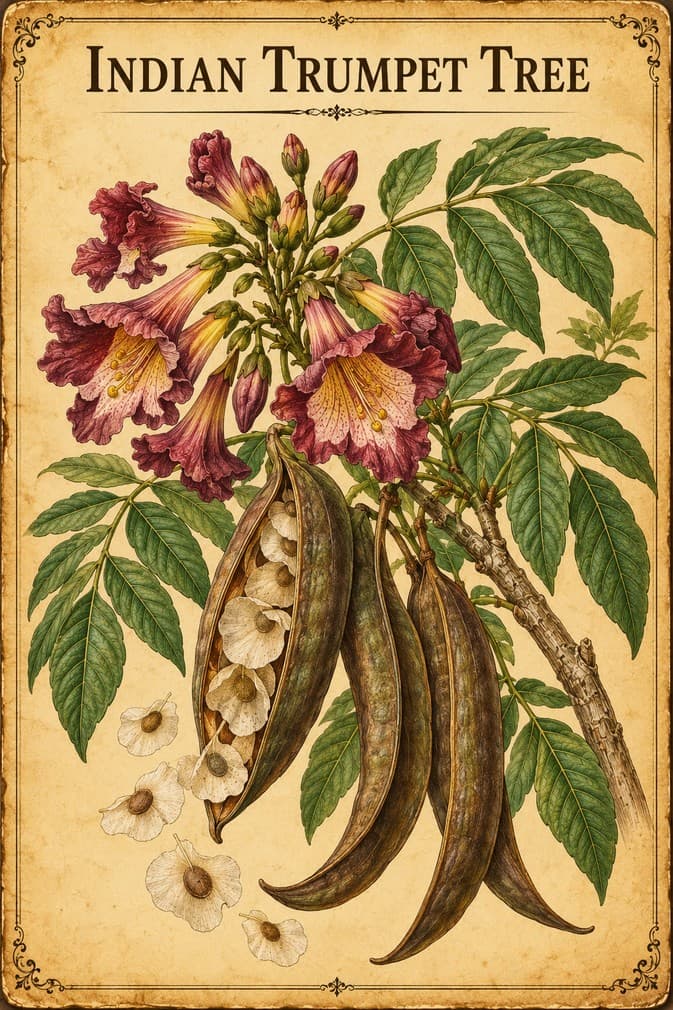
Botanical illustration of Indian Trumpet Tree

Indian Trumpet Tree

Oroxylum indicum

An Asian tree with huge sword-shaped seed pods, called shyonaka in Ayurveda, where its root bark and seeds are used for diarrhea, fever, coughs and joint pain. Its safety hasn't been studied in detail.

No. 022Medicinal
Botanical illustration of Isatis Root

Isatis Root

Isatis indigotica

Ban lan gen, a Chinese medicine root used for centuries for flu and viral infections, fever, cough and sore throat. Its compounds acted against viruses in lab studies.

No. 023Medicinal
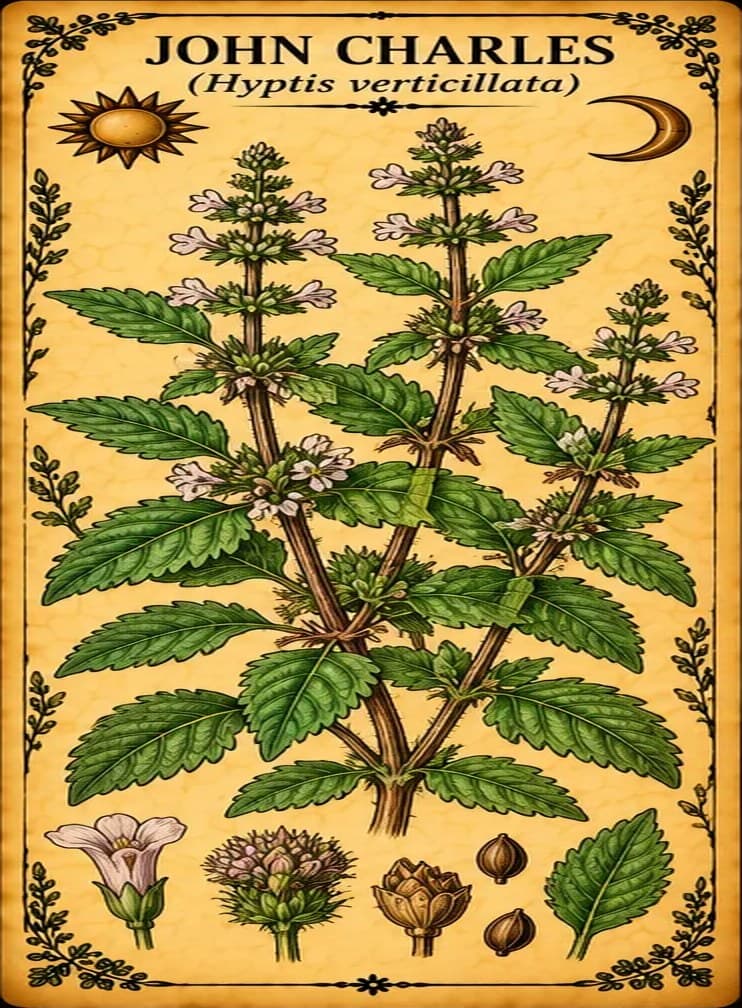
Botanical illustration of John Charles

John Charles

Hyptis verticillata

A Caribbean bush in the mint family, used since Maya and Aztec times for breathing, digestive, women's health and skin problems. It hasn't been tested in clinical trials.

No. 024Medicinal
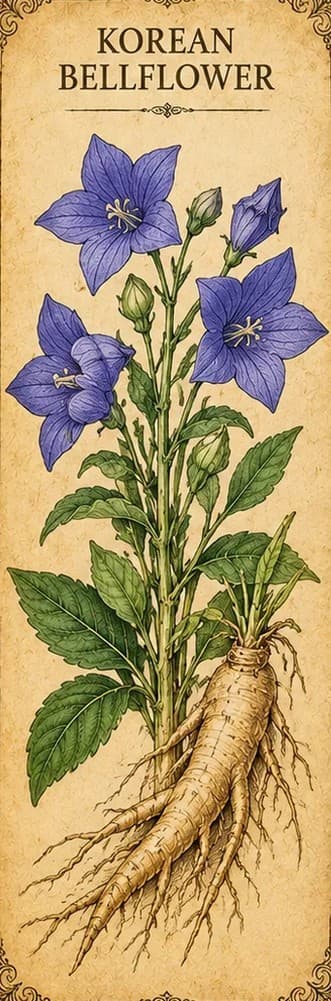
Botanical illustration of Korean Bellflower

Korean Bellflower

Platycodon grandiflorus

Jie geng or doraji, the root of the balloon flower, eaten as a vegetable and used since the Han Dynasty to clear phlegm, ease sore throats and treat cough.

No. 025Medicinal
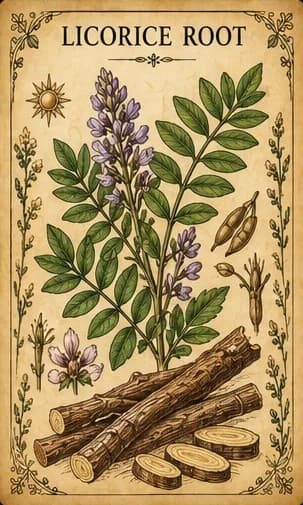
Botanical illustration of Licorice

Licorice

Glycyrrhiza glabra

A root used since ancient times in Egyptian, Greek, Chinese and Indian medicine for coughs, asthma and wounds. Recognized in Europe for cough with a cold and for indigestion, but too much can raise blood pressure and upset heart rhythm.

No. 026Medicinal
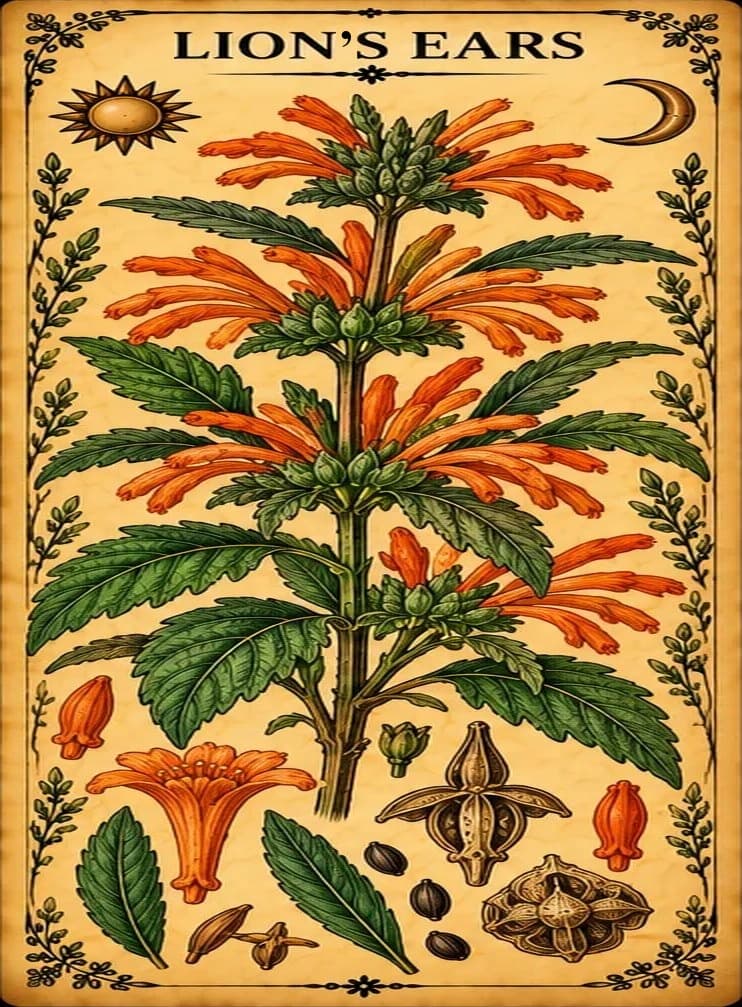
Botanical illustration of Lion's Ear

Lion's Ear

Leonotis nepetifolia

A plant in the mint family, known as shandilay in Trinidad, where it's a popular traditional remedy for colds and coughs. Research so far is limited to lab and animal studies.

No. 027Medicinal
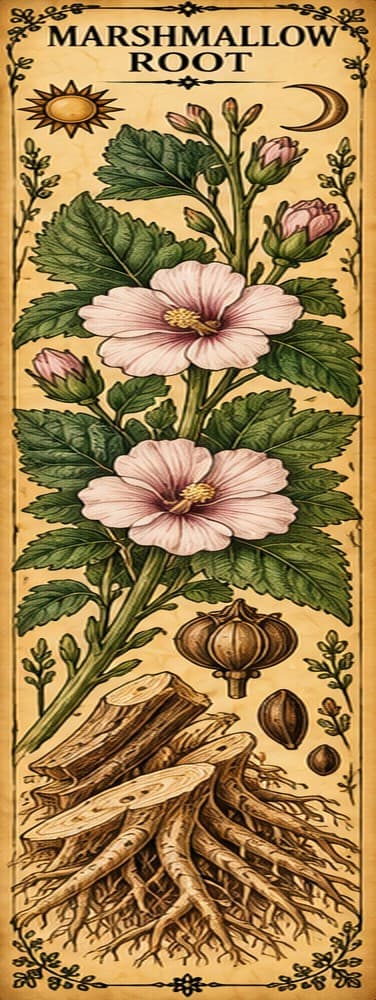
Botanical illustration of Marshmallow Root

Marshmallow Root

Althaea officinalis

A root recognized in Europe as a traditional medicine for mouth and throat irritation with a dry cough, and for mild stomach and gut discomfort.

No. 028Medicinal
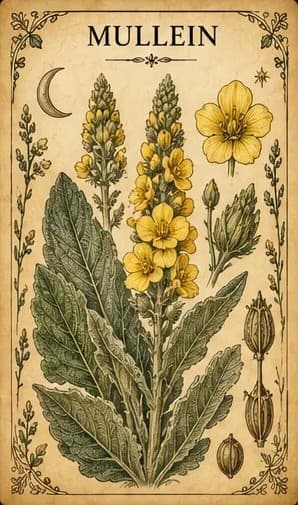
Botanical illustration of Mullein

Mullein

Verbascum thapsus

A plant whose flowers are made into tea and recognized in Europe as a traditional medicine for sore throat with a dry cough and cold.

No. 029Medicinal
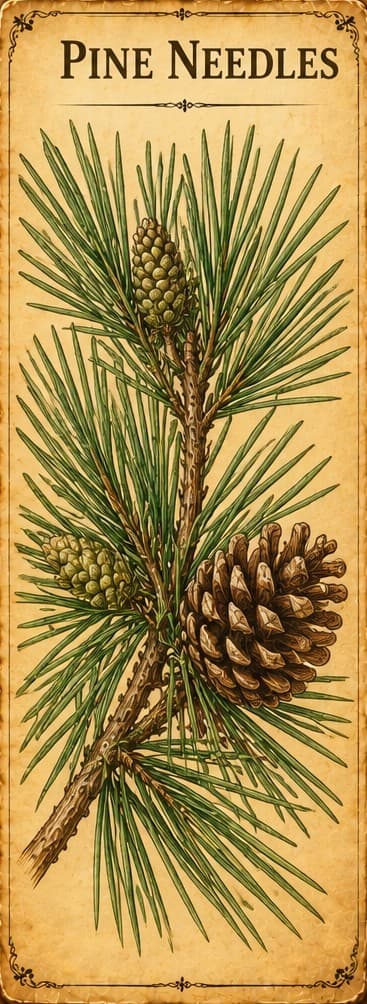
Botanical illustration of Pine Needles

Pine Needles

Pinus spp.

Needles of pine trees, brewed into a tea popular in Japan, Korea, China and Russia, and used in folk medicine for coughs, colds and flu. Some pines contain a substance that causes miscarriage in cattle.

No. 030Medicinal
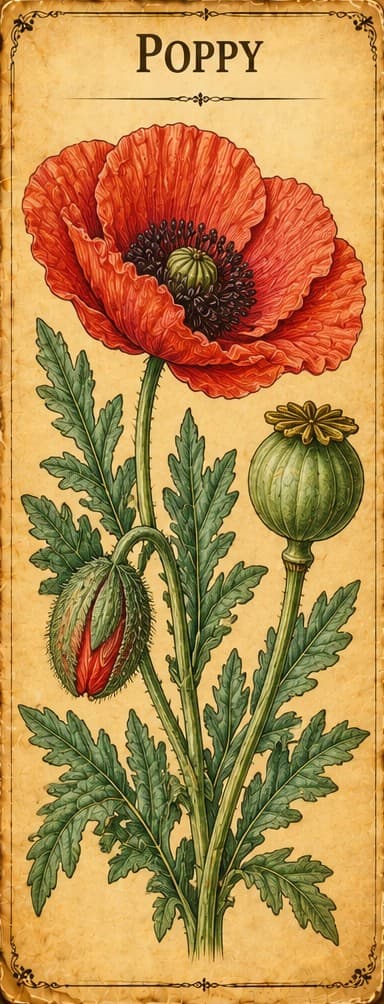
Botanical illustration of Poppy

Poppy

Papaver rhoeas

The red corn poppy, a common field weed, used in folk medicine for coughs, sleep problems, diarrhea and pain, and eaten in salads. Eating it has poisoned adults, causing seizures and loss of consciousness. It's a different plant from the opium poppy.

No. 031Medicinal
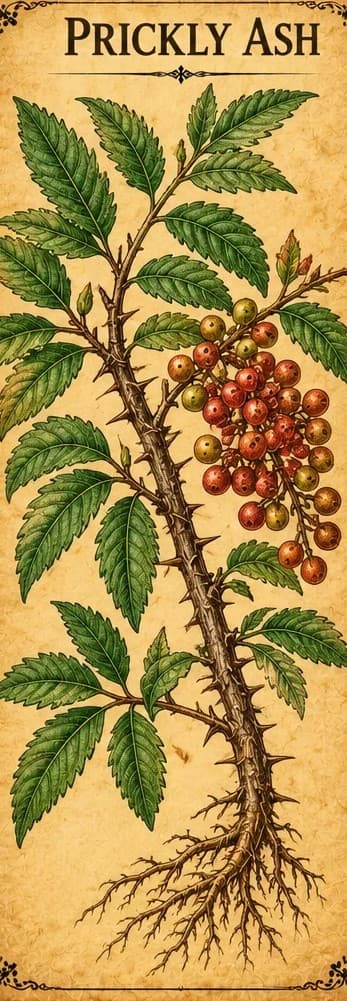
Botanical illustration of Prickly Ash

Prickly Ash

Zanthoxylum americanum

The "toothache tree", a thorny North American shrub whose bark Native Americans used for toothache, rheumatism, fevers, colds and coughs.

No. 032Medicinal
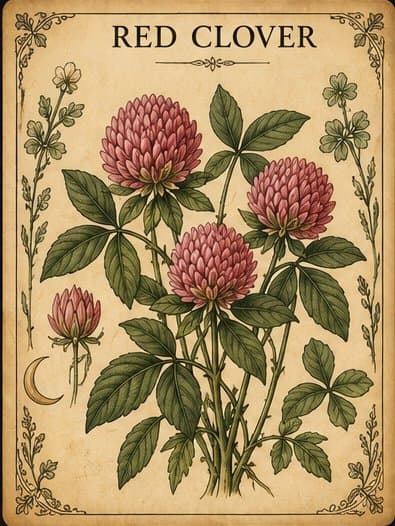
Botanical illustration of Red Clover

Red Clover

Trifolium pratense

A pink-flowered clover traditionally used for skin problems and whooping cough. It has been studied for menopausal hot flashes, with inconsistent results.

No. 033Medicinal
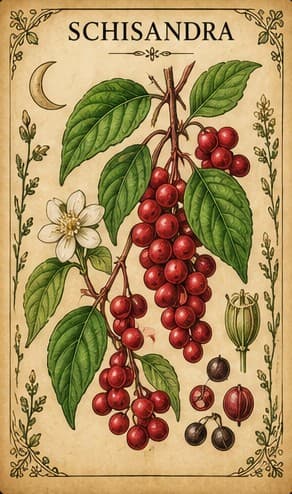
Botanical illustration of Schisandra

Schisandra

Schisandra chinensis

A fruit known in Chinese as wu wei zi ("five-flavor fruit"), long used in traditional Chinese medicine for the liver, coughs and energy. Studies in people are few and small.

No. 034Medicinal
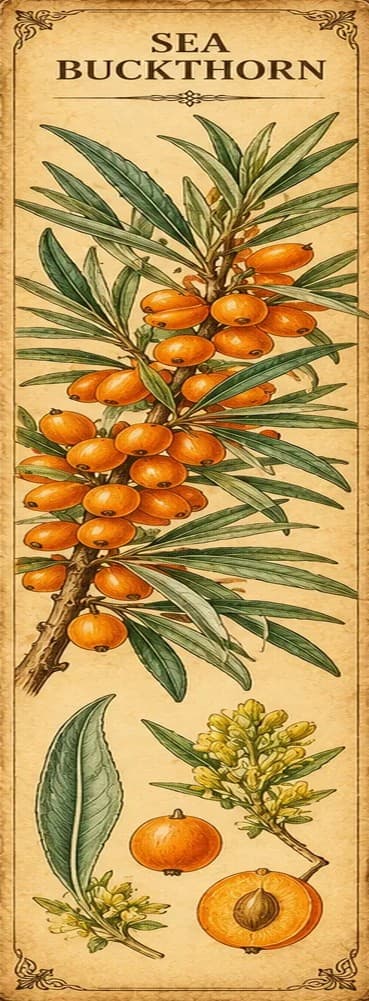
Botanical illustration of Sea Buckthorn

Sea Buckthorn

Hippophae rhamnoides

An orange berry eaten as juice, oil and food, and used in traditional Chinese medicine for cough and digestion. Trials suggest it may improve blood fats in people with abnormal levels.

No. 035Medicinal
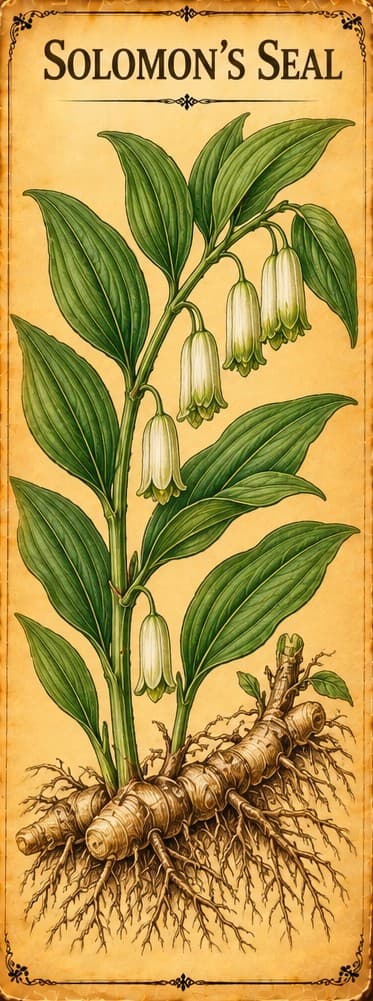
Botanical illustration of Solomon's Seal

Solomon's Seal

Polygonatum odoratum

Angular Solomon's seal, or yu zhu, a root eaten as both food and medicine in China for over 2,000 years, used for dry coughs, thirst and a dry throat. Most research is in the lab and in animals.

No. 036Medicinal
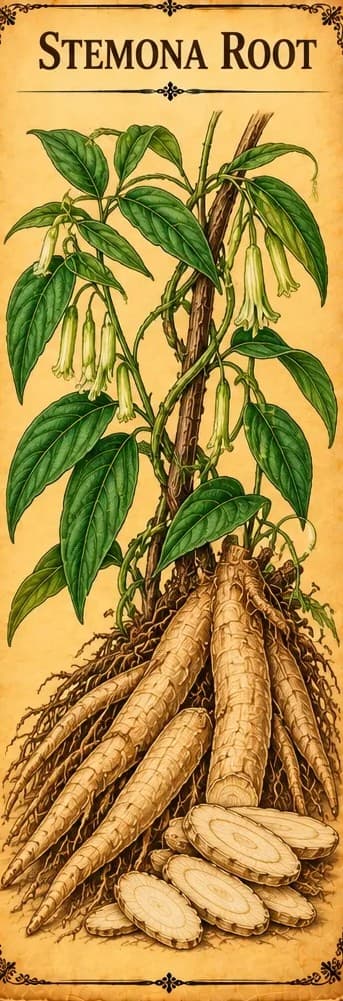
Botanical illustration of Stemona Root

Stemona Root

Stemona species

Bai bu, the root of Stemona plants used across South and East Asia for cough and asthma, and to kill lice and other pests.

No. 037Medicinal
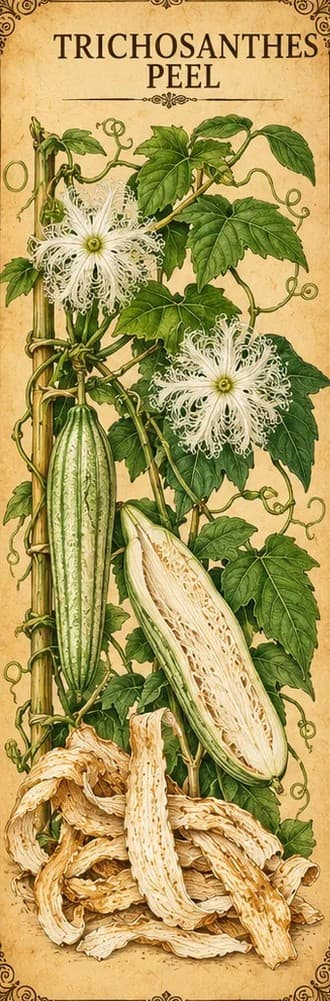
Botanical illustration of Trichosanthes Peel

Trichosanthes Peel

Trichosanthes kirilowii

Gua lou pi, the dried fruit peel of the snake gourd plant, used in Chinese medicine for about 2,000 years for heart conditions such as angina and for cough with phlegm.

No. 038Medicinal
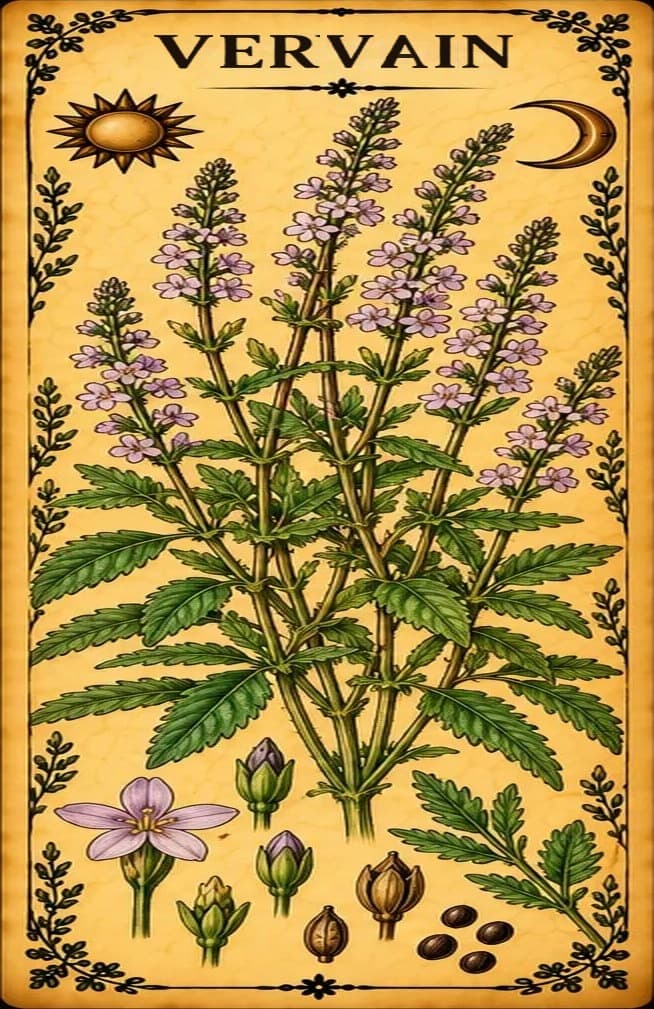
Botanical illustration of Vervain

Vervain

Stachytarpheta jamaicensis

Called vervain in Jamaica and vervine in Antigua and Trinidad, a weedy plant whose leaves make a "cooling" tea used for the stomach, colds and coughs, and to clean wounds.

No. 039Medicinal
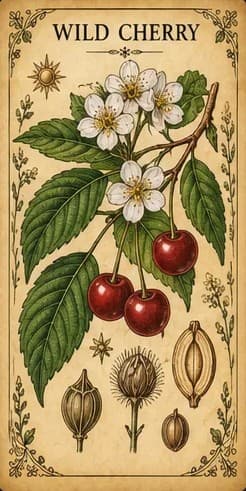
Botanical illustration of Wild Cherry

Wild Cherry

Prunus serotina

Black cherry (capulín), a North American tree used in Mexican folk medicine for cough, high blood pressure and digestive problems. Its seeds and leaves contain compounds that can release cyanide.

No. 040Medicinal
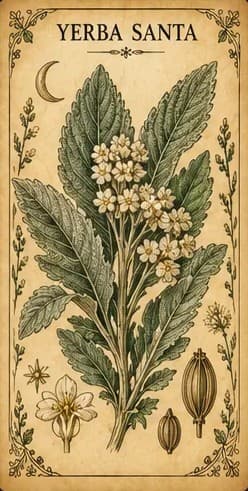
Botanical illustration of Yerba Santa

Yerba Santa

Eriodictyon californicum

A shrub from the southwestern United States and northern Mexico whose leaves have been used by Indigenous peoples for centuries, especially for breathing problems.