Discover the Power of Plants

The Herbal Library

Search the full collection

Browse every herb in the database by name, category, or the body system it's traditionally associated with.

Filtered by body system:ImmuneClear

Herbs can't replace vaccines or medical treatment for infections. Several herbs promoted as immune boosters have caused liver or kidney damage, and some affect medicines that suppress the immune system. Check with your doctor or pharmacist, especially if you have an autoimmune disease or take regular medicines. These herbs are listed because of traditional use or research, not because they're proven treatments.

Results

32 herbs
No. 001Medicinal
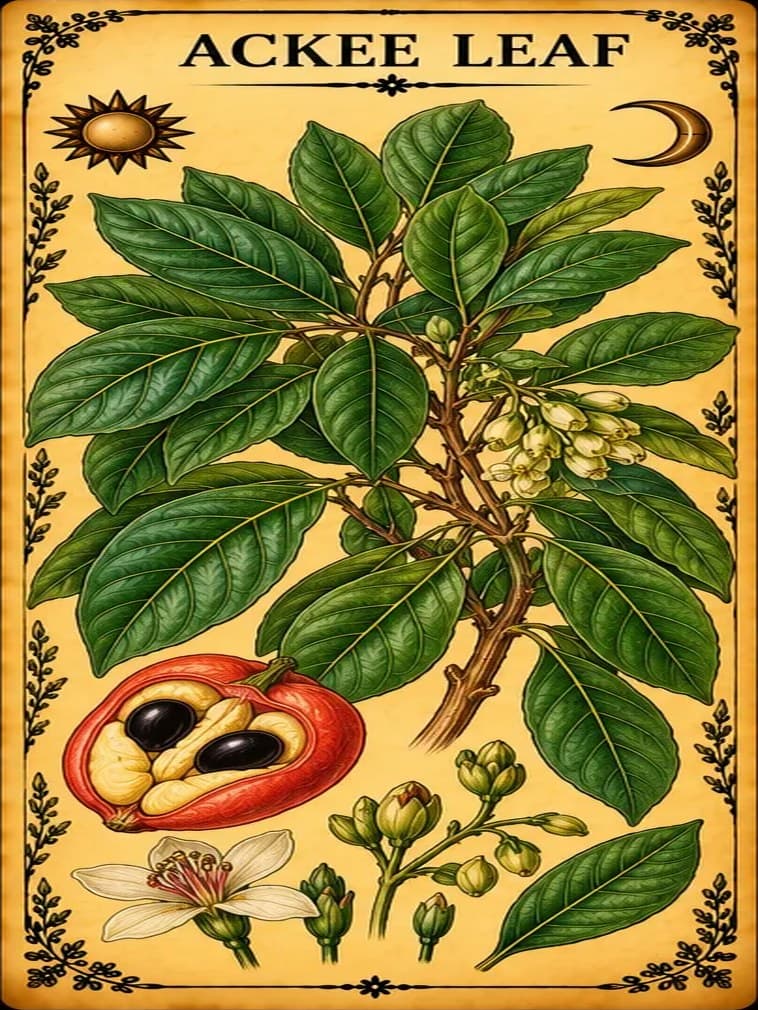
Botanical illustration of Ackee Leaf

Ackee Leaf

Blighia sapida

Leaves of the ackee tree, whose fruit is Jamaica's national dish. The leaves are used in folk medicine for pain, fever and stomach problems. Unripe ackee fruit is poisonous.

Fever

No. 002Medicinal
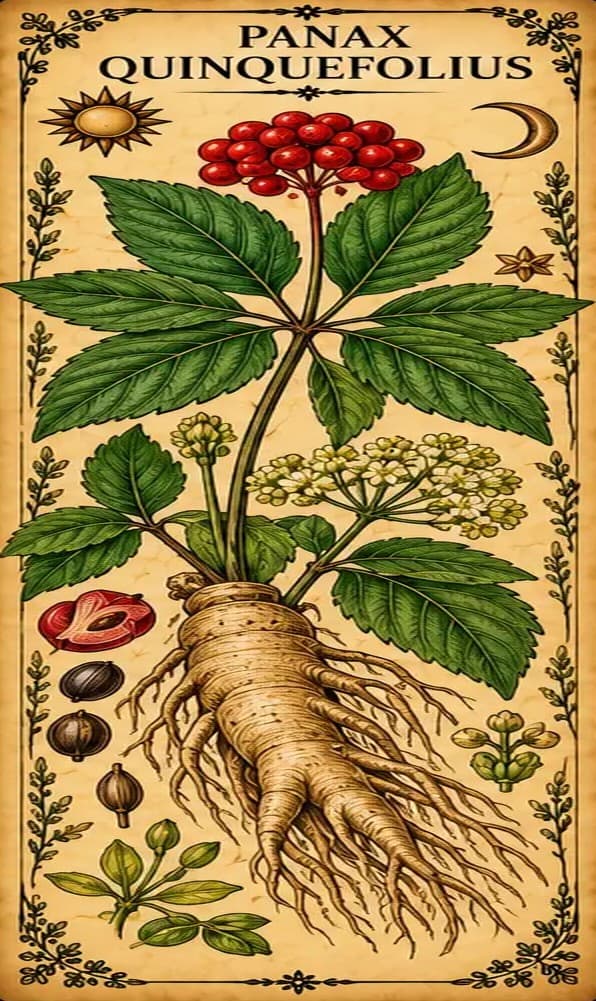
Botanical illustration of American Ginseng

American Ginseng

Panax quinquefolius

North American ginseng, a root studied for preventing colds. Taken for 8 to 16 weeks, it shortened colds in healthy adults in a small number of trials.

Immune Support (Colds and Flu)

No. 003Medicinal
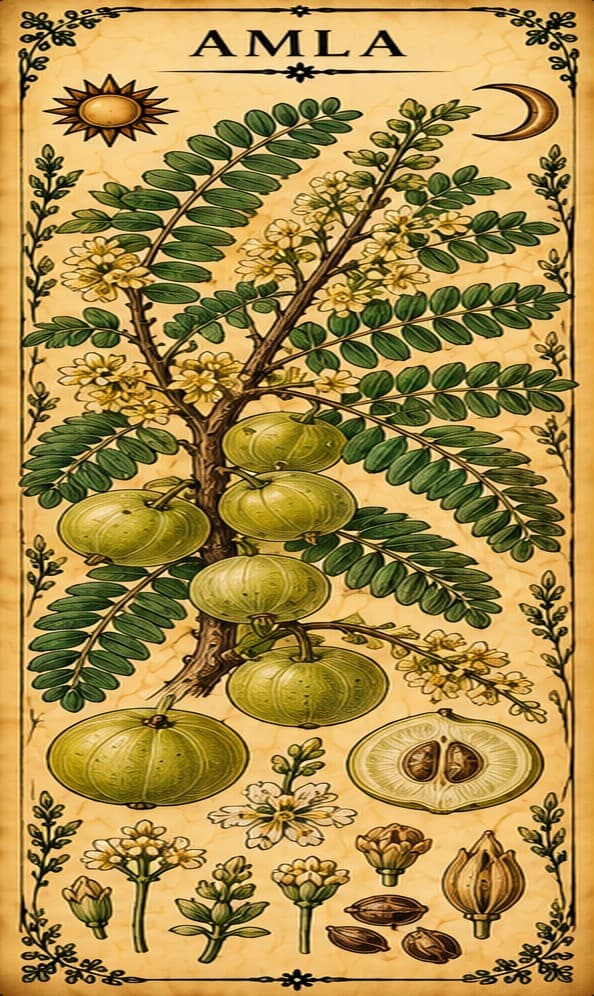
Botanical illustration of Amla

Amla

Phyllanthus emblica

Indian gooseberry, a fruit rich in vitamin C and antioxidants, used in Ayurveda and as one of the three fruits in Triphala. Trials suggest it may lower cholesterol, blood sugar and a marker of inflammation.

Immune Support (Colds and Flu)

No. 004Medicinal
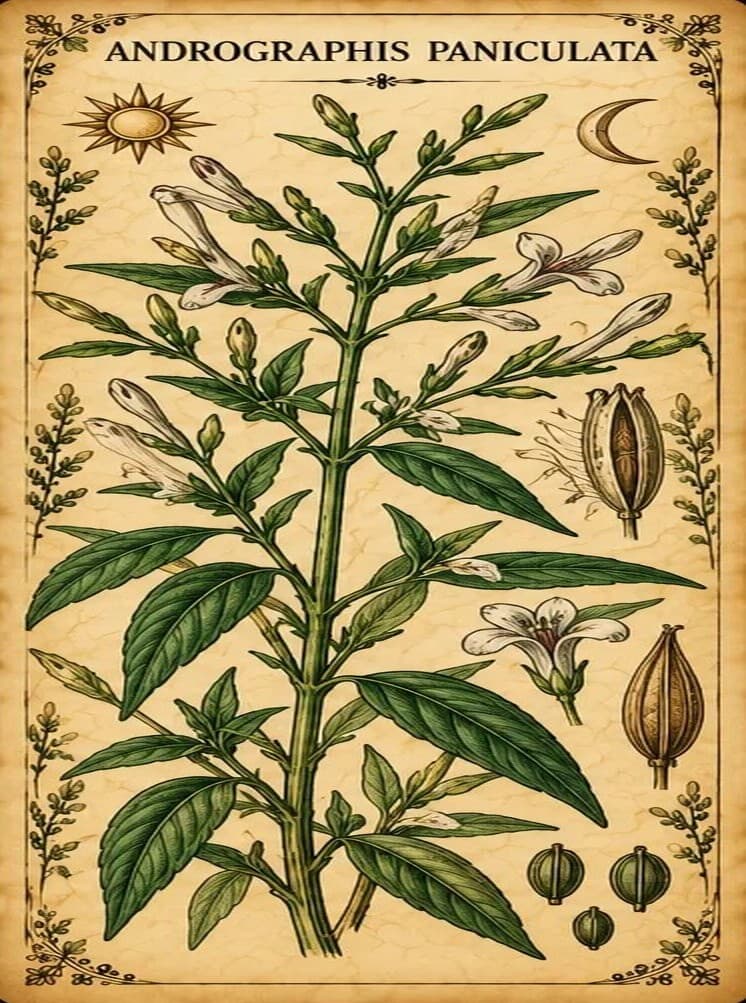
Botanical illustration of Andrographis

Andrographis

Andrographis paniculata

A bitter herb used across Asia for infections and fevers, and traditionally for skin inflammation and wounds. It has mainly been studied for colds and flu.

Immune Support (Colds and Flu)

No. 005Medicinal
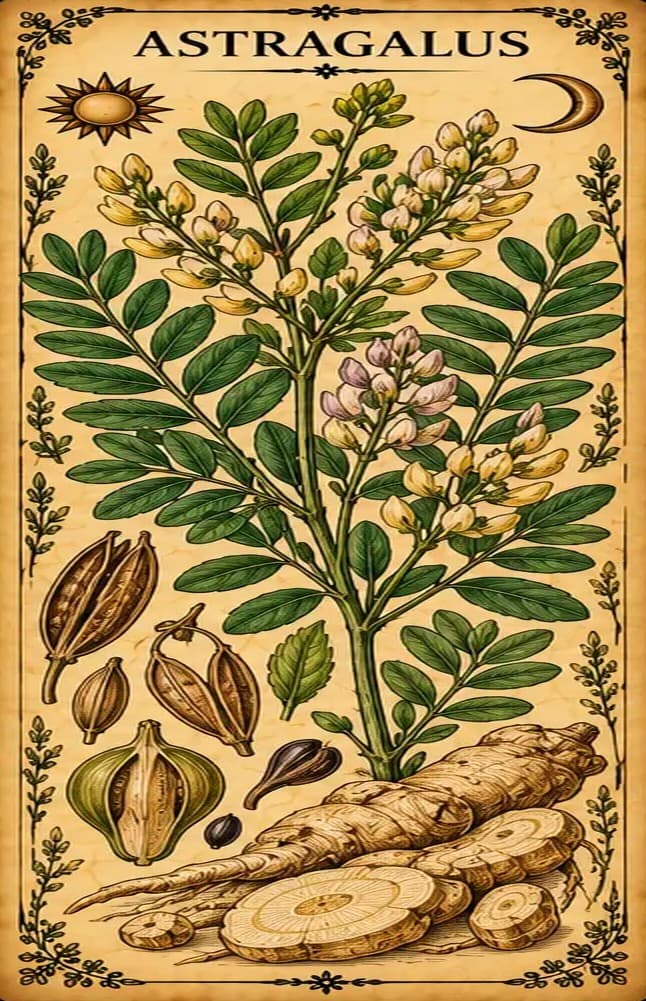
Botanical illustration of Astragalus

Astragalus

Astragalus membranaceus

A root (huang qi) used for centuries in traditional Chinese medicine and promoted to strengthen the immune system. There isn't enough reliable evidence to know whether it helps any condition.

Immune Support (Colds and Flu)

No. 006Medicinal
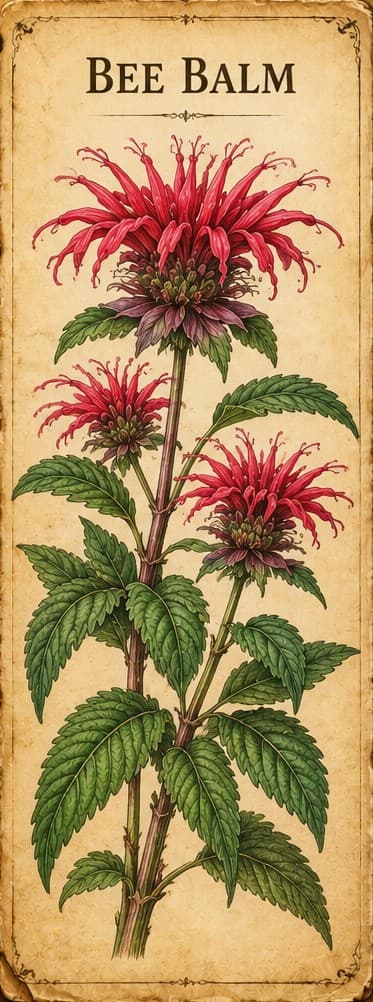
Botanical illustration of Bee Balm

Bee Balm

Monarda didyma

A red-flowered North American mint, also called Oswego tea, used by the Cherokee as a tea and as a poultice for colds and headaches. Human research is very limited.

Fever

No. 007Medicinal
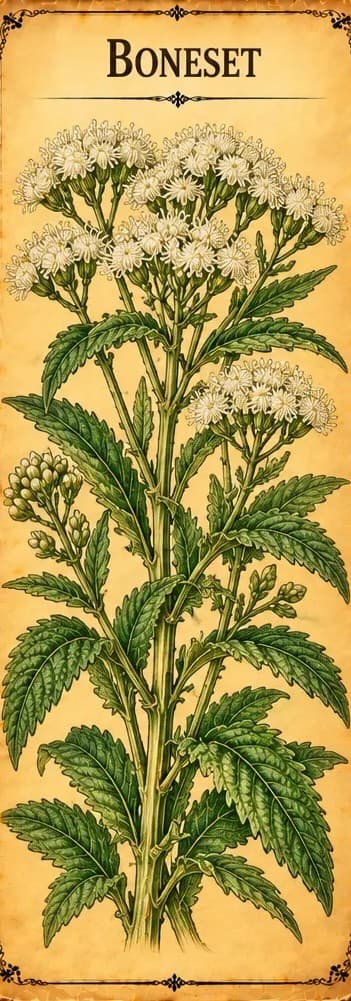
Botanical illustration of Boneset

Boneset

Eupatorium perfoliatum

A North American wildflower long used as a tea for fever, flu, colds and coughs. In the lab, an extract stopped flu viruses from infecting cells, but it hasn't been tested in people.

Fever

No. 008Medicinal
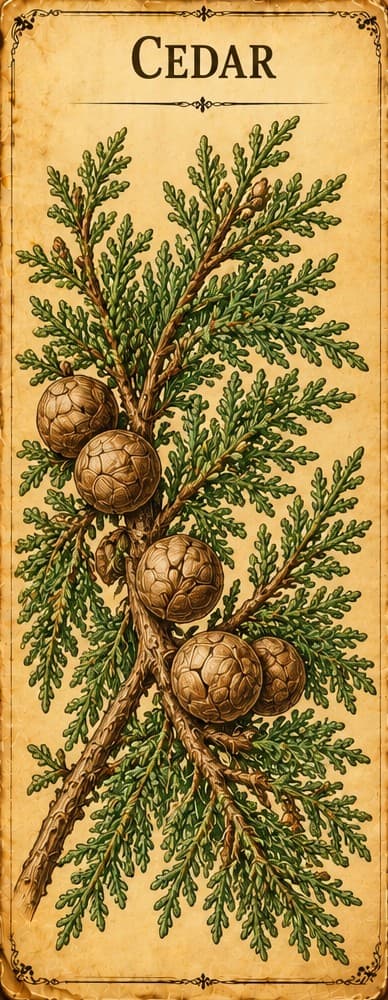
Botanical illustration of Cedar

Cedar

Thuja occidentalis

Northern white cedar, or arborvitae, a North American evergreen. Indigenous people in Canada showed it to 16th-century explorers as a remedy for scurvy. Its fresh leaves contain thujone and can be poisonous.

Immune Support (Colds and Flu)

No. 009Medicinal
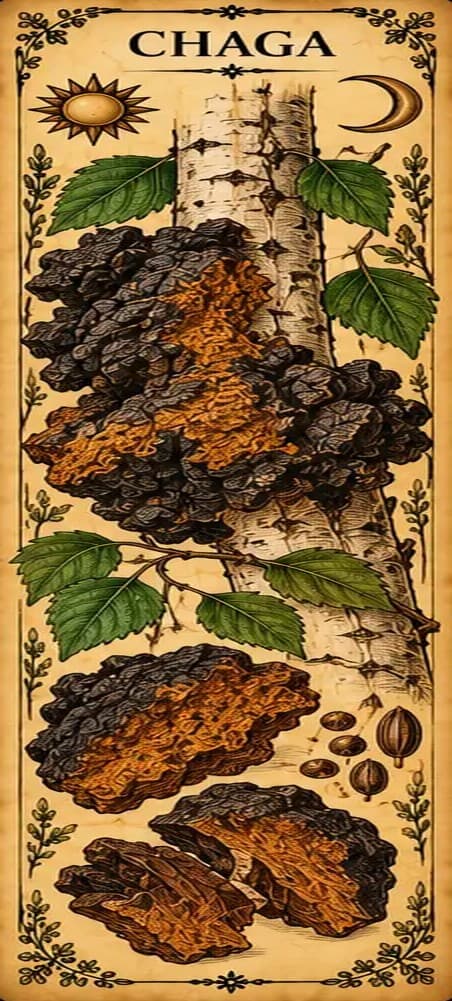
Botanical illustration of Chaga

Chaga

Inonotus obliquus

A dark, crusty fungus that grows on birch trees, long used as a folk remedy in Siberia and Russia for immunity. It is very high in oxalate, and long-term use has caused kidney damage.

Immune Support (Colds and Flu)

No. 010Medicinal
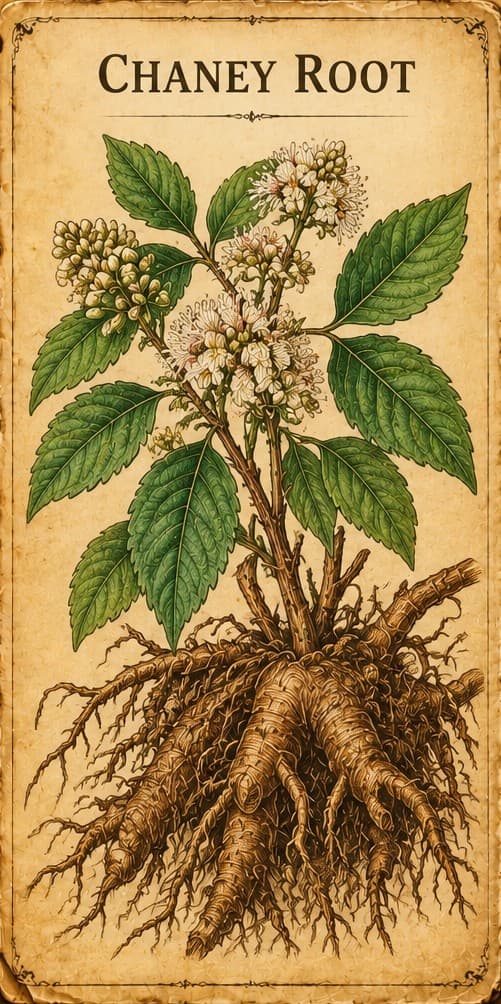
Botanical illustration of Chaney Root

Chaney Root

Smilax balbisiana

A Jamaican climbing plant related to sarsaparilla. Its root is boiled into the popular "root tonic" drunk for stamina, and into teas for colds and flu. It hasn't been studied in people.

Immune Support (Colds and Flu)

No. 011Medicinal
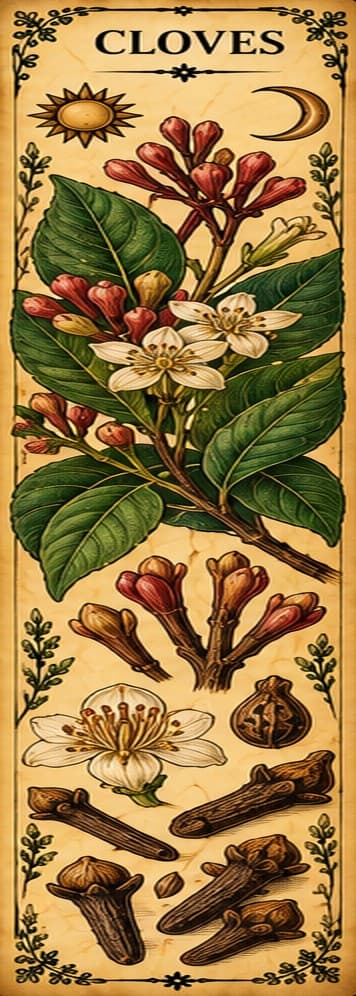
Botanical illustration of Cloves

Cloves

Syzygium aromaticum

A kitchen spice from the clove tree, whose oil is recognized in Europe for toothache and minor mouth and throat inflammation. In the lab, clove oil kills bacteria and fungi.

Immune Support (Colds and Flu)

No. 012Medicinal
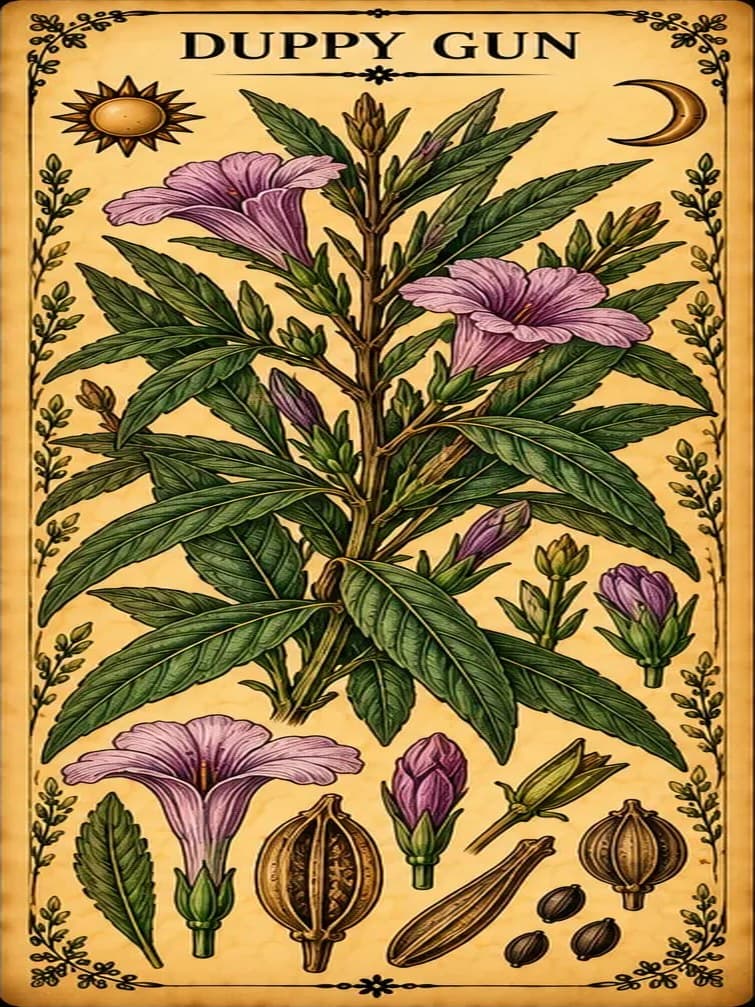
Botanical illustration of Duppy Gun

Duppy Gun

Ruellia tuberosa

Ruellia tuberosa, also called Mexican bluebell, a folk medicine for diabetes in Asia. It lowered blood sugar in diabetic rats but hasn't been tested in people.

Fever

No. 013Medicinal
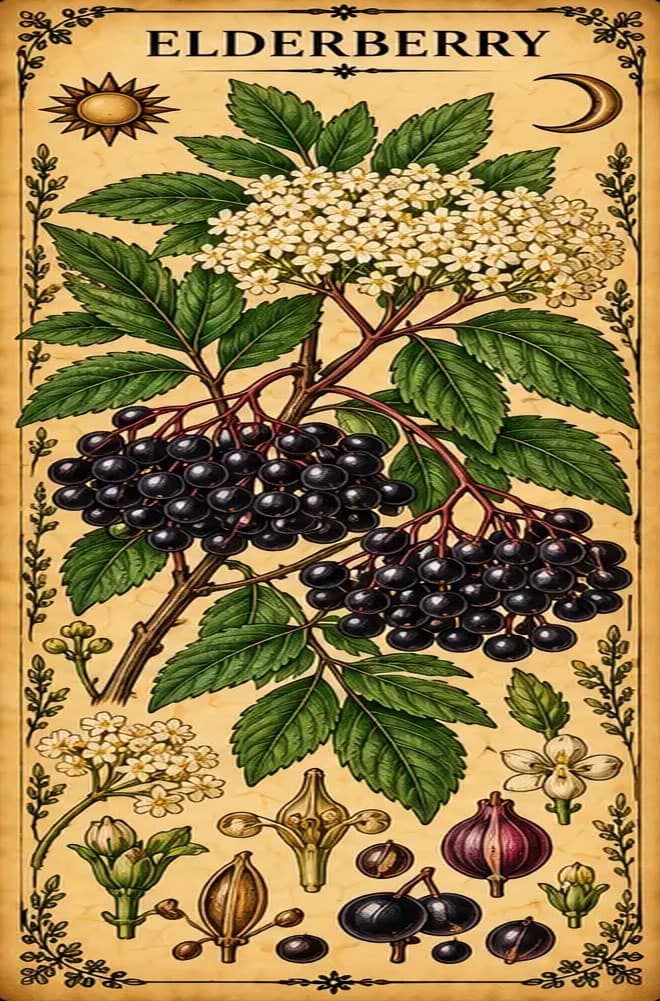
Botanical illustration of Elderberry

Elderberry

Sambucus nigra

The European elder, whose berries are used in folk medicine for colds and flu and whose flowers are recognized in Europe for early cold symptoms. Raw berries, leaves and stems are poisonous.

Immune Support (Colds and Flu)

No. 014Medicinal
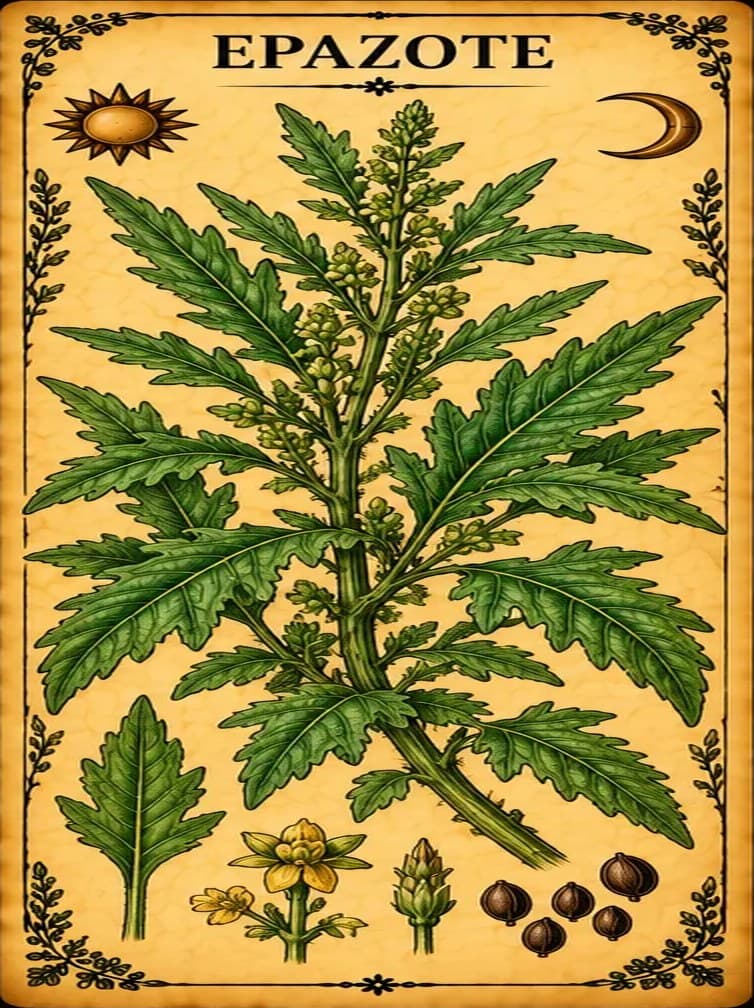
Botanical illustration of Epazote

Epazote

Dysphania ambrosioides

An herb used in Jamaican and Latin American folk medicine against worms. It can cause serious, even deadly, poisoning, especially in children.

Fever

No. 015Medicinal
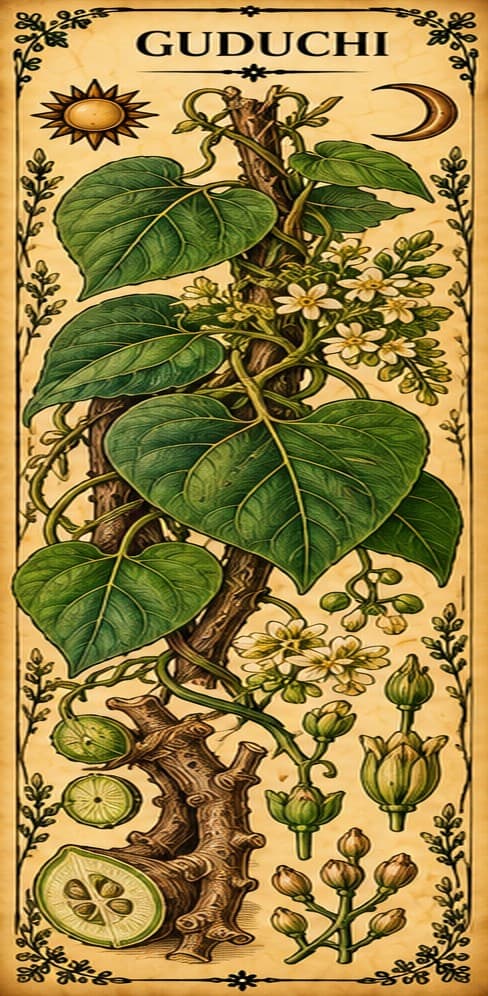
Botanical illustration of Giloy (Guduchi)

Giloy (Guduchi)

Tinospora cordifolia

An Ayurvedic climbing vine promoted in India as an immunity booster, including during COVID-19. Cases of liver injury have been reported, though some may involve a look-alike plant.

Immune Support (Colds and Flu)

No. 016Medicinal
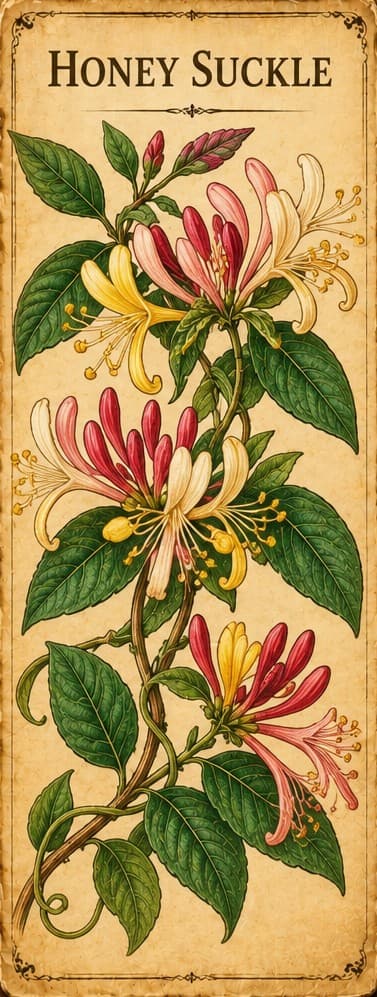
Botanical illustration of Honeysuckle

Honeysuckle

Lonicera japonica

Japanese honeysuckle, or jin yin hua, is a widely used herb in traditional Chinese medicine, taken for fevers, sore throats, skin sores and infections. Most research so far is in the lab and in animals.

Fever

No. 017Medicinal
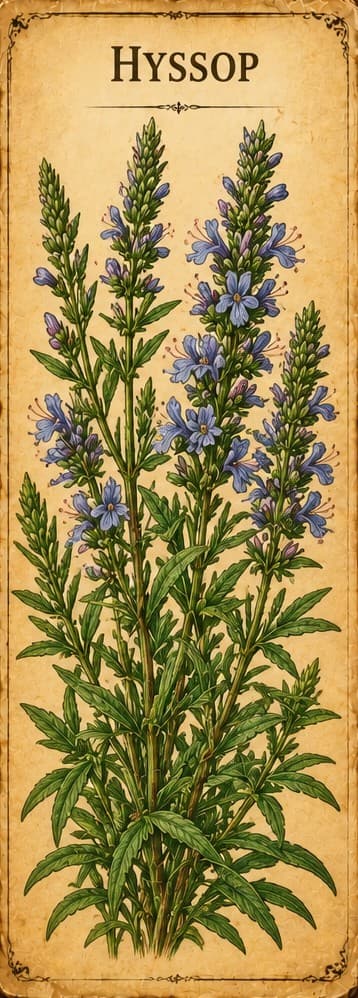
Botanical illustration of Hyssop

Hyssop

Hyssopus officinalis

A blue-flowered herb of the mint family, used for colds, coughs and poor appetite and as a flavoring. Its essential oil can cause seizures at high doses.

Immune Support (Colds and Flu)

No. 018Medicinal
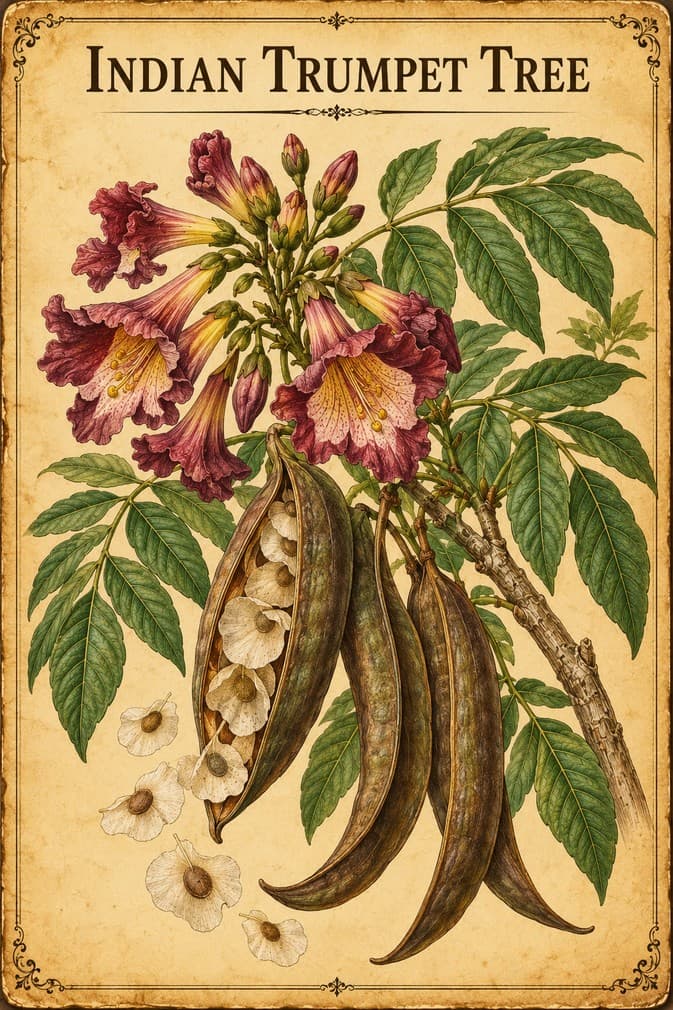
Botanical illustration of Indian Trumpet Tree

Indian Trumpet Tree

Oroxylum indicum

An Asian tree with huge sword-shaped seed pods, called shyonaka in Ayurveda, where its root bark and seeds are used for diarrhea, fever, coughs and joint pain. Its safety hasn't been studied in detail.

Fever

No. 019Medicinal
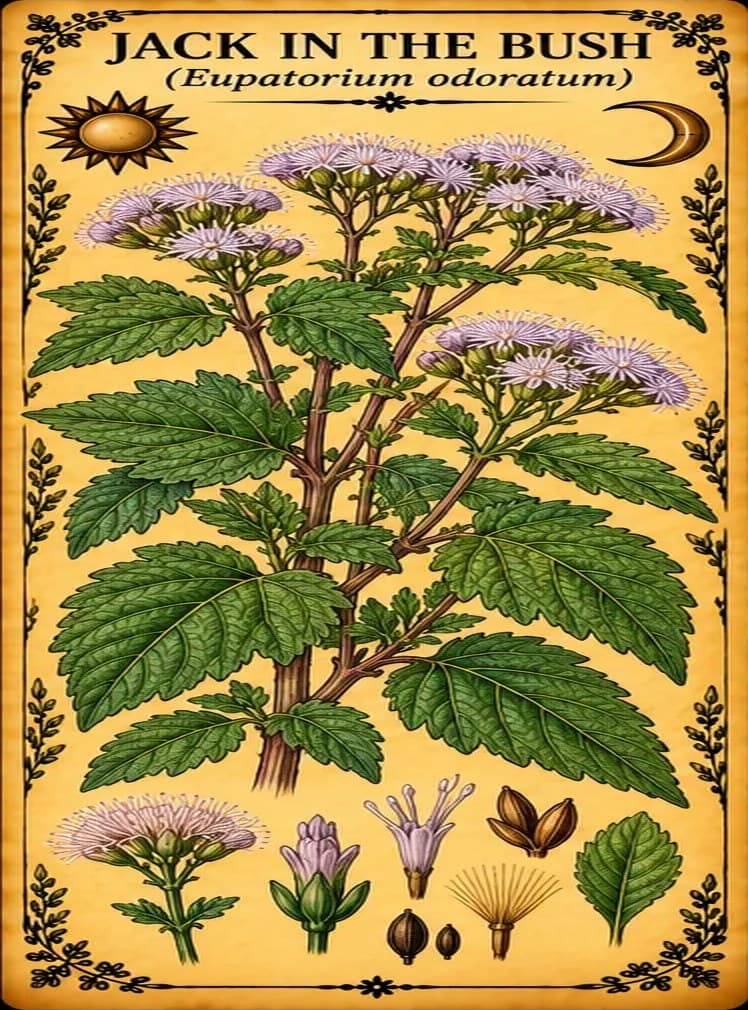
Botanical illustration of Jack in the Bush

Jack in the Bush

Chromolaena odorata

One of Jamaica's most popular bush teas for colds and flu, also used in Africa and Asia for fever, wounds and diabetes. Research so far is in the lab and in animals.

Immune Support (Colds and Flu) · Fever

No. 020Medicinal
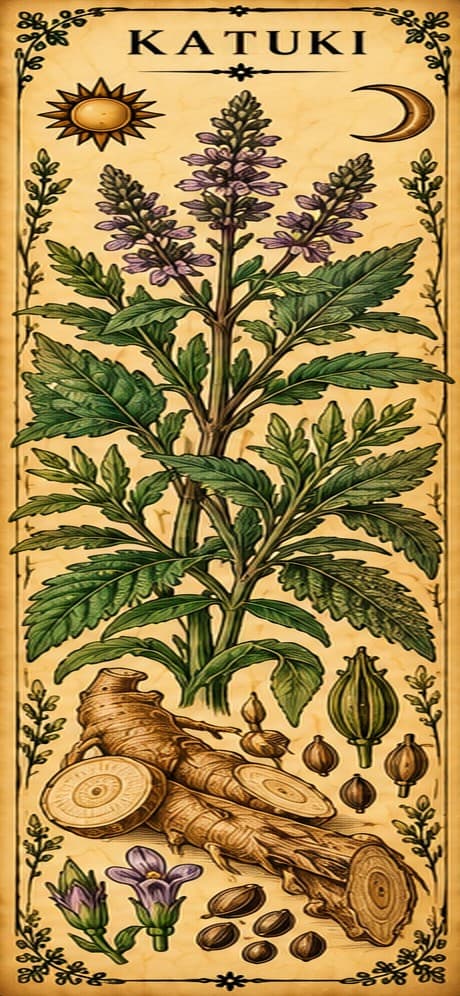
Botanical illustration of Katuki

Katuki

Picrorhiza kurroa

Kutki, a bitter root used in Ayurveda for thousands of years for fever, jaundice, the liver and breathing problems. It is now endangered in the wild.

Immune Support (Colds and Flu)

No. 021Medicinal
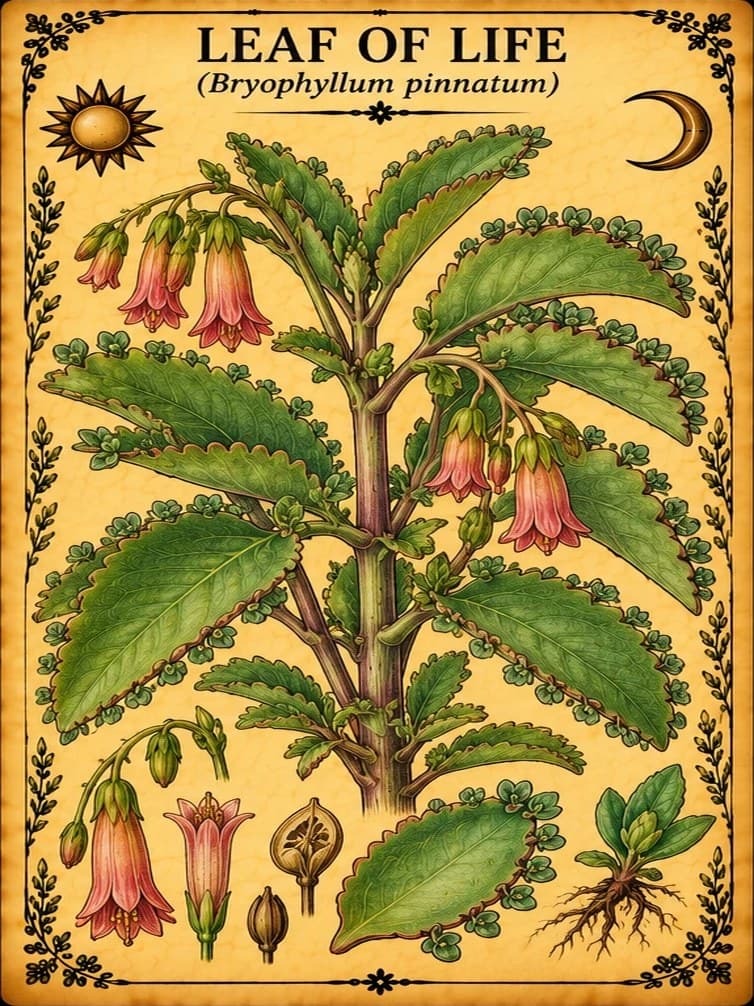
Botanical illustration of Leaf of Life

Leaf of Life

Bryophyllum pinnatum

One of Jamaica's most popular bush medicines, used for colds and flu. In Switzerland, tablets made from its leaf juice have been studied for overactive bladder and sleep.

Immune Support (Colds and Flu)

No. 022Medicinal
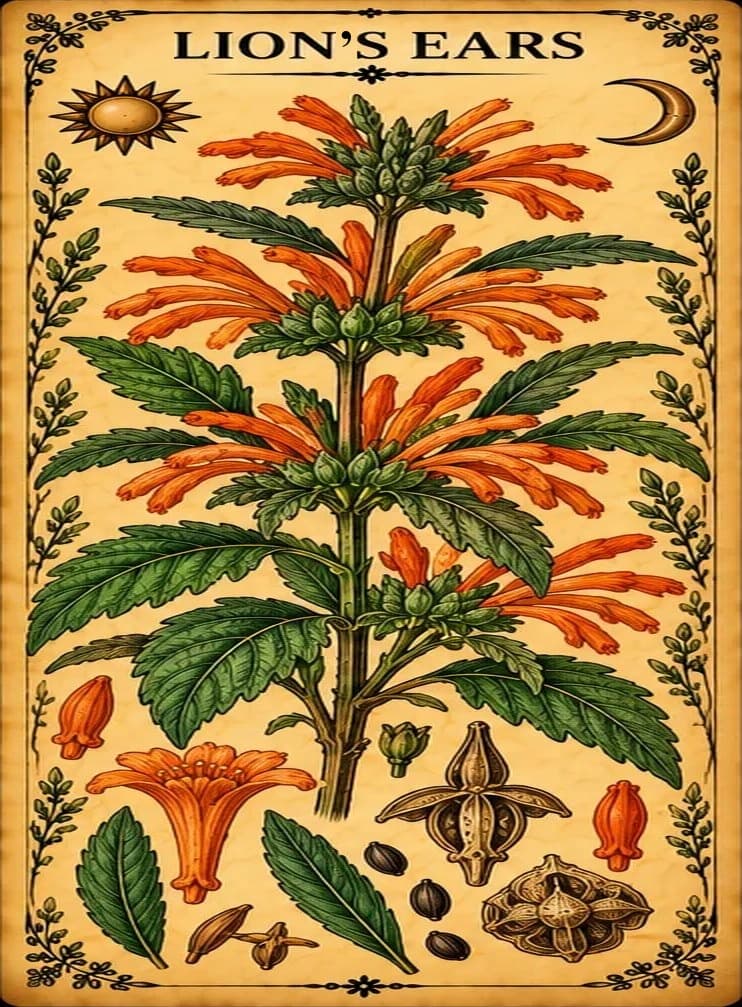
Botanical illustration of Lion's Ear

Lion's Ear

Leonotis nepetifolia

A plant in the mint family, known as shandilay in Trinidad, where it's a popular traditional remedy for colds and coughs. Research so far is limited to lab and animal studies.

Fever

No. 023Medicinal
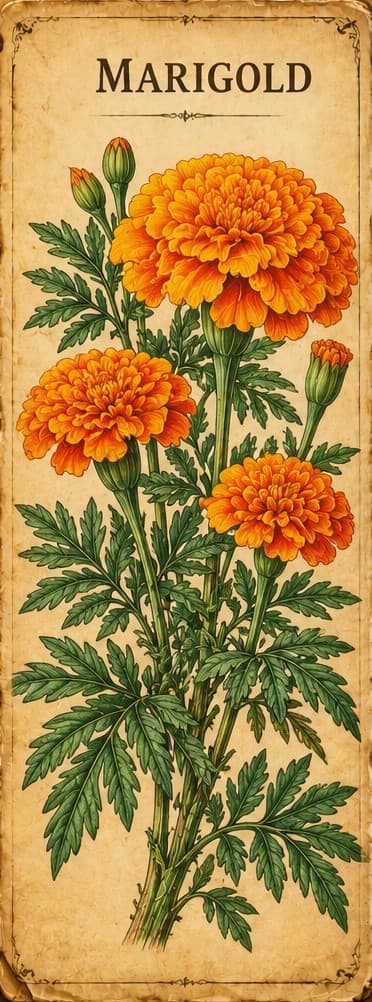
Botanical illustration of Marigold

Marigold

Tagetes erecta

The orange-flowered Mexican marigold, or cempasúchil, used in folk medicine from Mexico to India for fevers, colds, stomach upsets and skin sores. It's a different plant from calendula (pot marigold).

Immune Support (Colds and Flu) · Fever

No. 024Medicinal
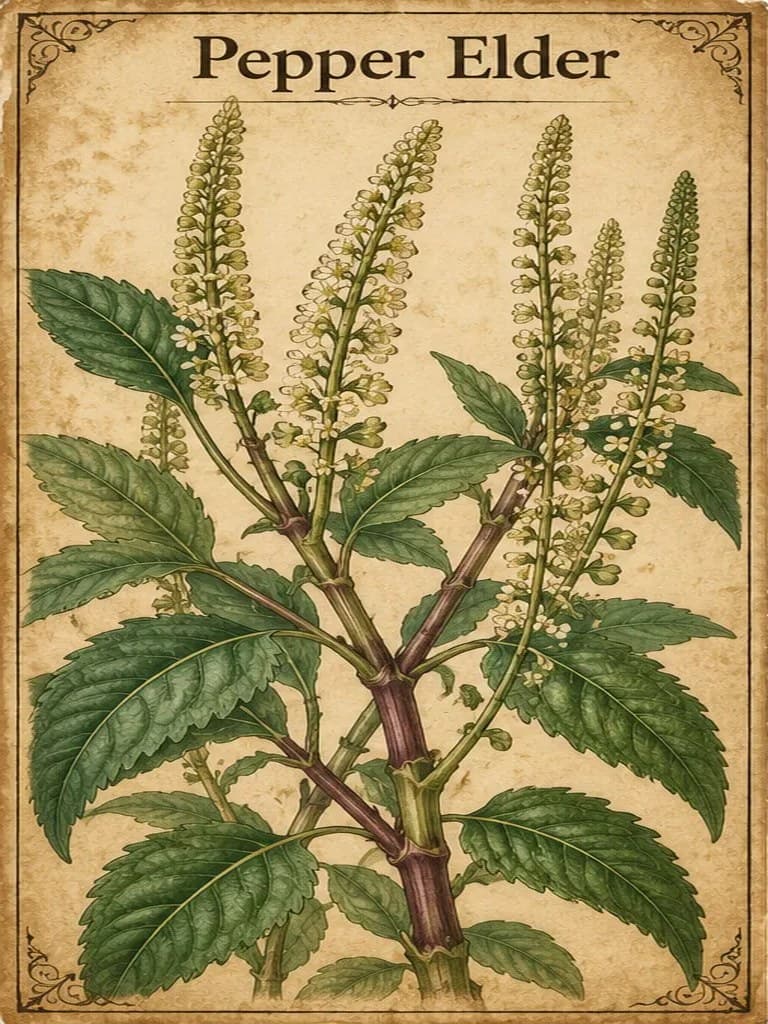
Botanical illustration of Pepper Elder

Pepper Elder

Piper amalago

A plant in the pepper family whose leaves are made into a Jamaican bush tea for colds and flu. Research so far is mostly in rats.

Immune Support (Colds and Flu)

No. 025Medicinal
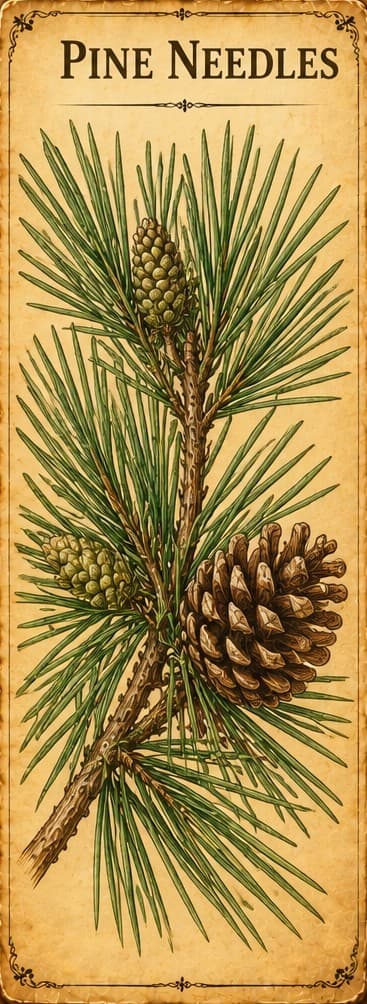
Botanical illustration of Pine Needles

Pine Needles

Pinus spp.

Needles of pine trees, brewed into a tea popular in Japan, Korea, China and Russia, and used in folk medicine for coughs, colds and flu. Some pines contain a substance that causes miscarriage in cattle.

Immune Support (Colds and Flu)

No. 026Medicinal
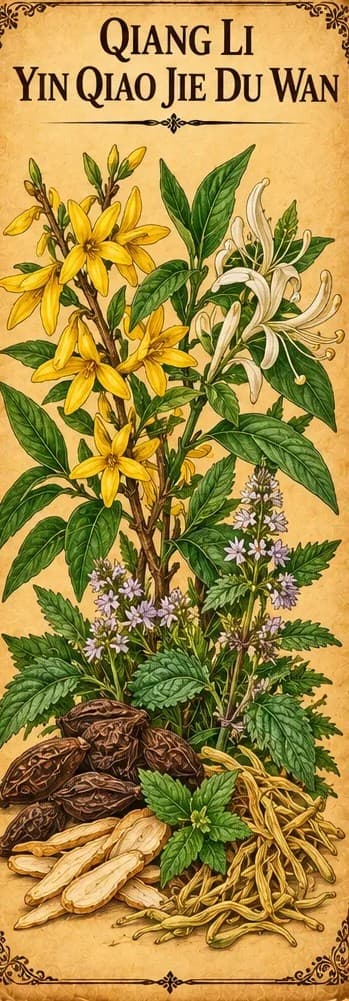
Botanical illustration of Qiang Li Yin Qiao Jie Du Wan

Qiang Li Yin Qiao Jie Du Wan

Lonicera japonica, Forsythia suspensa and other herbs

A Chinese patent medicine based on Yin Qiao San, a honeysuckle and forsythia formula used early in colds and flu for fever, sore throat and headache.

Fever

No. 027Medicinal
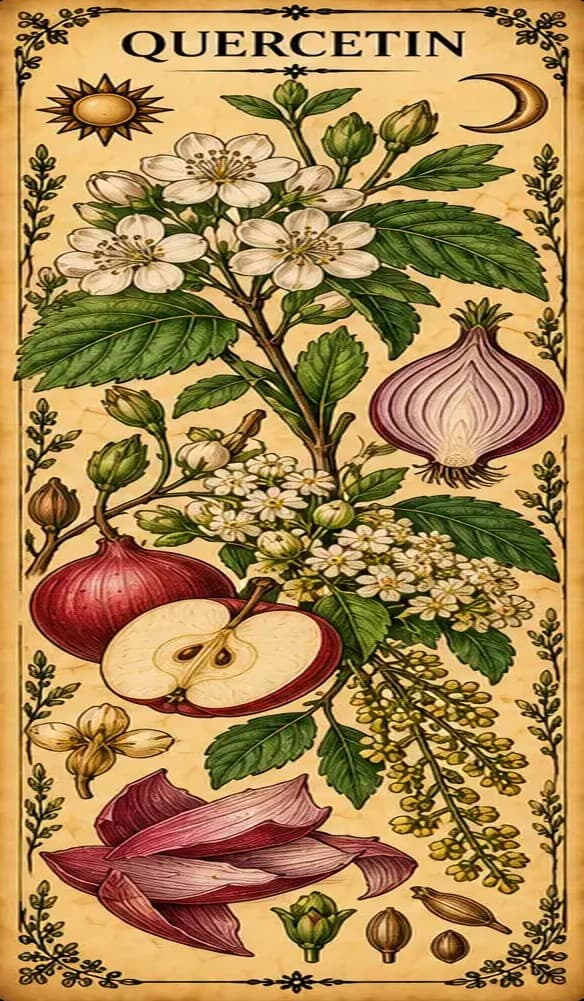
Botanical illustration of Quercetin

Quercetin

Plant flavonoid (found in apples, onions and other foods)

A natural plant compound found in apples, onions, grapes, citrus and parsley, and sold as a supplement. In a trial of 1,002 people it didn't prevent colds overall.

Immune Support (Colds and Flu)

No. 028Medicinal
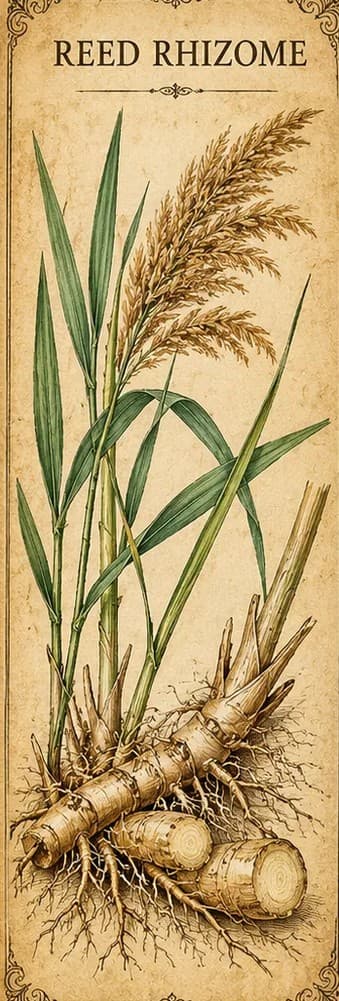
Botanical illustration of Reed Rhizome

Reed Rhizome

Phragmites australis

Lu gen, the underground stem of the common reed, used in Chinese medicine to clear heat and increase urination, for fever, nausea and urinary problems.

Fever

No. 029Medicinal
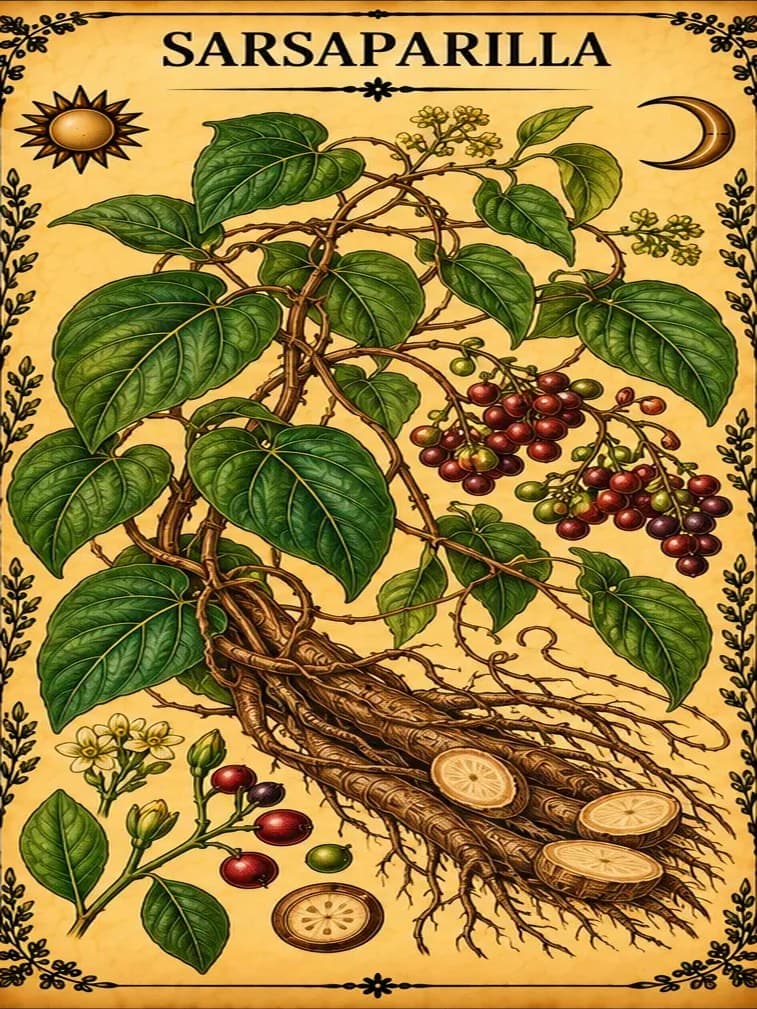
Botanical illustration of Sarsaparilla

Sarsaparilla

Smilax ornata

A plant whose root is boiled into Jamaican roots tonics and used for colds and flu. Research on sarsaparilla plants is mostly preliminary lab and animal work.

Immune Support (Colds and Flu)

No. 030Medicinal
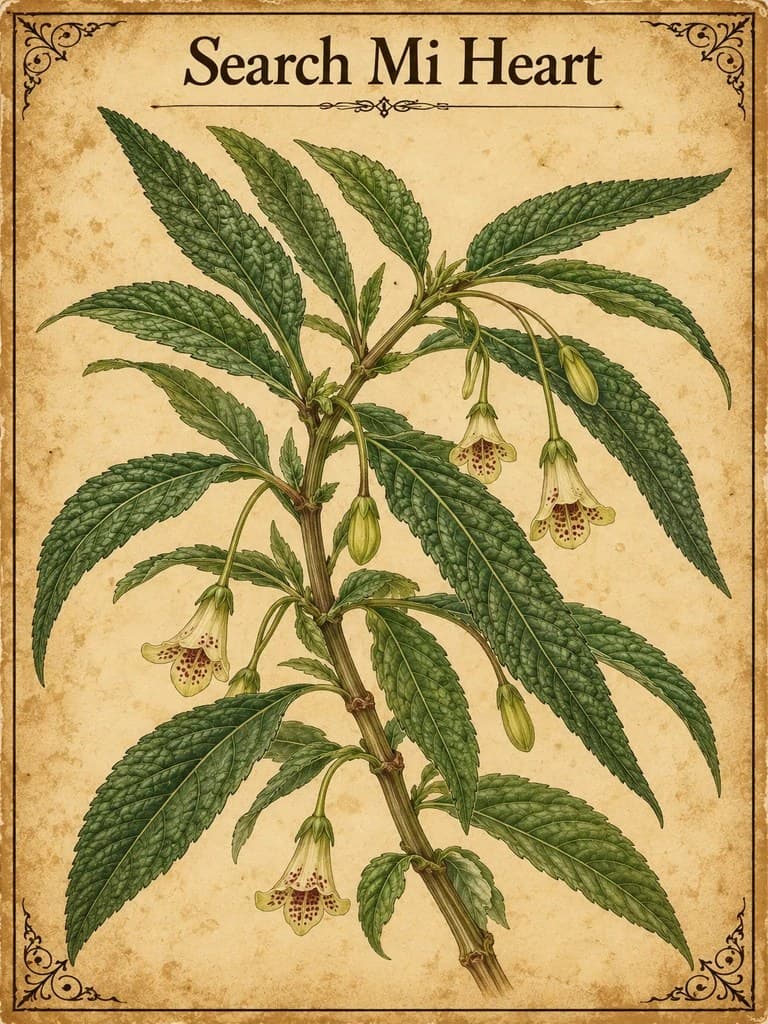
Botanical illustration of Search Mi Heart

Search Mi Heart

Rhytidophyllum tomentosum

A Jamaican plant whose dried leaves are made into a bush tea, traditionally used for colds and flu, the heart, breathing problems and digestion. It hasn't been studied in research.

Immune Support (Colds and Flu)

No. 031Medicinal
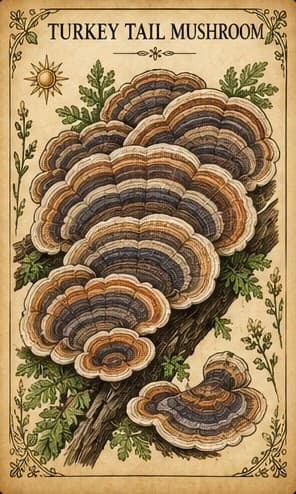
Botanical illustration of Turkey Tail

Turkey Tail

Trametes versicolor

A mushroom used in traditional Chinese medicine as a tonic. Extracts from it are used alongside cancer treatment in Japan and China.

Immune Support (Colds and Flu)

No. 032Medicinal
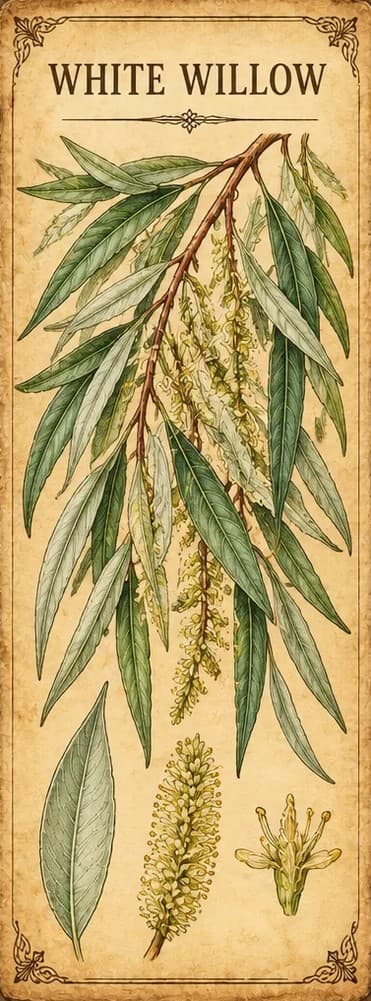
Botanical illustration of White Willow

White Willow

Salix alba

Willow bark, a natural source of salicin, a relative of aspirin. Recognized in Europe for short-term lower back pain, and traditionally for joint pain, fever and headache.

Fever