Discover the Power of Plants

The Herbal Library

Search the full collection

Browse every herb in the database by name, category, or the body system it's traditionally associated with.

Filtered by body system:CardiovascularClear

Heart and blood vessel problems can be serious. These herbs are listed because people have traditionally used them or researchers have studied them, not because they're proven treatments. Don't use them in place of medicine your doctor prescribed, and check with your doctor or pharmacist first: several can interact with heart, blood pressure and blood-thinning medicines.

Results

33 herbs
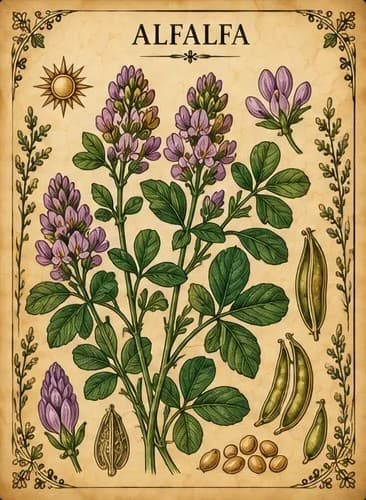
No. 001Medicinal
Botanical illustration of Alfalfa

Alfalfa

Medicago sativa

A widely used food and animal-feed crop, promoted as a supplement for many uses, including lowering cholesterol. Extracts have been studied on skin cells in the lab, but not on skin in people.

High Cholesterol

No. 002Medicinal
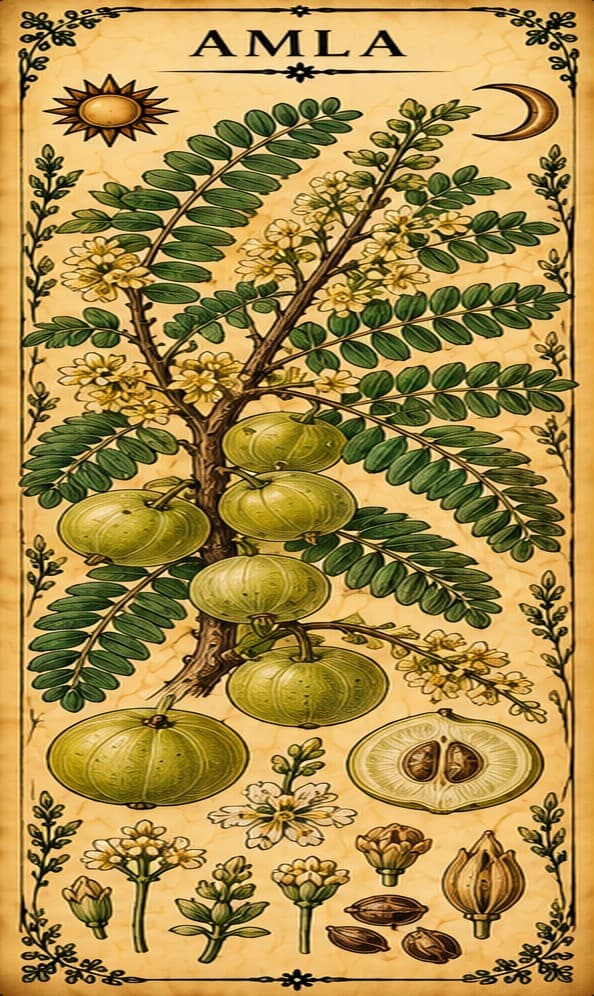
Botanical illustration of Amla

Amla

Phyllanthus emblica

Indian gooseberry, a fruit rich in vitamin C and antioxidants, used in Ayurveda and as one of the three fruits in Triphala. Trials suggest it may lower cholesterol, blood sugar and a marker of inflammation.

High Cholesterol

No. 003Medicinal
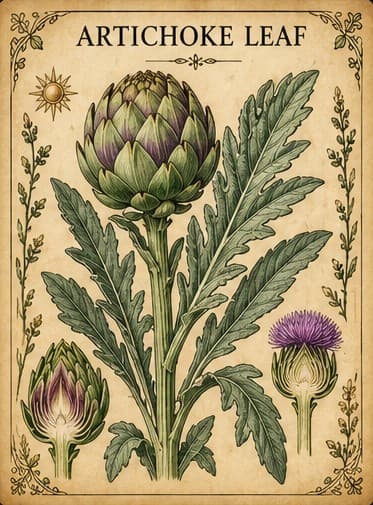
Botanical illustration of Artichoke Leaf

Artichoke Leaf

Cynara cardunculus

Leaves of the artichoke plant, recognized in Europe for indigestion, fullness and bloating. Several small trials suggest it may lower liver enzyme levels in fatty liver disease.

High Cholesterol

No. 004Medicinal
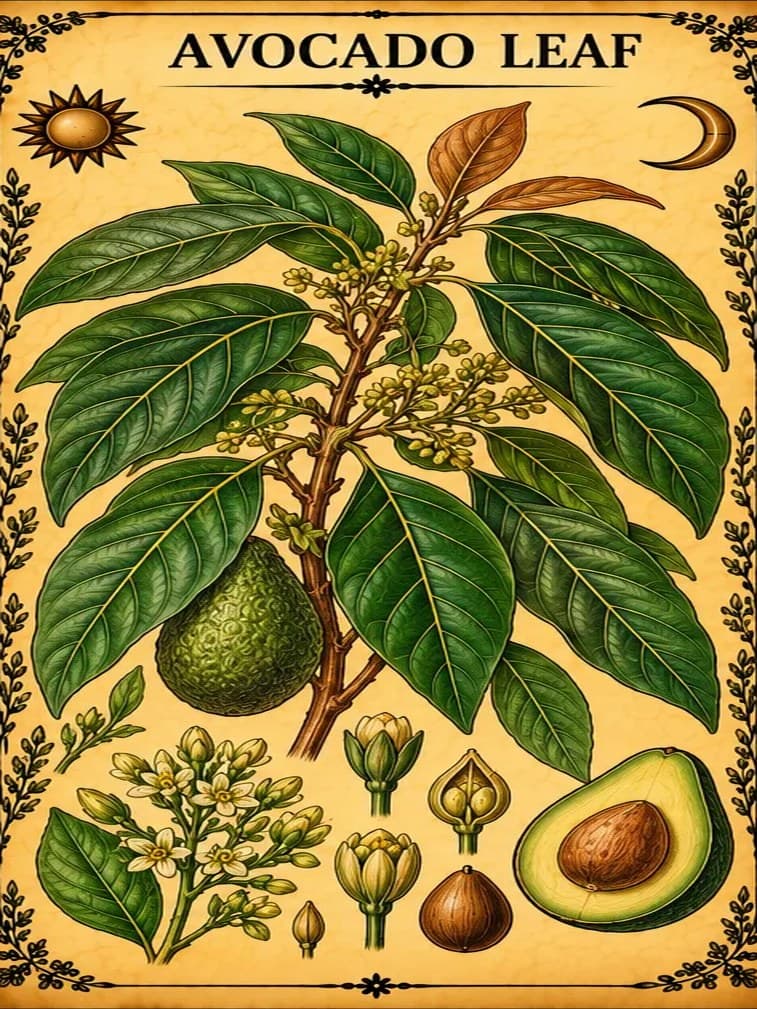
Botanical illustration of Avocado Leaf

Avocado Leaf

Persea americana

Leaves of the avocado tree, made into a tea and used in Caribbean folk medicine for high blood pressure. They lowered blood pressure in rats but haven't been tested in people.

High Blood Pressure

No. 005Medicinal
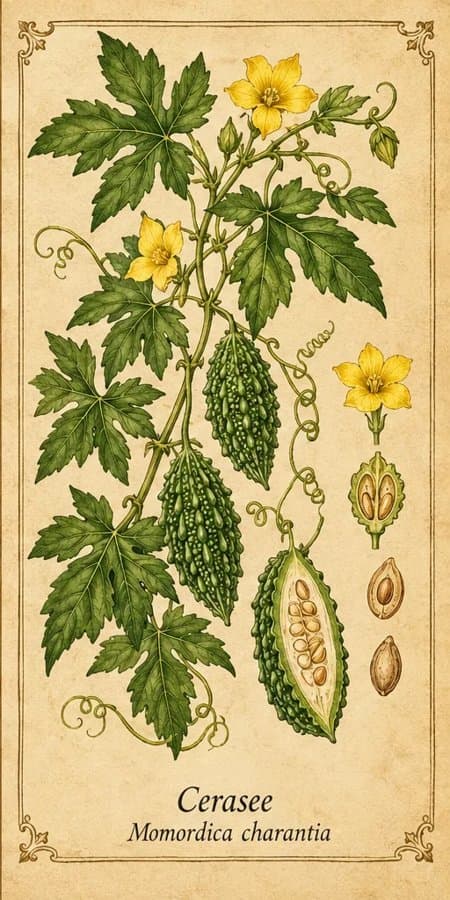
Botanical illustration of Cerasee

Cerasee

Momordica charantia

A bitter plant known in Jamaica as cerasee and elsewhere as bitter melon, widely used as a folk remedy for diabetes and high blood pressure.

High Blood Pressure

No. 006Medicinal
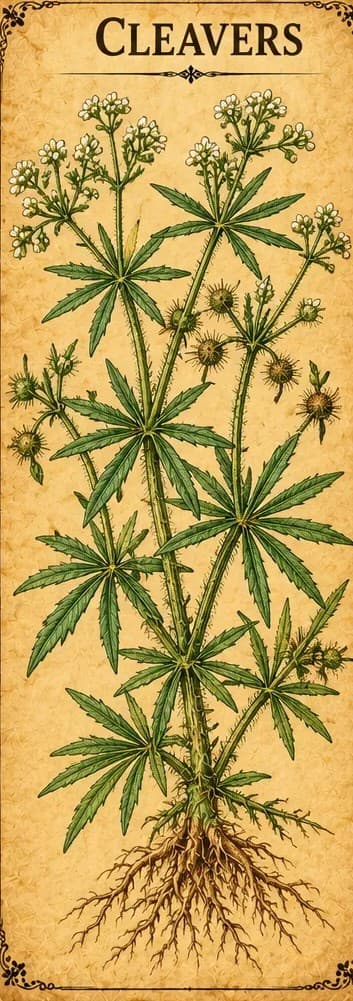
Botanical illustration of Cleavers

Cleavers

Galium aparine

A sticky, fast-growing plant traditionally used to increase urination and relieve bloating, and for swollen glands, fever and wounds. In the lab, an extract helped skin cells heal a scratch.

High Blood Pressure

No. 007Medicinal
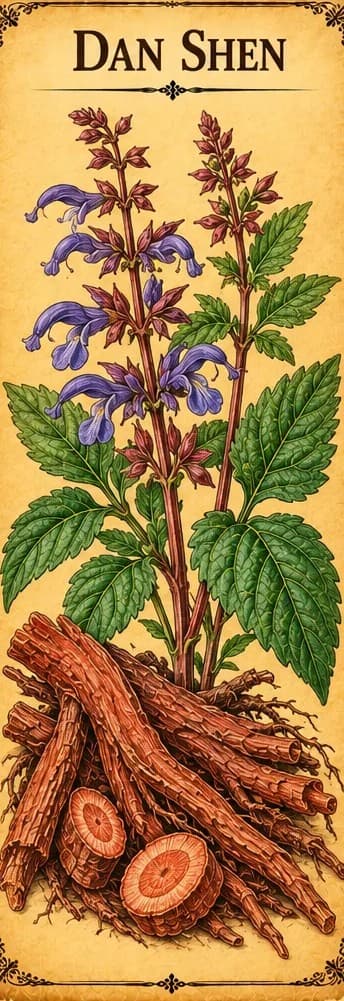
Botanical illustration of Dan Shen

Dan Shen

Salvia miltiorrhiza

The root of Salvia miltiorrhiza, widely used in Chinese medicine for the heart and circulation. Small trials suggest possible heart benefits, but it raises bleeding risk with blood thinners.

Poor Circulation

No. 008Medicinal
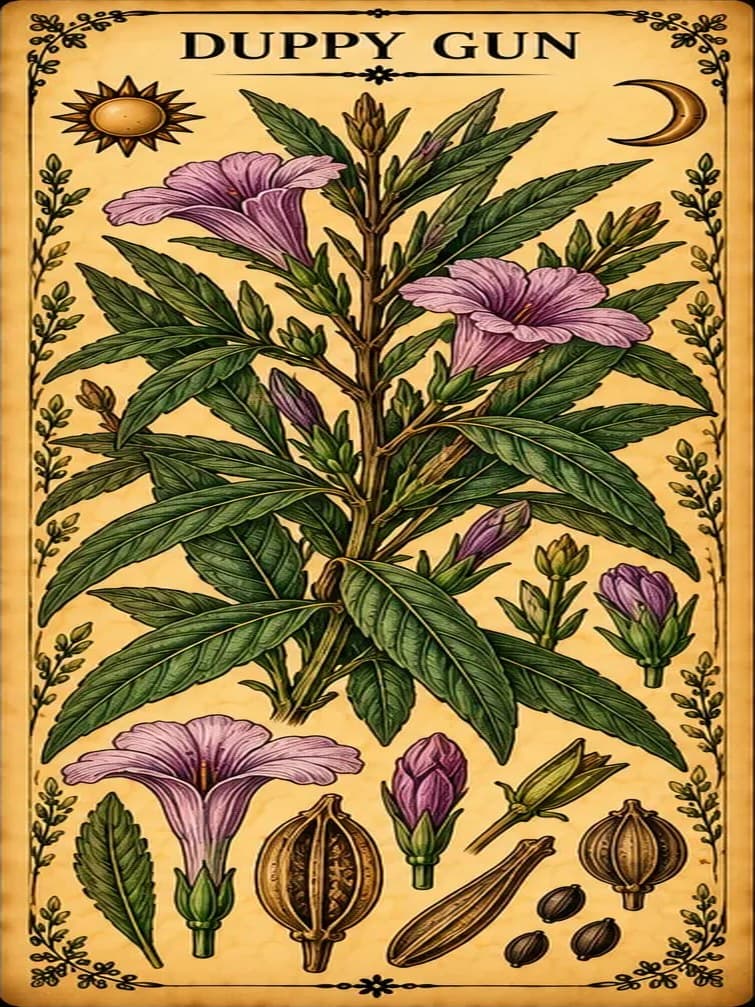
Botanical illustration of Duppy Gun

Duppy Gun

Ruellia tuberosa

Ruellia tuberosa, also called Mexican bluebell, a folk medicine for diabetes in Asia. It lowered blood sugar in diabetic rats but hasn't been tested in people.

High Blood Pressure

No. 009Medicinal
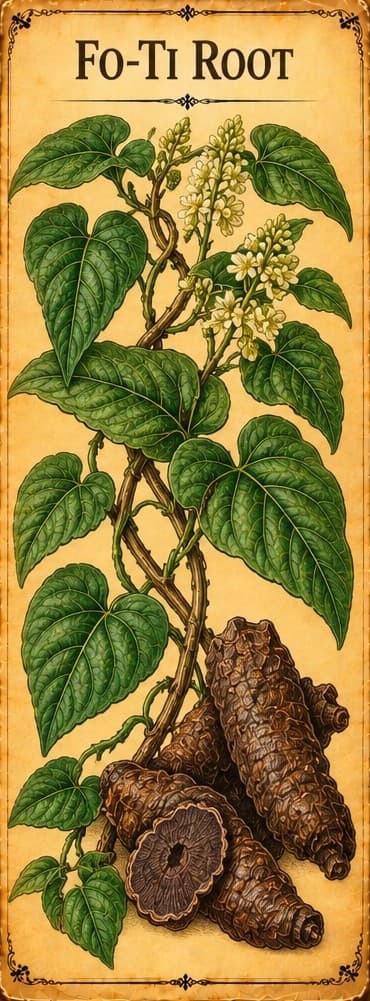
Botanical illustration of Fo-Ti

Fo-Ti

Reynoutria multiflora

He shou wu, a popular Chinese root traditionally taken to darken graying hair, as an anti-ageing tonic, and for dizziness and constipation. Hundreds of cases of liver injury have been linked to it, a few of them fatal.

High Cholesterol

No. 010Medicinal
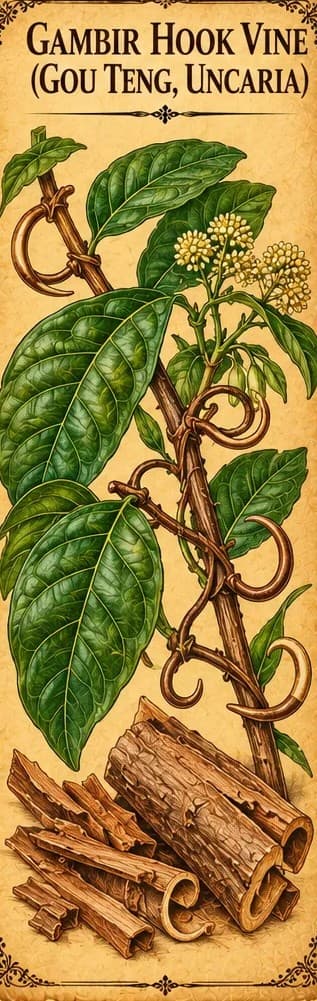
Botanical illustration of Gambir Hook Vine

Gambir Hook Vine

Uncaria rhynchophylla

Gou teng, the hooked stems of a climbing shrub used in Chinese medicine for over 1,500 years for convulsions, tremors, and high blood pressure with headache and dizziness.

High Blood Pressure

No. 011Medicinal
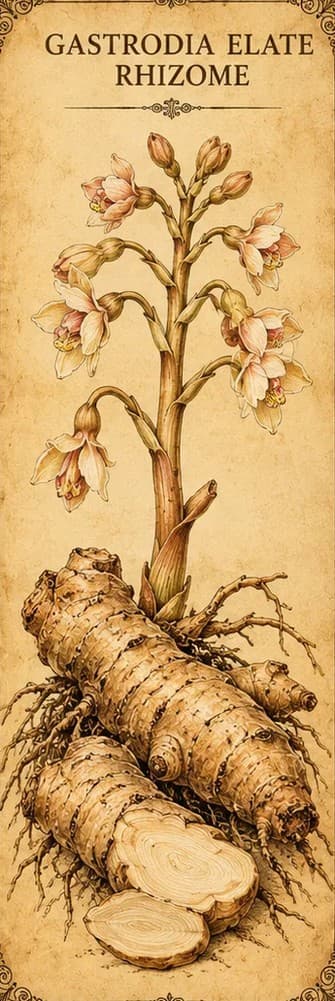
Botanical illustration of Gastrodia Elata Rhizome

Gastrodia Elata Rhizome

Gastrodia elata

Tian ma, the tuber of an orchid recorded over 2,000 years ago and used in Chinese medicine for headache, dizziness, high blood pressure and stroke. Research is mostly in the lab and in animals.

High Blood Pressure

No. 012Medicinal
Botanical illustration of Ginger

Ginger

Zingiber officinale

A spicy, warming root traditionally used for nausea and inflammation. Research suggests it may help with nausea during pregnancy.

High Blood Pressure

No. 013Medicinal
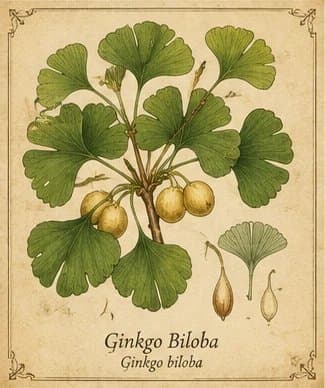
Botanical illustration of Ginkgo

Ginkgo

Ginkgo biloba

Leaves of the ginkgo tree, sometimes called the fossil tree, traditionally used in Europe for minor circulation problems and in Chinese medicine for cough.

Poor Circulation

No. 014Medicinal
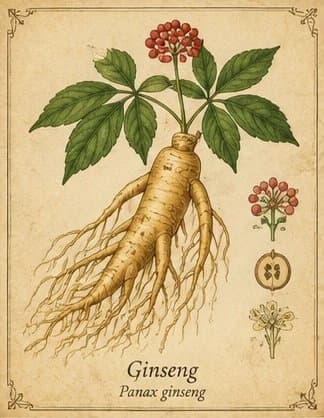
Botanical illustration of Ginseng

Ginseng

Panax ginseng

A root long used in traditional Chinese medicine as a calming herb and an adaptogen. Research on its effects is mixed.

High Cholesterol · High Blood Pressure · Low Blood Pressure

No. 015Medicinal
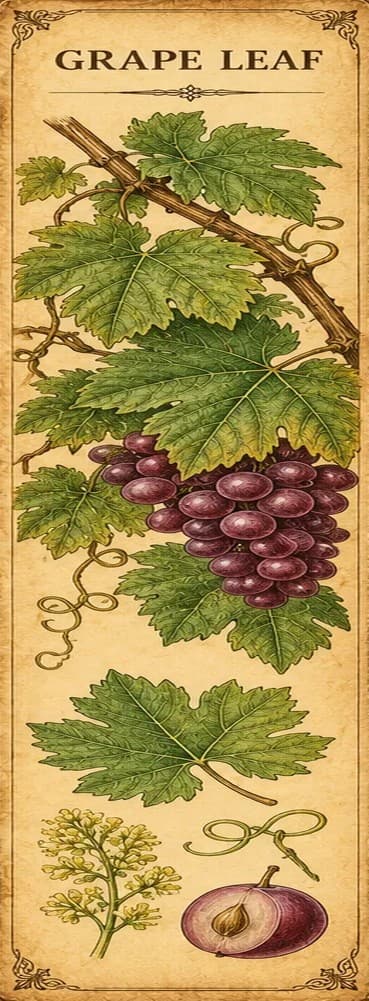
Botanical illustration of Grape Leaf

Grape Leaf

Vitis vinifera

Grapevine leaf, recognized in Europe as a medicine for long-term poor circulation in the leg veins, with swollen, heavy legs and varicose veins.

Poor Circulation

No. 016Medicinal
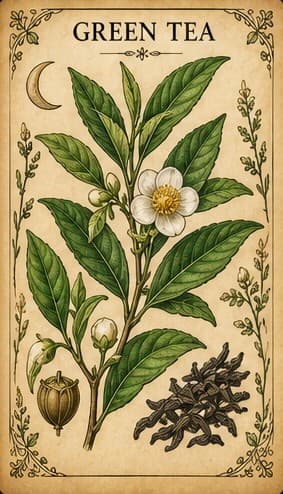
Botanical illustration of Green Tea

Green Tea

Camellia sinensis

Unfermented leaves of the tea plant, drunk for thousands of years. Drinking the tea is considered safe, but concentrated green tea extract supplements have rarely caused serious liver damage.

High Cholesterol

No. 017Medicinal
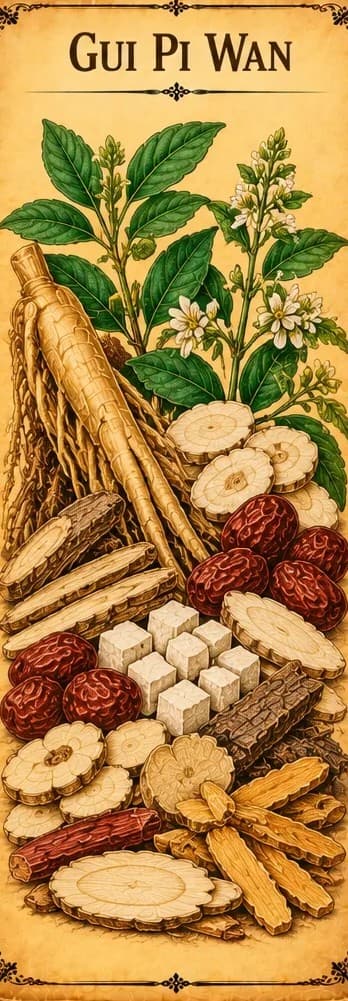
Botanical illustration of Gui Pi Wan

Gui Pi Wan

Panax ginseng, Astragalus membranaceus, Angelica sinensis and 9 other herbs

A classical 12-herb Chinese formula used to tonify qi and blood, for palpitations, forgetfulness, insomnia, poor appetite and tiredness. Small Chinese trials suggest it may help heart failure and anaemia alongside standard treatment.

Heart Palpitations

No. 018Medicinal
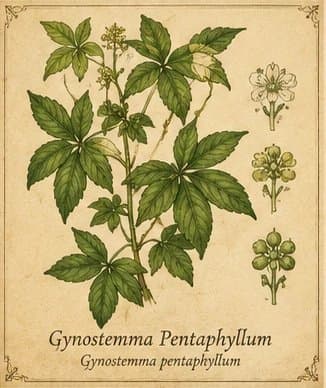
Botanical illustration of Gynostemma

Gynostemma

Gynostemma pentaphyllum

A plant from the cucumber family, known in China as jiaogulan and used in traditional medicine and teas. It has been studied for lowering cholesterol.

High Cholesterol

No. 019Medicinal
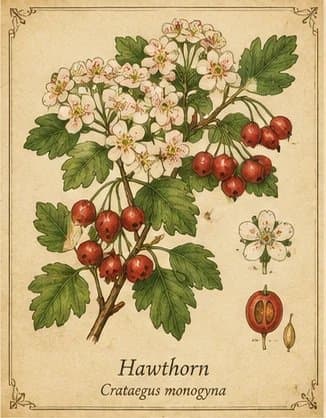
Botanical illustration of Hawthorn

Hawthorn

Crataegus monogyna

A flowering shrub of the rose family, traditionally used for the heart. Recognized in Europe for nervous heart complaints such as palpitations.

Heart Palpitations · Heart Failure · Poor Circulation

No. 020Medicinal
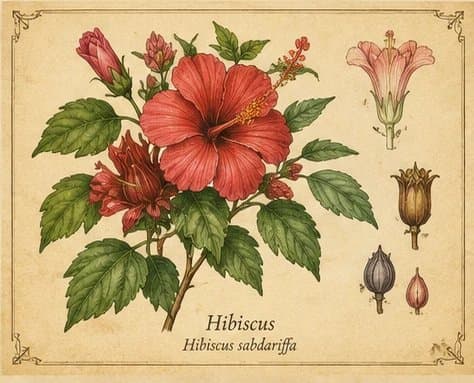
Botanical illustration of Hibiscus

Hibiscus

Hibiscus sabdariffa

The tart red calyces of this flower are made into a tea known as roselle or sour tea. Reviews of trials suggest it may lower blood pressure.

High Cholesterol · High Blood Pressure

No. 021Medicinal
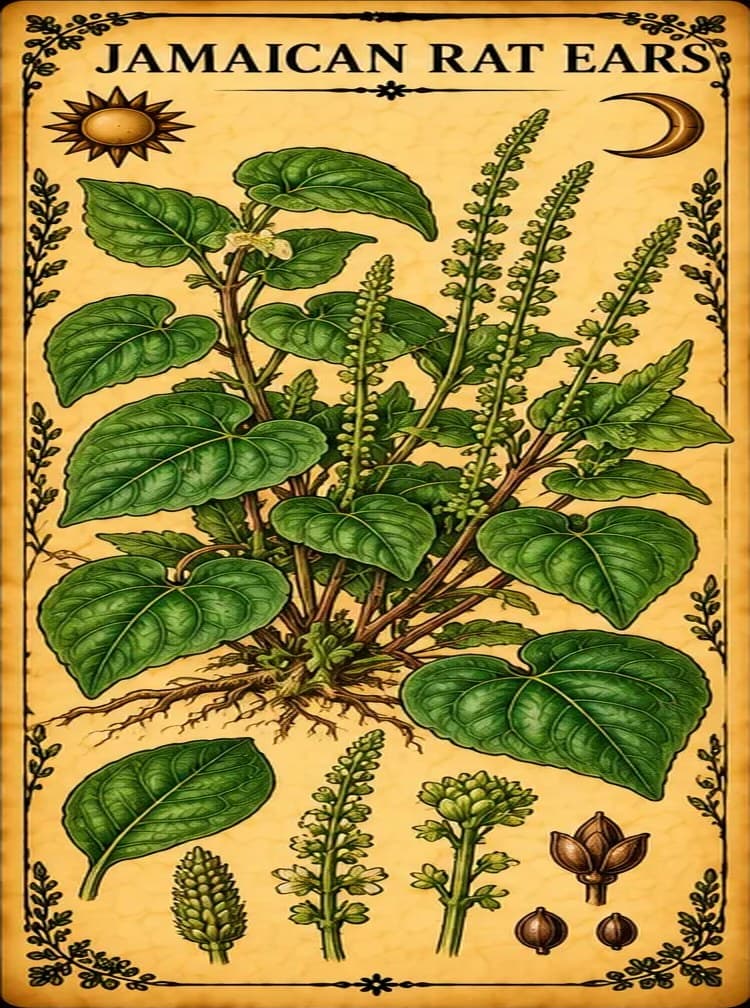
Botanical illustration of Jamaican Rat Ears

Jamaican Rat Ears

Peperomia pellucida

A small weed of damp, shady places, also called shining bush, used in Caribbean folk medicine as a cooling remedy and for skin sores. Research so far is limited and often weak.

High Cholesterol · High Blood Pressure

No. 022Medicinal
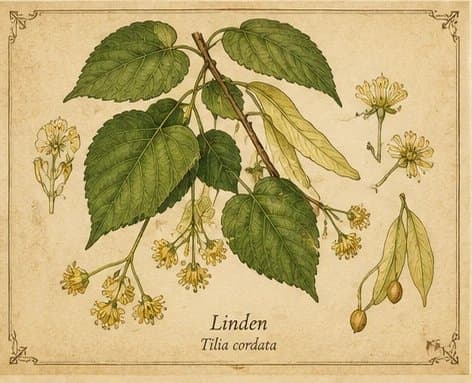
Botanical illustration of Linden

Linden

Tilia cordata

Flowers of the lime (linden) tree, traditionally made into tea for colds, stress and nervous heart complaints.

Heart Palpitations · High Blood Pressure

No. 023Medicinal
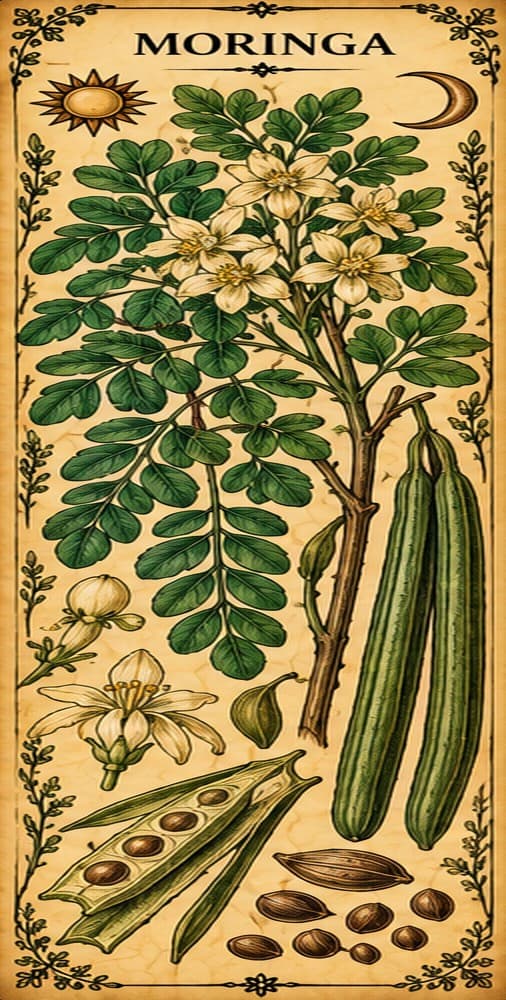
Botanical illustration of Moringa

Moringa

Moringa oleifera

A nutritious tree used as food and traditional medicine, including for stomach and gut problems. In animal studies it helped heal stomach ulcers; in people it has been studied mainly for blood pressure and blood sugar.

High Blood Pressure

No. 024Medicinal
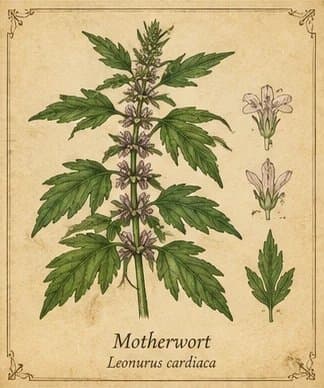
Botanical illustration of Motherwort

Motherwort

Leonurus cardiaca

A plant from the mint family, traditionally used as a heart tonic and for women's health. Recognized in Europe for nervous heart complaints such as palpitations.

Heart Palpitations · High Blood Pressure

No. 025Medicinal
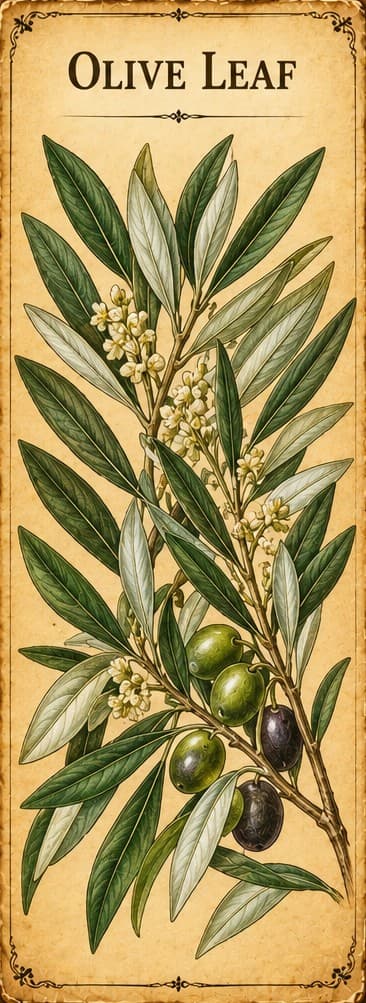
Botanical illustration of Olive Leaf

Olive Leaf

Olea europaea

Leaves of the olive tree, recognised in Europe as a traditional remedy for mild water retention. In one trial, olive leaf extract lowered blood pressure about as much as a standard medicine.

High Blood Pressure

No. 026Medicinal
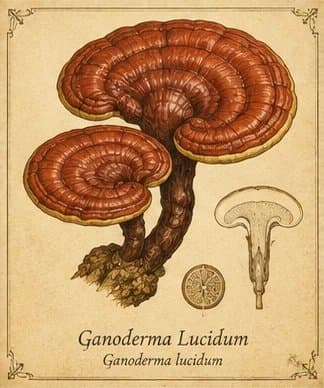
Botanical illustration of Reishi

Reishi

Ganoderma lucidum

A mushroom prized for centuries in traditional Chinese, Japanese and Korean medicine. A Cochrane review found it didn't lower heart disease risk factors.

High Cholesterol · High Blood Pressure

No. 027Medicinal
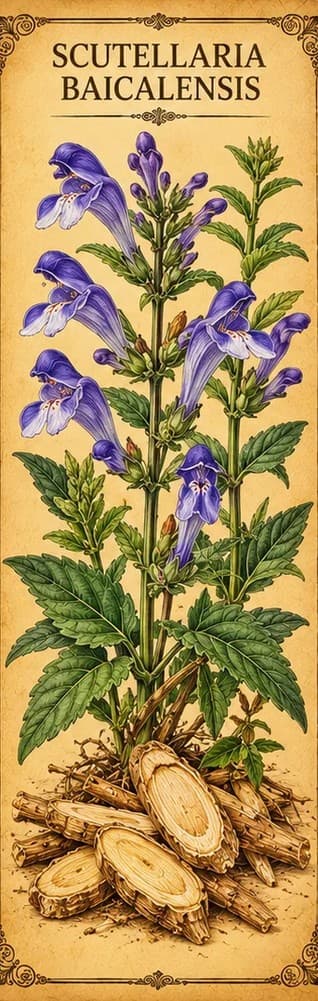
Botanical illustration of Scutellaria Baicalensis

Scutellaria Baicalensis

Scutellaria baicalensis

Chinese skullcap, or huang qin, a root used in Chinese medicine for over 2,000 years for diarrhoea, bleeding, sleeplessness and lung infections. Most research is in the lab or on multi-herb formulas.

High Blood Pressure

No. 028Medicinal
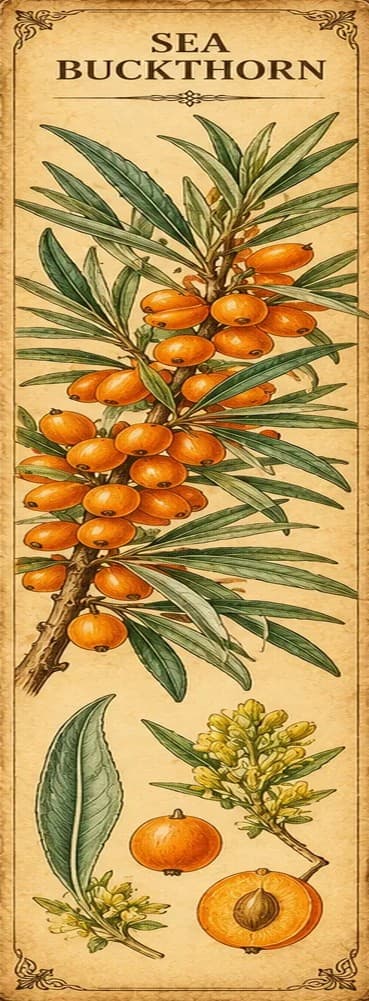
Botanical illustration of Sea Buckthorn

Sea Buckthorn

Hippophae rhamnoides

An orange berry eaten as juice, oil and food, and used in traditional Chinese medicine for cough and digestion. Trials suggest it may improve blood fats in people with abnormal levels.

High Cholesterol

No. 029Medicinal
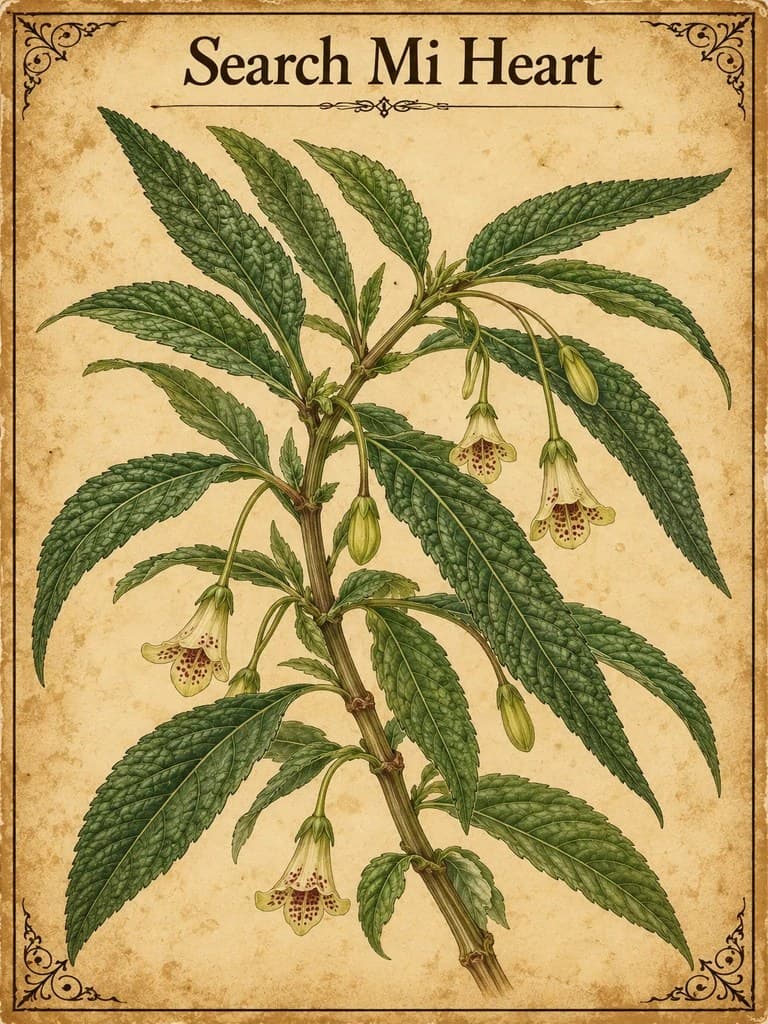
Botanical illustration of Search Mi Heart

Search Mi Heart

Rhytidophyllum tomentosum

A Jamaican plant whose dried leaves are made into a bush tea, traditionally used for colds and flu, the heart, breathing problems and digestion. It hasn't been studied in research.

Heart Palpitations · Poor Circulation · High Blood Pressure

No. 030Medicinal
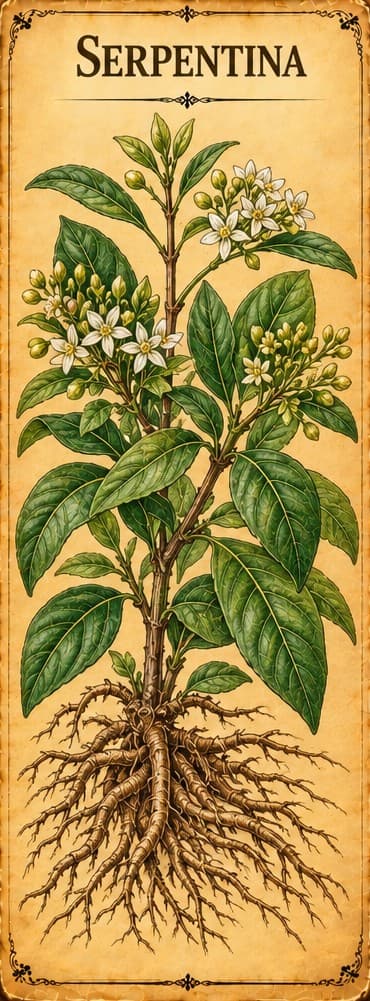
Botanical illustration of Serpentina

Serpentina

Rauvolfia serpentina

Indian snakeroot, the root that gave the blood pressure medicine reserpine. Doctors used it widely for high blood pressure in the 1940s and 1950s until side effects, especially depression, made it fall out of favour.

High Blood Pressure

No. 031Medicinal
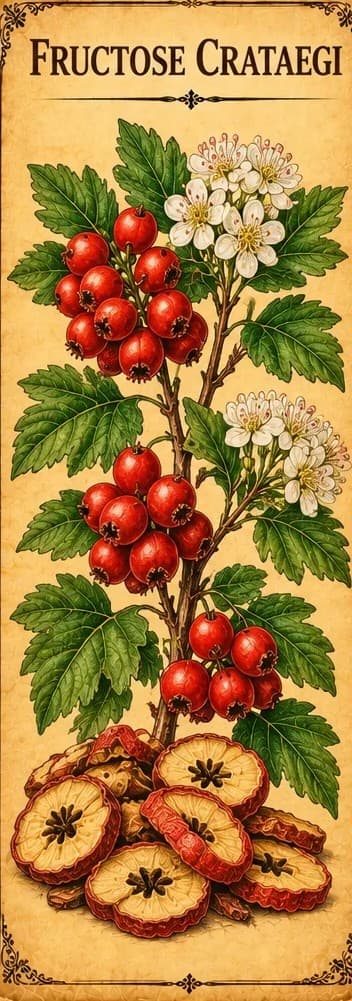
Botanical illustration of Shan Zha

Shan Zha

Crataegus pinnatifida

Chinese hawthorn fruit, eaten and used in Chinese medicine for over 2,000 years for indigestion, especially after meat, and for high blood fats. Research is mostly in the lab and in animals.

High Cholesterol

No. 032Medicinal
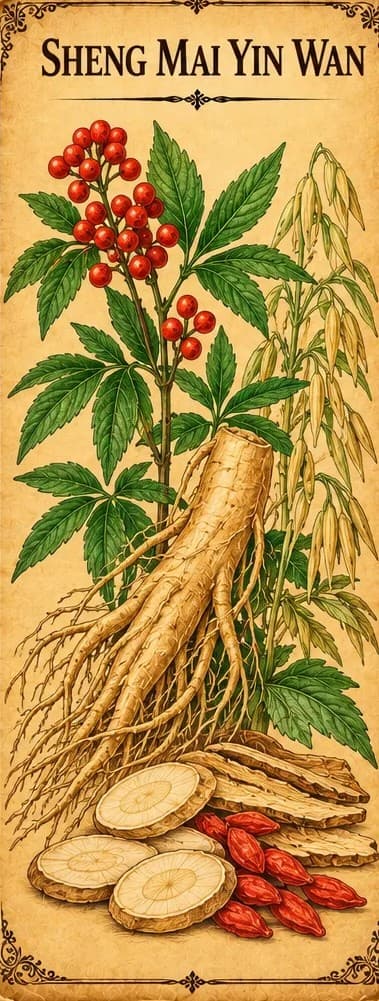
Botanical illustration of Sheng Mai Yin Wan

Sheng Mai Yin Wan

Panax ginseng, Ophiopogon japonicus, Schisandra chinensis

A classical Chinese formula of ginseng, ophiopogon and schisandra, used for about 1,000 years to "supplement qi and yin" and for heart symptoms. Low-quality trials in viral myocarditis suggest possible benefit.

Heart Palpitations · Low Blood Pressure

No. 033Medicinal
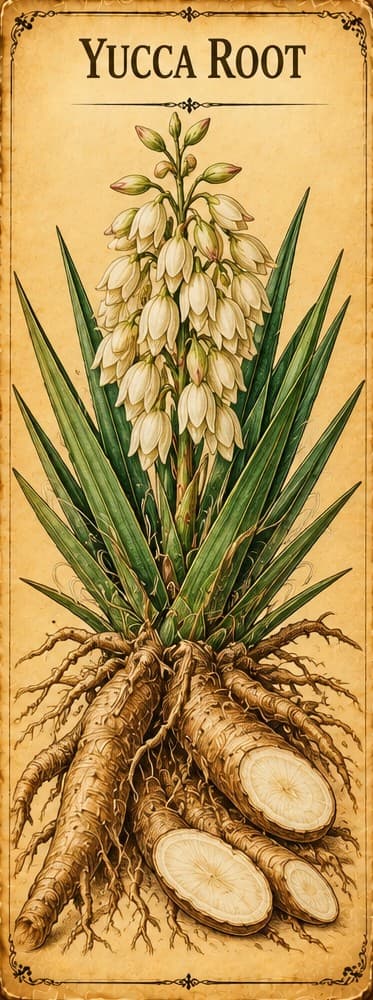
Botanical illustration of Yucca Root

Yucca Root

Yucca schidigera

A desert plant of the southwestern US and northern Mexico, used by Native Americans for arthritis. It's rich in soapy compounds called saponins and is approved as a food additive in the US, but evidence for arthritis is weak.

High Cholesterol