Discover the Power of Plants

The Herbal Library

Search the full collection

Browse every herb in the database by name, category, or the body system it's traditionally associated with.

Results

26 herbs

No. 001Medicinal
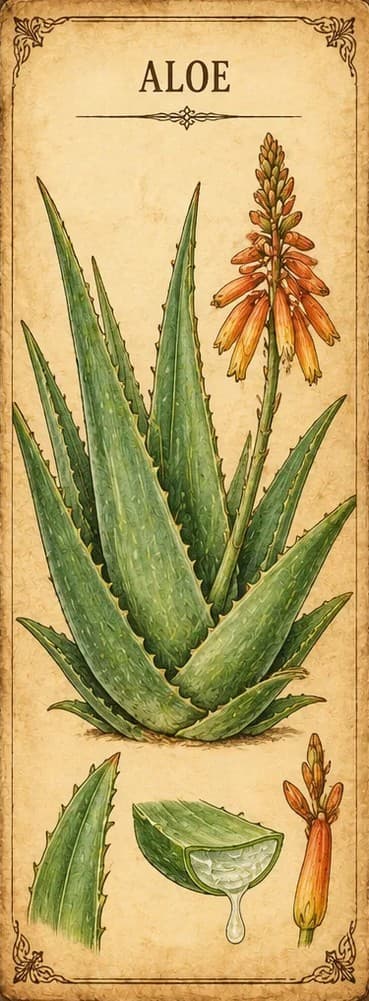
Botanical illustration of Aloe

Aloe

Aloe vera

A succulent whose leaf gel is used on burns and skin conditions. Gel on the skin may speed burn healing; aloe taken by mouth carries real risks.

No. 002Medicinal
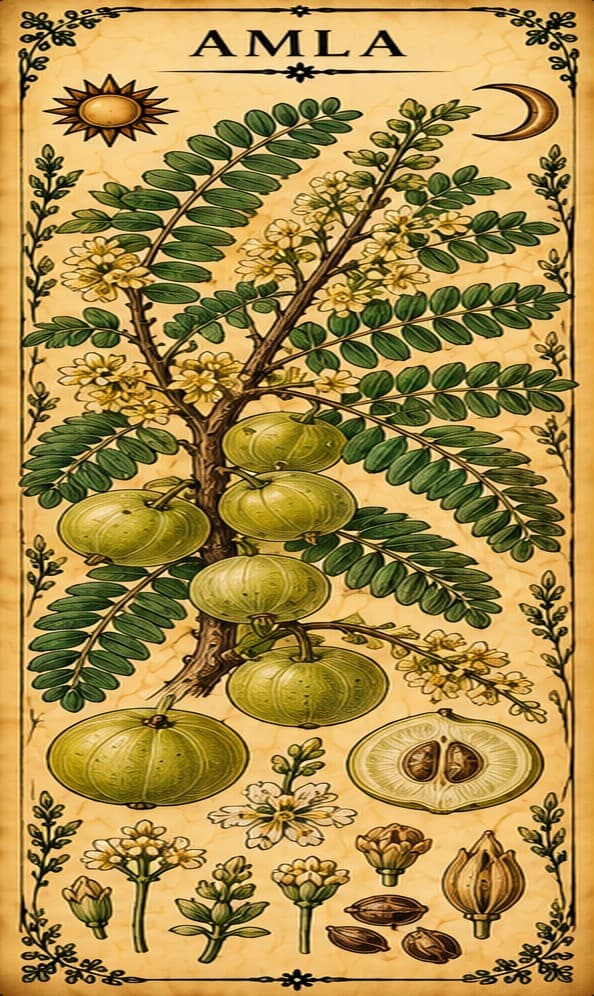
Botanical illustration of Amla

Amla

Phyllanthus emblica

Indian gooseberry, a fruit rich in vitamin C and antioxidants, used in Ayurveda and as one of the three fruits in Triphala. Trials suggest it may lower cholesterol, blood sugar and a marker of inflammation.

No. 003Culinary
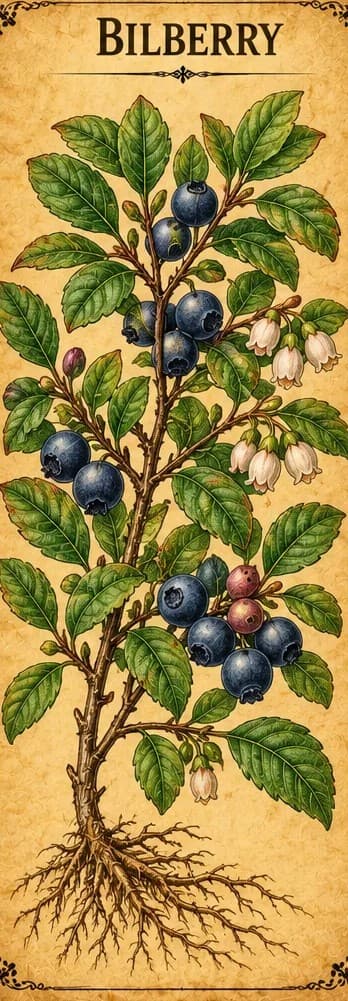
Botanical illustration of Bilberry

Bilberry

Vaccinium myrtillus

Dried bilberries are a traditional EU herbal medicine for mild diarrhea and mouth inflammation. Trials of supplements for blood sugar and heart health are small and inconclusive.

No. 004Culinary
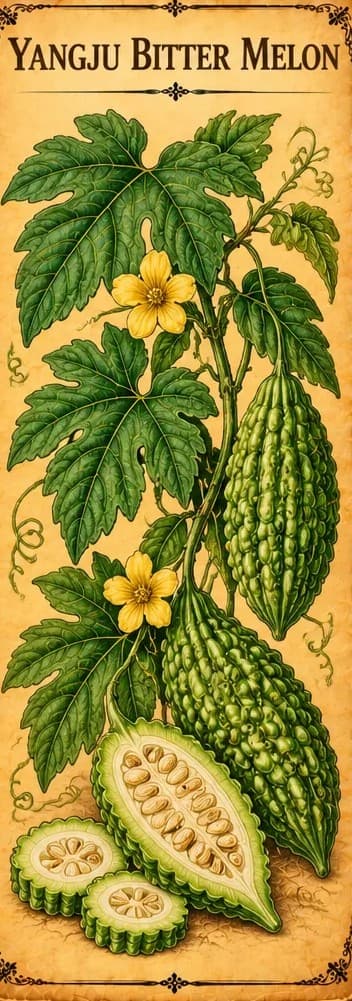
Botanical illustration of Bitter Melon

Bitter Melon

Momordica charantia

The fruit of Momordica charantia, the same species as cerasee, studied mainly for diabetes. Trials disagree on whether it lowers blood sugar.

No. 005Medicinal
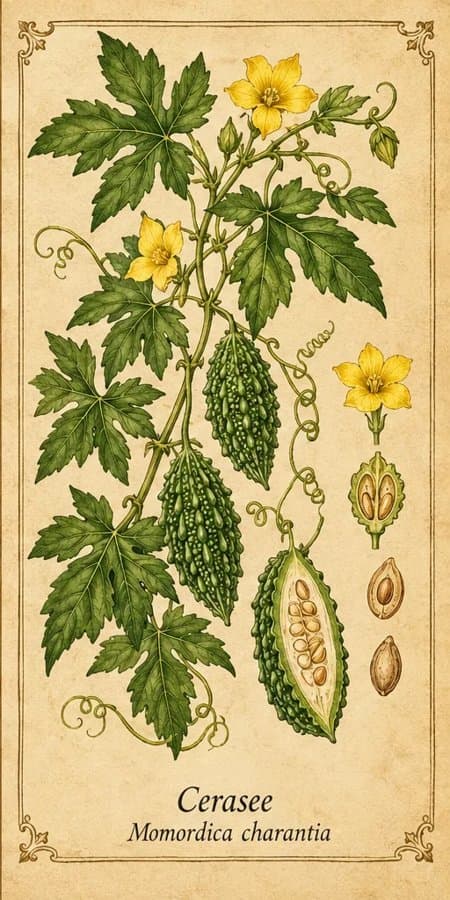
Botanical illustration of Cerasee

Cerasee

Momordica charantia

A bitter plant known in Jamaica as cerasee and elsewhere as bitter melon, widely used as a folk remedy for diabetes and high blood pressure.

No. 006Culinary
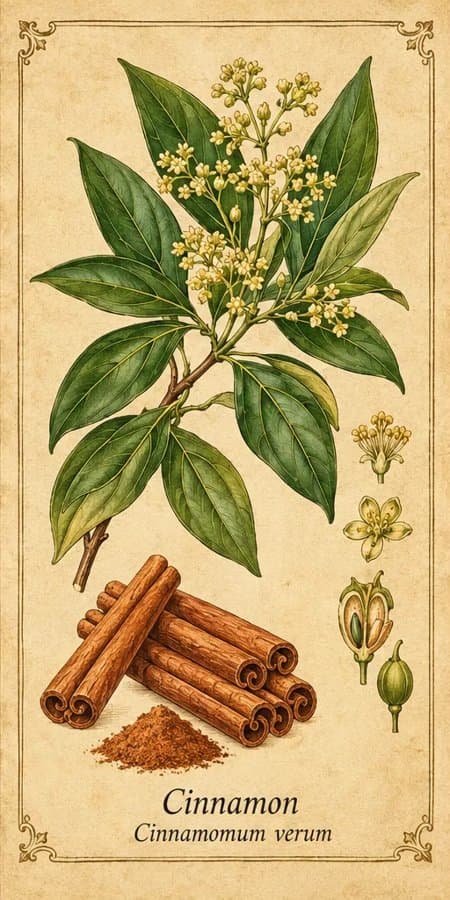
Botanical illustration of Cinnamon

Cinnamon

Cinnamomum verum

A warm kitchen spice made from tree bark, traditionally used for digestive complaints. Research on its effects on blood sugar and cholesterol is mixed.

No. 007Medicinal
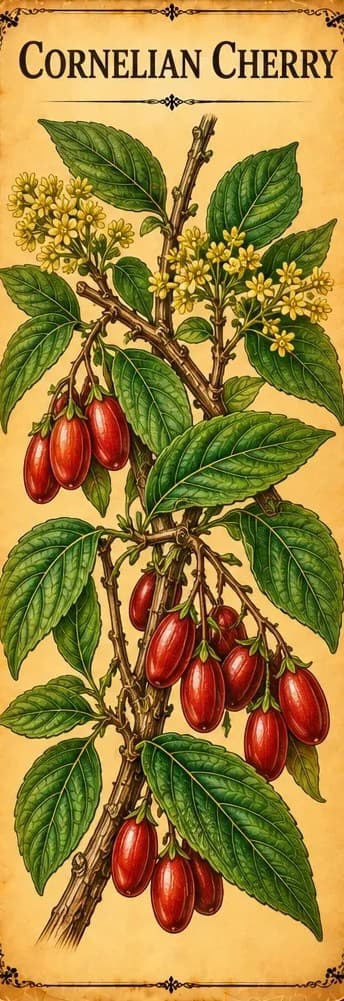
Botanical illustration of Cornelian Cherry

Cornelian Cherry

Cornus officinalis

Shan zhu yu, the sour fruit of an Asian dogwood, used in Chinese medicine for about 2,000 years as a liver and kidney tonic and for dizziness, ringing in the ears, frequent urination and heavy sweating. Research so far is in the lab and in animals.

No. 008Culinary
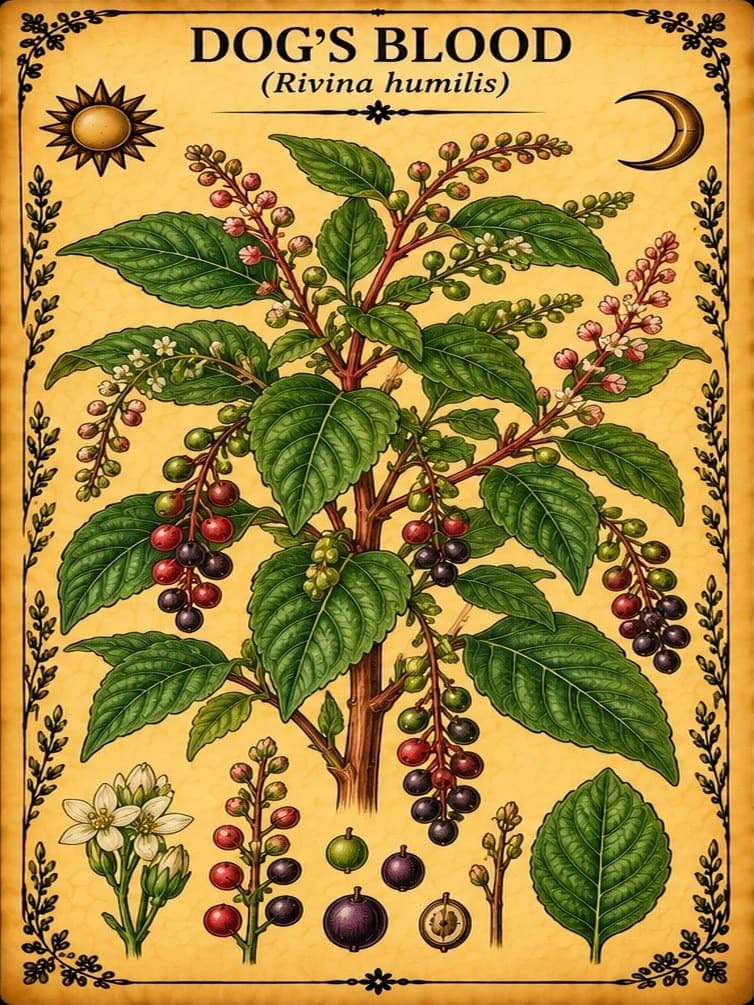
Botanical illustration of Dog's Blood

Dog's Blood

Rivina humilis

A small plant with red berries, known in Jamaica as dogberry and elsewhere as pigeon berry or blood berry. Its leaves are cooked as a leafy green; research so far is in the lab and in rats.

No. 009Medicinal
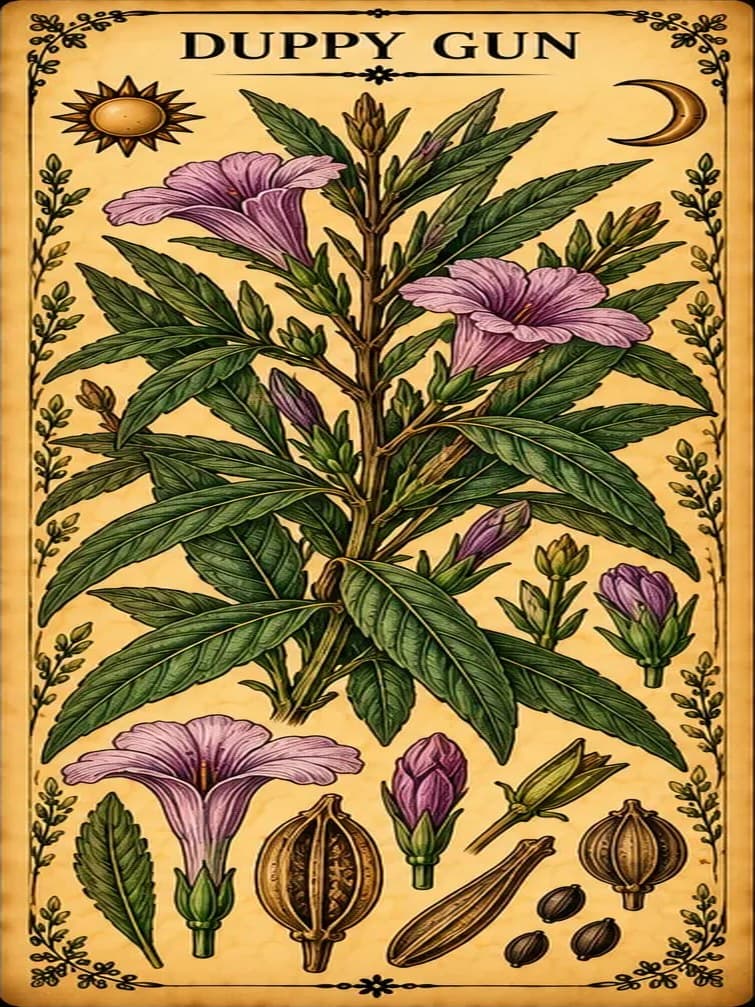
Botanical illustration of Duppy Gun

Duppy Gun

Ruellia tuberosa

Ruellia tuberosa, also called Mexican bluebell, a folk medicine for diabetes in Asia. It lowered blood sugar in diabetic rats but hasn't been tested in people.

No. 010Culinary
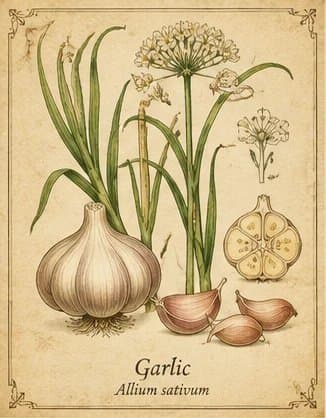
Botanical illustration of Garlic

Garlic

Allium sativum

A pungent kitchen bulb traditionally used for heart and circulation health. Research suggests garlic supplements may lower blood pressure and cholesterol a little.

No. 011Medicinal
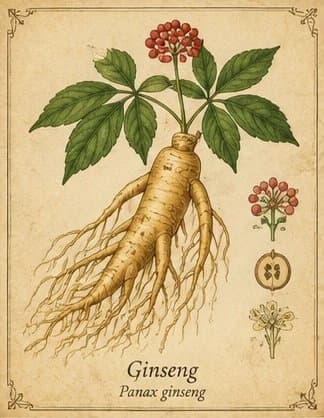
Botanical illustration of Ginseng

Ginseng

Panax ginseng

A root long used in traditional Chinese medicine as a calming herb and an adaptogen. Research on its effects is mixed.

No. 012Medicinal
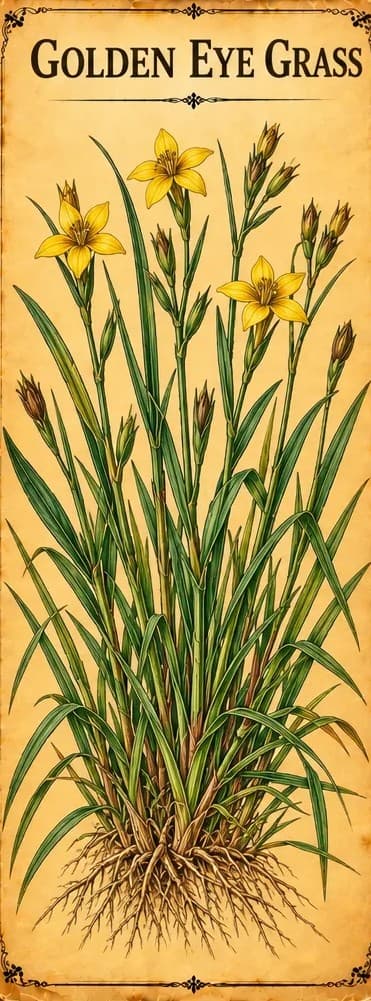
Botanical illustration of Golden Eye Grass

Golden Eye Grass

Curculigo orchioides

Kali musli or xian mao, an endangered herb valued in Ayurveda and Chinese medicine as a tonic and aphrodisiac, and used for rheumatic conditions. Research so far is in the lab and in animals.

No. 013Medicinal
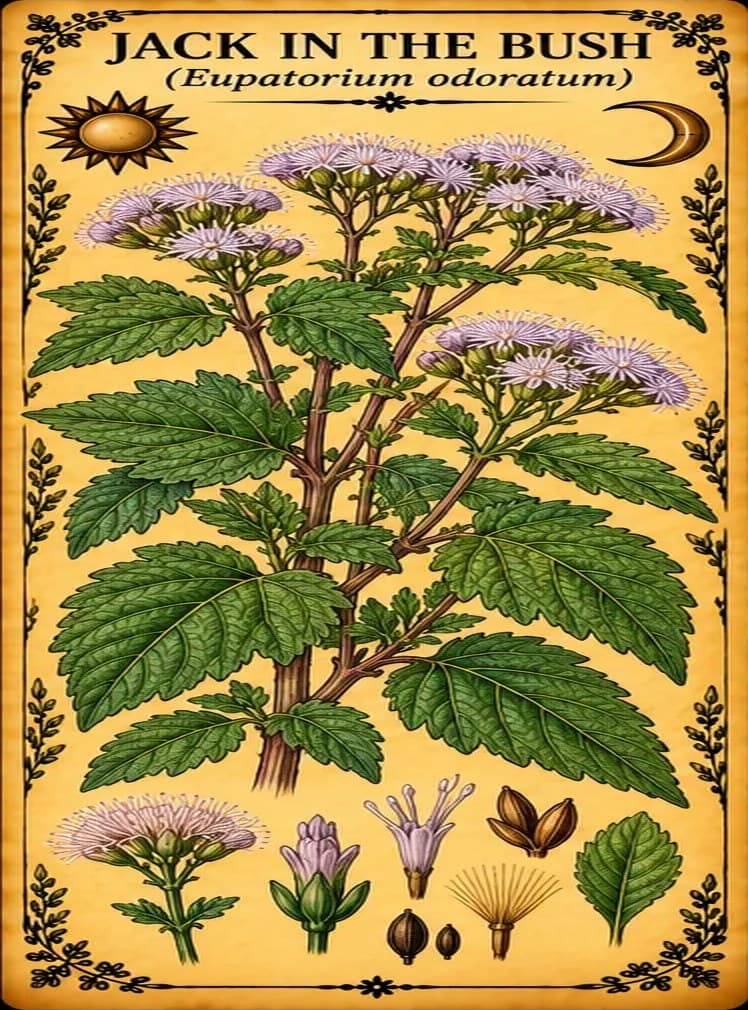
Botanical illustration of Jack in the Bush

Jack in the Bush

Chromolaena odorata

One of Jamaica's most popular bush teas for colds and flu, also used in Africa and Asia for fever, wounds and diabetes. Research so far is in the lab and in animals.

No. 014Medicinal
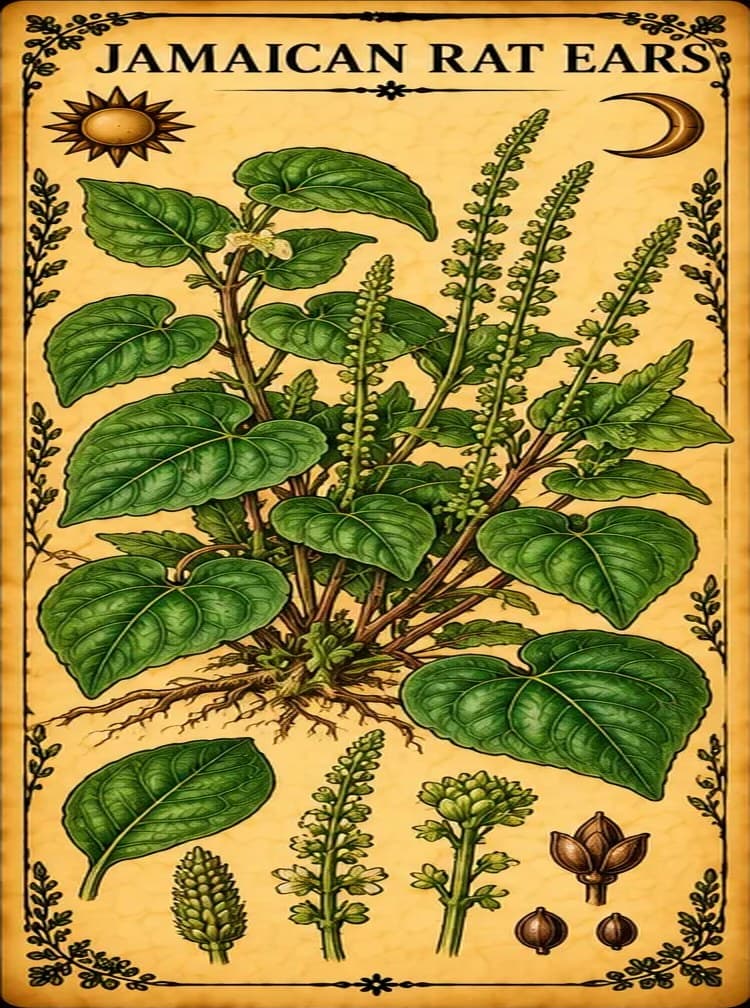
Botanical illustration of Jamaican Rat Ears

Jamaican Rat Ears

Peperomia pellucida

A small weed of damp, shady places, also called shining bush, used in Caribbean folk medicine as a cooling remedy and for skin sores. Research so far is limited and often weak.

No. 015Medicinal
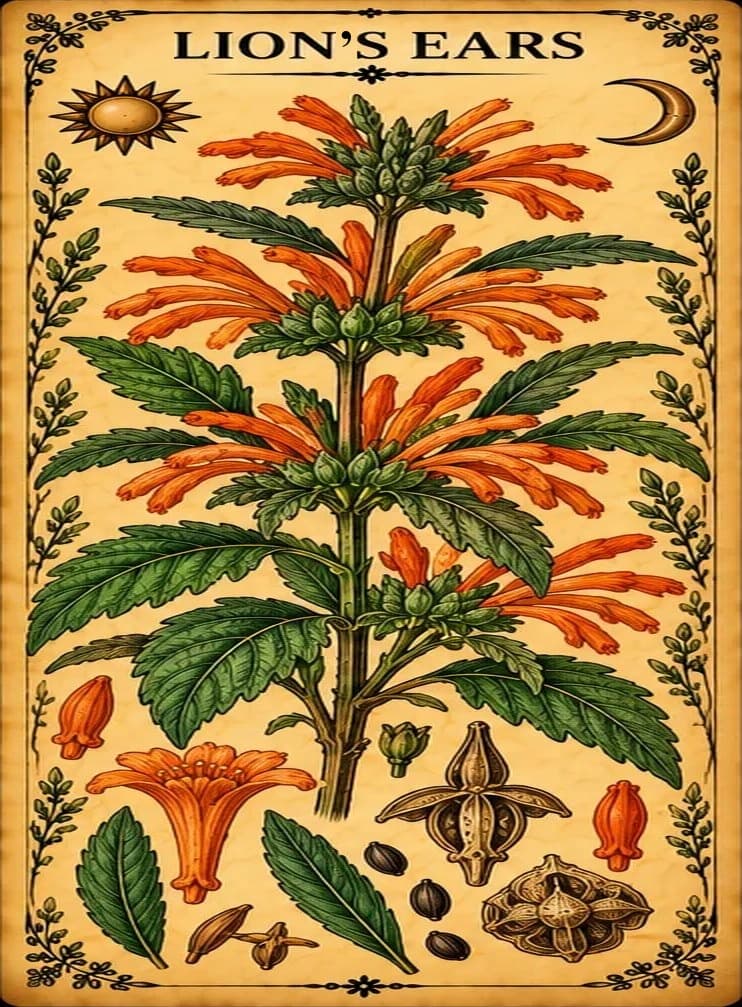
Botanical illustration of Lion's Ear

Lion's Ear

Leonotis nepetifolia

A plant in the mint family, known as shandilay in Trinidad, where it's a popular traditional remedy for colds and coughs. Research so far is limited to lab and animal studies.

No. 016Medicinal
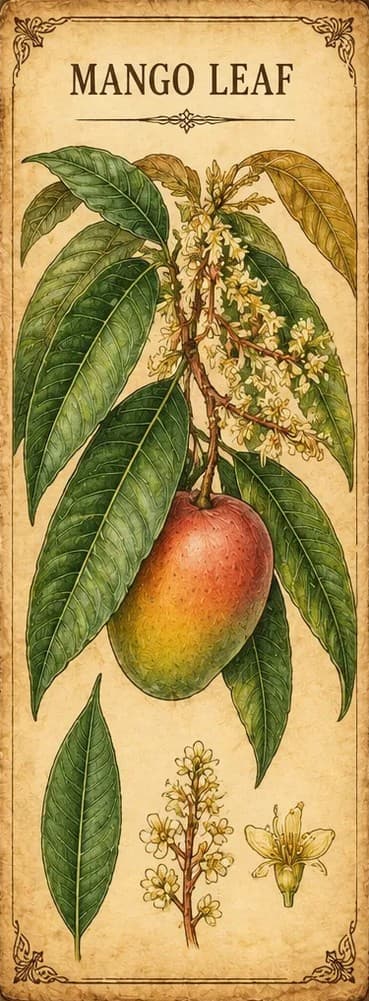
Botanical illustration of Mango Leaf

Mango Leaf

Mangifera indica

The leaves of the mango tree, made into a folk tea in Asia and Africa and traditionally used for diabetes, breathing problems and diarrhea. Research is mostly in the lab and in animals.

No. 017Medicinal
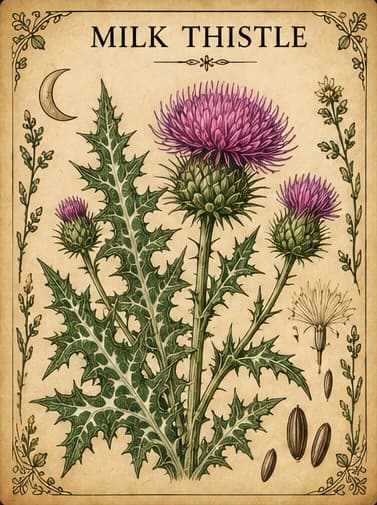
Botanical illustration of Milk Thistle

Milk Thistle

Silybum marianum

A tall, purple-flowered thistle from Europe, long used for liver problems. Studies of it and its extract silymarin in liver disease have been conflicting or too limited to show a clear benefit.

No. 018Medicinal
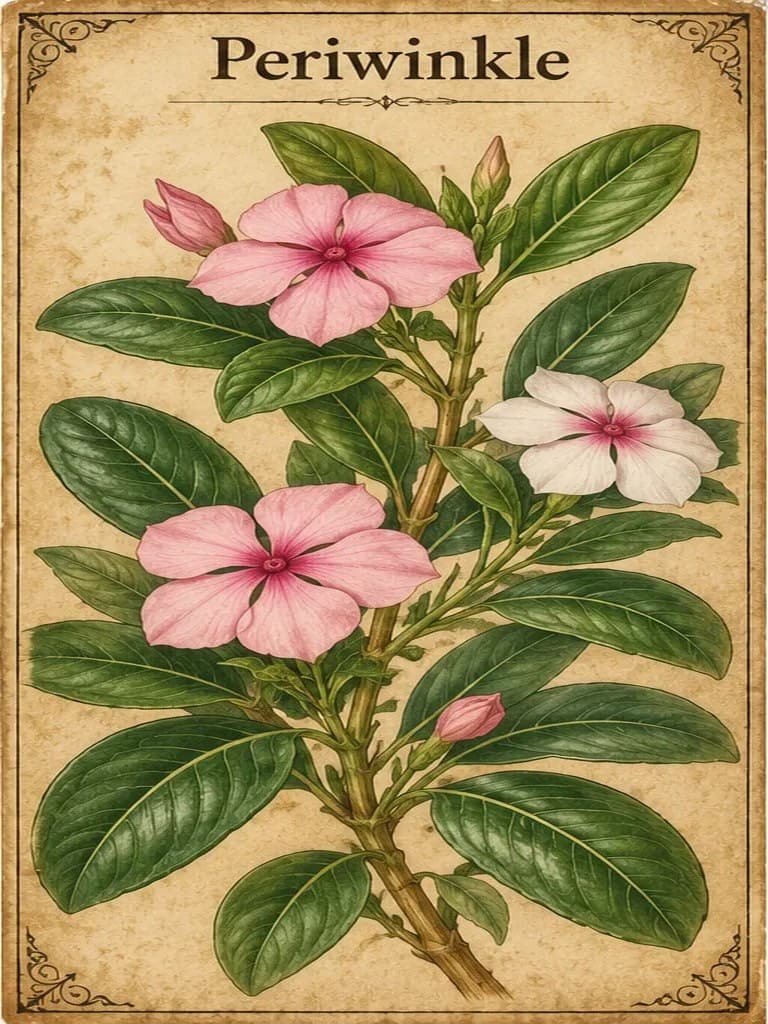
Botanical illustration of Periwinkle

Periwinkle

Catharanthus roseus

Madagascar periwinkle, a garden plant used in Caribbean folk medicine for diabetes and the source of two cancer drugs. The plant can be poisonous.

No. 019Medicinal
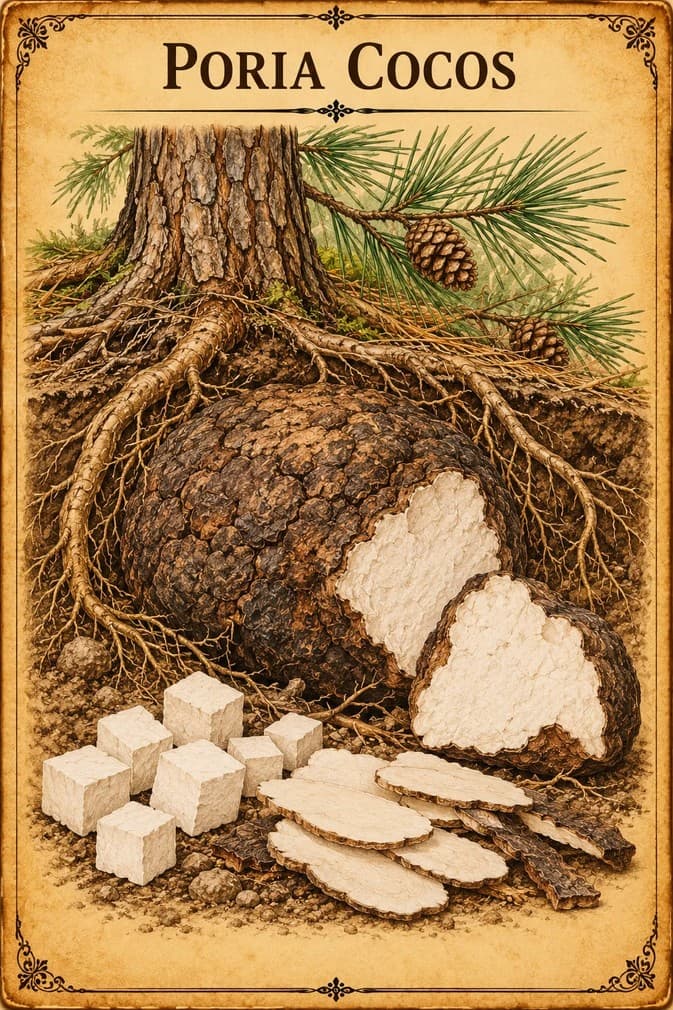
Botanical illustration of Poria Cocos

Poria Cocos

Wolfiporia cocos

Fu ling, an edible fungus used in Chinese medicine for over 2,000 years to promote urination, reduce swelling, aid digestion and calm the mind. It's in nearly 15% of Chinese Pharmacopoeia preparations.

No. 020Culinary
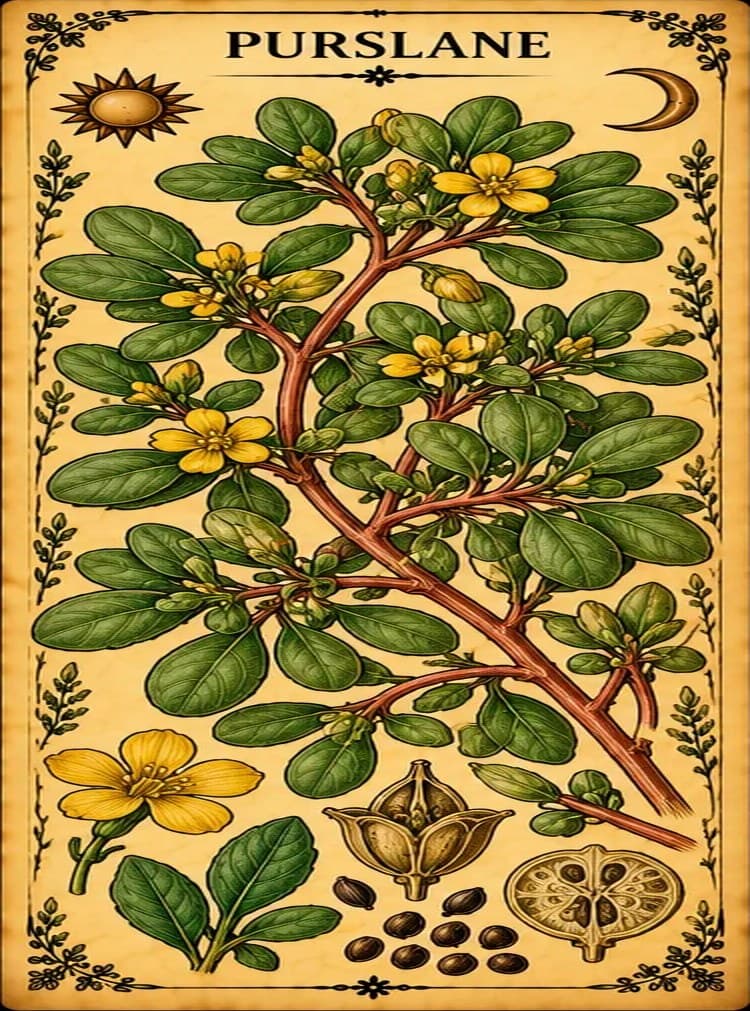
Botanical illustration of Purslane

Purslane

Portulaca oleracea

A leafy plant eaten as a vegetable and used as a folk medicine, called pussley in Trinidad. Reviews of trials found it may lower fasting blood sugar a little and improve cholesterol in people with type 2 diabetes.

No. 021Medicinal
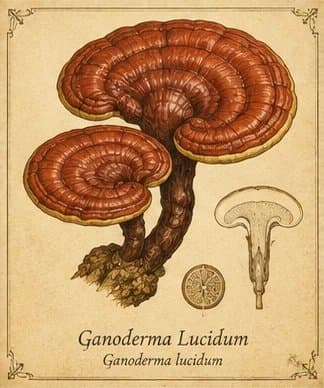
Botanical illustration of Reishi

Reishi

Ganoderma lucidum

A mushroom prized for centuries in traditional Chinese, Japanese and Korean medicine. A Cochrane review found it didn't lower heart disease risk factors.

No. 022Culinary
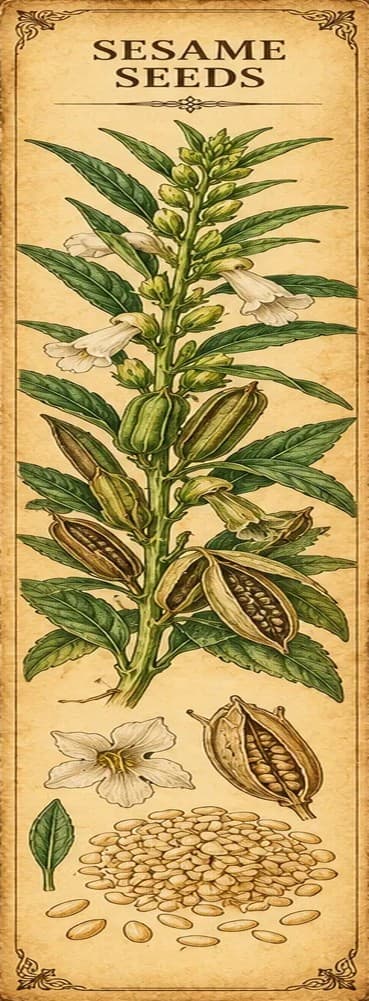
Botanical illustration of Sesame Seeds

Sesame Seeds

Sesamum indicum

A common food seed and oil. Trials suggest sesame products may lower long-term blood sugar and inflammation. Sesame is a major food allergen.

No. 023Medicinal
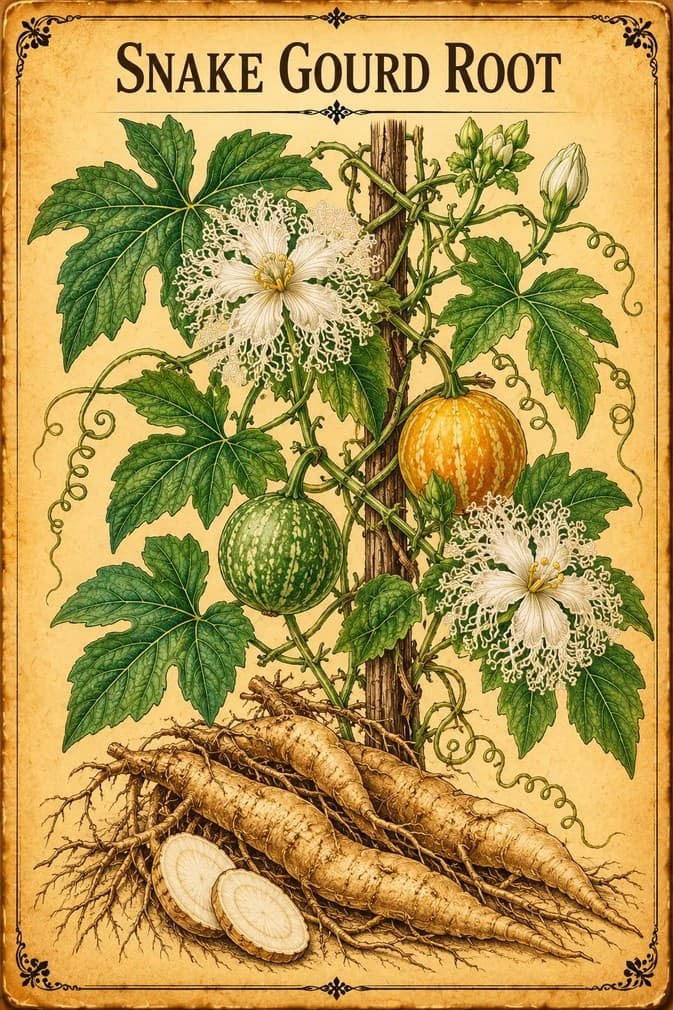
Botanical illustration of Snake Gourd Root

Snake Gourd Root

Trichosanthes kirilowii

Tian hua fen, a Chinese medicine root used for centuries for diabetes, swelling and menstrual problems. Its protein, trichosanthin, ends pregnancies and was once widely used in China for abortion.

No. 024Culinary
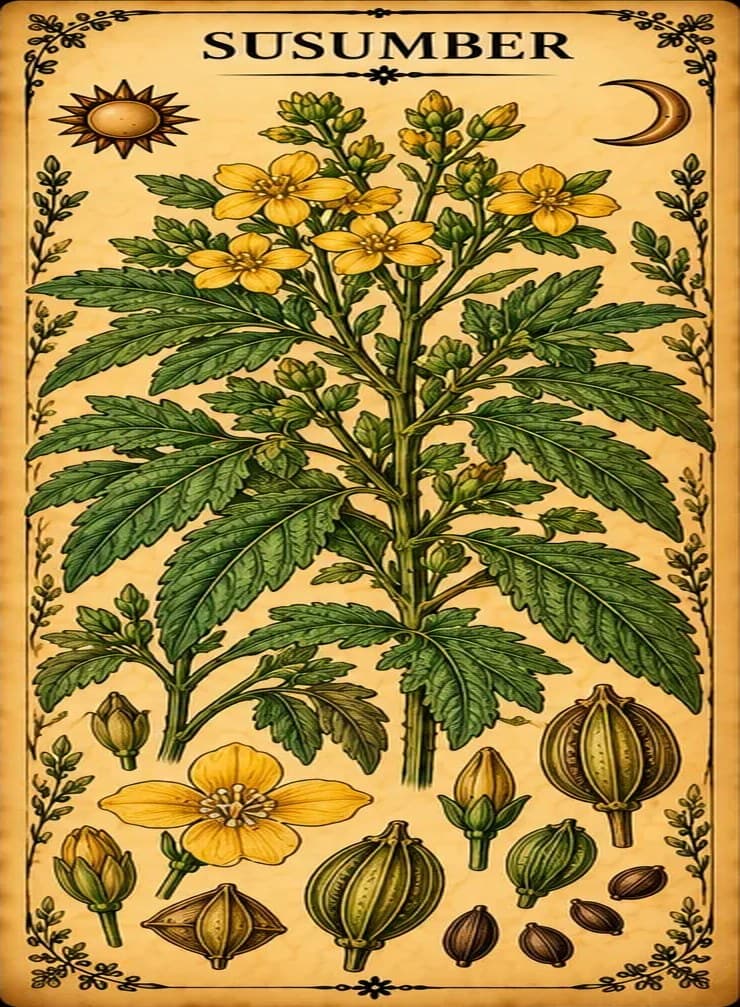
Botanical illustration of Susumber

Susumber

Solanum torvum

Turkey berry, a small berry from the nightshade family cooked in Jamaican dishes and used in traditional medicine in Asia, Africa and South America. Some batches of berries have caused serious poisoning.

No. 025Medicinal
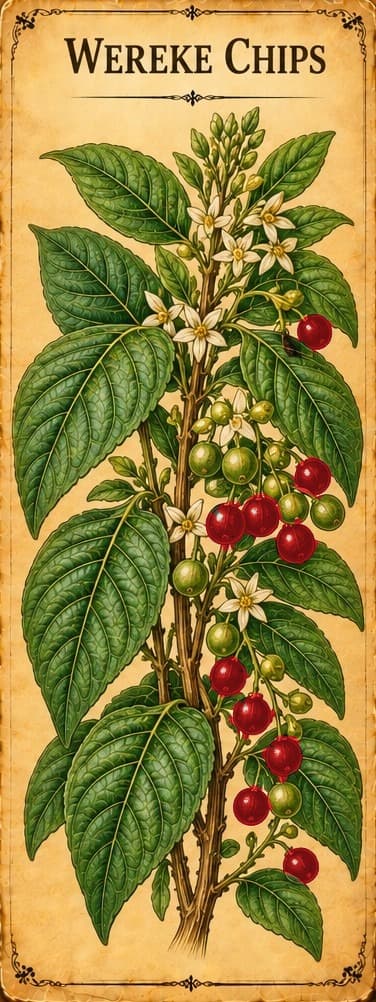
Botanical illustration of Wereke

Wereke

Ibervillea sonorae

The root of a wild gourd from northwestern Mexico, sold as dried "chips" and boiled into a tea for diabetes in Mexican folk medicine. Lab and animal studies suggest it may lower blood sugar, but it hasn't been tested in people.

No. 026Medicinal
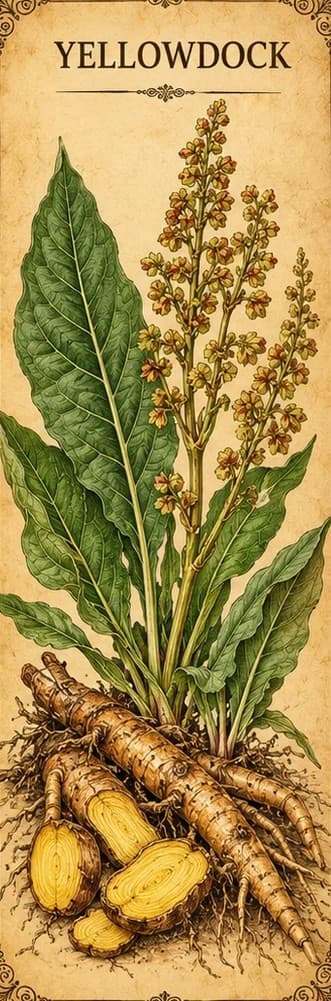
Botanical illustration of Yellow Dock

Yellow Dock

Rumex crispus

Curly dock, a plant whose root and leaves are traditional laxatives and tonics, also used for skin problems and jaundice. Research is in the lab and in rats.