Discover the Power of Plants

The Herbal Library

Search the full collection

Browse every herb in the database by name, category, or the body system it's traditionally associated with.

Results

26 herbs

No. 001Medicinal
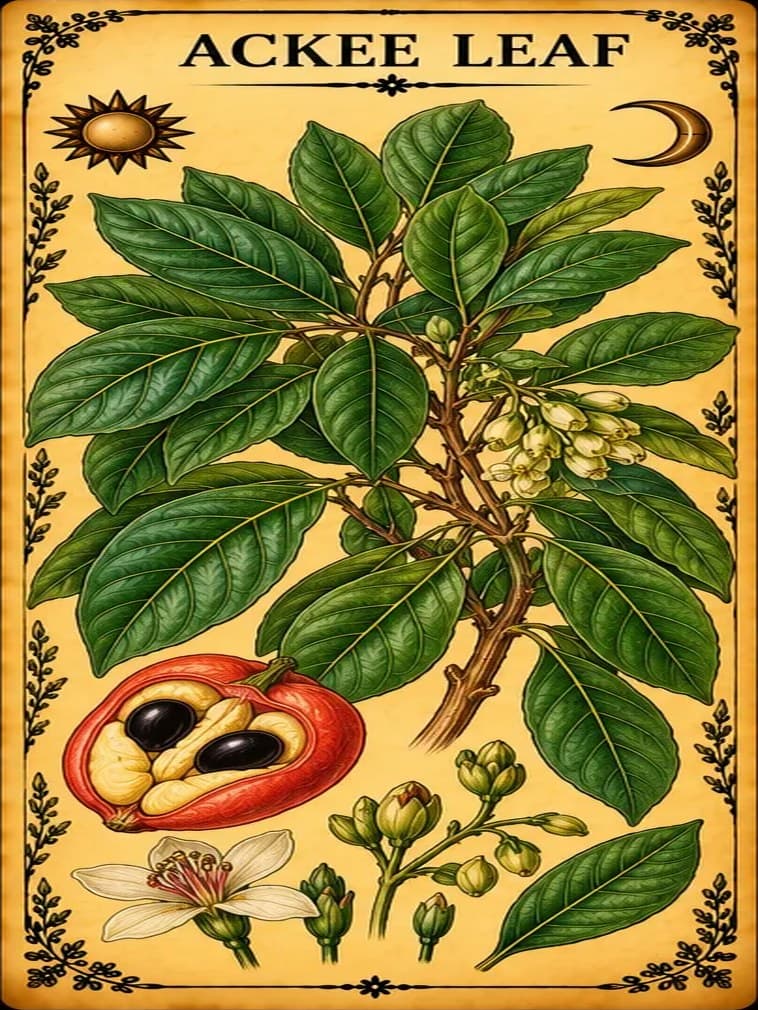
Botanical illustration of Ackee Leaf

Ackee Leaf

Blighia sapida

Leaves of the ackee tree, whose fruit is Jamaica's national dish. The leaves are used in folk medicine for pain, fever and stomach problems. Unripe ackee fruit is poisonous.

No. 002Medicinal
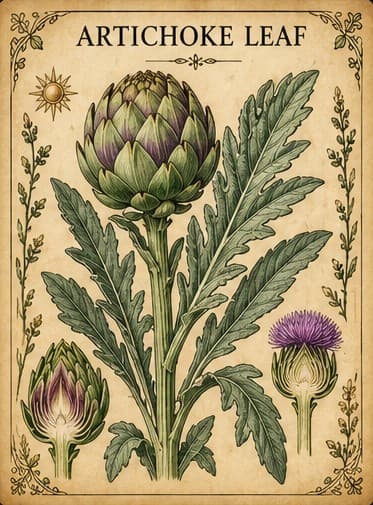
Botanical illustration of Artichoke Leaf

Artichoke Leaf

Cynara cardunculus

Leaves of the artichoke plant, recognized in Europe for indigestion, fullness and bloating. Several small trials suggest it may lower liver enzyme levels in fatty liver disease.

No. 003Medicinal
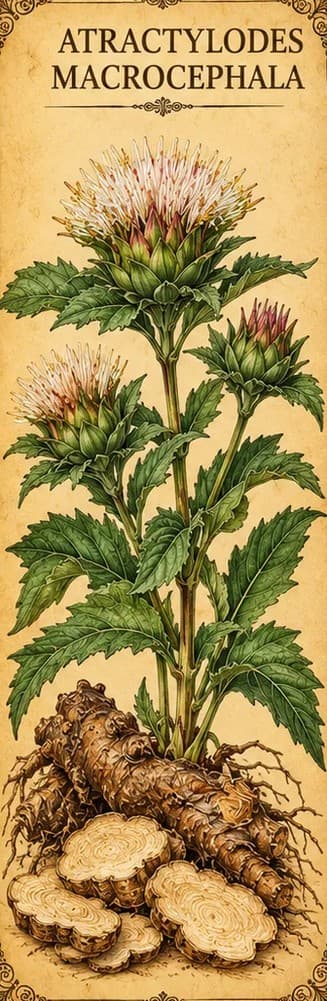
Botanical illustration of Atractylodes Macrocephala

Atractylodes Macrocephala

Atractylodes macrocephala

Bai zhu, a Chinese tonic rhizome for weak digestion and an unsettled pregnancy. Formulas built around it and white peony helped IBS in trials of moderate quality.

No. 004Medicinal
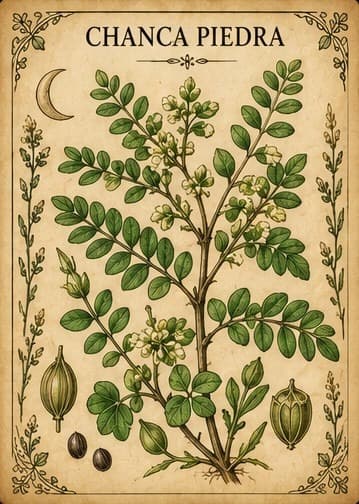
Botanical illustration of Chanca Piedra

Chanca Piedra

Phyllanthus niruri

A plant traditionally used in Malay, Chinese and Ayurvedic medicine for kidney stones and liver problems. It has been studied for both, with mixed results.

No. 005Medicinal
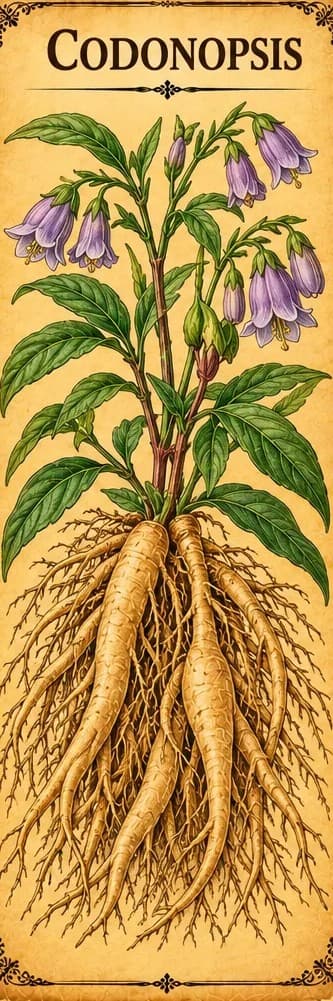
Botanical illustration of Codonopsis

Codonopsis

Codonopsis pilosula

Dang shen, a Chinese tonic root used alongside or in place of ginseng for about 1,000 years to strengthen the spleen, stomach and lungs. Research is in the lab and in animals.

No. 006Medicinal
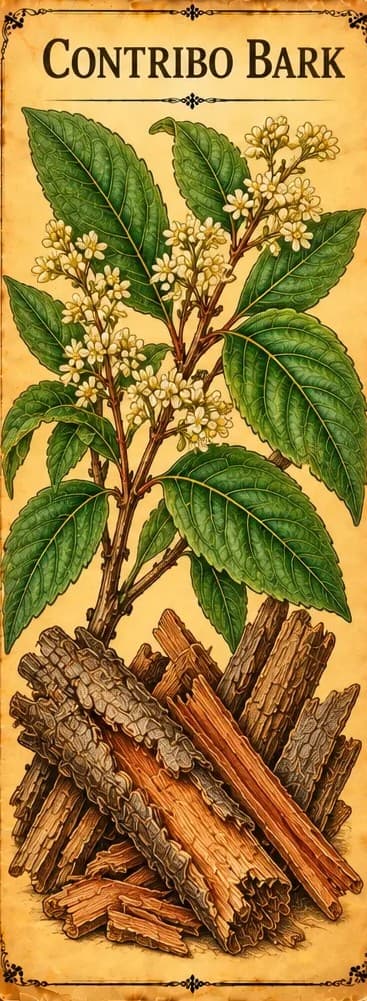
Botanical illustration of Contribo

Contribo

Aristolochia trilobata

An Aristolochia vine used in Caribbean and Latin American folk medicine for stomach aches, colic and asthma. It contains aristolochic acids, which cause kidney failure and urinary tract cancer.

No. 007Medicinal
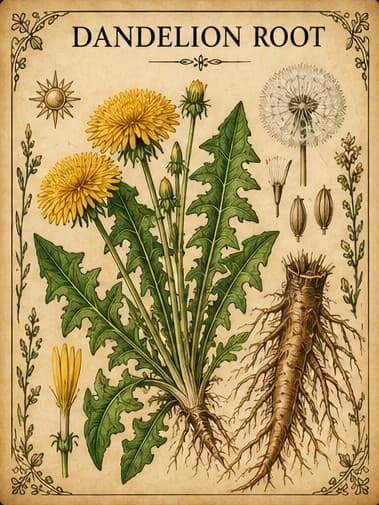
Botanical illustration of Dandelion

Dandelion

Taraxacum officinale

A plant whose root and leaves have long been used for indigestion and, historically, for problems with bile flow. There is very little research on it in people.

No. 008Medicinal
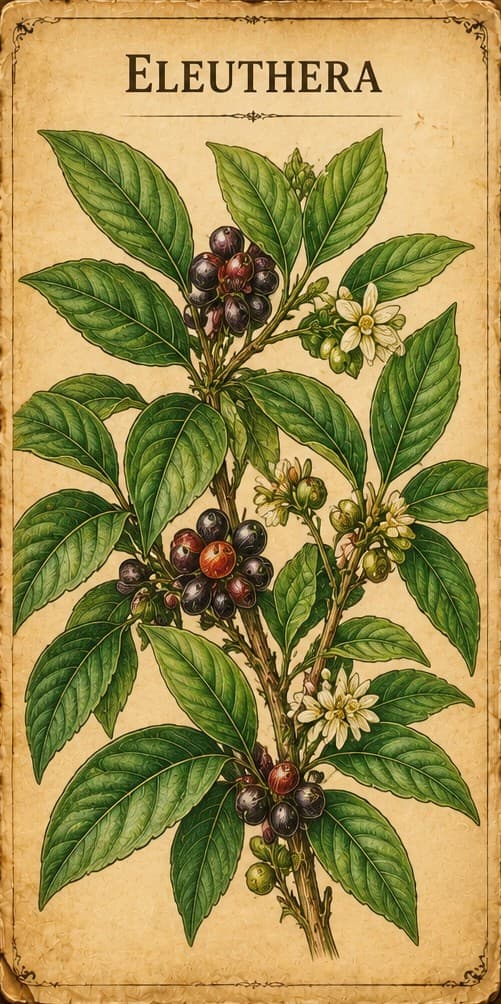
Botanical illustration of Eleuthera

Eleuthera

Croton eluteria

The bitter, aromatic bark of a small Bahamian tree, also called cascarilla. It was once a standard medicine for indigestion, gas, diarrhea and vomiting, and is now mainly a flavoring for drinks.

No. 009Medicinal
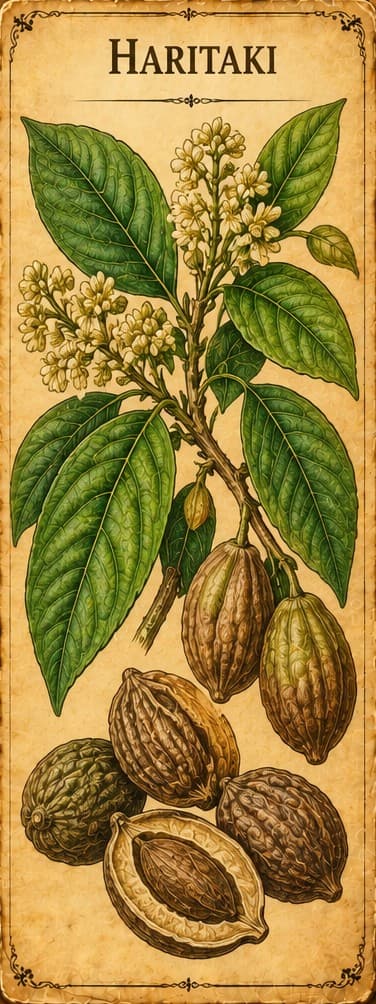
Botanical illustration of Haritaki

Haritaki

Terminalia chebula

The dried fruit of the chebulic myrobalan tree, called the "king of Tibetan medicines" and one of the three fruits in Triphala. It's used for constipation, digestion, coughs and dental health.

No. 010Medicinal
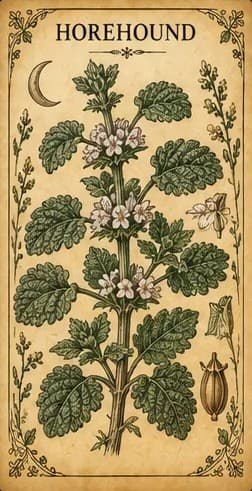
Botanical illustration of Horehound

Horehound

Marrubium vulgare

White horehound, a bitter mint-family herb recognized in Europe as a traditional medicine to help bring up phlegm with a cold, and for indigestion and poor appetite.

No. 011Medicinal
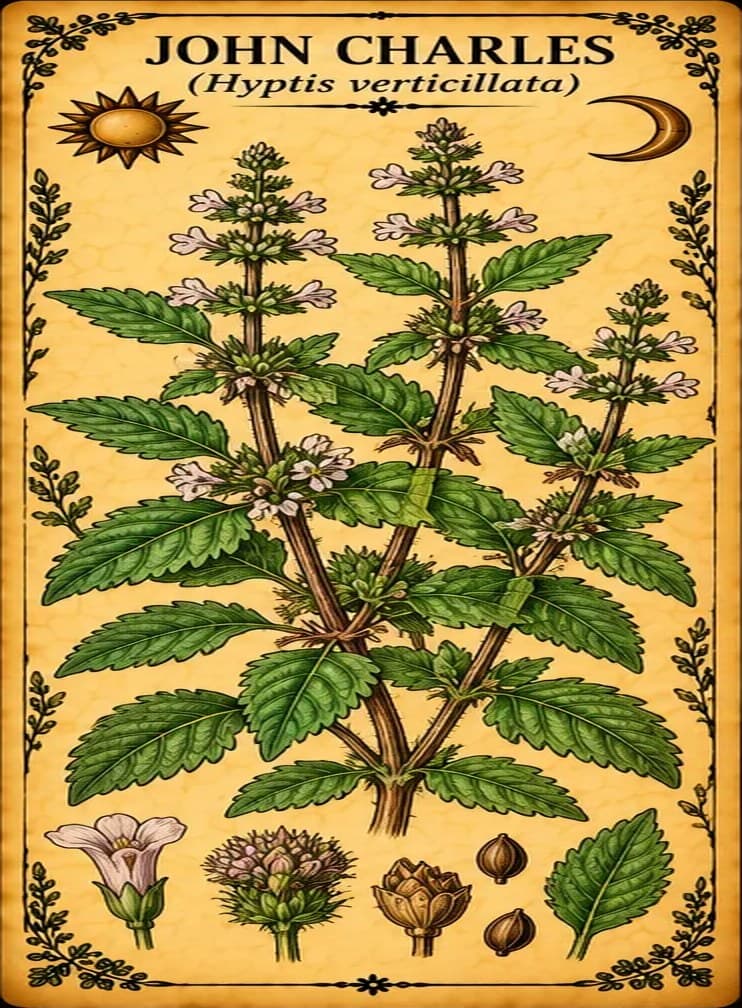
Botanical illustration of John Charles

John Charles

Hyptis verticillata

A Caribbean bush in the mint family, used since Maya and Aztec times for breathing, digestive, women's health and skin problems. It hasn't been tested in clinical trials.

No. 012Medicinal
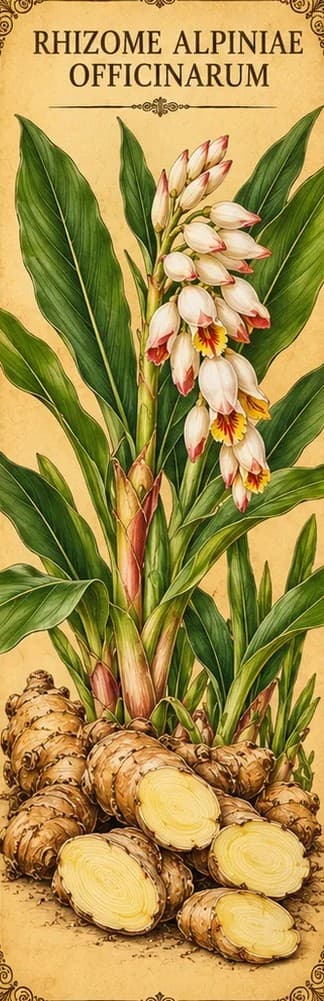
Botanical illustration of Lesser Galangal

Lesser Galangal

Alpinia officinarum

Gao liang jiang, an aromatic ginger-family rhizome used in Chinese medicine for thousands of years to warm the stomach and relieve stomach pain, vomiting and diarrhoea.

No. 013Medicinal
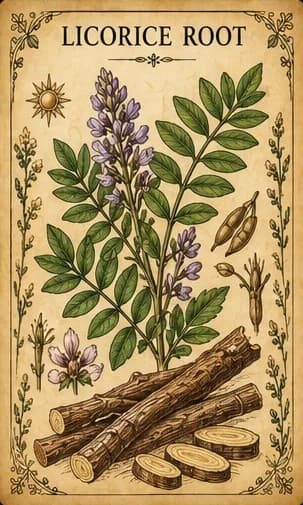
Botanical illustration of Licorice

Licorice

Glycyrrhiza glabra

A root used since ancient times in Egyptian, Greek, Chinese and Indian medicine for coughs, asthma and wounds. Recognized in Europe for cough with a cold and for indigestion, but too much can raise blood pressure and upset heart rhythm.

No. 014Medicinal
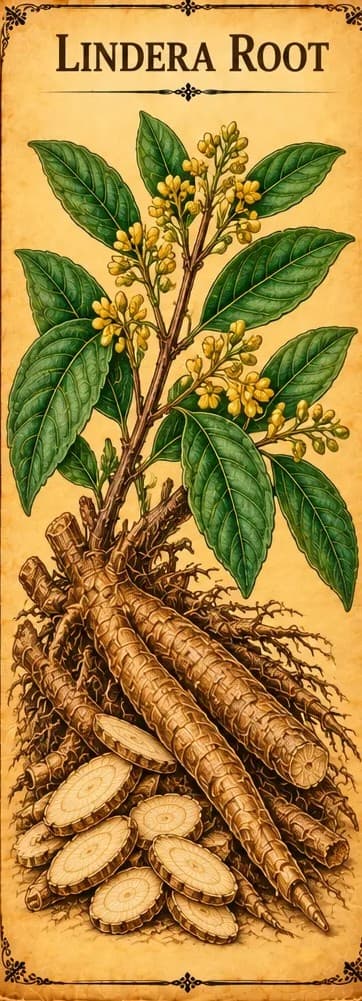
Botanical illustration of Lindera Root

Lindera Root

Lindera aggregata

Wu yao, the root of a laurel-family shrub used in China for thousands of years for digestive, urinary and inflammatory problems; its leaves are drunk as tea. Research is in the lab and in animals.

No. 015Medicinal
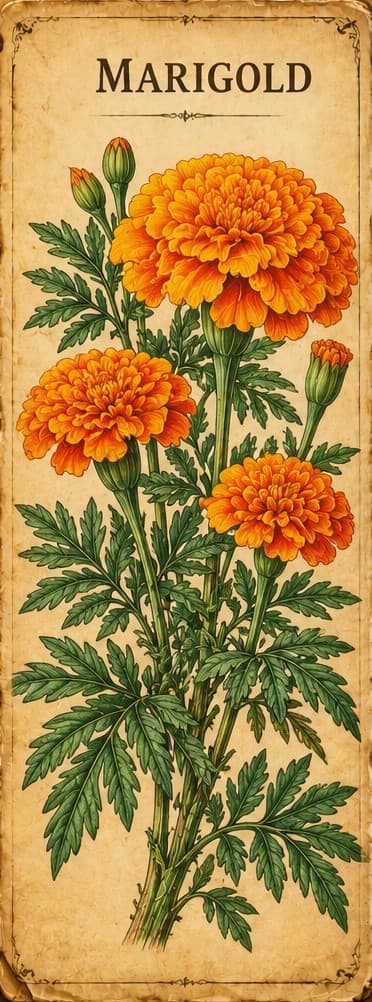
Botanical illustration of Marigold

Marigold

Tagetes erecta

The orange-flowered Mexican marigold, or cempasúchil, used in folk medicine from Mexico to India for fevers, colds, stomach upsets and skin sores. It's a different plant from calendula (pot marigold).

No. 016Medicinal
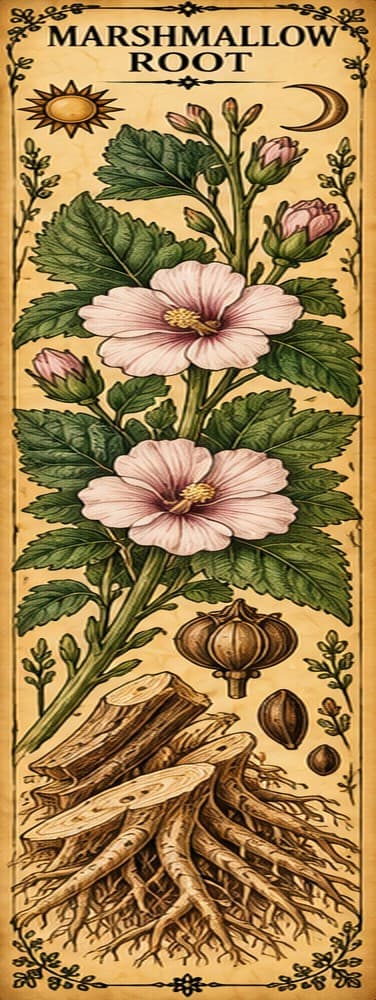
Botanical illustration of Marshmallow Root

Marshmallow Root

Althaea officinalis

A root recognized in Europe as a traditional medicine for mouth and throat irritation with a dry cough, and for mild stomach and gut discomfort.

No. 017Medicinal
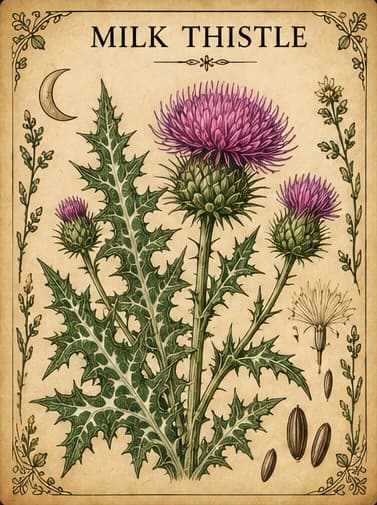
Botanical illustration of Milk Thistle

Milk Thistle

Silybum marianum

A tall, purple-flowered thistle from Europe, long used for liver problems. Studies of it and its extract silymarin in liver disease have been conflicting or too limited to show a clear benefit.

No. 018Medicinal
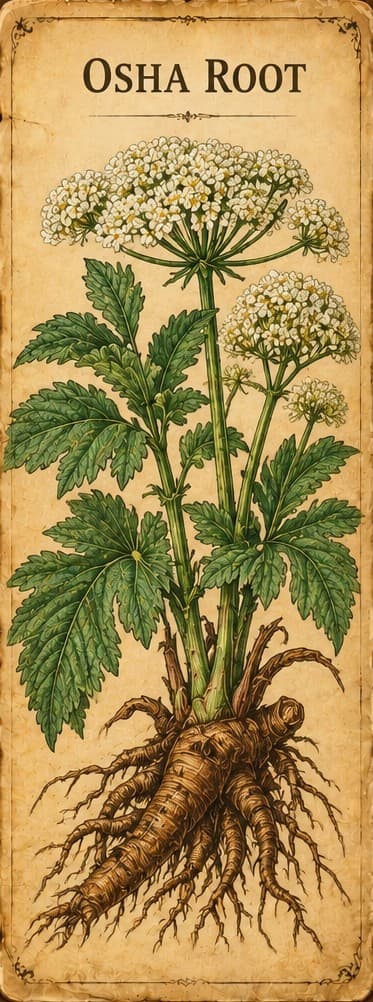
Botanical illustration of Osha

Osha

Ligusticum porteri

A root from the Rocky Mountains, long used by Hispanic and Native American peoples for colds, flu and chest infections. It has only been studied in the lab.

No. 019Medicinal
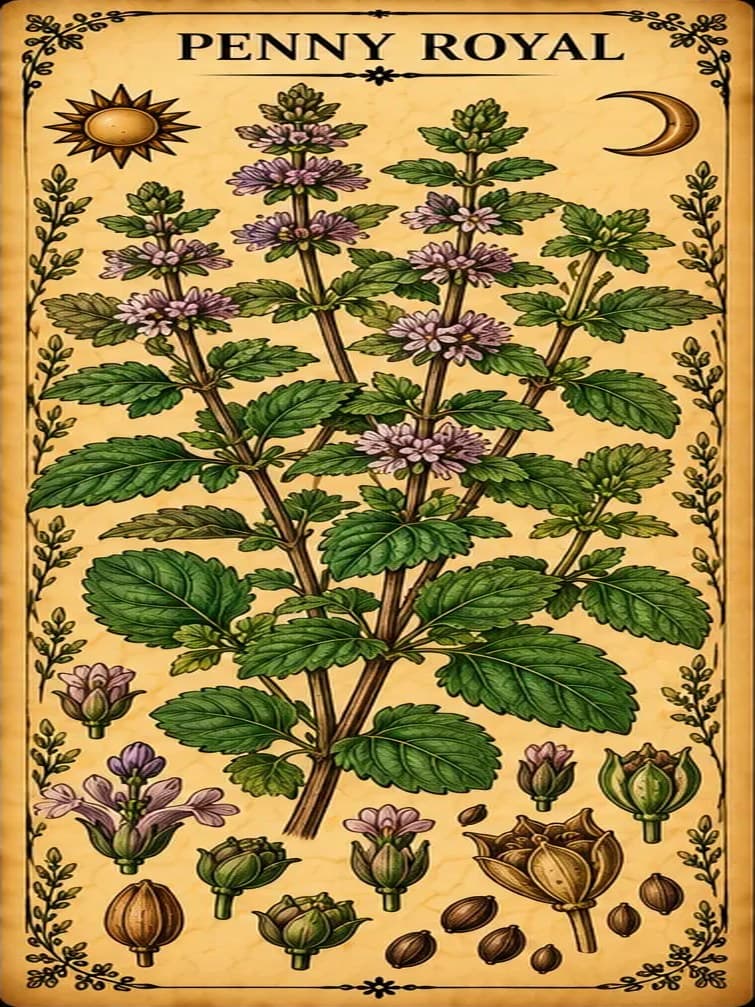
Botanical illustration of Penny Royal

Penny Royal

Clinopodium brownei

Jamaican pennyroyal, one of the island's popular bush medicines for breathing and digestive problems. It is a different plant from European pennyroyal, but its oil contains the same toxic compound, pulegone.

No. 020Medicinal
Botanical illustration of Peppermint

Peppermint

Mentha piperita

A cooling, menthol-rich herb traditionally used for digestion and headaches. Research suggests peppermint oil may help IBS symptoms.

No. 021Medicinal
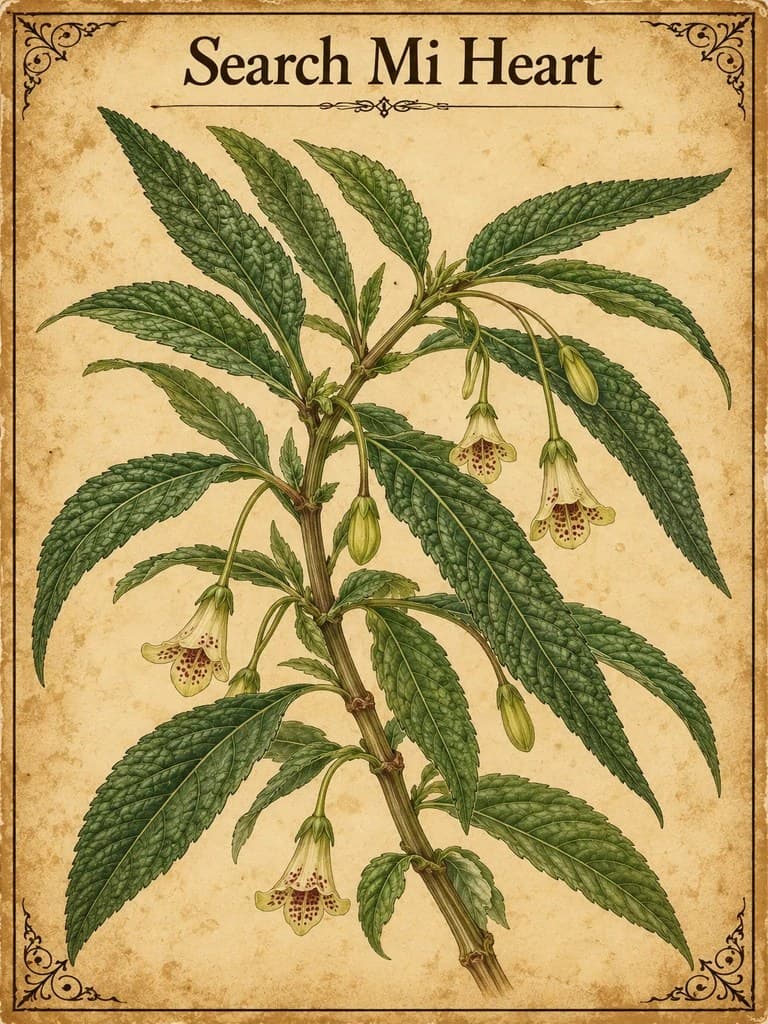
Botanical illustration of Search Mi Heart

Search Mi Heart

Rhytidophyllum tomentosum

A Jamaican plant whose dried leaves are made into a bush tea, traditionally used for colds and flu, the heart, breathing problems and digestion. It hasn't been studied in research.

No. 022Medicinal
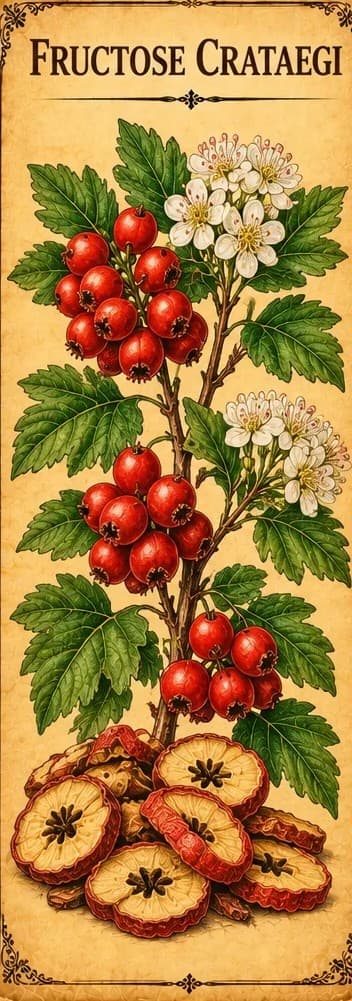
Botanical illustration of Shan Zha

Shan Zha

Crataegus pinnatifida

Chinese hawthorn fruit, eaten and used in Chinese medicine for over 2,000 years for indigestion, especially after meat, and for high blood fats. Research is mostly in the lab and in animals.

No. 023Medicinal
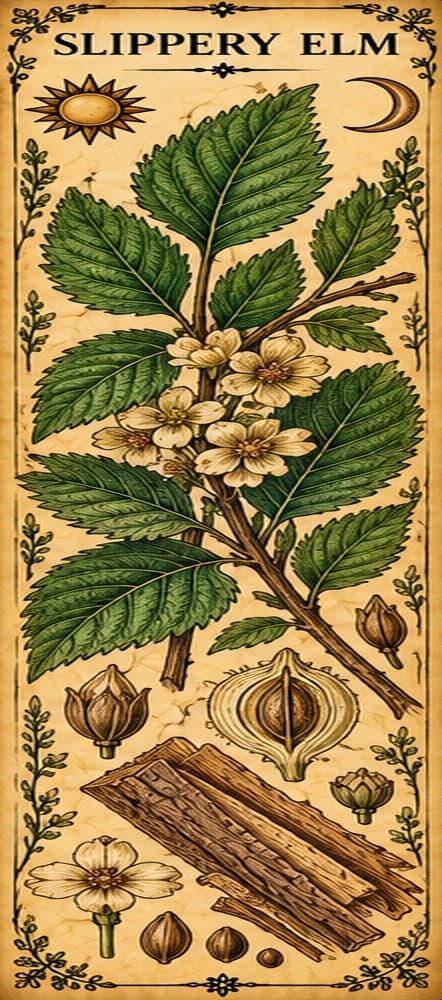
Botanical illustration of Slippery Elm

Slippery Elm

Ulmus rubra

The inner bark of a North American elm, taken by mouth for sore throat and stomach upset and used on the skin for rashes. It is generally recognized as safe.

No. 024Medicinal
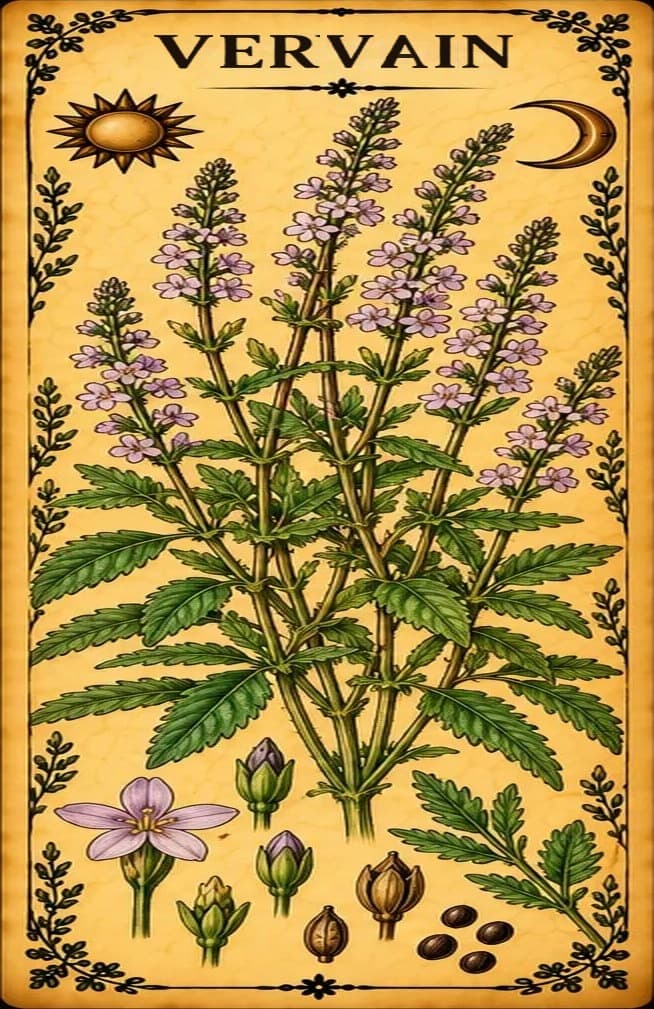
Botanical illustration of Vervain

Vervain

Stachytarpheta jamaicensis

Called vervain in Jamaica and vervine in Antigua and Trinidad, a weedy plant whose leaves make a "cooling" tea used for the stomach, colds and coughs, and to clean wounds.

No. 025Medicinal
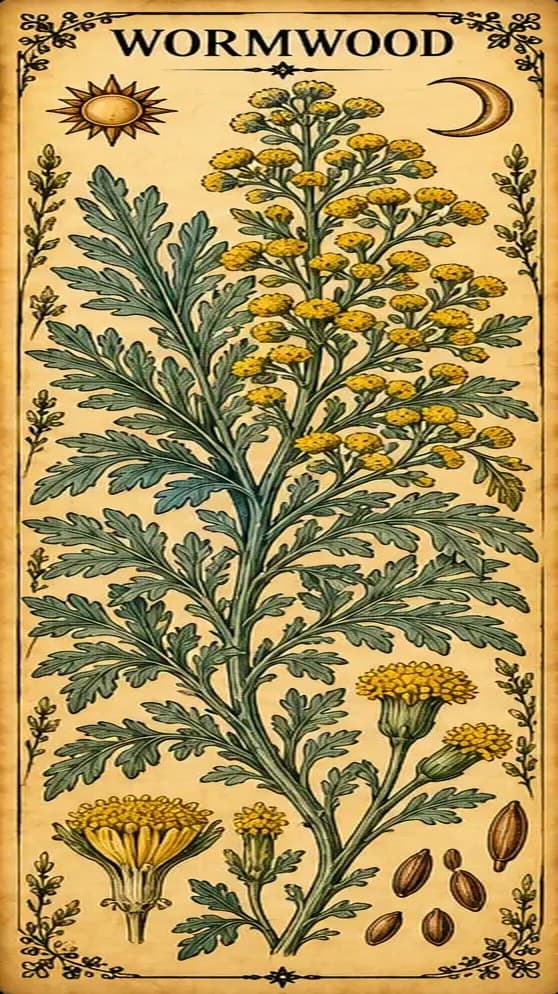
Botanical illustration of Wormwood

Wormwood

Artemisia absinthium

A bitter herb recognized in Europe as a traditional medicine for temporary loss of appetite and mild heartburn and stomach and gut complaints.

No. 026Medicinal
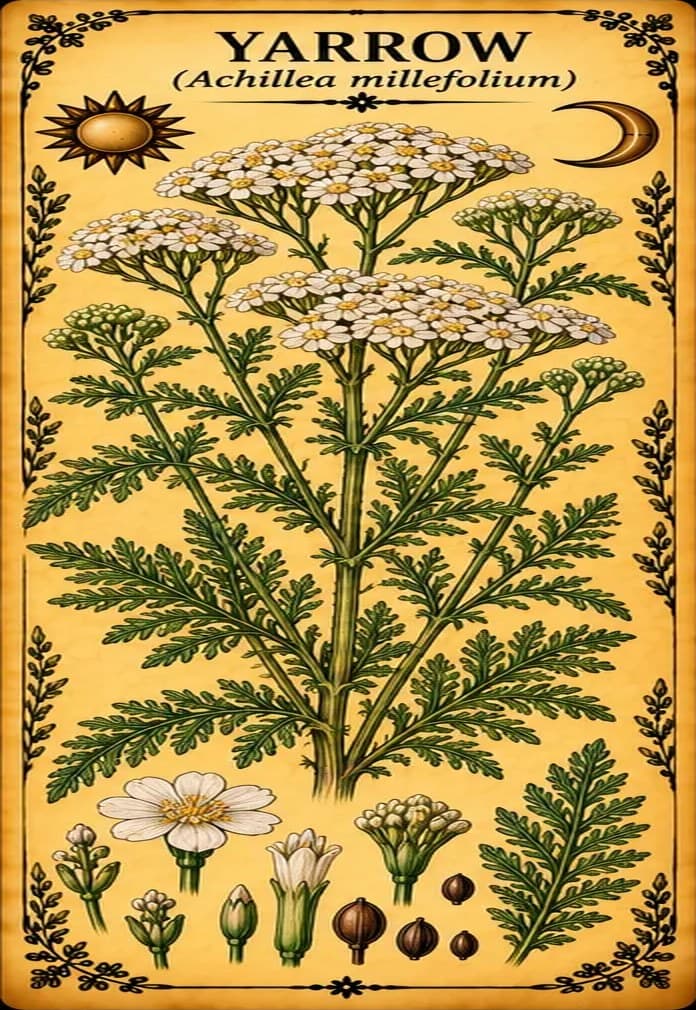
Botanical illustration of Yarrow

Yarrow

Achillea millefolium

An herb recognised in Europe as a traditional remedy for loss of appetite, mild digestive problems, period cramps and small wounds.