Discover the Power of Plants

The Herbal Library

Search the full collection

Browse every herb in the database by name, category, or the body system it's traditionally associated with.

Results

20 herbs

No. 001Medicinal
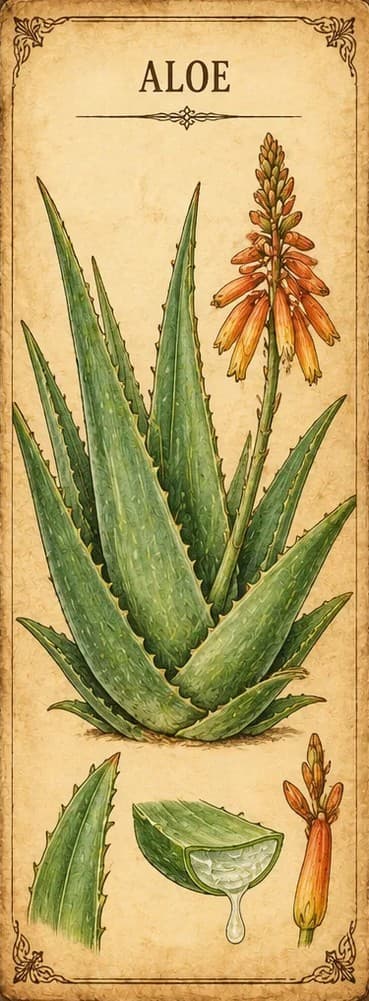
Botanical illustration of Aloe

Aloe

Aloe vera

A succulent whose leaf gel is used on burns and skin conditions. Gel on the skin may speed burn healing; aloe taken by mouth carries real risks.

No. 002Medicinal
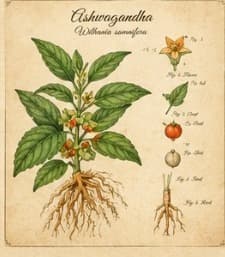
Botanical illustration of Ashwagandha

Ashwagandha

Withania somnifera

A root from Ayurvedic medicine, traditionally used to help the body cope with stress.

No. 003Medicinal
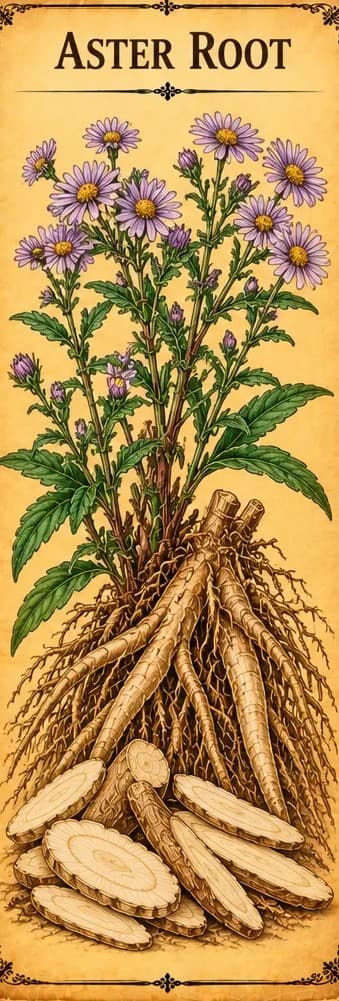
Botanical illustration of Aster Root

Aster Root

Aster tataricus

Zi wan, the soft purple root of Aster tataricus, a classic Chinese, Japanese and Korean remedy to moisten the lungs and relieve cough and phlegm.

No. 004Medicinal
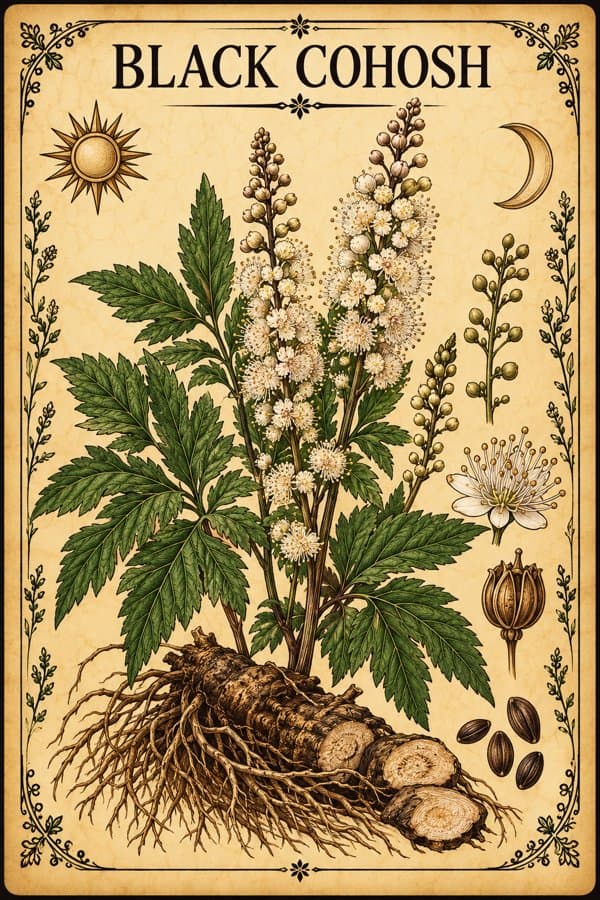
Botanical illustration of Black Cohosh

Black Cohosh

Actaea racemosa

A root used traditionally by Native Americans and recognized in Europe for menopausal hot flushes. Rare liver problems have been reported.

No. 005Medicinal
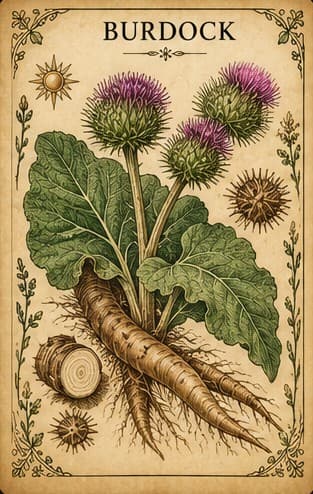
Botanical illustration of Burdock

Burdock

Arctium lappa

A plant whose root has been eaten as food in Asia for centuries. It is traditionally used as a "blood purifier" and for skin problems, but there is little evidence in people.

No. 006Medicinal
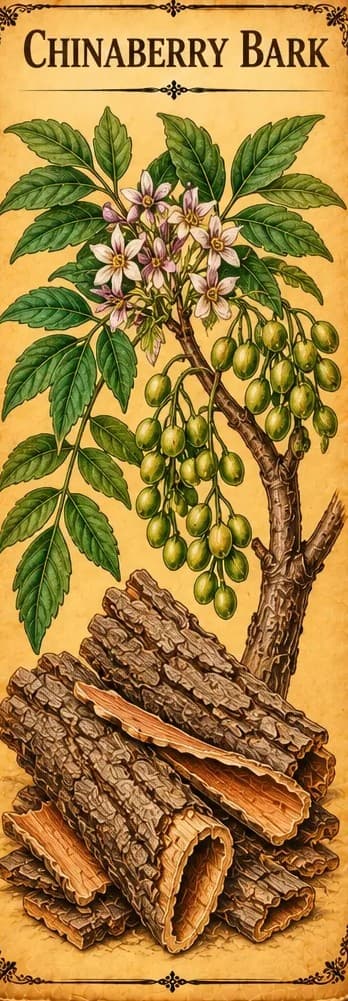
Botanical illustration of Chinaberry Bark

Chinaberry Bark

Melia azedarach

Bark of the chinaberry tree, whose compound toosendanin was developed in China as a roundworm medicine. The plant is toxic: toosendanin damages the liver, and chinaberry has poisoned many kinds of animals.

No. 007Medicinal
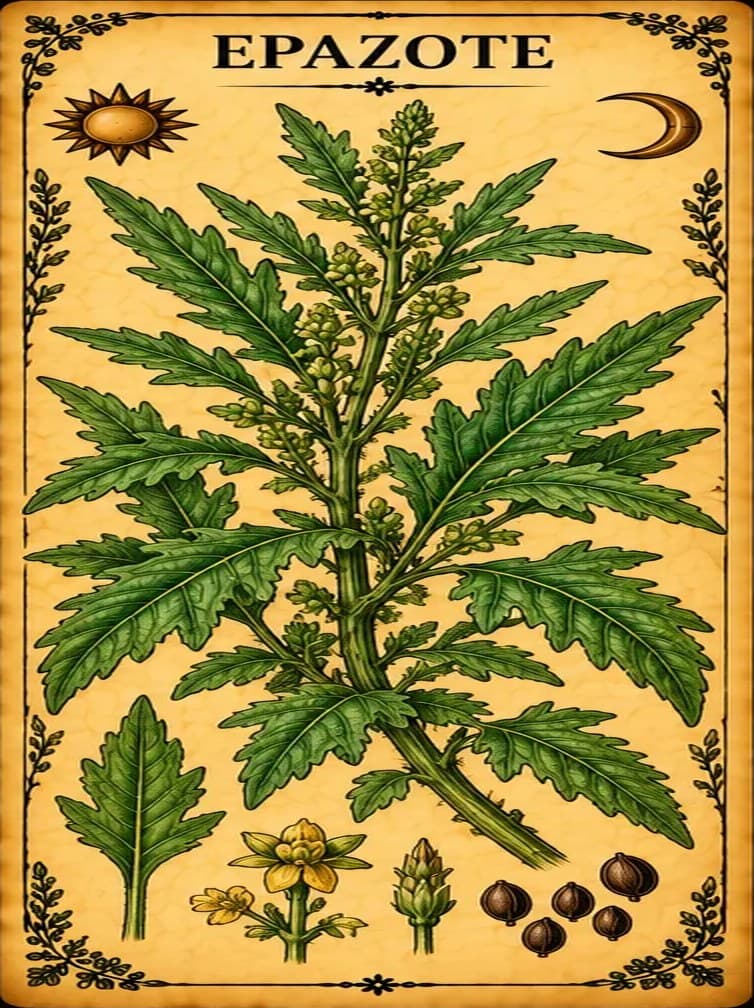
Botanical illustration of Epazote

Epazote

Dysphania ambrosioides

An herb used in Jamaican and Latin American folk medicine against worms. It can cause serious, even deadly, poisoning, especially in children.

No. 008Medicinal
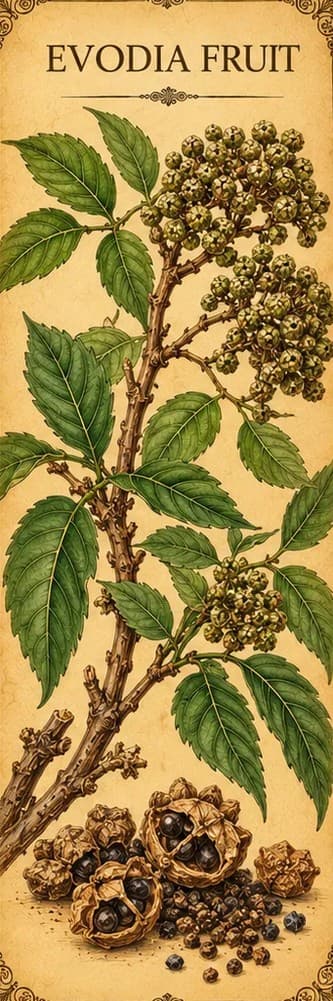
Botanical illustration of Evodia Fruit

Evodia Fruit

Tetradium ruticarpum

Wu zhu yu, a Chinese medicine fruit used to dispel cold, relieve pain and stop vomiting and diarrhoea, including for headache and period pain. It's mildly toxic and has caused liver damage.

No. 009Medicinal
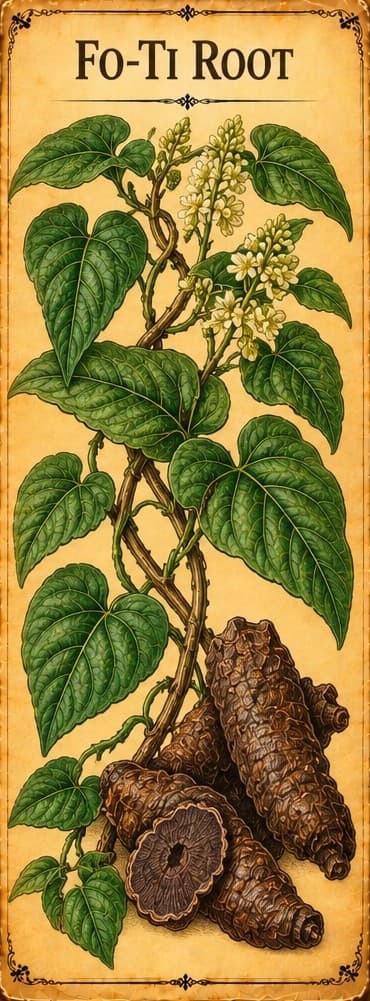
Botanical illustration of Fo-Ti

Fo-Ti

Reynoutria multiflora

He shou wu, a popular Chinese root traditionally taken to darken graying hair, as an anti-ageing tonic, and for dizziness and constipation. Hundreds of cases of liver injury have been linked to it, a few of them fatal.

No. 010Medicinal
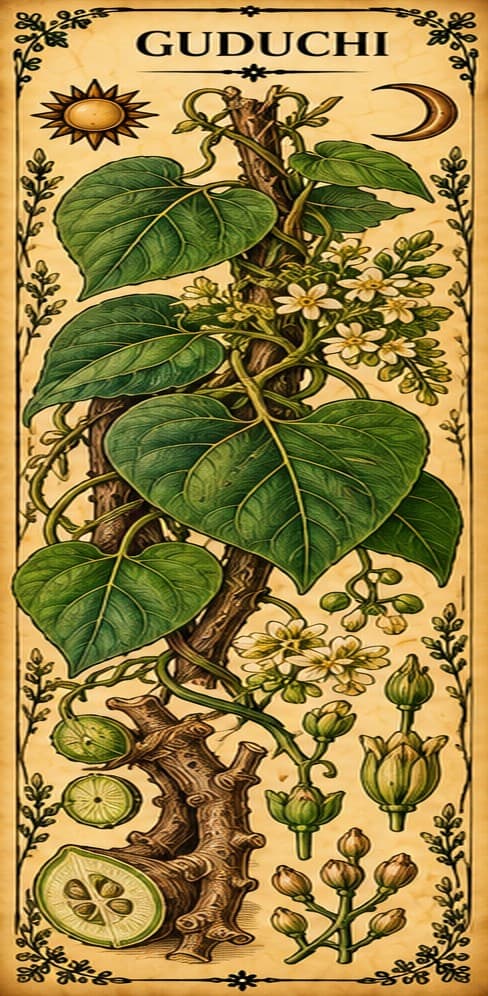
Botanical illustration of Giloy (Guduchi)

Giloy (Guduchi)

Tinospora cordifolia

An Ayurvedic climbing vine promoted in India as an immunity booster, including during COVID-19. Cases of liver injury have been reported, though some may involve a look-alike plant.

No. 011Medicinal
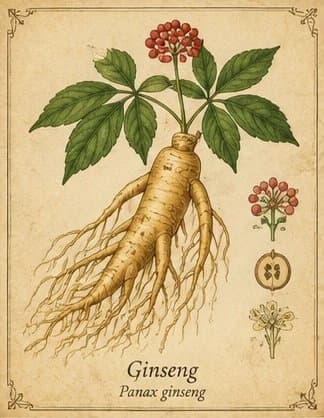
Botanical illustration of Ginseng

Ginseng

Panax ginseng

A root long used in traditional Chinese medicine as a calming herb and an adaptogen. Research on its effects is mixed.

No. 012Medicinal
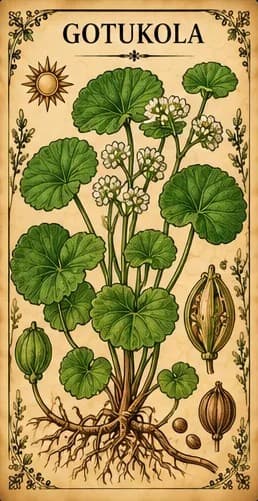
Botanical illustration of Gotu Kola

Gotu Kola

Centella asiatica

A plant used in traditional medicine for circulation, wounds and memory. Small studies suggest possible benefits for anxiety and thinking, but the evidence isn't strong.

No. 013Medicinal
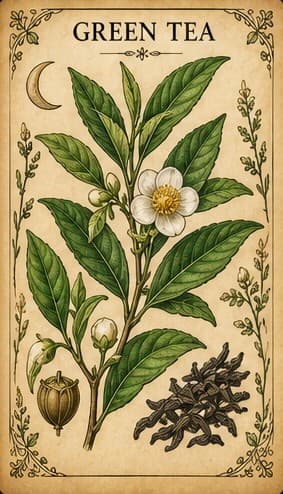
Botanical illustration of Green Tea

Green Tea

Camellia sinensis

Unfermented leaves of the tea plant, drunk for thousands of years. Drinking the tea is considered safe, but concentrated green tea extract supplements have rarely caused serious liver damage.

No. 014Medicinal
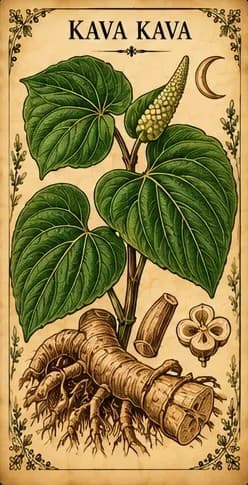
Botanical illustration of Kava

Kava

Piper methysticum

A root from the South Pacific, drunk in ceremonies for thousands of years. It may ease anxiety short term, but it has been linked to rare, sometimes fatal, liver damage.

No. 015Medicinal
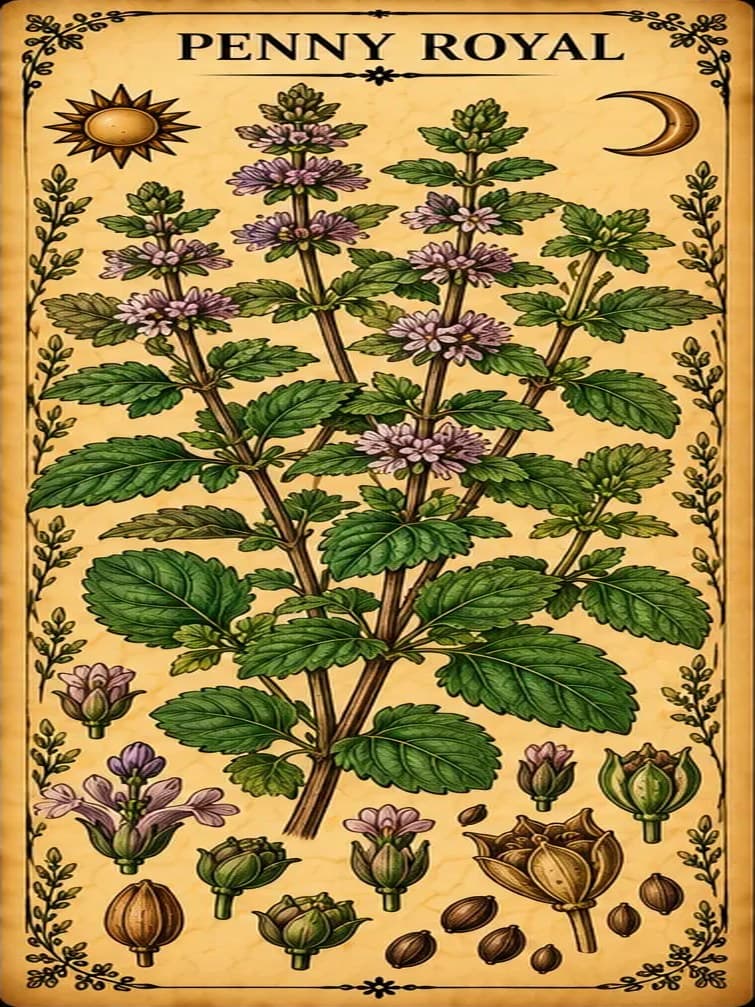
Botanical illustration of Penny Royal

Penny Royal

Clinopodium brownei

Jamaican pennyroyal, one of the island's popular bush medicines for breathing and digestive problems. It is a different plant from European pennyroyal, but its oil contains the same toxic compound, pulegone.

No. 016Medicinal
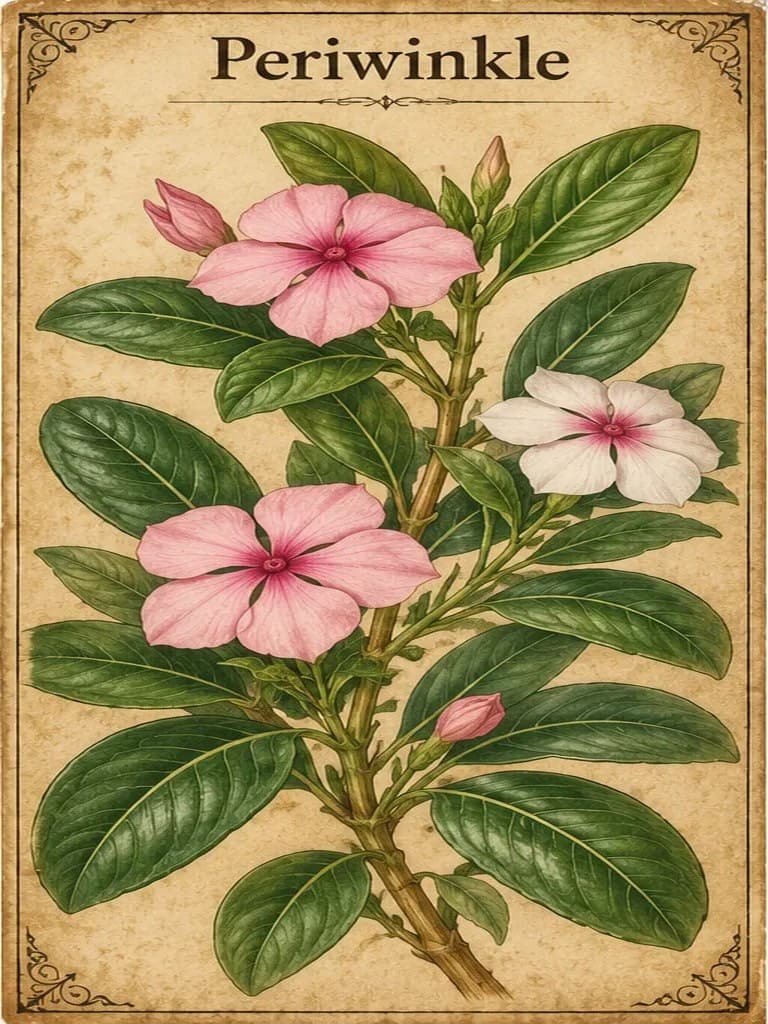
Botanical illustration of Periwinkle

Periwinkle

Catharanthus roseus

Madagascar periwinkle, a garden plant used in Caribbean folk medicine for diabetes and the source of two cancer drugs. The plant can be poisonous.

No. 017Medicinal
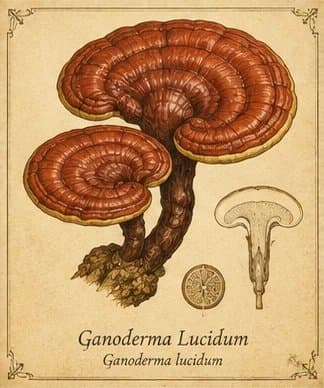
Botanical illustration of Reishi

Reishi

Ganoderma lucidum

A mushroom prized for centuries in traditional Chinese, Japanese and Korean medicine. A Cochrane review found it didn't lower heart disease risk factors.

No. 018Medicinal
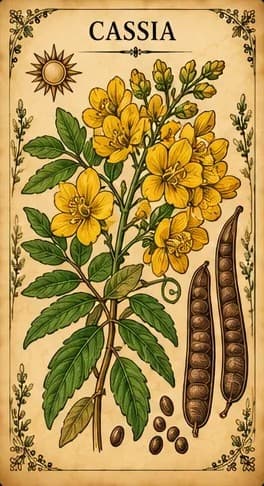
Botanical illustration of Siamese Cassia

Siamese Cassia

Senna siamea

A tree whose leaves are eaten in Thailand, where it is called khi lek and traditionally used for sleep. A calming product made from it caused cases of hepatitis.

No. 019Medicinal
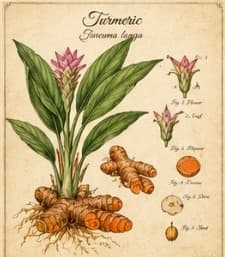
Botanical illustration of Turmeric

Turmeric

Curcuma longa

A golden root used in curries, known for its natural compound curcumin and traditionally used for inflammation.

No. 020Medicinal
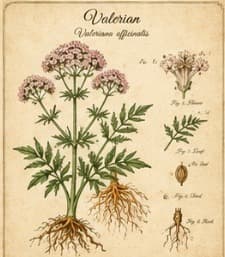
Botanical illustration of Valerian

Valerian

Valeriana officinalis

A root traditionally used to help with sleep.