Discover the Power of Plants

The Herbal Library

Search the full collection

Browse every herb in the database by name, category, or the body system it's traditionally associated with.

Filtered by body system:General WellnessClear

Results

16 herbs

No. 001Medicinal
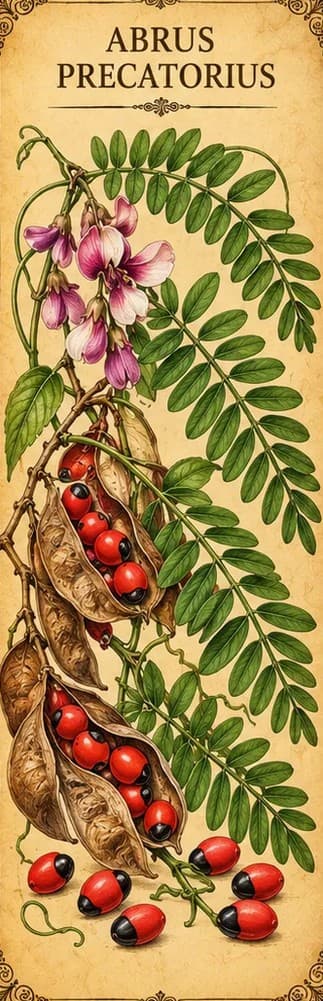
Botanical illustration of Abrus Precatorius

Abrus Precatorius

Abrus precatorius

Rosary pea or jumbee bead, a vine whose leaves are used in traditional medicine. Its bright red-and-black seeds contain abrin, one of the deadliest poisons known.

Poisonous Plants

No. 002Medicinal
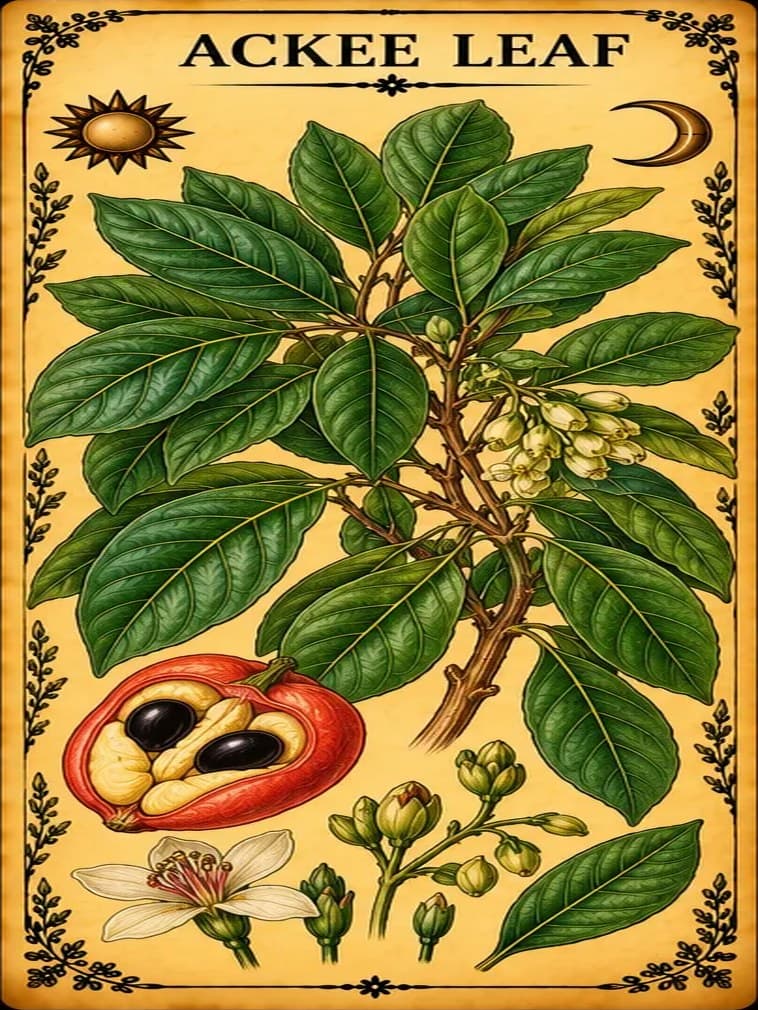
Botanical illustration of Ackee Leaf

Ackee Leaf

Blighia sapida

Leaves of the ackee tree, whose fruit is Jamaica's national dish. The leaves are used in folk medicine for pain, fever and stomach problems. Unripe ackee fruit is poisonous.

Poisonous Plants

No. 003Medicinal
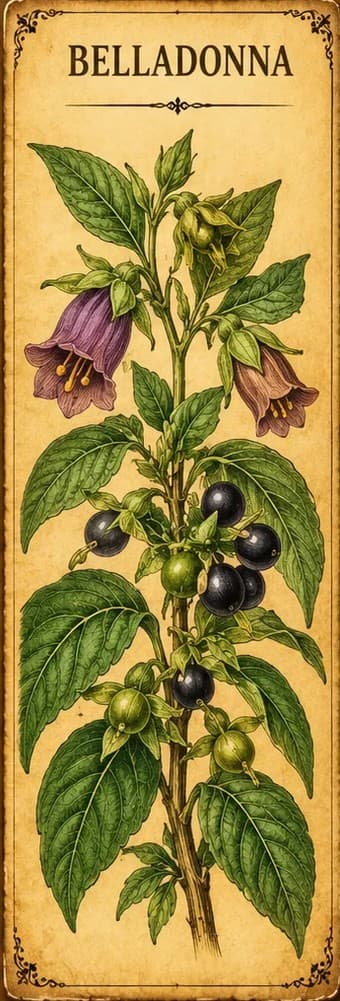
Botanical illustration of Belladonna

Belladonna

Atropa belladonna

Deadly nightshade, a poisonous plant whose alkaloids can cause confusion, a racing heart, seizures, coma and death.

Poisonous Plants

No. 004Medicinal
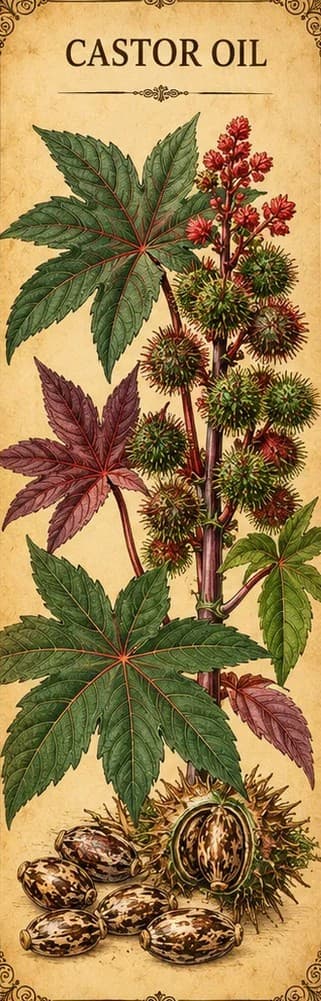
Botanical illustration of Castor Oil

Castor Oil

Ricinus communis

Oil pressed from castor seeds, a strong traditional laxative also used to bring on labour. The seeds themselves contain ricin, one of the most toxic plant substances.

Poisonous Plants

No. 005Medicinal
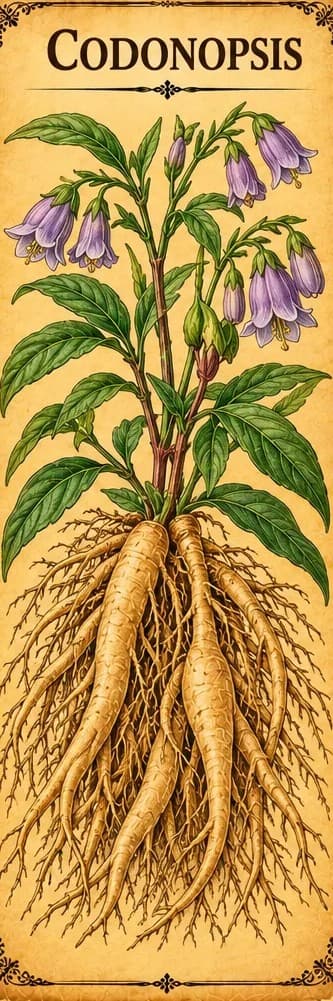
Botanical illustration of Codonopsis

Codonopsis

Codonopsis pilosula

Dang shen, a Chinese tonic root used alongside or in place of ginseng for about 1,000 years to strengthen the spleen, stomach and lungs. Research is in the lab and in animals.

Fatigue

No. 006Medicinal
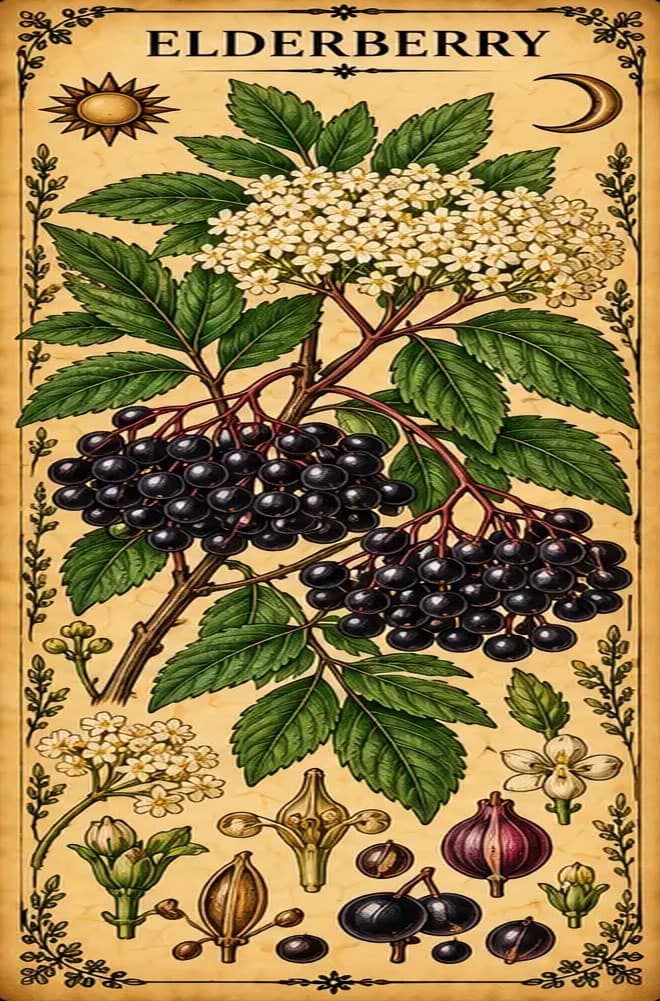
Botanical illustration of Elderberry

Elderberry

Sambucus nigra

The European elder, whose berries are used in folk medicine for colds and flu and whose flowers are recognized in Europe for early cold symptoms. Raw berries, leaves and stems are poisonous.

Poisonous Plants

No. 007Medicinal
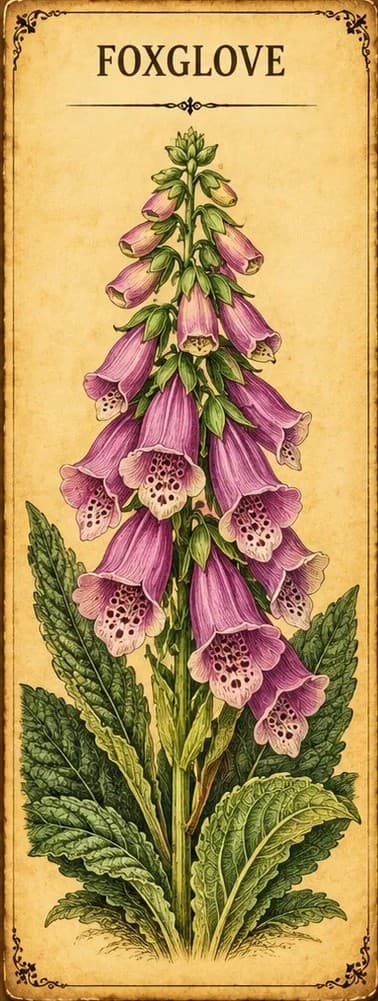
Botanical illustration of Foxglove

Foxglove

Digitalis purpurea

A tall garden flower and the source of digitalis heart medicines. All parts of the plant are poisonous and affect the heart.

Poisonous Plants

No. 008Medicinal
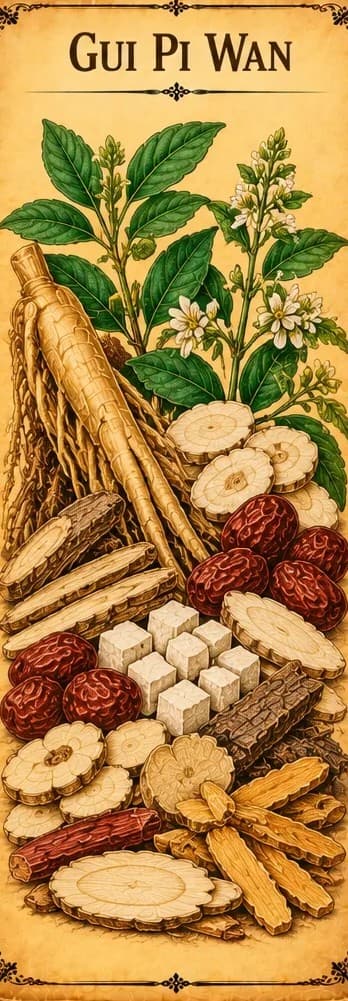
Botanical illustration of Gui Pi Wan

Gui Pi Wan

Panax ginseng, Astragalus membranaceus, Angelica sinensis and 9 other herbs

A classical 12-herb Chinese formula used to tonify qi and blood, for palpitations, forgetfulness, insomnia, poor appetite and tiredness. Small Chinese trials suggest it may help heart failure and anaemia alongside standard treatment.

Fatigue

No. 009Medicinal
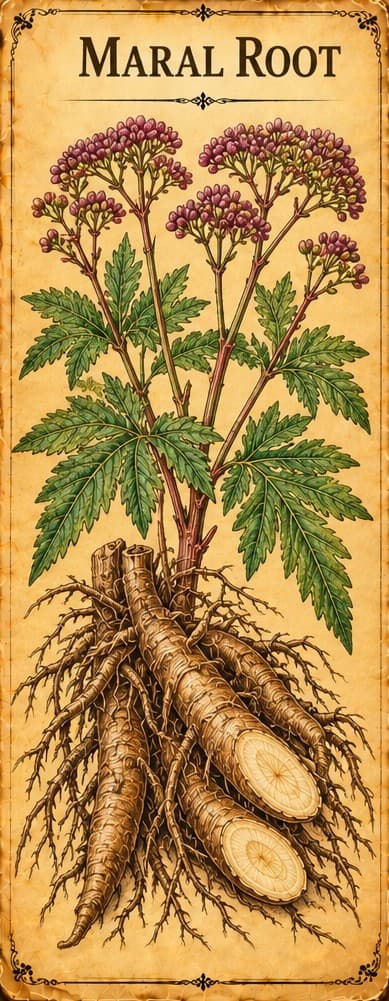
Botanical illustration of Maral Root

Maral Root

Rhaponticum carthamoides

Russian leuzea, a plant whose root has been used for centuries in eastern Russia. Researchers have suggested it may be an adaptogen, but most research is from Russian lab and animal studies.

Fatigue

No. 010Medicinal
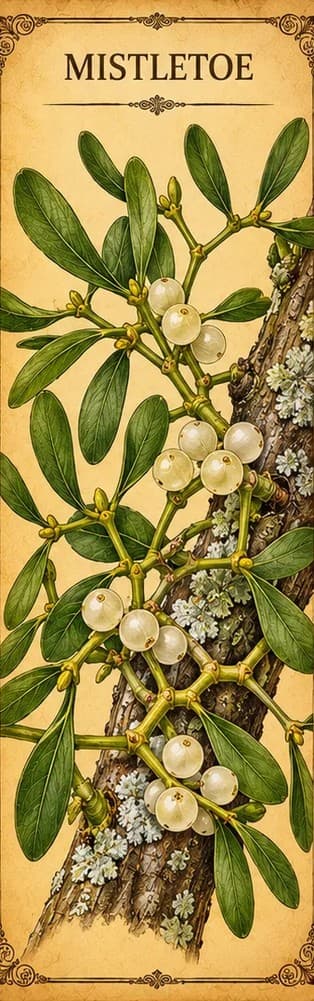
Botanical illustration of Mistletoe

Mistletoe

Viscum album

European mistletoe, used for centuries for seizures and headaches. Injected extracts are widely prescribed in Europe for people with cancer, but it isn't a proven cancer treatment.

Poisonous Plants

No. 011Medicinal
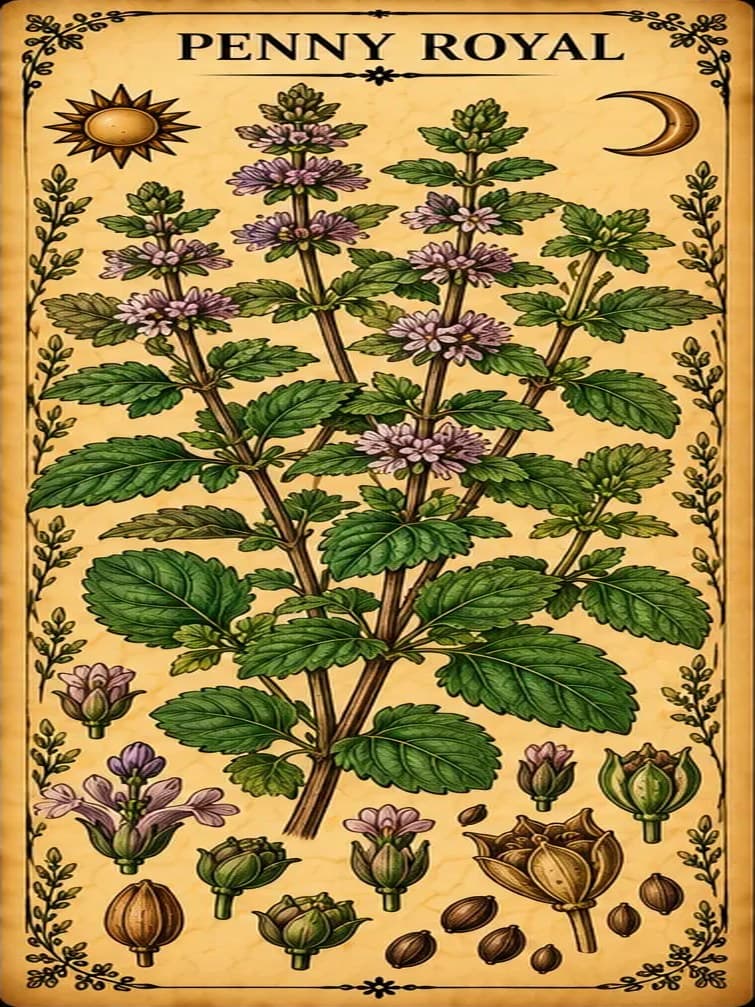
Botanical illustration of Penny Royal

Penny Royal

Clinopodium brownei

Jamaican pennyroyal, one of the island's popular bush medicines for breathing and digestive problems. It is a different plant from European pennyroyal, but its oil contains the same toxic compound, pulegone.

Poisonous Plants

No. 012Medicinal
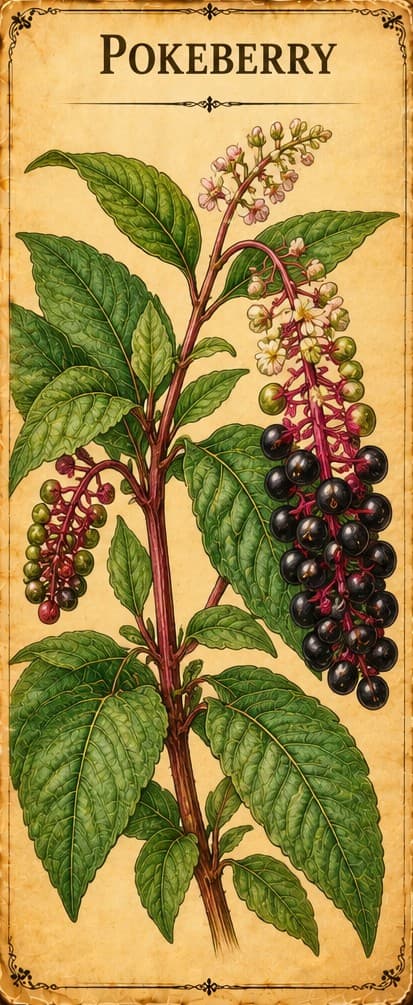
Botanical illustration of Pokeberry

Pokeberry

Phytolacca americana

American pokeweed, a tall plant with purple-black berries. All parts are poisonous, especially the root. Some people eat the young leaves as "poke sallet" after boiling them twice, but this doesn't guarantee safety.

Poisonous Plants

No. 013Medicinal
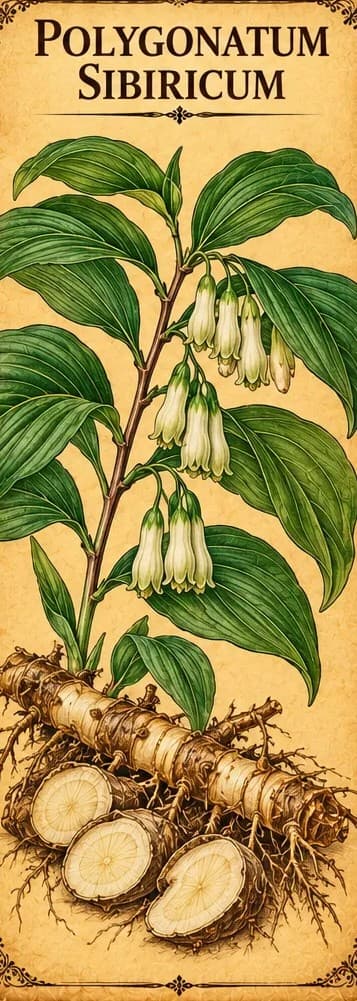
Botanical illustration of Polygonatum Sibiricum

Polygonatum Sibiricum

Polygonatum sibiricum

Huang jing, a relative of Solomon's seal used in China for over 2,000 years as food and as a tonic for tiredness, weakness and slow-healing wounds. Research is in the lab.

Fatigue

No. 014Medicinal
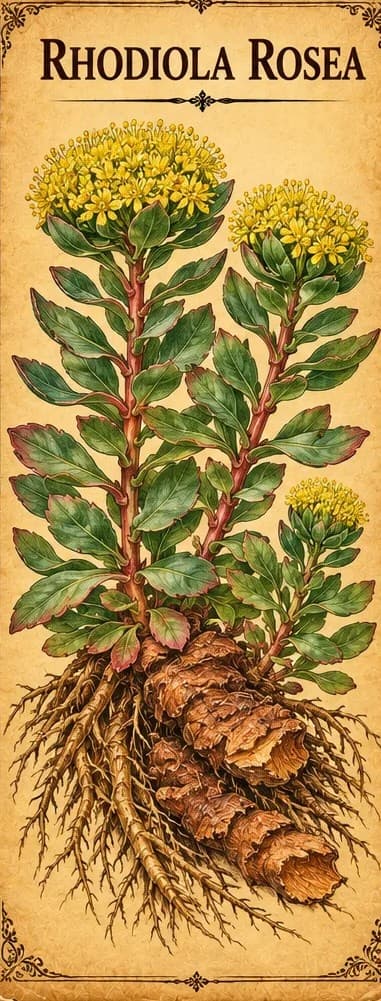
Botanical illustration of Rhodiola Rosea

Rhodiola Rosea

Rhodiola rosea

Golden root, recognised in the EU as a traditional herbal medicine for stress symptoms such as tiredness and exhaustion. Small trials suggest it may help exercise performance.

Fatigue

No. 015Medicinal
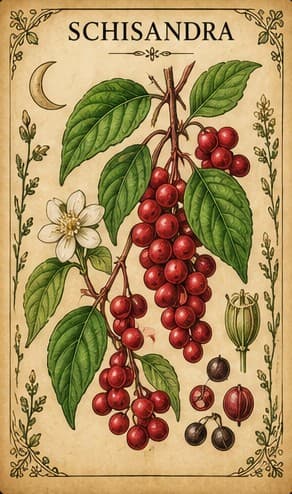
Botanical illustration of Schisandra

Schisandra

Schisandra chinensis

A fruit known in Chinese as wu wei zi ("five-flavor fruit"), long used in traditional Chinese medicine for the liver, coughs and energy. Studies in people are few and small.

Fatigue

No. 016Medicinal
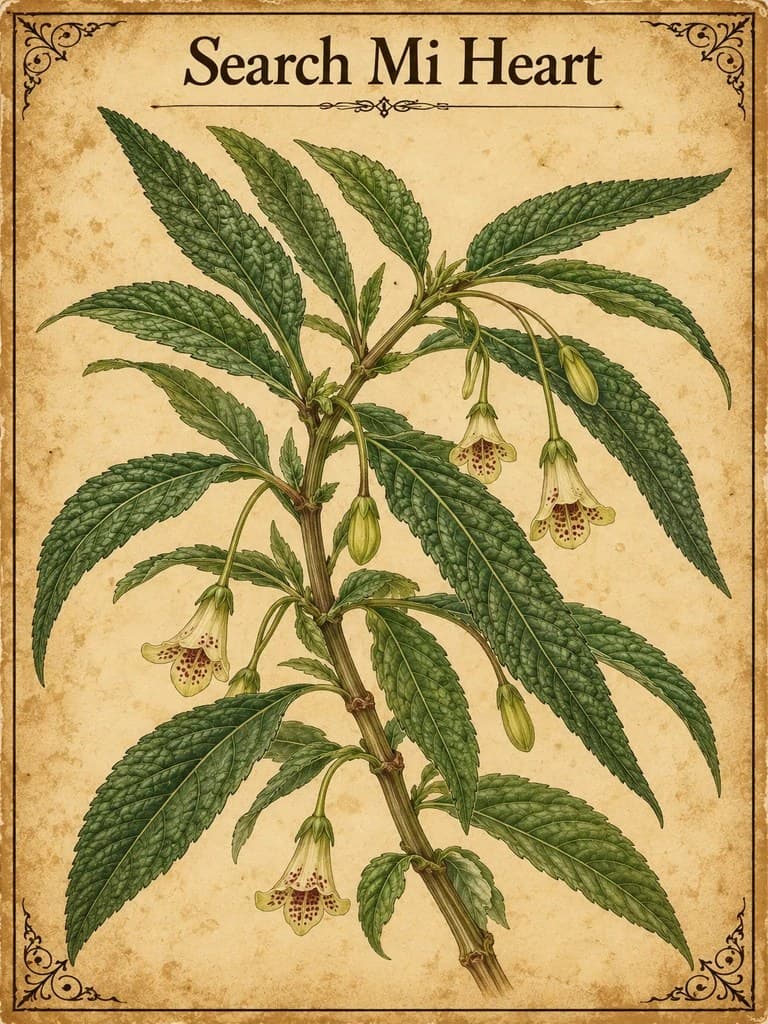
Botanical illustration of Search Mi Heart

Search Mi Heart

Rhytidophyllum tomentosum

A Jamaican plant whose dried leaves are made into a bush tea, traditionally used for colds and flu, the heart, breathing problems and digestion. It hasn't been studied in research.

Fatigue