Discover the Power of Plants

The Herbal Library

Search the full collection

Browse every herb in the database by name, category, or the body system it's traditionally associated with.

Results

14 herbs

No. 001Medicinal
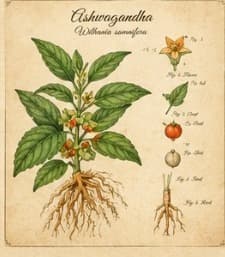
Botanical illustration of Ashwagandha

Ashwagandha

Withania somnifera

A root from Ayurvedic medicine, traditionally used to help the body cope with stress.

No. 002Medicinal
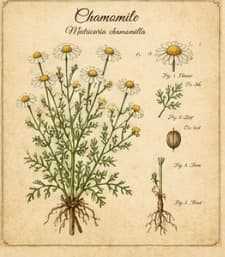
Botanical illustration of Chamomile

Chamomile

Matricaria chamomilla

A daisy-like flower, usually made into tea, traditionally used for relaxation and digestive comfort.

No. 003Medicinal
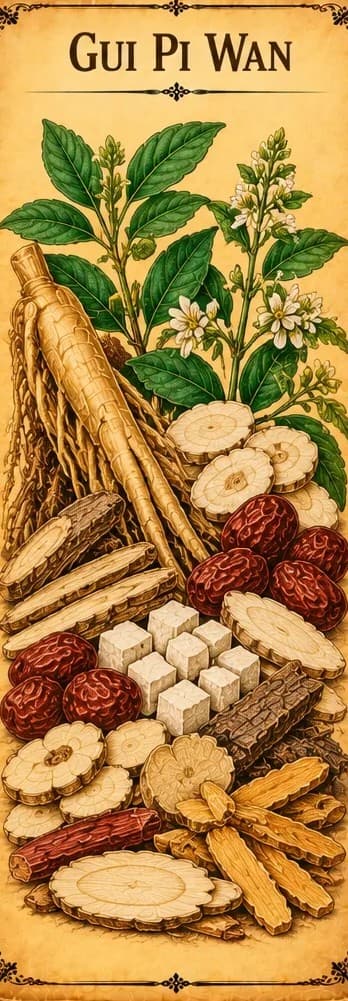
Botanical illustration of Gui Pi Wan

Gui Pi Wan

Panax ginseng, Astragalus membranaceus, Angelica sinensis and 9 other herbs

A classical 12-herb Chinese formula used to tonify qi and blood, for palpitations, forgetfulness, insomnia, poor appetite and tiredness. Small Chinese trials suggest it may help heart failure and anaemia alongside standard treatment.

No. 004Medicinal
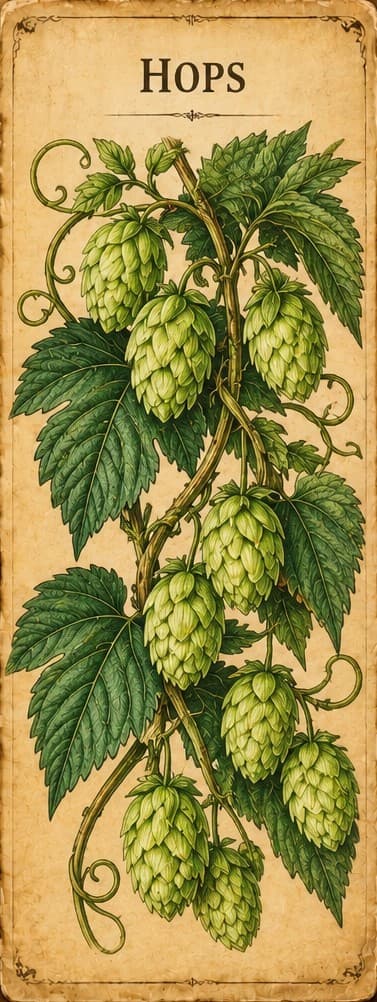
Botanical illustration of Hops

Hops

Humulus lupulus

The cone-like flowers of the hop vine, best known for flavoring beer. Recognised in Europe as a traditional remedy for mild stress and to help sleep.

No. 005Medicinal
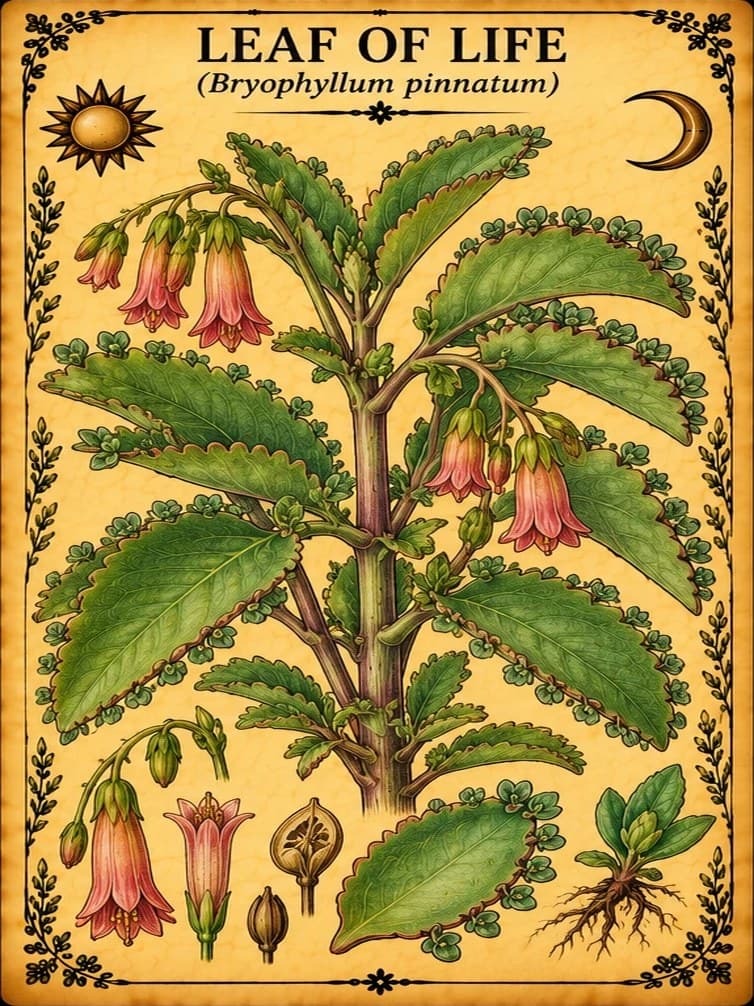
Botanical illustration of Leaf of Life

Leaf of Life

Bryophyllum pinnatum

One of Jamaica's most popular bush medicines, used for colds and flu. In Switzerland, tablets made from its leaf juice have been studied for overactive bladder and sleep.

No. 006Medicinal
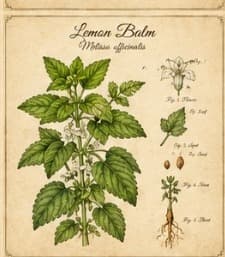
Botanical illustration of Lemon Balm

Lemon Balm

Melissa officinalis

A lemon-scented relative of mint, traditionally used to ease stress and help with sleep.

No. 007Medicinal
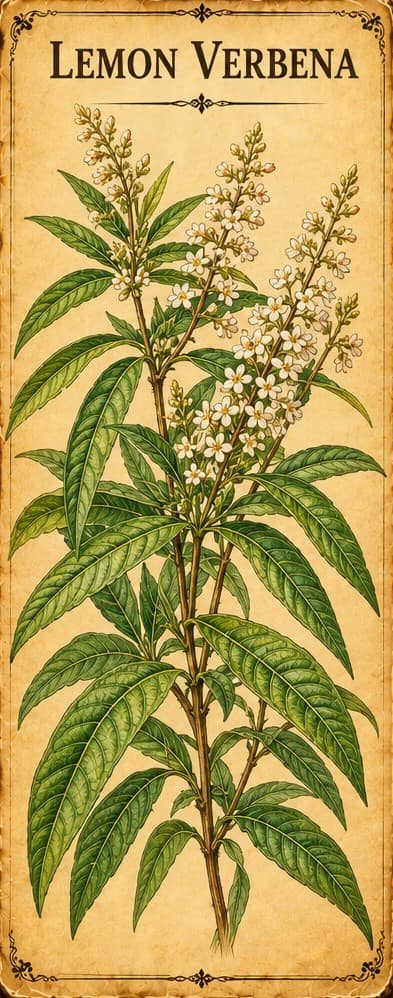
Botanical illustration of Lemon Verbena

Lemon Verbena

Aloysia citrodora

A lemon-scented shrub whose leaves make a herbal tea. It's recognised in Europe as a traditional remedy for mild stress, to help sleep, and for mild digestive complaints such as bloating and gas.

No. 008Medicinal
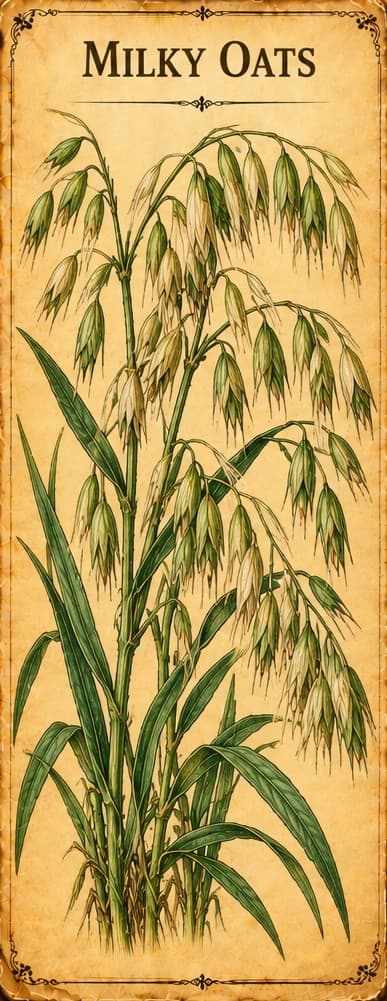
Botanical illustration of Milky Oats

Milky Oats

Avena sativa

The green oat plant, sold as milky oats or oat herb. Oat herb harvested before flowering is recognised in Europe as a traditional remedy for mild stress and to help sleep.

No. 009Medicinal
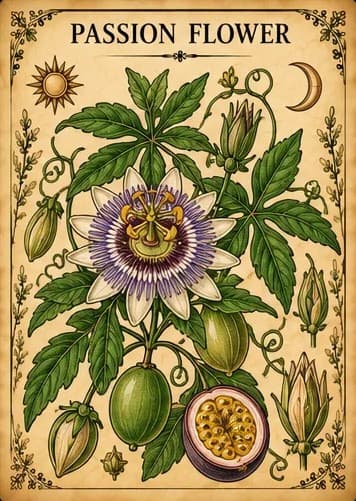
Botanical illustration of Passion Flower

Passion Flower

Passiflora incarnata

A climbing vine from the Americas, used as a calming herb since at least the 1500s. It is recognized in Europe for mild stress and to help sleep, and small studies suggest it may ease anxiety.

No. 010Medicinal
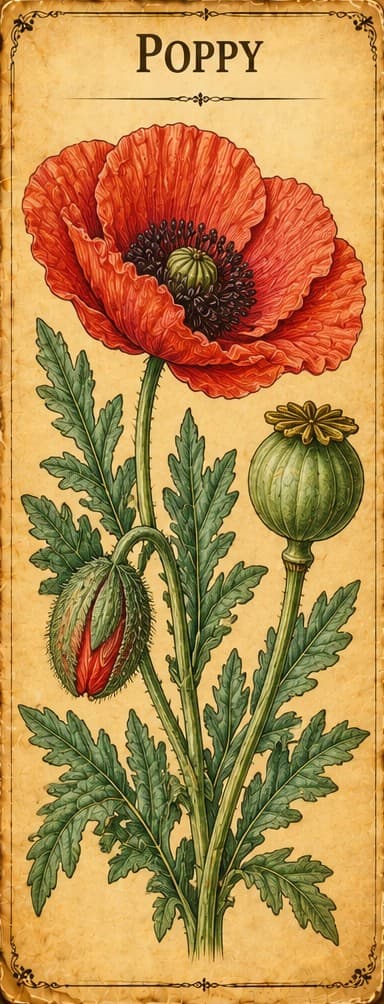
Botanical illustration of Poppy

Poppy

Papaver rhoeas

The red corn poppy, a common field weed, used in folk medicine for coughs, sleep problems, diarrhea and pain, and eaten in salads. Eating it has poisoned adults, causing seizures and loss of consciousness. It's a different plant from the opium poppy.

No. 011Medicinal
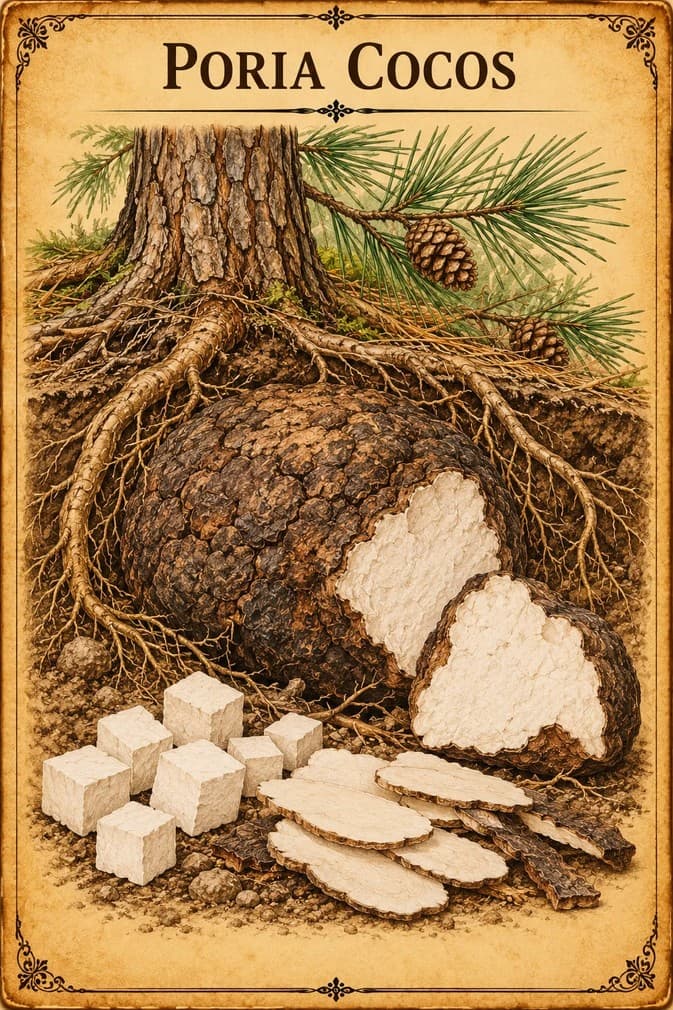
Botanical illustration of Poria Cocos

Poria Cocos

Wolfiporia cocos

Fu ling, an edible fungus used in Chinese medicine for over 2,000 years to promote urination, reduce swelling, aid digestion and calm the mind. It's in nearly 15% of Chinese Pharmacopoeia preparations.

No. 012Medicinal
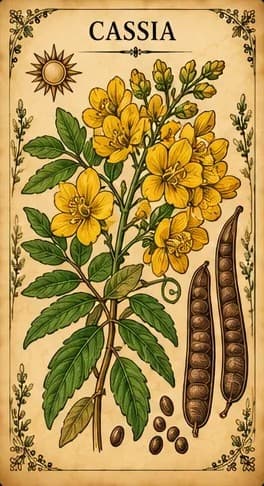
Botanical illustration of Siamese Cassia

Siamese Cassia

Senna siamea

A tree whose leaves are eaten in Thailand, where it is called khi lek and traditionally used for sleep. A calming product made from it caused cases of hepatitis.

No. 013Medicinal
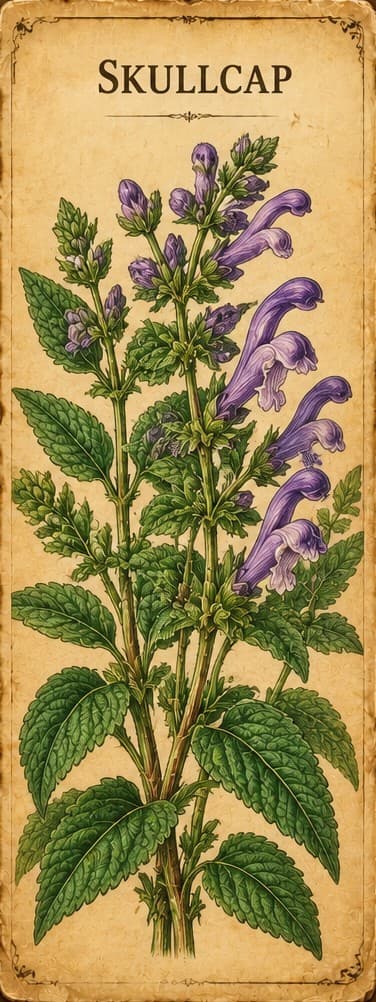
Botanical illustration of Skullcap

Skullcap

Scutellaria lateriflora

A North American mint-family herb, taken as a tea or extract for anxiety, stress and sleep. It has been linked to rare cases of liver injury, often in mixed products.

No. 014Medicinal
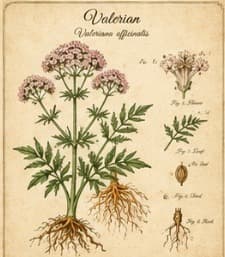
Botanical illustration of Valerian

Valerian

Valeriana officinalis

A root traditionally used to help with sleep.