Discover the Power of Plants

The Herbal Library

Search the full collection

Browse every herb in the database by name, category, or the body system it's traditionally associated with.

Results

13 herbs

No. 001Medicinal
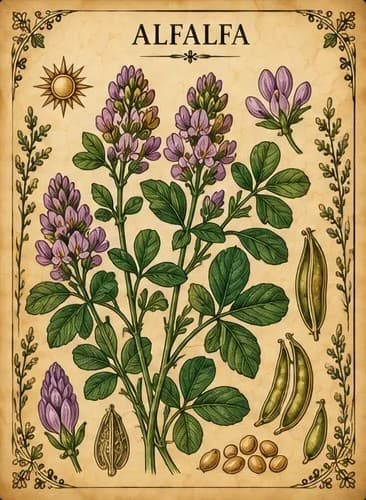
Botanical illustration of Alfalfa

Alfalfa

Medicago sativa

A widely used food and animal-feed crop, promoted as a supplement for many uses, including lowering cholesterol. Extracts have been studied on skin cells in the lab, but not on skin in people.

No. 002Medicinal
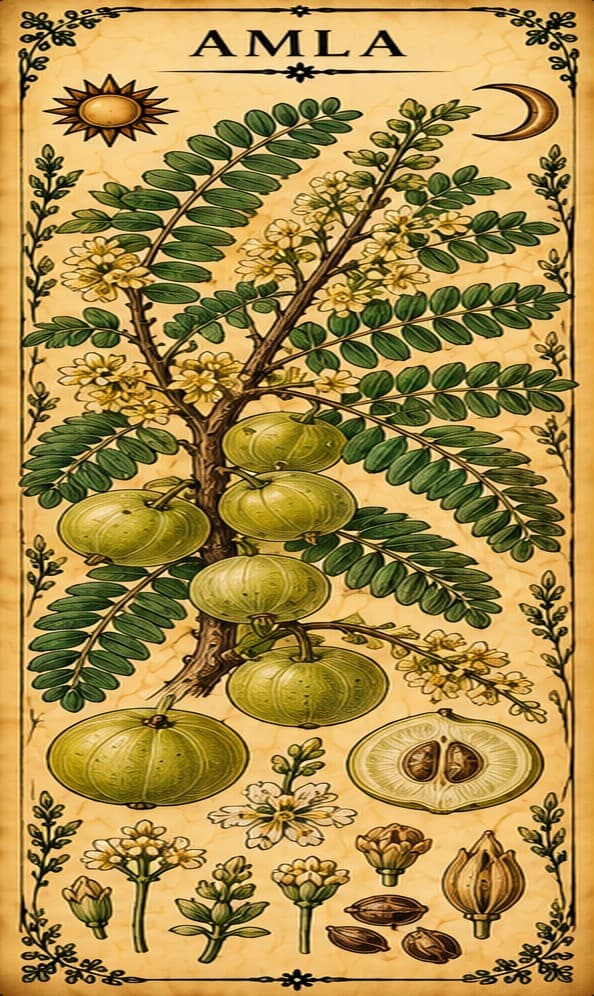
Botanical illustration of Amla

Amla

Phyllanthus emblica

Indian gooseberry, a fruit rich in vitamin C and antioxidants, used in Ayurveda and as one of the three fruits in Triphala. Trials suggest it may lower cholesterol, blood sugar and a marker of inflammation.

No. 003Medicinal
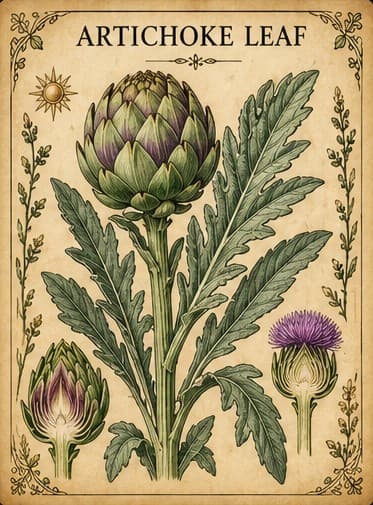
Botanical illustration of Artichoke Leaf

Artichoke Leaf

Cynara cardunculus

Leaves of the artichoke plant, recognized in Europe for indigestion, fullness and bloating. Several small trials suggest it may lower liver enzyme levels in fatty liver disease.

No. 004Medicinal
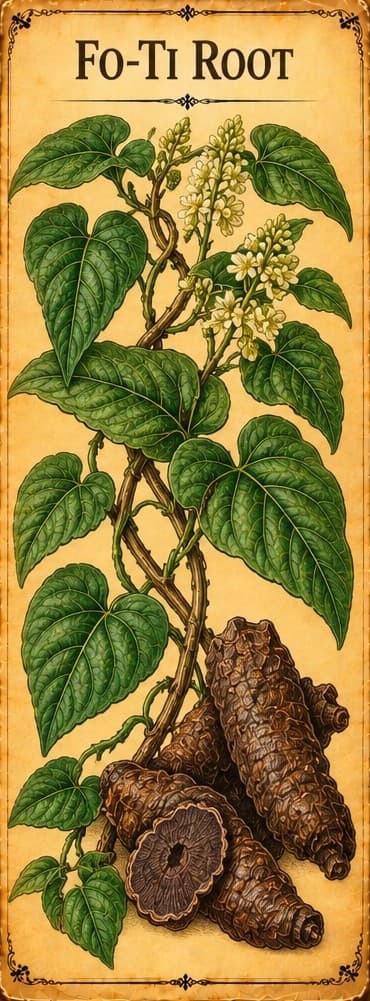
Botanical illustration of Fo-Ti

Fo-Ti

Reynoutria multiflora

He shou wu, a popular Chinese root traditionally taken to darken graying hair, as an anti-ageing tonic, and for dizziness and constipation. Hundreds of cases of liver injury have been linked to it, a few of them fatal.

No. 005Medicinal
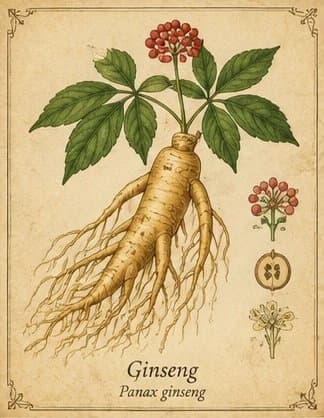
Botanical illustration of Ginseng

Ginseng

Panax ginseng

A root long used in traditional Chinese medicine as a calming herb and an adaptogen. Research on its effects is mixed.

No. 006Medicinal
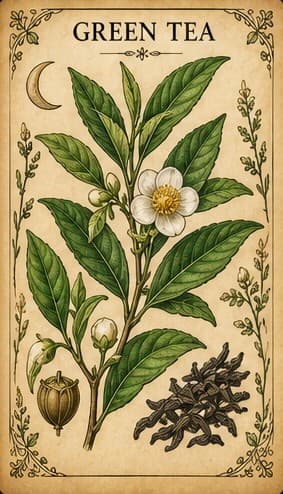
Botanical illustration of Green Tea

Green Tea

Camellia sinensis

Unfermented leaves of the tea plant, drunk for thousands of years. Drinking the tea is considered safe, but concentrated green tea extract supplements have rarely caused serious liver damage.

No. 007Medicinal
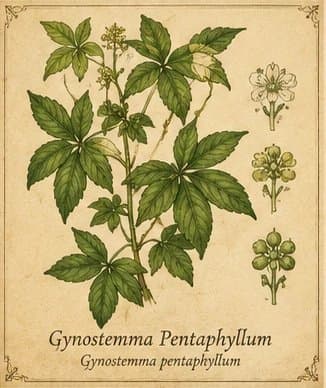
Botanical illustration of Gynostemma

Gynostemma

Gynostemma pentaphyllum

A plant from the cucumber family, known in China as jiaogulan and used in traditional medicine and teas. It has been studied for lowering cholesterol.

No. 008Medicinal
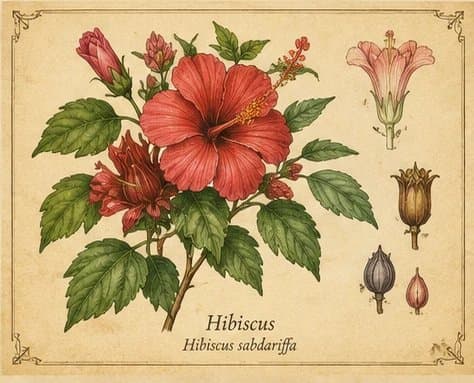
Botanical illustration of Hibiscus

Hibiscus

Hibiscus sabdariffa

The tart red calyces of this flower are made into a tea known as roselle or sour tea. Reviews of trials suggest it may lower blood pressure.

No. 009Medicinal
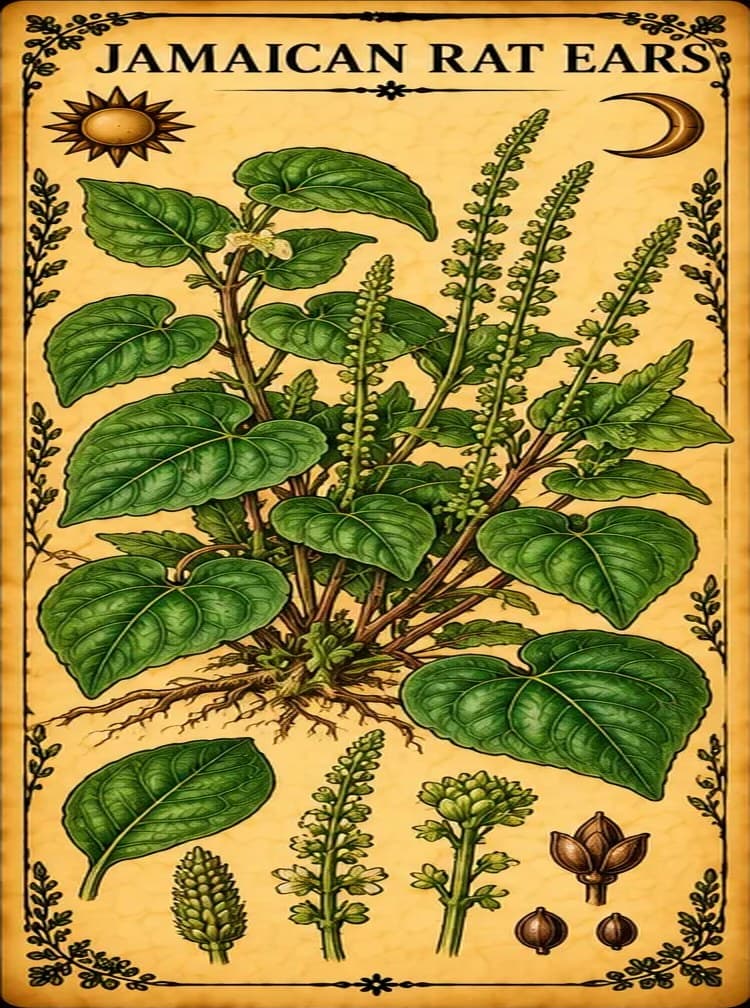
Botanical illustration of Jamaican Rat Ears

Jamaican Rat Ears

Peperomia pellucida

A small weed of damp, shady places, also called shining bush, used in Caribbean folk medicine as a cooling remedy and for skin sores. Research so far is limited and often weak.

No. 010Medicinal
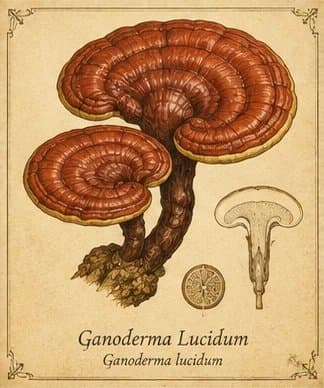
Botanical illustration of Reishi

Reishi

Ganoderma lucidum

A mushroom prized for centuries in traditional Chinese, Japanese and Korean medicine. A Cochrane review found it didn't lower heart disease risk factors.

No. 011Medicinal
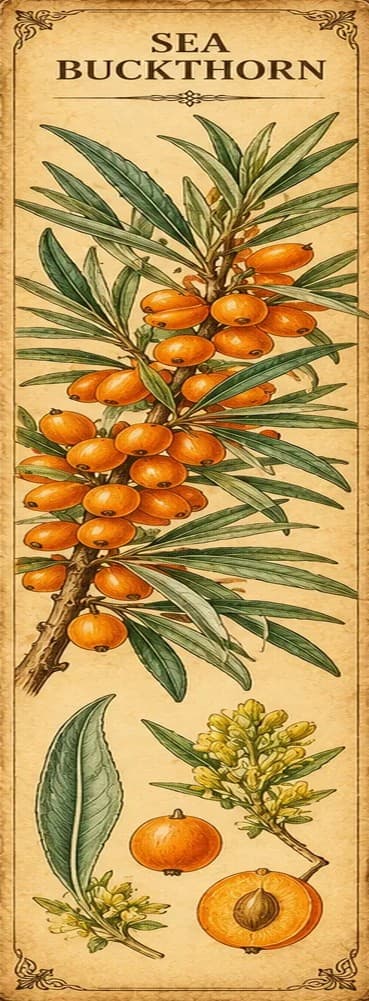
Botanical illustration of Sea Buckthorn

Sea Buckthorn

Hippophae rhamnoides

An orange berry eaten as juice, oil and food, and used in traditional Chinese medicine for cough and digestion. Trials suggest it may improve blood fats in people with abnormal levels.

No. 012Medicinal
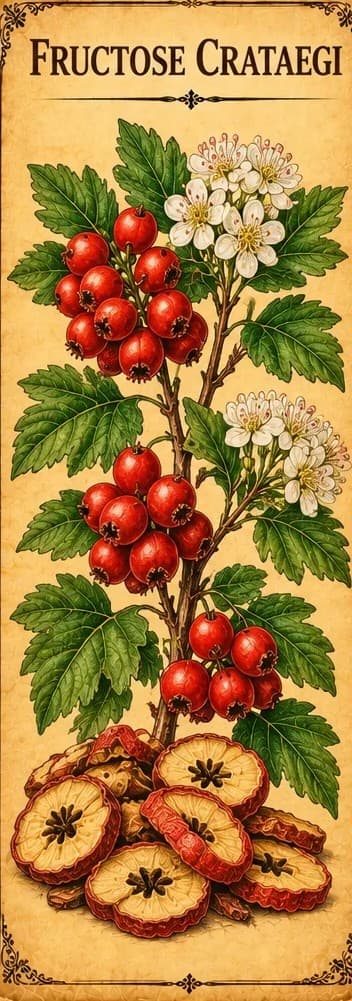
Botanical illustration of Shan Zha

Shan Zha

Crataegus pinnatifida

Chinese hawthorn fruit, eaten and used in Chinese medicine for over 2,000 years for indigestion, especially after meat, and for high blood fats. Research is mostly in the lab and in animals.

No. 013Medicinal
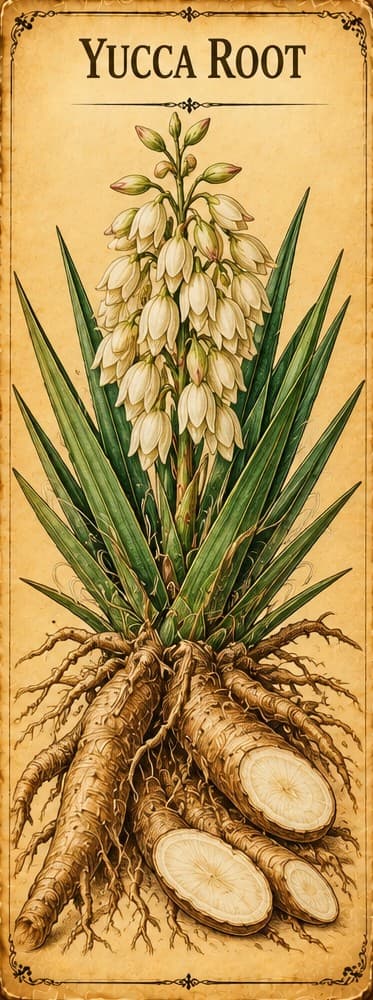
Botanical illustration of Yucca Root

Yucca Root

Yucca schidigera

A desert plant of the southwestern US and northern Mexico, used by Native Americans for arthritis. It's rich in soapy compounds called saponins and is approved as a food additive in the US, but evidence for arthritis is weak.