Discover the Power of Plants

The Herbal Library

Search the full collection

Browse every herb in the database by name, category, or the body system it's traditionally associated with.

Results

8 herbs

No. 001Medicinal
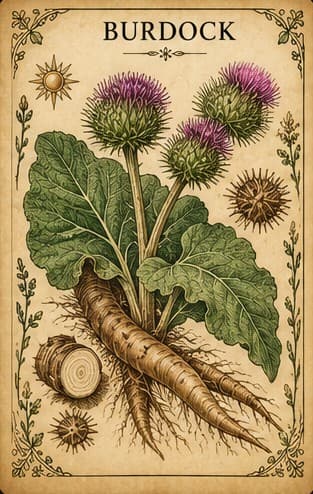
Botanical illustration of Burdock

Burdock

Arctium lappa

A plant whose root has been eaten as food in Asia for centuries. It is traditionally used as a "blood purifier" and for skin problems, but there is little evidence in people.

No. 002Medicinal
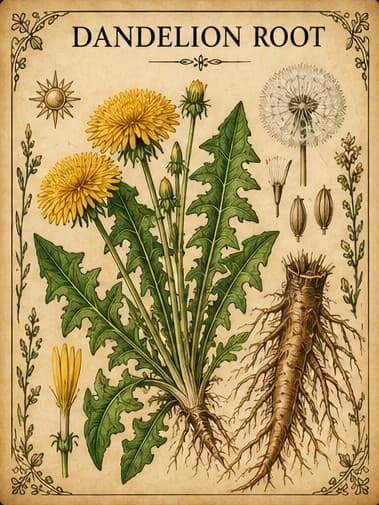
Botanical illustration of Dandelion

Dandelion

Taraxacum officinale

A plant whose root and leaves have long been used for indigestion and, historically, for problems with bile flow. There is very little research on it in people.

No. 003Medicinal
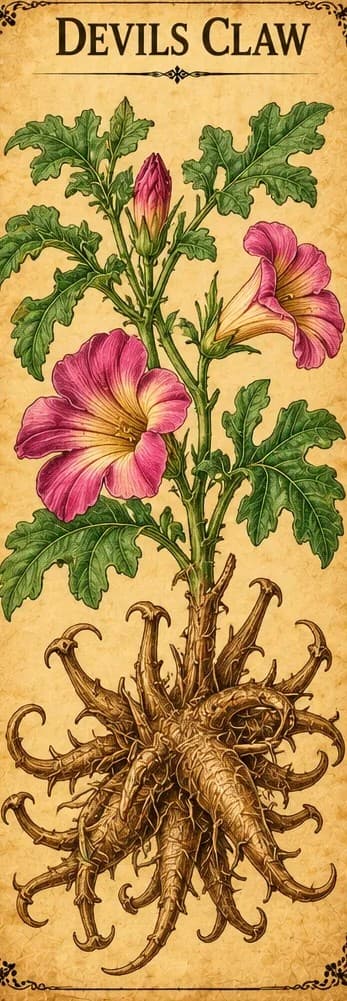
Botanical illustration of Devil's Claw

Devil's Claw

Harpagophytum procumbens

A southern African root recognised in the EU as a traditional medicine for minor joint pain and mild digestive problems. Trials of variable quality suggest it helps osteoarthritis and back pain.

No. 004Medicinal
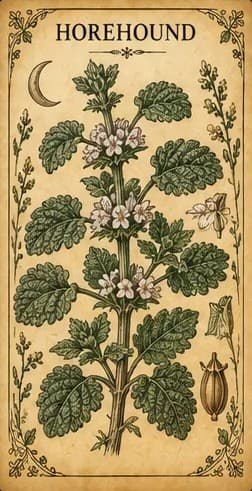
Botanical illustration of Horehound

Horehound

Marrubium vulgare

White horehound, a bitter mint-family herb recognized in Europe as a traditional medicine to help bring up phlegm with a cold, and for indigestion and poor appetite.

No. 005Medicinal
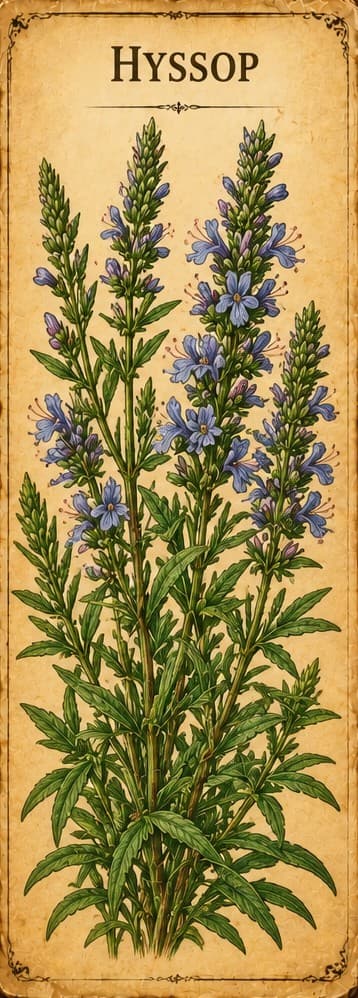
Botanical illustration of Hyssop

Hyssop

Hyssopus officinalis

A blue-flowered herb of the mint family, used for colds, coughs and poor appetite and as a flavoring. Its essential oil can cause seizures at high doses.

No. 006Medicinal
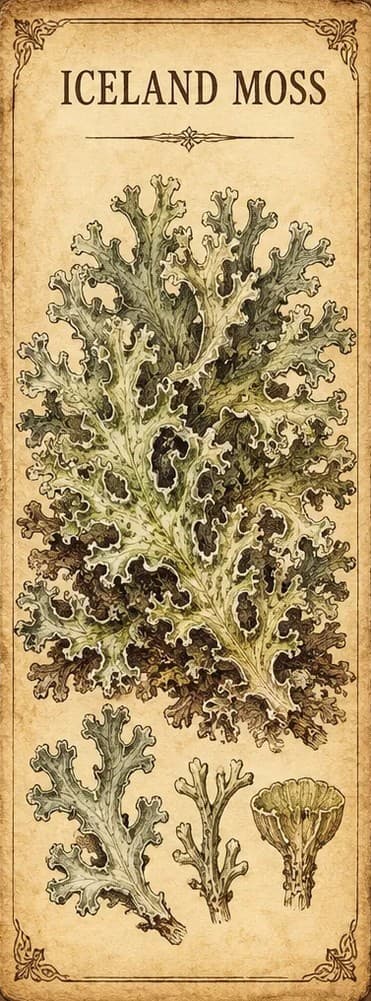
Botanical illustration of Iceland Moss

Iceland Moss

Cetraria islandica

A lichen, not a true moss, recognized in Europe as a traditional medicine to soothe throat irritation and dry cough, and for temporary loss of appetite.

No. 007Medicinal
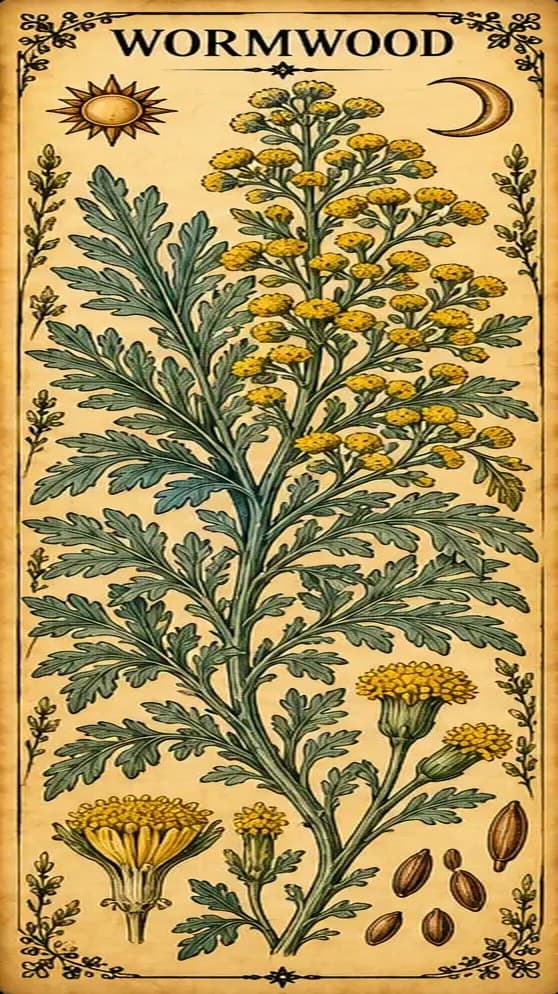
Botanical illustration of Wormwood

Wormwood

Artemisia absinthium

A bitter herb recognized in Europe as a traditional medicine for temporary loss of appetite and mild heartburn and stomach and gut complaints.

No. 008Medicinal
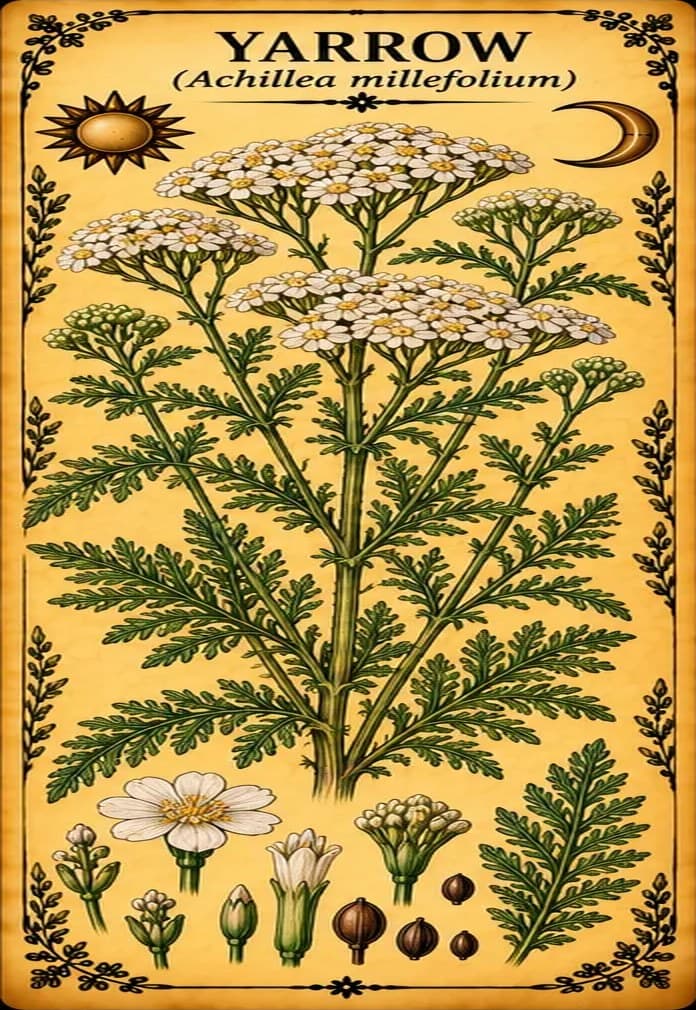
Botanical illustration of Yarrow

Yarrow

Achillea millefolium

An herb recognised in Europe as a traditional remedy for loss of appetite, mild digestive problems, period cramps and small wounds.